


Brown Tobacco Pipe
A brown tobacco pipe brings tactile warmth and historical craft to your hands, offering a direct link to historic smoking culture.
Brown Tobacco Pipe
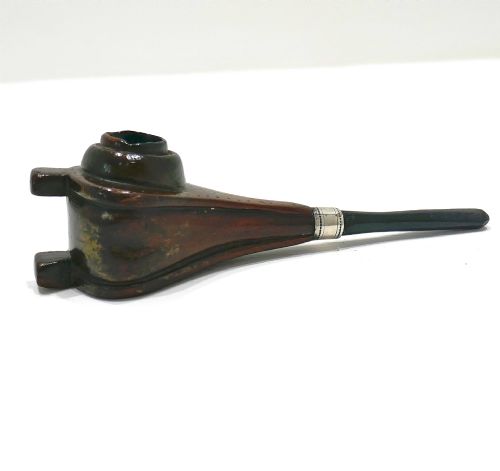
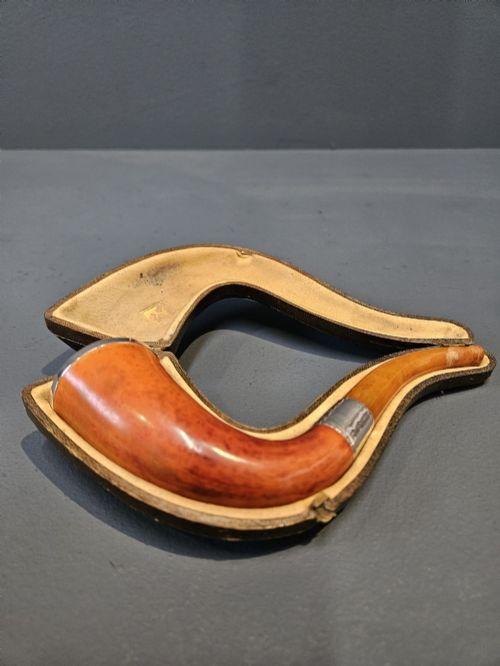
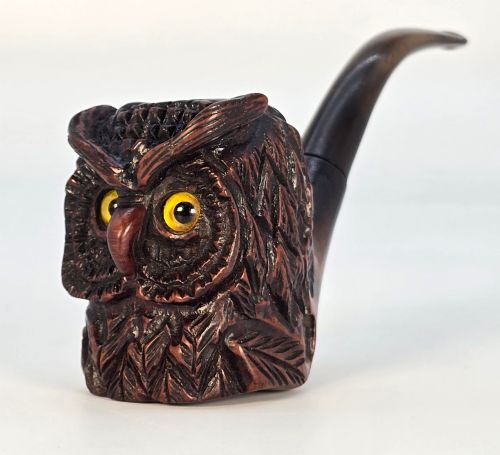
A brown tobacco pipe encompasses carved smoking instruments and associated accoutrements spanning the eighteenth century to the early twentieth century. When exploring a brown tobacco pipe, you encounter diverse materials ranging from briar wood to carved linden wood.
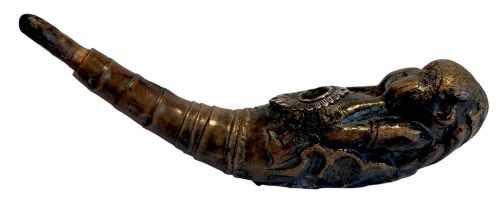
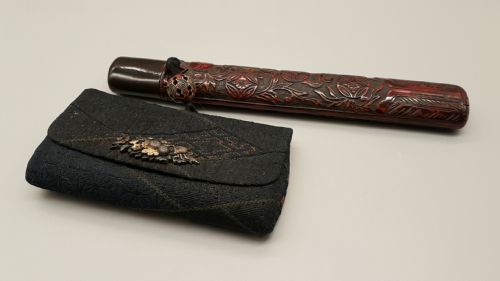
The selections span distinct periods including the Victorian and Edwardian eras, alongside international examples from Japanese Meiji and Chinese traditions. Many pieces emerge as individual smoking pipes, while others form part of broader smoking ensembles or cabinets.
You will regularly find briar wood constructions alongside elaborately carved wooden figures and meerschaum bowls. These objects reflect both domestic British craftsmanship and wider global smoking traditions of the past.
How they were made
Makers utilised natural materials such as briar wood, bamboo, and carved linden wood to shape the bodies of these smoking instruments. Skilled artisans often paired these wooden elements with contrasting components like amber, horn, and white metal mounts.
Intricate hand carving defined many pieces, particularly in Black Forest woodware and figural pipe holders depicting subjects like bears or cultural figures. Other examples incorporated specialised inlays and silver mounts to secure the joints of the stem and bowl.
A delightfully carved brown bear doubles as a humidor, guarding your tobacco supply with fierce ursine charm.
What varies in quality
The standard of a brown tobacco pipe rests upon the depth and precision of its hand carving, particularly in figural or zoomorphic designs. Finer examples display meticulous attention to anatomical detail in wood or meerschaum.
Material selection also dictates distinction, where dense briar or carefully chosen exotic woods elevate the piece beyond utilitarian output. The integration of precious metal mounts or original fitted cases further separates standard items from exceptional survivals.
Blumfeld·Butz Choquin·GBD
The Brown Tobacco Pipe Glossary
- Briar wood
- A dense and heat resistant wood sourced from the root burl of the tree. It became the dominant material for quality smoking pipes from the nineteenth century onward.
- Meerschaum
- A soft white mineral carved into intricate pipe bowls. It absorbs nicotine and colours to a rich brown hue with extended use.
- Black Forest
- A regional style of wood carving originating in Germany. These pieces typically feature realistic representations of animals and foliage in linden wood.
- Ojime
- A small decorative bead used on traditional Japanese cord assemblies. They secure pouches and pipe cases worn suspended from the sash.
- Trench art
- Decorative items created by soldiers and prisoners from military debris during wartime. These pieces often utilise available wood, horn, and metal.
Brown Tobacco Pipe: Frequently Asked Questions
What is a brown tobacco pipe usually made from?
These smoking instruments are predominantly fashioned from natural organic materials. Briar wood and carved linden wood appear frequently alongside meerschaum bowls and horn mounts.
Craftsmen also incorporated supplementary elements such as amber, brass, and white metal to finish the fittings.
How do I care for antique wooden pipes?
Keep wooden and carved pieces away from direct sunlight and extreme humidity fluctuations to prevent cracking. Gentle dusting with a dry cloth preserves the aged surface.
Avoid using liquid cleaners or polishes that might degrade the historic finish or residual oils in the wood.
Can I still smoke from these antique pipes?
While these historical objects were originally created for functional use, most collectors treat them as display pieces. Historic materials become brittle and vulnerable to heat over time.
Preserving the structural integrity and original finish takes precedence over modern utility for older smoking instruments.
How do I identify an Edwardian pipe?
Edwardian examples typically date from the early twentieth century and often feature refined silver mounts. They frequently bear manufacturer stamps or retailer marks associated with the period.
The aesthetic leans toward practical elegance combined with traditional craftsmanship in briar and wood.