


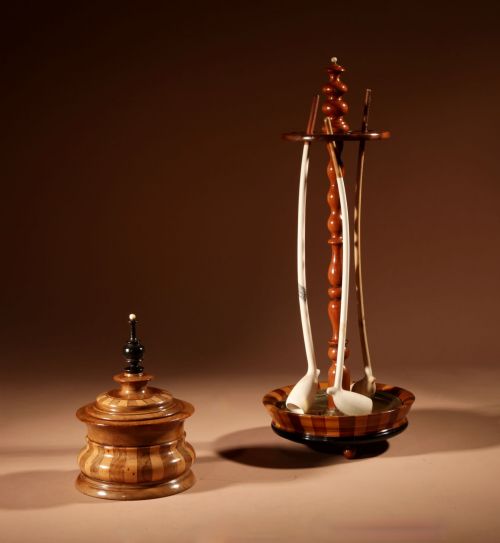
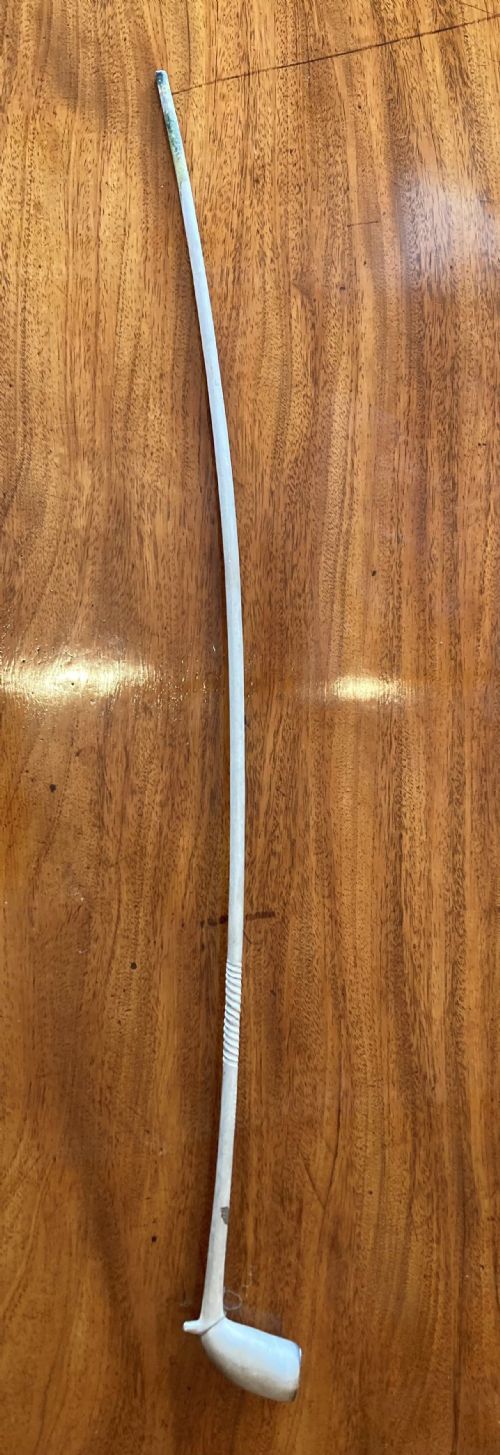


Victorian Tobacco Pipe
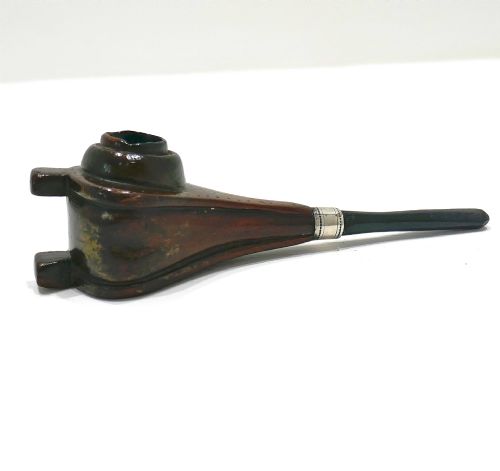
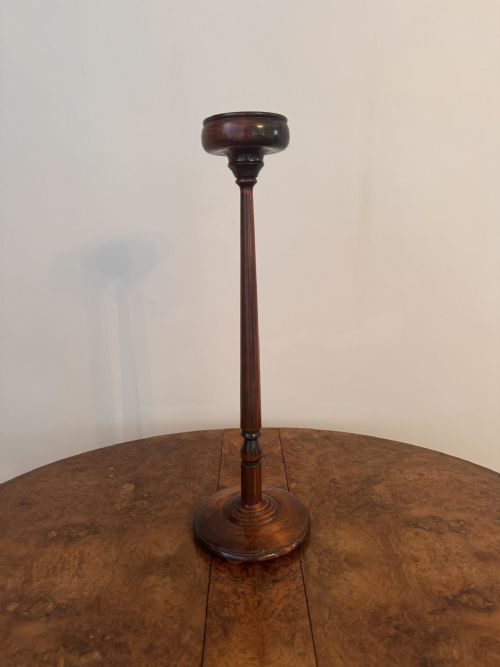
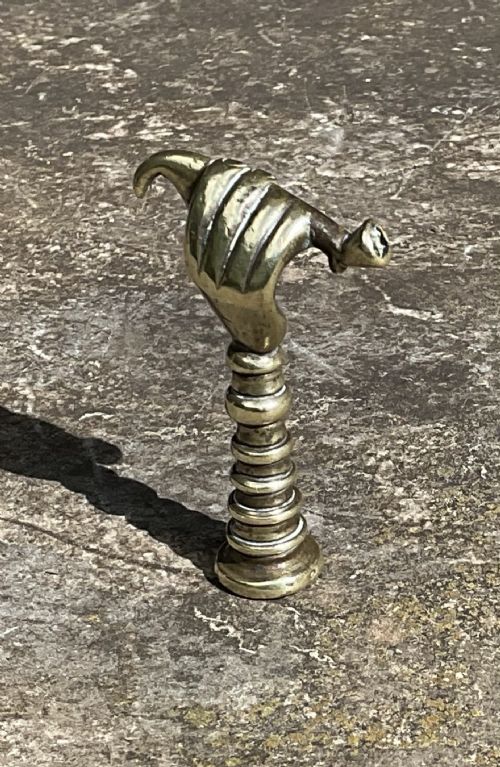
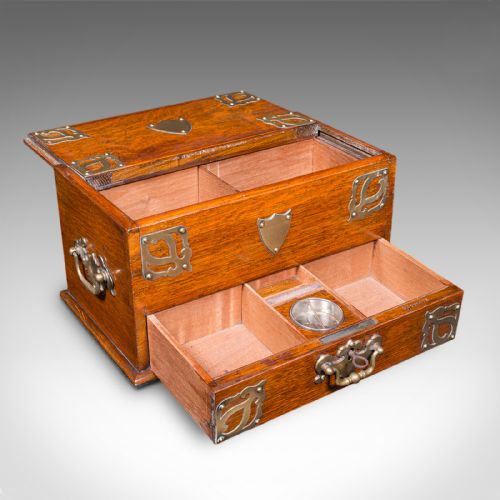
These pieces for a victorian tobacco pipe gather the carved bowls, tampers, stands and cabinets that kept nineteenth century smoking gear in order.
Victorian Tobacco Pipe
A victorian tobacco pipe brings together carved meerschaum bowls, clay churchwardens, and metal tampers from the nineteenth century. These objects served the daily habits of Victorian smokers through practical accessories and specialised storage pieces.
The selection here includes carved linden wood bear humidors, mahogany stands, brass pipe tampers, and white combed glass pipes. Alongside the smoking implements themselves, the group extends to wall cabinets, smokers boxes, and coopered tobacco boxes.
Materials range from porous meerschaum and linden wood to polished brass, mahogany, oak, and satinwood. Each form reflects the domestic comforts and social smoking customs of the period.
Materials and construction
Carvers shaped meerschaum into detailed bowls while woodworkers utilised mahogany, oak, satinwood, and linden wood for stands, cabinets, and boxes. Metal elements such as brass and silver provided durable tampers, pipe stands, and hardware.
Specialised techniques include coopered wooden construction for boxes and stands, fine hand carving for figural Black Forest animals, and white combed glass manipulation for Nailsea pieces. Inlaid satinwood and fitted brass components added decorative refinement to storage cabinets.
Listings feature nineteenth century materials including meerschaum, linden wood, satinwood, mahogany, oak, brass, blown glass, and amber.
Judging quality and execution
The standard of a victorian tobacco pipe rests on the crispness of the hand carving and the selection of materials. Finely detailed figural work in linden wood or meerschaum separates master carvers from simpler production pieces.
Execution shows in the structural integrity of coopered joints in mahogany stands and the precision of brass inlays on satinwood cabinets. Pieces retaining original metal tampers, amber mouthpieces, or fitted wooden compartments hold greater cohesion.
The Victorian Tobacco Pipe Glossary
- Meerschaum
- A soft white mineral carved into intricate pipe bowls that darkens with use. It absorbs moisture to provide a cool smoke.
- Tamper
- A small metal or wooden tool used to press down tobacco inside the pipe bowl. Tampers often doubled as cribbage boards or incorporated picks.
- Churchwarden
- A long-stemmed clay pipe designed to keep smoke away from the face. The extended stem cooled the smoke before inhalation.
- Humidor
- A sealed box or cabinet lined to maintain humidity for tobacco or cigars. These containers frequently utilised carved wood or brass mounts.
- Treen
- Small handmade wooden household objects turned on a lathe or carved by hand. Coopered pipe stands and tobacco boxes belong to this tradition.
Victorian Tobacco Pipe: Frequently Asked Questions
What is a meerschaum pipe?
A meerschaum pipe is carved from a hydrous magnesium silicate mineral prized for its heat resistance and porous quality.
Over time, exposure to tobacco oils causes the white mineral to develop a rich golden or amber patina.
How did Victorians store tobacco?
Victorians kept their smoking supplies in dedicated wooden boxes, coopered containers, and locking table cabinets.
These receptacles protected loose leaf and kept tampers, pipe stands, and cigar cases neatly organised in the home.
What is a pipe tamper used for?
A pipe tamper is a small handheld implement used to flatten burning tobacco to ensure an even burn.
Examples were cast in brass or forged in silver, sometimes incorporating decorative figures or functional picks.
What are Black Forest carvings?
Black Forest carvings are detailed wooden sculptures produced in central Europe during the nineteenth century.
Animals such as bears were commonly depicted in linden wood to form functional humidors and tobacco boxes.