
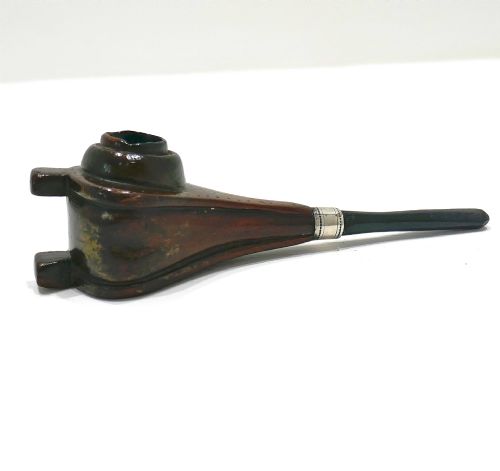

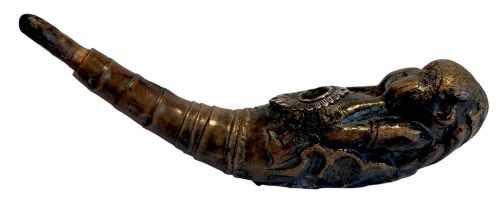
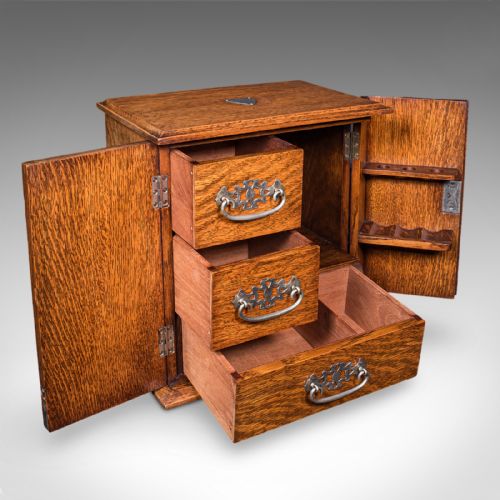
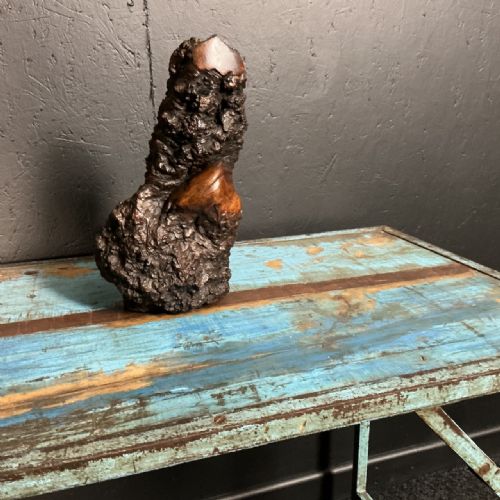


Carved Wooden Pipe
These carved wooden pipe examples unite global folk traditions and smoking culture, offering tactile history for the collector.
Carved Wooden Pipe
A carved wooden pipe represents a global tradition of smoking implements and associated smoking cabinets, shaped by diverse cultural aesthetics across centuries. When you examine this selection, you encounter forms ranging from 18th century Chinese bamboo examples to European Black Forest linden wood items.
The objects span multiple periods, most frequently appearing from the 19th century alongside Edwardian and early 20th century pieces. Alongside actual pipes, you will find related items like wall cabinets, tobacco boxes, and figural holders.
Materials extend beyond simple timber to include metal, brass, bone, horn, and bamboo. Styles draw from regional traditions such as African tribal art, Arts and Crafts, and Edo or Meiji period Japanese design.
How they were made
Maker techniques rely heavily on carving wood, linden wood, oak, and briar wood, often paired with contrasting materials like bone, horn, and brass. Artisans shape these substances using hand tools to create detailed figural representations, such as bears or human figures.
Construction methods vary from trench art assemblies utilising wood and horn to intricate oriental pipecases and Black Forest folk art. The integration of bamboo and metal fittings demonstrates functional craftsmanship designed for daily tobacco use.
One determined artisan carved a German pipe so engagingly that even a brown bear humidor looks polite by comparison.
What varies in quality
Quality rests on the depth and precision of the carving, distinguishing simple utilitarian items from highly expressive figural works like Japanese Daruma holders or European bear humidors. The choice of material, whether standard oak or finely worked linden wood and bone, shapes the visual impact.
Design complexity further separates standard productions from distinctive pieces, such as propaganda trench art or advertising signs associated with makers like GBD. The integrity of the material and the crispness of regional ornamentation define the upper tier.
The Carved Wooden Pipe Glossary
- Briar wood
- A dense, heat-resistant burl wood traditionally utilised for durable smoking pipes.
- Black Forest
- A regional Swiss and German style of wood carving known for naturalistic animal and human figures.
- Kiseruzutsu
- A traditional Japanese portable case designed specifically to hold a smoking pipe.
- Trench art
- Decorative or utilitarian objects fashioned by soldiers during wartime using available materials like wood and horn.
- Tobacciana
- Antiques and collectibles connected to the consumption and storage of tobacco.
Carved Wooden Pipe: Frequently Asked Questions
What periods do these pipes come from?
The pieces span several eras, with 19th century and early 20th century examples appearing most frequently alongside 18th century items.
You will also encounter Edwardian pieces and specific historical markers like World War One items.
What materials are used in these pieces?
Wood forms the primary medium, utilising oak, linden wood, bamboo, and briar wood.
Craftspersons frequently combined these timbers with bone, horn, brass, and other metals.
How do I identify Black Forest carvings?
Black Forest pieces are characterised by naturalistic wooden sculptures of animals and figures, such as bears or peasant couples.
These items often function as humidors, tobacco boxes, or decorative objects.
What is a Kiseruzutsu?
A Kiseruzutsu is an intricately carved Japanese pipecase originating from the Meiji period or earlier.
These cases protected traditional smoking implements and often depicted figures like Fukurokuju.
How were tobacco boxes used?
Tobacco boxes served to store smoking material securely before use.
Many double as figural holders or small cabinets created to sit on walls or tables.