

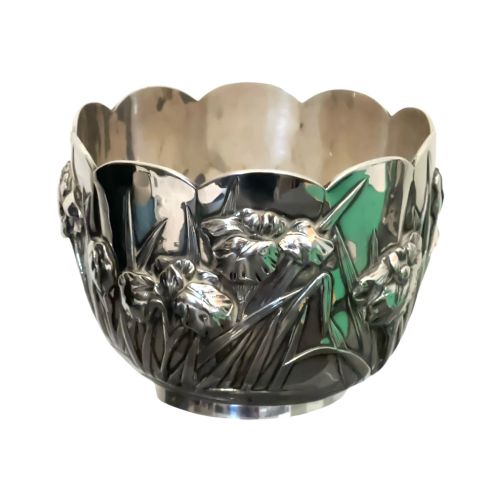
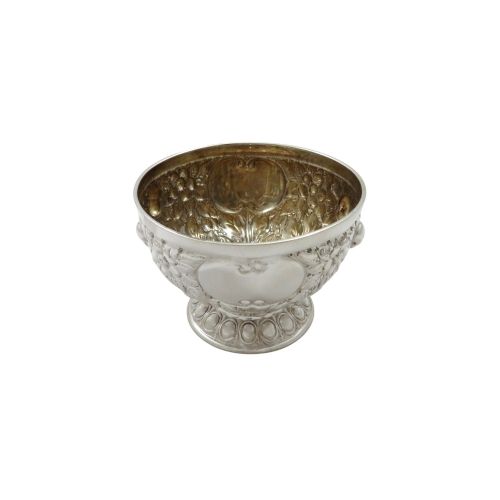
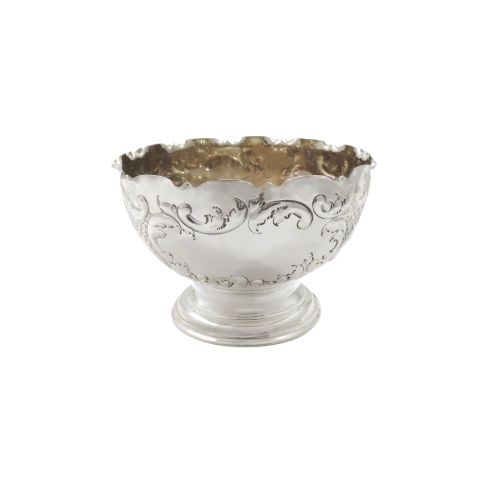
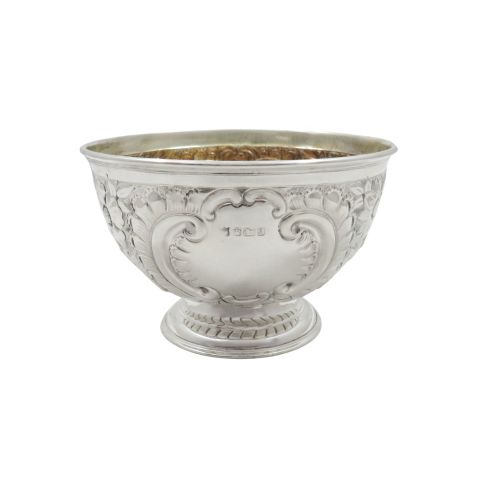
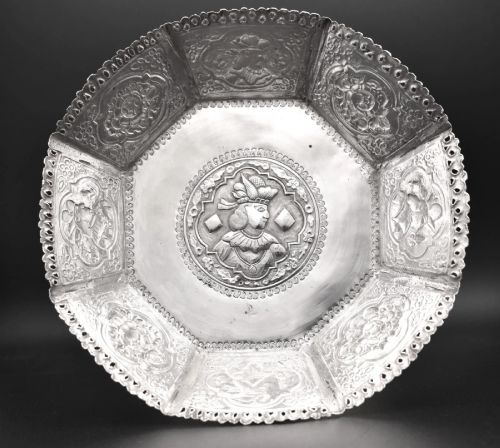


Antique Silverware Bowl
These pieces of antique silverware bowl selection bring centuries of metalwork and craft directly to the table.
Antique Silverware Bowl
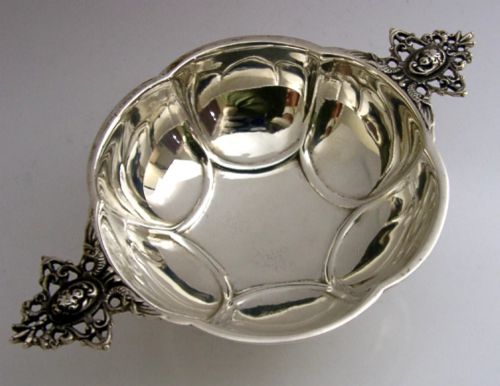
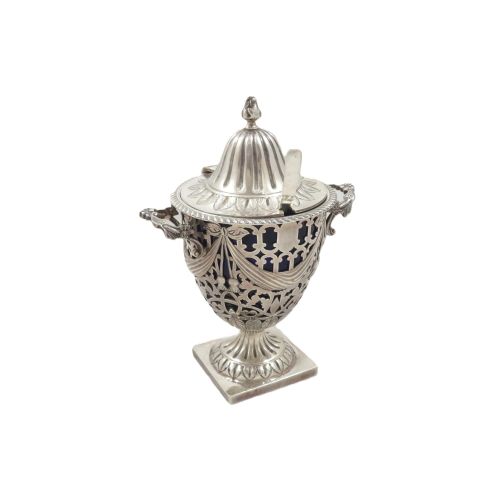
When you search for an antique silverware bowl, you encounter a range of forms spanning decorative centerpieces, footed vessels, sugar basins and serving dishes. These objects originate from diverse workshops across Britain, Europe, Asia and the Ottoman Empire.
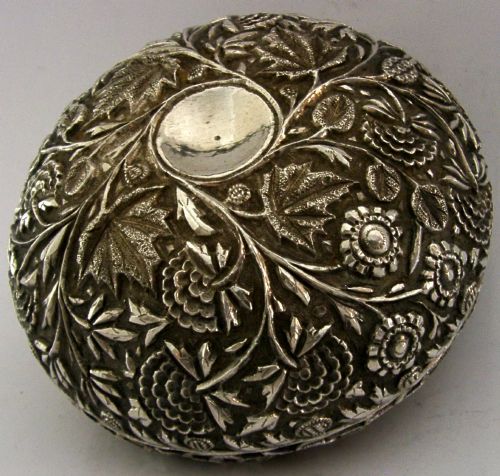
The domestic table traditions of the Georgian, Victorian and Edwardian periods supply many of the core designs on this page. Alongside these British pieces, you find specialised regional forms such as Dutch brandy bowls, Scottish horn quaichs and Anglo-Indian repoussé vessels.
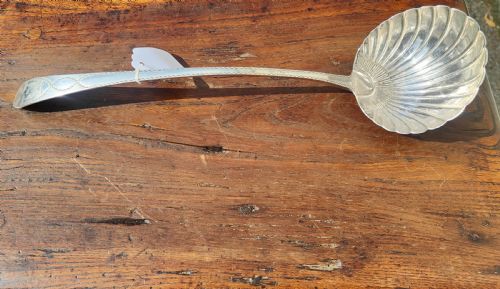
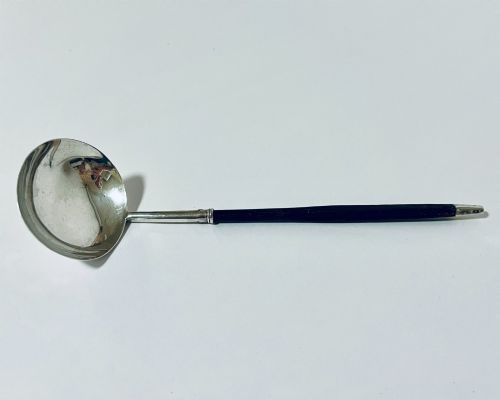
Makers adapted these forms for specific dining and social rituals, producing sugar bowls, strawberry dishes, tazzas and punch ladles. The variety reflects global trade routes and shifting domestic habits across the seventeenth, eighteenth and nineteenth centuries.
Materials and Technique
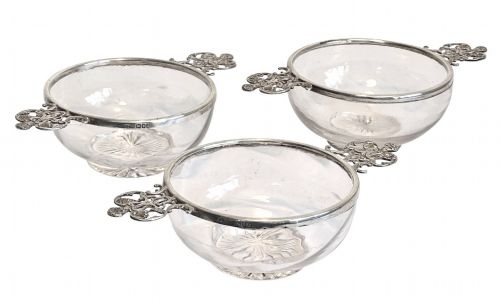
Silversmiths utilised sterling silver, solid silver and silver plate, frequently combining the metal with cobalt glass liners, velvet or animal horn. Many pieces display silver gilt finishes where a layer of gold is applied to the silver surface.
Techniques range from smooth pedestal casting and raised hammering to elaborate repoussé work, where designs are hammered from the reverse into deep relief. Artisans also employed silver mounting to secure glass and horn components within sturdy metal rims.
A Scottish silversmith once turned a barrel into a drinking vessel, proving that historical Scots found inventive ways to toast their friends.
Craft and Definition
Depth and crispness of decoration separate standard items from superior works, particularly in repoussé bowls where hand-chased detail defines the motifs. The weight of the metal and the balance of footed pedestal designs indicate the maker's investment in materials and structure.
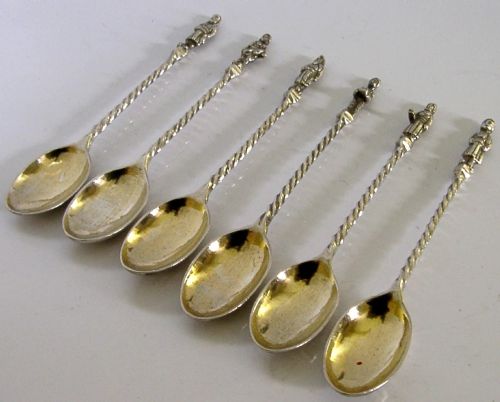
Completeness of original components, such as matching spoons, lids or fitted glass inserts, influences the integrity of the piece. Clear hallmarks and maker's marks anchor the origin and date, confirming the standard of the metal.
William Comyns·Mappin & Webb·Hamilton & Inches·Tiffany & Co·Mackay & Chisholm·Garrard London
The Antique Silverware Bowl Glossary
- Hallmark
- An official stamp applied to precious metals indicating the standard of purity, the assay office, and the date letter. These marks provide a secure method for dating British and European silverware.
- Repoussé
- A metalworking technique where the artisan hammers the design from the reverse side to form a raised pattern on the front. This method creates tactile, highly decorative surfaces on bowls and tazzas.
- Quaich
- A traditional Scottish two-handled drinking vessel, often adapted in silver or silver-mounted horn for domestic display. Its shallow bowl and distinctive lugs distinguish it from standard table bowls.
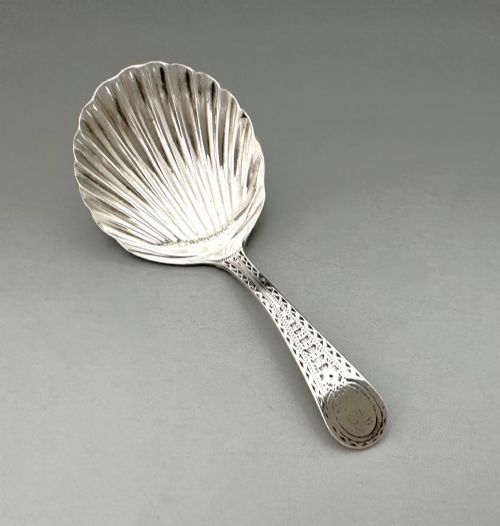
- Caddy spoon
- A small specialised spoon designed for measuring loose tea leaves from a canister. These pieces often feature decorative handles and figural bowls characteristic of Georgian and Victorian silversmithing.
- Tazza
- An ornate pedestal bowl or cup raised on a foot, used historically for serving fruit or sweetmeats. The form showcases high-relief repoussé or chased decoration across the display surface.
Antique Silverware Bowl: Frequently Asked Questions
What is an antique silverware bowl used for?
These vessels served various functions in historical dining rooms, ranging from holding sugar and fruit to presenting sauces or serving communal punch and brandy. Wealthy households utilised them during formal meals and tea ceremonies.
Today, collectors use them as decorative centrepieces, display items or functional table tableware for modern dining.
How can I tell the period of an antique bowl?
Assay hallmarks stamped into the metal provide the most reliable evidence for dating British items, pointing directly to specific towns and year cycles.
Stylistic cues such as Victorian repoussé work, Georgian proportions, or Edwardian sugar basket designs also help differentiate the eras.
Are all these bowls made of solid silver?
The listings include a mix of sterling silver, solid silver, silver gilt and silver plate over base metals. Some pieces also integrate organic materials like animal horn or glass.
Examining the hallmarks or metal stamps reveals whether a piece is solid or plated.
How do I care for antique silver bowls?
Gentle cleaning with a soft cloth helps maintain the natural patina without removing delicate hand-chased details or gold-gilt finishes. Avoid harsh abrasive cleaners that can damage soft antique metals.
Store pieces in dry environments away from direct moisture to prevent excessive tarnishing.