
Antique Silvered Glass
These antique silvered glass pieces bring a luminous, mercury-like sheen to a room, catching the light in a way ordinary vessels simply cannot match.
Antique Silvered Glass
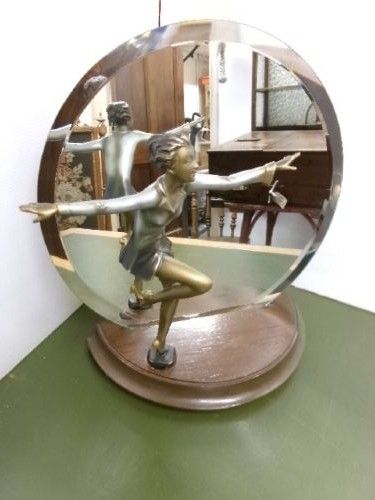
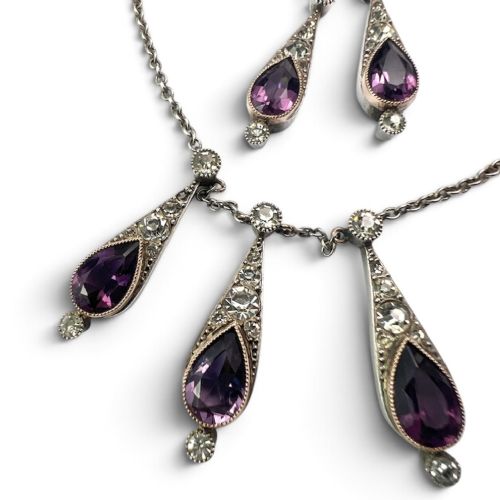
When searching for antique silvered glass, buyers encounter objects that showcase the mercurial, reflective qualities of double-walled blown glass filled with a silvering solution. The items appearing here span from the late nineteenth century into the mid-twentieth century, capturing periods such as the Victorian, Edwardian, and Art Deco eras.
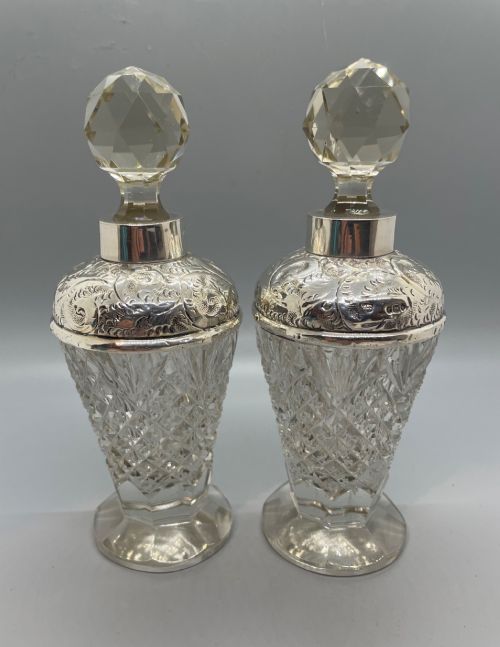
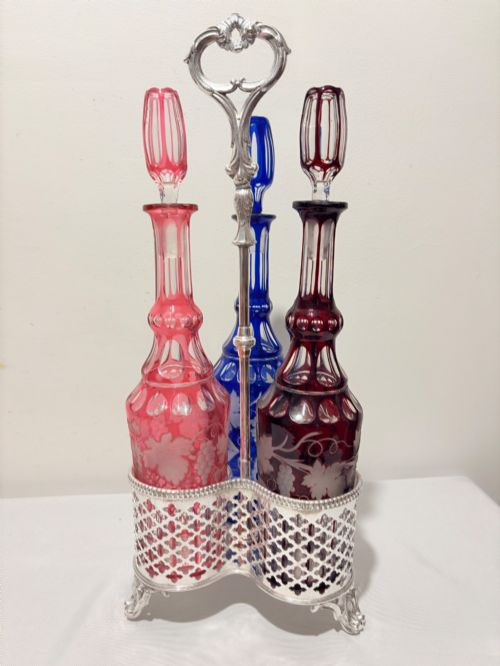
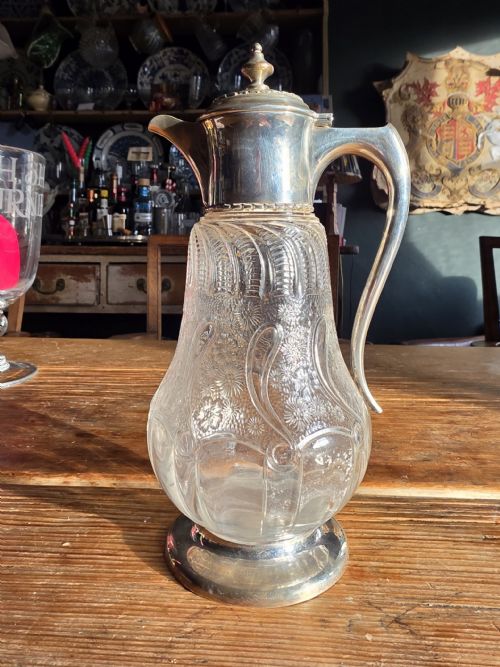
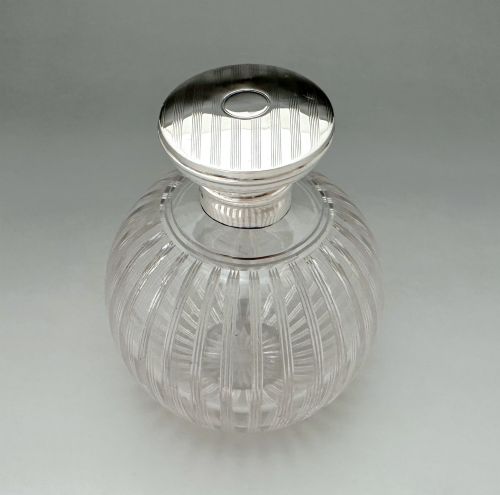
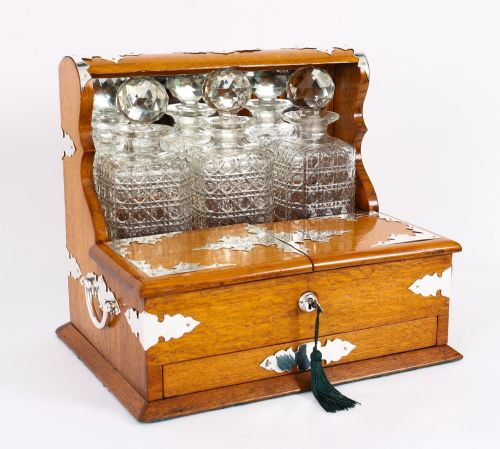
The selections most frequently met on this page include decorative table items and glassware, alongside related silver-mounted glass vessels, scent bottles, and decanters. These functional and ornamental forms reflect the shifting aesthetic priorities of workshops across Europe during the 1900s and 1920s.
Originating primarily from Venetian production centres like Murano, these pieces utilise specialised blowing and sealing techniques to trap the reflective coating between glass layers. Collectors appreciate the way the silvered interior ages, developing a speckled, atmospheric patina over decades.
How They Were Made
Makers fashioned these vessels using double-walled blown glass techniques, leaving a small cavity inside the walls through which a liquid silvering solution was introduced. Artisans then sealed the aperture carefully to prevent air and moisture from degrading the delicate internal metallic coating.
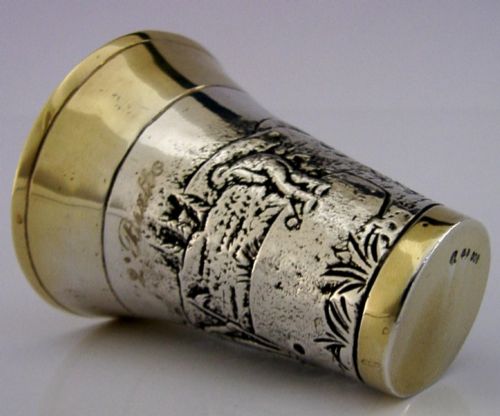
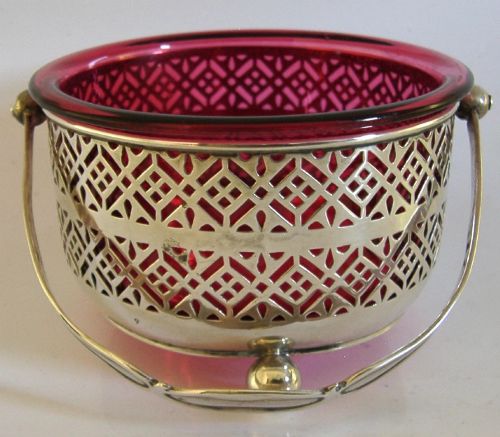
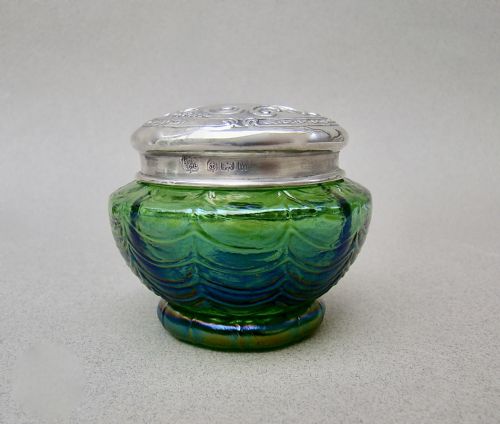
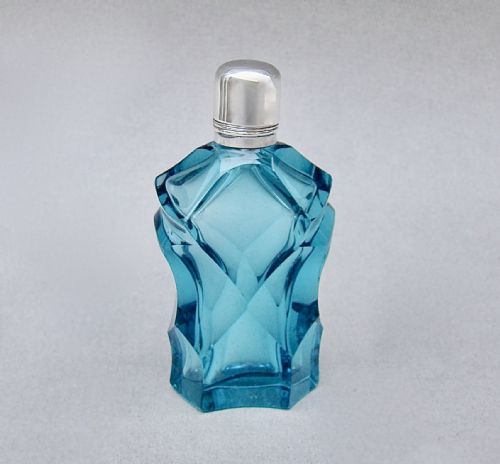
Many examples combine this specialised glass body with mounts, collars, or stoppers formed from sterling silver or silver plate. The contrast between the polished metal fittings and the reflective, often tinted glass body defines the physical structure of these items.
Listings feature silvered glass from the Victorian era to the mid-twentieth century, alongside related sterling silver and cut glass forms.
What Varies in Quality
The integrity of the internal silvering layer dictates the visual impact of the piece, with superior examples maintaining an even, mirror-like brilliance across the entire surface. Inferior pieces often display significant foxing, flaking, or dark spotting where the seal failed and moisture penetrated the cavity.
The weight and clarity of the surrounding glass, coupled with the craftsmanship of any fitted metal mounts, separate standard production from finer workshop output. Well-preserved seals and intact stoppers or companion pieces elevate the desirability of a piece significantly.
Harrods Ltd·A. J. Pepper & Co·The Boots Company·Henry Clifford Davis·Tiffany & Co·Émile-Jacques Ruhlmann·Birks Regency Plate
The Antique Silvered Glass Glossary
- Silvered glass
- Glass blown with a double wall, into which a liquid silvering solution is introduced to create a reflective interior. This technique creates a mirror-like finish reminiscent of mercury glass.
- Murano
- An island in the Venetian lagoon famed for centuries of glassmaking excellence. Artisans here produced the distinctive green and clear silvered decanters found in early collections.
- Foxing
- The appearance of brown or dark spots on the internal reflective coating due to oxidation. Over time, exposure to air through a compromised seal causes this natural ageing process.
- Double-walled
- A construction method involving an inner and outer layer of glass fused together with an enclosed space between them. This hollow cavity holds the reflective silvering compound.
- Pontil mark
- A scar left on the base of blown glass where the pontil rod was snapped off after shaping. Its presence indicates traditional hand-blown manufacturing methods.
Antique Silvered Glass: Frequently Asked Questions
What is antique silvered glass?
Antique silvered glass consists of hollow vessels featuring a double-walled construction with a reflective metallic coating sealed inside. Makers used this method to give ordinary blown glass the brilliant appearance of solid polished silver.
Items produced using this technique typically date from the late nineteenth century through the Art Deco period. The reflective interior creates a deep, shimmering effect that changes depending on the surrounding light.
Are silvered glass and mercury glass the same?
The terms are often used interchangeably, though true mercury glass rarely contains actual mercury. Most pieces rely on silver nitrate or similar chemical solutions introduced between glass walls.
Historical production shifted away from hazardous mercury compounds in the nineteenth century in favour of safer silvering solutions. Both terms describe the same distinctive double-walled reflective aesthetic.
How can I date my silvered glass?
Dating these items involves examining the manufacturing techniques, pontil marks, and any accompanying metal mounts or hallmarks. Pieces featuring sterling silver collars often bear date letters and maker marks that pinpoint the exact year of production.
Stylistic cues such as proportions, colour tints, and decorative motifs also help assign pieces to specific eras like the Victorian or Edwardian periods.