




Silver Mercury Glass
Silver mercury glass pieces bring a bright, reflective sheen to interiors through hollow-blown vessels and mirrors.
Silver Mercury Glass
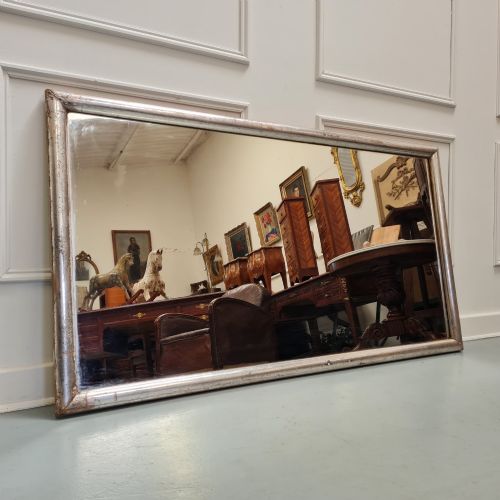
When searching for silver mercury glass, collectors encounter hollow-blown decorative objects and mirrors that date primarily from the nineteenth century. The selection ranges from kugel ornaments and witches balls to scent bottles, pendant lights, and plateau mirrors.
Vessels on this page often take the form of apothecary jars or double-walled vases. French and English examples dominate the selection, showing the domestic and decorative uses of silvered glass during the Victorian era and earlier periods.
Making Silver Mercury Glass
Makers produced silver mercury glass by blowing double-walled hollow vessels with an opening that allowed a liquid silvering solution to be introduced between the glass layers. Once the interior walls were coated, the opening was sealed to trap the reflective layer inside.
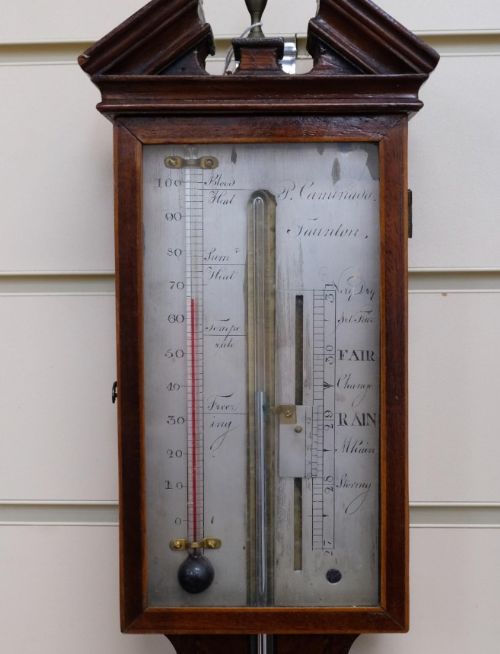
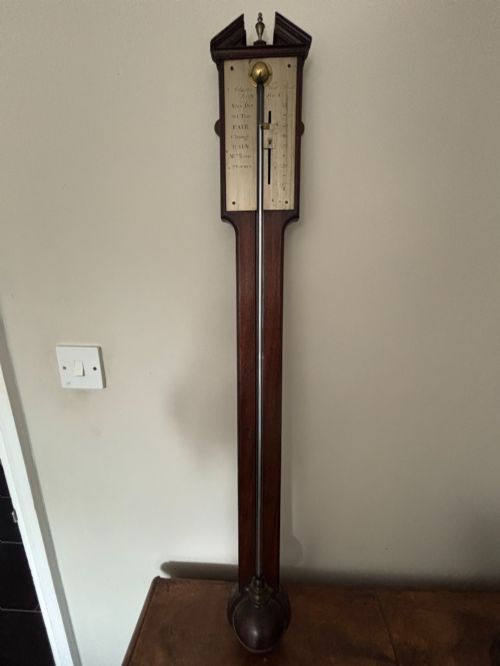
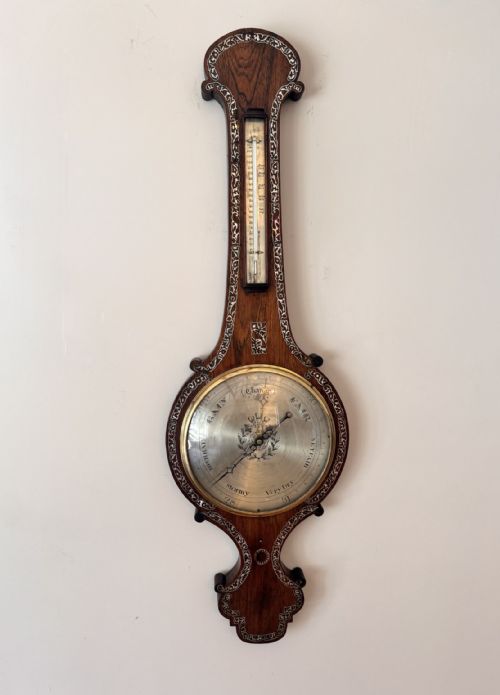
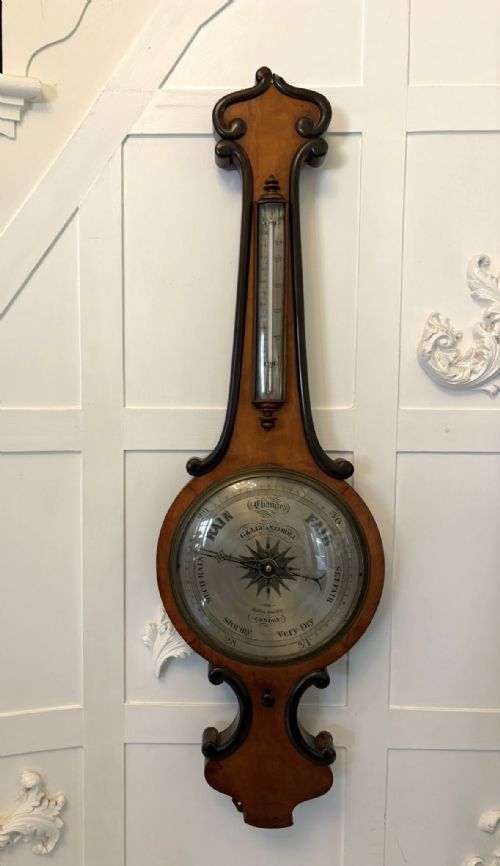
Some pieces feature applied decoration such as silver overlay or metal mounts in brass and silvered metal. The glass itself appears alongside wooden frames and mercury barometers recorded across the nineteenth-century listings.
Some nineteenth-century makers blew glass into acorn shapes just to convince people that fallen tree nuts could be turned into mirrors.
Judging Quality
Quality in silver mercury glass rests upon the integrity of the double-walled seal and the evenness of the reflective coating inside. Pieces that maintain a bright, unspotted mirror finish display superior manufacture compared to those with extensive degradation of the silvering.
The crispness of supplementary metalwork, such as silver overlays or brass mounts, distinguishes finer examples. The complexity of the blown form, from simple kugel spheres to acorn-shaped witches balls and faceted scent bottles, also marks the upper tier of the range.
The Silver Mercury Glass Glossary
- Mercury glass
- A blown double-walled glass coated on the inside with a silvering solution. Despite the traditional name, actual mercury was rarely utilised in the final manufacturing process after early hazardous methods were abandoned.
- Witches ball
- A hollow glass sphere traditionally hung in windows to ward off evil spirits. These spherical objects utilise the reflective silver mercury glass surface to catch the light.
- Kugel
- A heavy glass Christmas ornament or decorative sphere blown in various shapes. They appear in the listings as large silver mercury glass display pieces.
- Plateau mirror
- A tabletop mirror base used for centrepieces or dining displays. Examples in the archive employ silver mirrored glass surfaces.
- Silver overlay
- Decorative metalwork applied directly to the exterior of a glass object. This technique appears on Victorian scent bottles.
Silver Mercury Glass: Frequently Asked Questions
What is silver mercury glass?
Silver mercury glass refers to blown double-walled glass objects coated internally with a reflective silvering solution. The technique creates a brilliant mirror-like sheen without using liquid mercury in the final sealed cavity.
Items made this way include decorative balls, vases, and scent bottles dating mainly from the nineteenth century.
How were witches balls used?
Witches balls were traditionally hung in windows or doorways to catch negative energy and ward off evil spirits. Their reflective silver surfaces were thought to trap malevolent forces.
Over time, these decorative spheres transitioned into purely ornamental objects prized for their bright interiors.
How do I clean silver mercury glass?
Cleaning silver mercury glass requires gentle dusting with a soft, dry cloth. Moisture must be kept away from any compromised seals to prevent further loss of the internal silvering.
Harsh chemical cleaners and immersion in water should be strictly avoided to protect the delicate interior coating.
Did they really use mercury inside?
Early manufacturing methods occasionally utilised a liquid amalgam of mercury and tin, but this practice was quickly replaced by safer silver nitrate solutions. The historic name persisted long after actual mercury left the workshops.
Items sold today are stable sealed objects safe for display in domestic settings.
How can I date mercury glass?
Dating silver mercury glass involves examining the Pontil mark, the thickness of the glass, and the style of any applied metal mounts. Nineteenth-century examples often exhibit hand-blown irregularities and specific Victorian design motifs.
Archival pieces and marked items provide reliable benchmarks for comparing period characteristics.