
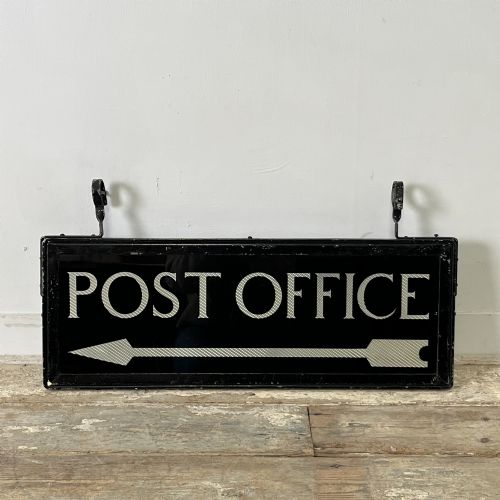


Double Walled Glass
Double walled glass items unite functional utility and striking transparency across periods from the Victorian era to the 1930s.
Double Walled Glass
When you search for double walled glass, you encounter unusual objects designed with layered construction to create depth and visual interest. These pieces span utility items and decorative forms, notably including bright green vases marked Varnish, England from eighteen-sixty.
You are most likely to meet items originating from the nineteenth century through the early twentieth century, encompassing Victorian, Edwardian, and Art Deco styles. The selection ranges from functional vessels to trade objects and decorative glassware.
How they were made
Makers utilised clear and coloured glass, often combining the medium with brass, iron, and paint to achieve structured forms. The technique involves creating layered wall structures that give pieces like early vases their characteristic thickness and optical weight.
Workshops paired blown or moulded glass with metal mountings and painted panels, reflecting the manufacturing capabilities of the Victorian and Edwardian periods.
Listings span the nineteenth century, the Victorian period, the Edwardian era, and the nineteen-thirties, utilising glass, brass, iron, and paint.
What varies in quality
Quality rests upon the clarity of the glass layers and the precision of any applied paint, markings, or metal mounts. Pieces bearing clear manufacturer stamps or signatures demonstrate greater desirability among collectors.
The integration between the glass body and secondary materials, such as brass or iron components, dictates the overall refinement of the piece. Superior examples maintain structural integrity without obscuring the layered optical effect.
The Double Walled Glass Glossary
- Double walled glass
- Glassware constructed with two distinct layers enclosing a space or creating a thick, multi-tier optical effect. This method adds substance and distinct visual depth to vessels.
- Victorian
- Belonging to the reign of Queen Victoria, spanning the nineteenth century. This era produced heavily ornate as well as strictly functional domestic items.
- Edwardian
- Pertaining to the reign of King Edward VII in the early twentieth century. Objects from this period often display lighter forms and refined manufacturing techniques.
- Art Deco
- A design style dominant in the 1920s and 1930s characterised by geometric shapes and streamlined profiles. It marked a sharp departure from heavy nineteenth-century ornamentation.
Double Walled Glass: Frequently Asked Questions
What is double walled glass?
Double walled glass refers to items manufactured with dual glass layers or thick layered construction. This technique creates a distinct visual depth within the object.
Such pieces range from nineteenth-century decorative vases to functional items produced across the Victorian and Edwardian eras.
How do I date these pieces?
Dating relies on examining the manufacturing techniques, materials, and any maker marks present on the object. Nineteenth-century examples often display heavier glass-forming methods compared to later Edwardian or Art Deco pieces.
Comparing stylised mounts, such as brass or chrome fixtures, helps narrow down the period of production.
Where were they made?
The pieces originate from various European and British workshops active during the nineteenth and early twentieth centuries. Specific makers and locations are sometimes indicated by stamps or painted signatures on the glass.
English and French workshops feature prominently among surviving examples from this timeframe.
How do I clean them?
Cleaning requires gentle handling, particularly for items that combine glass with painted surfaces or delicate metal mountings. Lukewarm water and a soft cloth preserve the original finish without damaging the material.
Harsh chemical cleaners should be avoided to protect antique glass layers and historic paintwork.