


Silvered Glass Vase
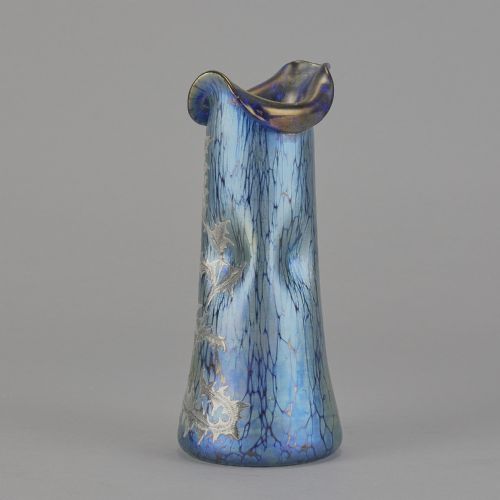
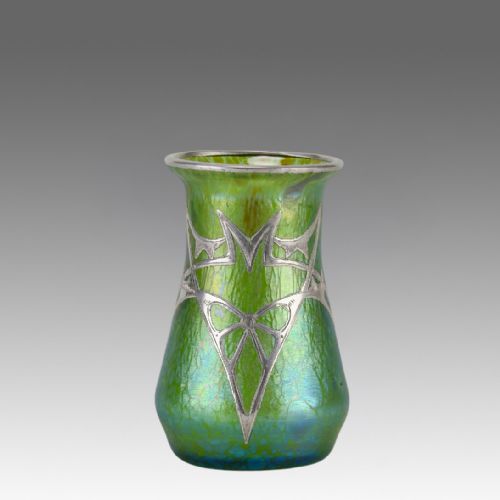
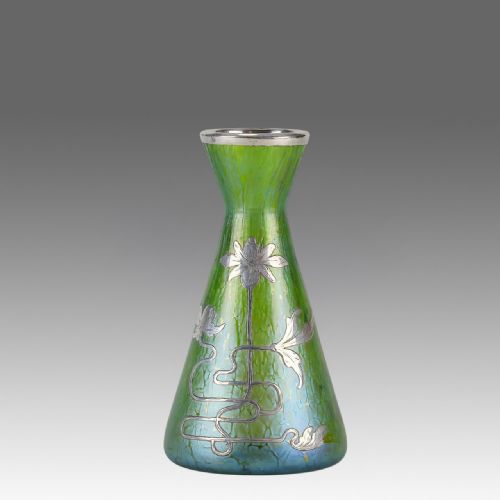
A silvered glass vase brings a shimmering metallic sheen to floral arrangements, combining reflective glass with silvered finishes or mounts.
Silvered Glass Vase
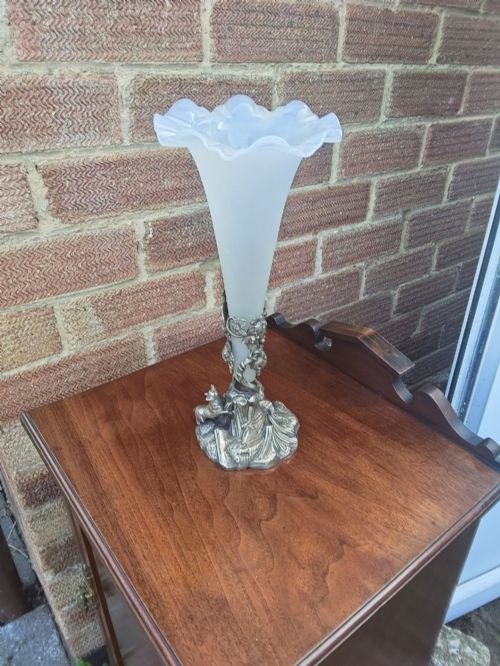
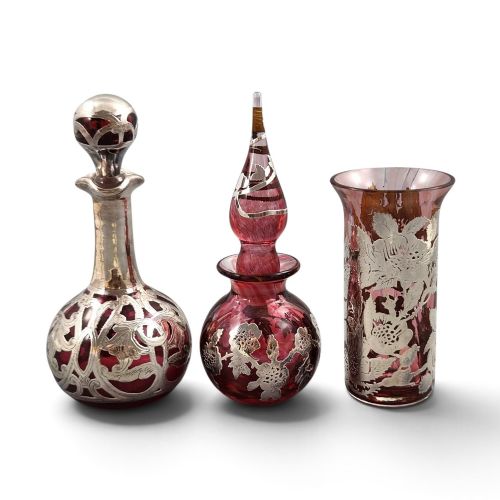
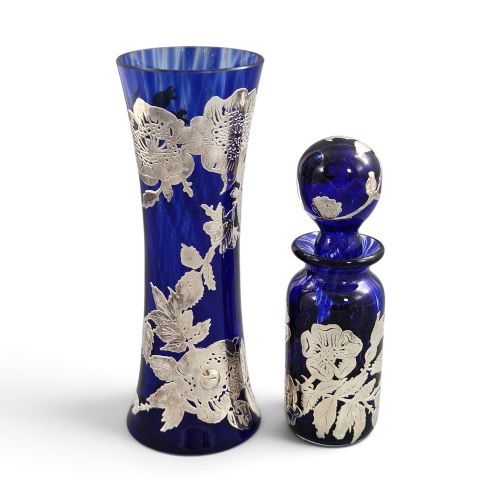
When you search for a silvered glass vase, you encounter decorative vessels that merge glass bodies with reflective coatings, metal mounts, or delicate overlays. The examples on this page span the Victorian, Edwardian, and Art Nouveau periods, showcasing distinct historic aesthetics.
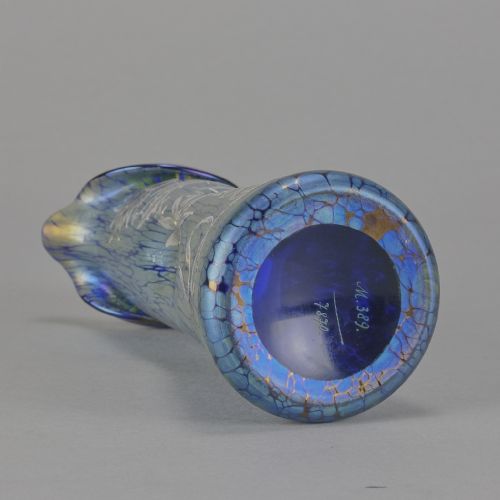
The most common items you meet include iridescent glass vessels, pieces featuring intricate silver overlay, and mercury glass designs from the nineteenth and early twentieth centuries. Makers from Britain, Austria, and Germany produced these variations, frequently pairing green, blue, or opaque glass with contrasting metal elements.
Forms range from simple conical vases and posy vessels to elaborate centrepieces and sculptural pieces framed by pewter or sterling silver. Art Nouveau and Secessionist styles dominate the selections, often displaying organic motifs and metallic decoration.
How they were made
Glassmakers shaped vessels by blowing molten glass into moulds or free-blowing forms, occasionally utilising double-walled techniques to trap reflective silvering chemicals inside mercury glass. Iridescent and papillon effects were achieved by treating hot glass with metallic vapours.
Silversmiths and metalworkers then applied sterling silver, silver plate, or pewter mounts, frequently cutting intricate botanical or geometric patterns directly onto the metal overlay. These metallic elements were secured to the glass bodies using specialised adhesives or mechanical fittings.
Some Victorian glassblowers trapped liquid mercury between double walls to make cheap tableware look like solid silver.
What varies in quality
The distinction between standard production and exceptional work rests on the precision of the glassblowing and the intricacy of the silver or pewter overlay. Master glassworks achieved depth of colour and complex iridescence that cheaper items lack.
Heavier gauge silver and deeply pierced metalwork indicate superior craftsmanship compared to thin plated alternatives. The harmony between the glass body and the applied metal decoration dictates the overall artistic success of the piece.
Loetz Witwe·Johann Loetz·WMF·Hukin & Heath·Walker & Hall·Gorham·Ferdinand von Poschinger·Josiah Williams & Co
The Silvered Glass Vase Glossary
- Silvered glass
- Glass treated with a reflective substance, often mercury or silver nitrate, to create a mirror-like metallic finish on the interior or exterior surface.
- Silver overlay
- A technique where sterling silver is applied directly to a glass or ceramic body, often in floral or abstract patterns.
- Mercury glass
- A type of blown double-walled glass silvered between the layers, popular during the nineteenth century for decorative tablewares.
- Iridescent glass
- Glass treated with metallic salts while hot to produce a rainbow-like sheen across the surface, characteristic of Art Nouveau design.
- Secessionist
- A stylistic movement originating in central Europe around 1900, emphasising geometric forms and simplified lines in contrast to ornate historicism.
Silvered Glass Vase: Frequently Asked Questions
What is a silvered glass vase?
A silvered glass vase is a decorative vessel combining glass with a reflective silver-like coating, mercury lining, or applied metal overlay. These pieces often feature iridescent or coloured glass bodies shaped during the Victorian and Art Nouveau eras.
They serve as ornamental objects designed to hold flowers or stand alone as decorative centrepieces on tables and mantels.
How do I date a silvered glass vase?
Dating relies on stylistic markers such as Art Nouveau curves, Secessionist geometry, or Victorian floral motifs, alongside maker marks and hallmarks on silver mounts. Examining the manufacturing techniques, such as double-walled mercury glass or hand-cut silver overlay, helps narrow the period.
Comparing the base, pontil marks, and metal purity stamps against known records provides further chronological context.
Were these vases used for fresh flowers?
Many of these vessels were designed to hold fresh blooms, posies, or single stems, often equipped with glass liners or metal epergne inserts. Others functioned purely as decorative objects or centrepieces for dining tables and display cabinets.
Water usage depends on the interior condition and whether the silvering or mercury lining remains intact and sealed between glass walls.
How do I care for antique silvered glass?
Care requires gentle handling and avoiding harsh chemical cleaning agents that could strip the delicate silver overlay or internal mercury lining. Dusting with a soft dry cloth maintains the surface without risking abrasion.
Keep these vessels out of direct sunlight and away from excessive moisture to preserve the reflective coatings and metal finishes.