

Antique Silver Sweetmeat
When you search for antique silver sweetmeat pieces, you are looking at small serving vessels designed for confectioneries, sugar, and delicacies.
Antique Silver Sweetmeat
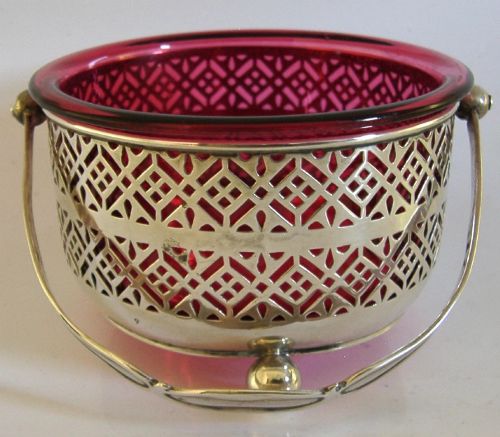
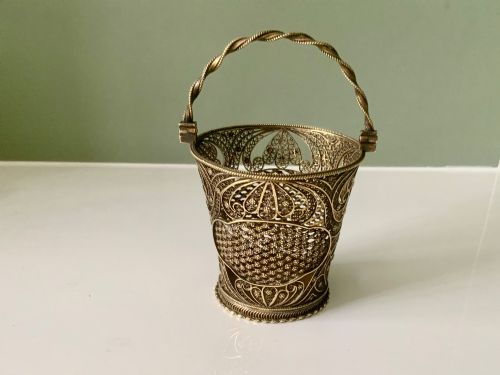
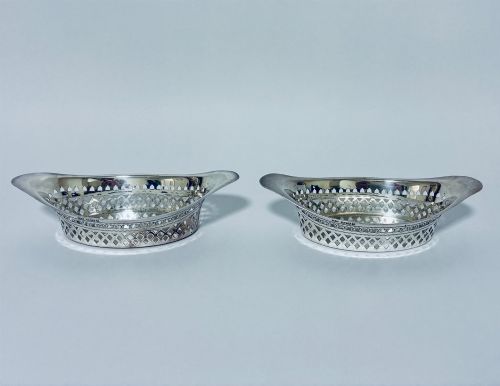
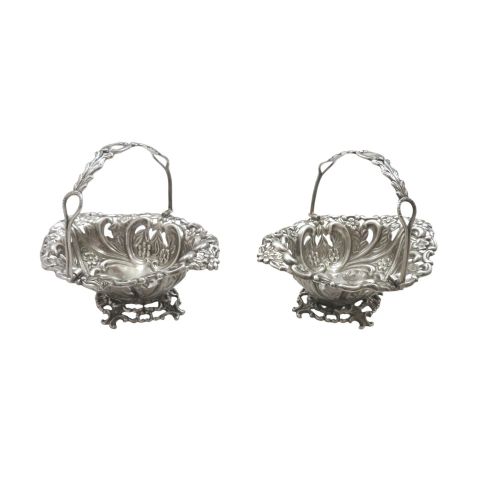
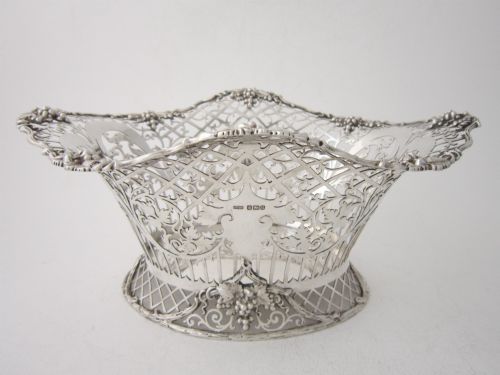
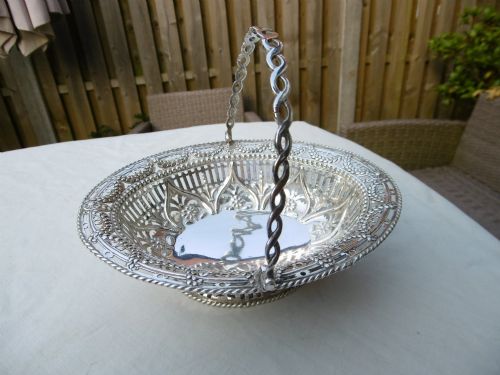
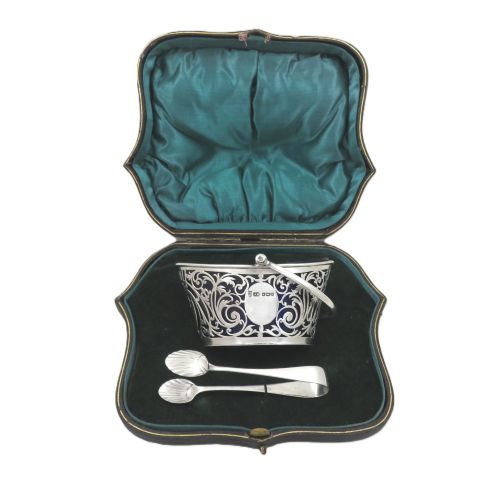
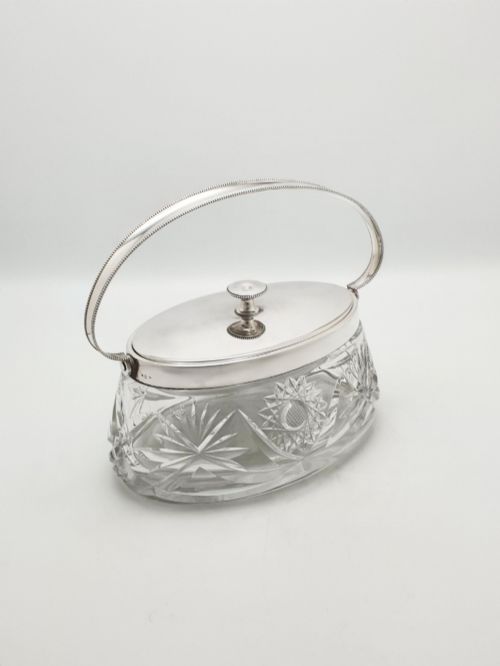
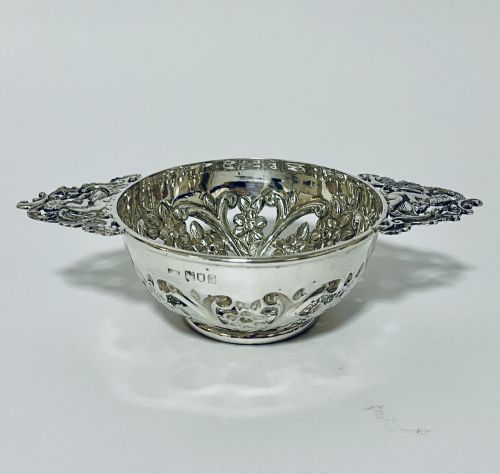
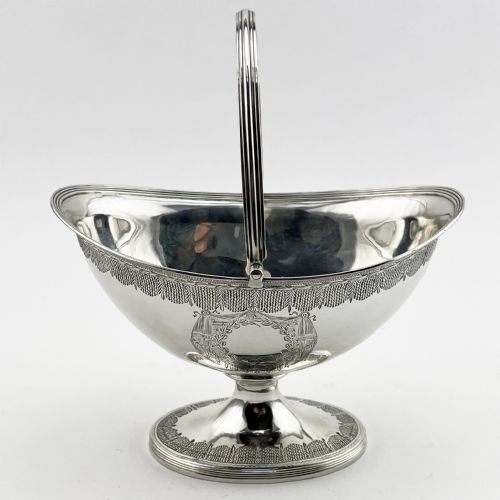
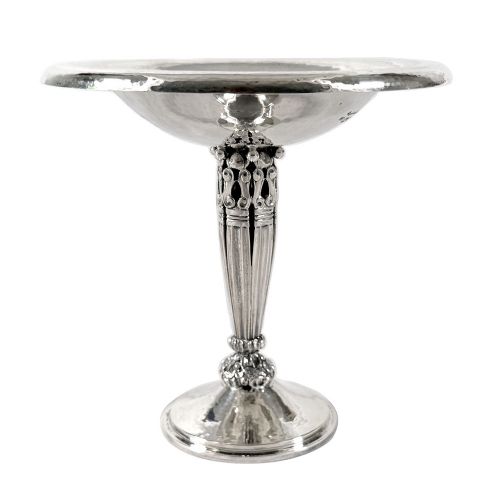
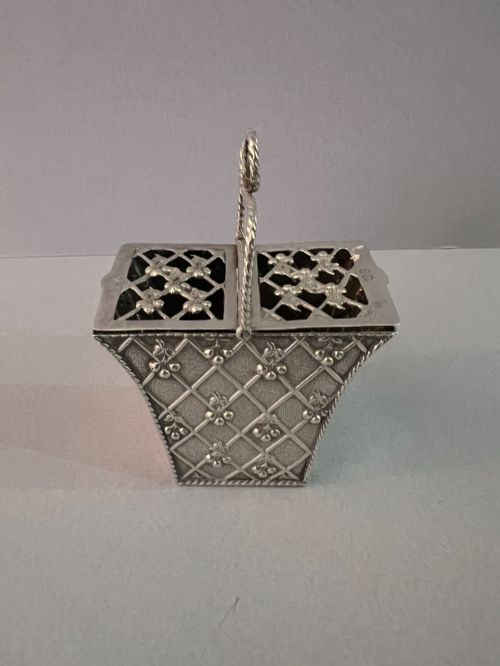
An antique silver sweetmeat takes many forms across the centuries, appearing most frequently on this page as sugar baskets, bonbon dishes, and small serving bowls. These pieces served a distinct function on the formal dining table or in the parlour, holding sweet preserves, nuts, or small confections.
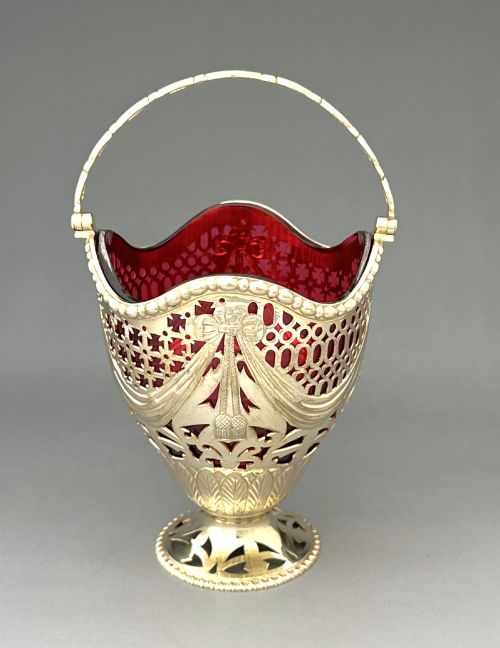
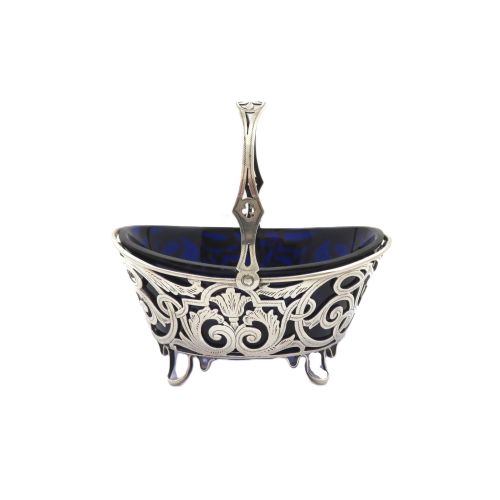
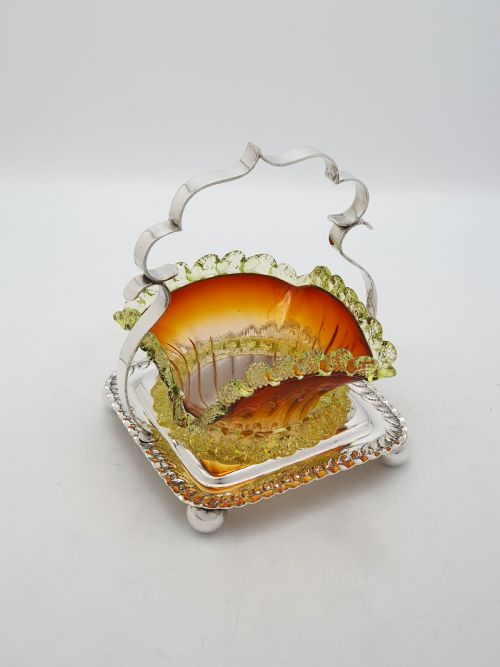
The selections available here span multiple eras, with a strong representation of Edwardian and Victorian examples alongside Georgian pieces. You will encounter swing-handled baskets, pedestal dishes, and pieces complete with coloured glass liners in cranberry, ruby, or amber hues.
How They Were Made
Silversmiths utilised sterling silver and silver plate, frequently incorporating fine wirework, silver-gilt interiors, and intricate piercing techniques to lighten the vessel walls. Many examples combine metalwork with blown or moulded glass liners, creating a striking contrast between the silver frame and the coloured glass within.
Makers employed casting for handles and feet, while bodies were often hammered, embossed, or pierced by hand to form delicate geometric and floral patterns.
Listings span from the eighteenth century through the Art Deco era, featuring sterling silver, silver plate, and glass combinations.
What Varies in Quality
The distinction between standard examples and superior pieces rests on the crispness of the piercing, the weight of the silver, and the presence of original components such as matching glass liners. Heavier gauges of metal and fully articulated, cast handles show a higher standard of workmanship.
The refinement of the chasing and embossing also dictates quality, with sharper detailing in floral motifs and more substantial structural integrity separating finer workshop output from simpler production.
Aldridge & Green·Henry Chawner·Charles Boyton·William Comyns·Thomas Bradbury·Fenton Brothers·Viners·Robert Hennell I·David Hennell II
The Antique Silver Sweetmeat Glossary
- Sweetmeat
- A small confection, dry sweet, or delicacy served after a meal. The term extends to the small vessels designed specifically to hold them.
- Silver-gilt
- Silver that has been coated with a thin layer of gold on its surface. This technique provided a rich golden interior to silver baskets and dishes.
- Pierced
- Metalwork decorated by cutting or punching openings through the silver sheet to form patterns. This technique was widely used on eighteenth and nineteenth-century baskets to reduce weight and create ornate designs.
- Swing handle
- A movable arched handle attached to the rim of a basket by pivots. It allows the handle to drop to the side when the dish is placed on a table.
- Bonbon dish
- A small open vessel intended for holding small sweets or bonbons. These pieces often feature decorative footed bases or pierced rims.
Antique Silver Sweetmeat: Frequently Asked Questions
What were antique silver sweetmeat dishes used for?
These vessels held dry sweetmeats, sugar, nuts, and small confections served during formal dining and social gatherings. They sat centrally on tables or in the drawing room for guests to partake.
Over time, their uses shifted alongside dining customs, moving from elaborate table centerpieces to smaller individual bonbon dishes and presentation stands.
How do I identify a Georgian sweetmeat basket?
Georgian pieces often display hand-pierced geometric patterns, crisp maker marks, and distinct eighteenth-century stylistic traits such as bright-cut engraving. Their construction relies heavily on manual smithing techniques rather than machine stamping.
Examining the assay office marks and date letters stamped on the base provides the most reliable verification of a Georgian origin.
Did all sweetmeat baskets originally have glass liners?
Not all sweetmeat baskets required liners, as many solid silver bowls and pierced baskets held dry items directly. However, examples with open pierced work frequently included coloured glass inserts.
Liners made of cranberry, ruby, or amber glass protected the silver from acidic contents like moist preserves and added rich colour to the design.
How should I clean antique silver sweetmeat dishes?
Maintenance requires gentle washing with warm water and mild soap, followed by thorough drying with a soft cloth. Avoid harsh chemical dips that can strip away desirable patination.
If polishing is necessary, use a traditional non-abrasive silver cream and apply it lightly with a soft cloth, taking care around delicate pierced areas.