


Antique Silver Sewing
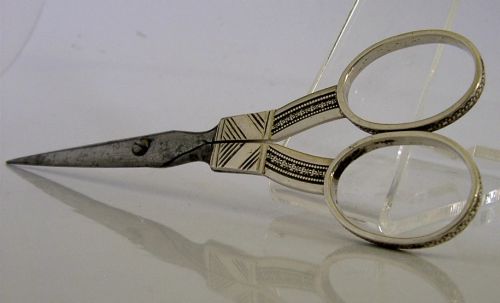
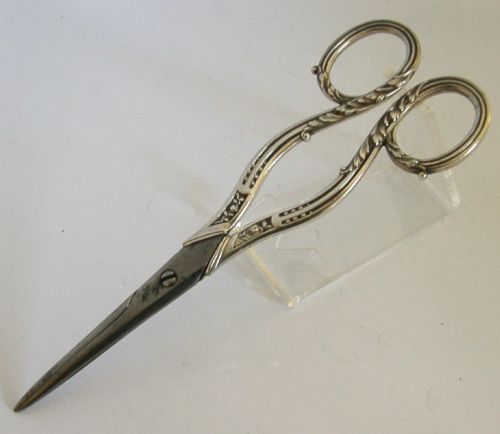
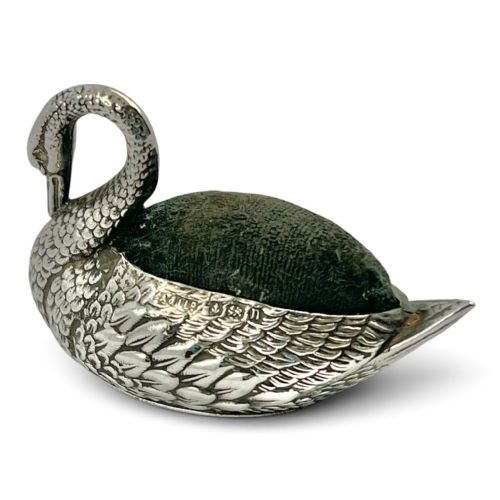
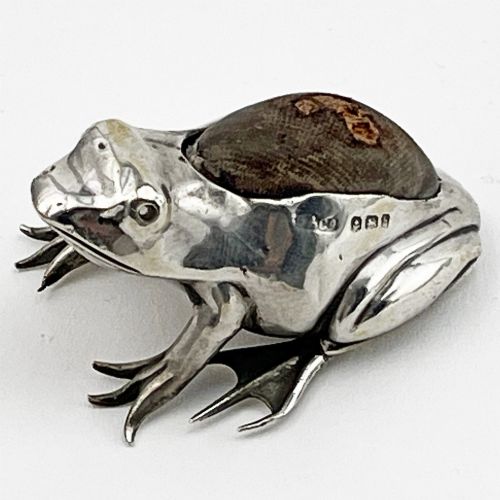
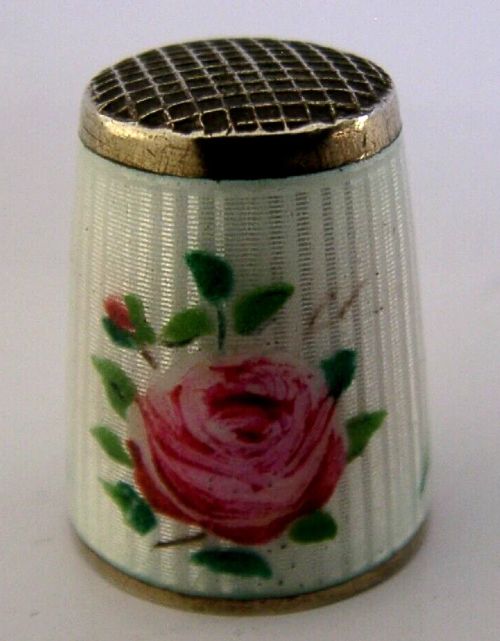
Antique silver sewing tools encompass figural pin cushions, enamel thimbles and chatelaine accessories that bring tactile utility to a desk.
Antique Silver Sewing
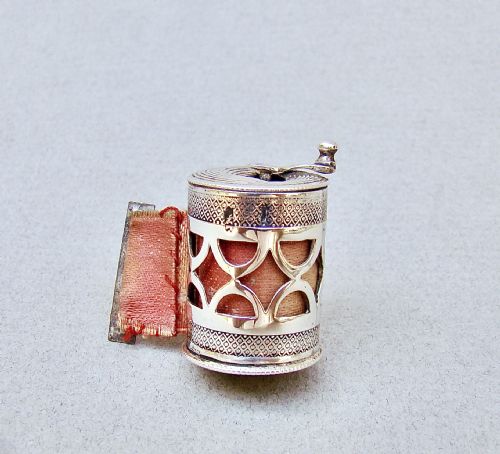
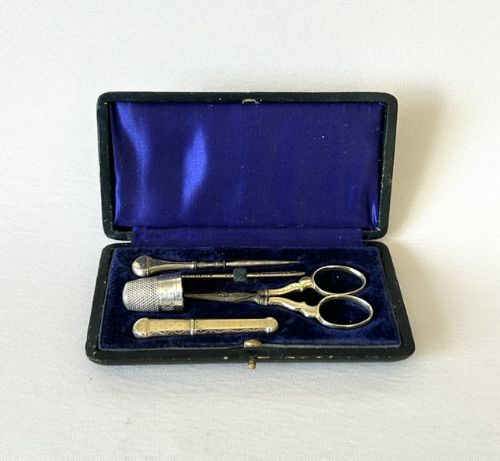
Antique silver sewing pieces comprise functional implements and desktop accessories produced primarily during the Victorian and Edwardian eras, spanning from delicate thimbles to substantial thread holders. Buyers encounter these items as individual tools or complete compendiums housed in fitted boxes lined with velvet or silk.
How they were made
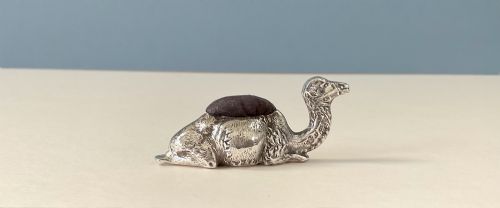
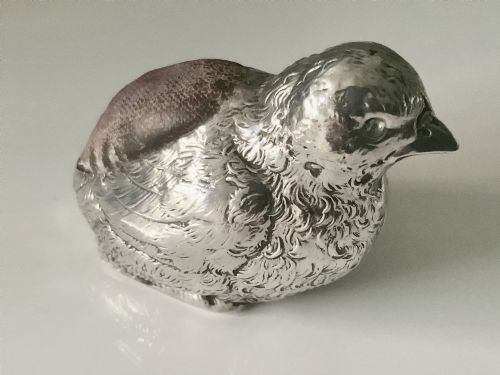
Silversmiths formed these objects using techniques such as stamping, casting and hand-chasing, combining solid silver or silver gilt with steel for functional scissor blades and steel needles. Many novelty pin cushions required intricate hollowware construction to achieve recognisable figural shapes before inserting fabric-covered cushioning.
Makers integrated tactile secondary materials including velvet, silk, leather, corozo nut, agate and stone settings alongside applied enamel work. Protective cases utilised turned wood such as burr yew or fitted leather exteriors lined with fabric to secure delicate internal sewing tools.
What varies in quality
The presence of undamaged guilloché enamel work, original fitted cases and complex mechanisms such as spring-loaded tape measures or chatelaine clips elevates a piece. Surface preservation matters deeply, as delicate silver gilt, fine engraving and intact fabric retain the original character of the tool.
Adie & Lovekin·David Andersen·Walter & George Myers·Charles Horner·Sampson Mordan
The Antique Silver Sewing Glossary
- Chatelaine
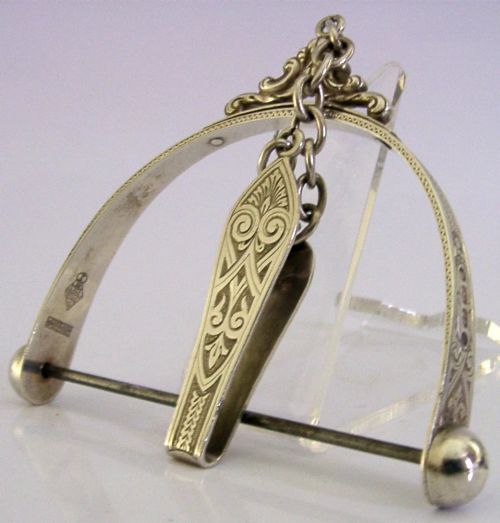
- A decorative belt hook suspended with chains carrying small functional household items such as sewing tools, scissors or needle cases. Wealthy chatelaine owners kept essential implements readily accessible at the waist.
- Pin cushion
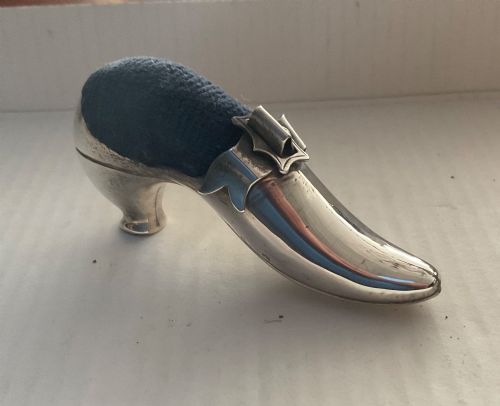
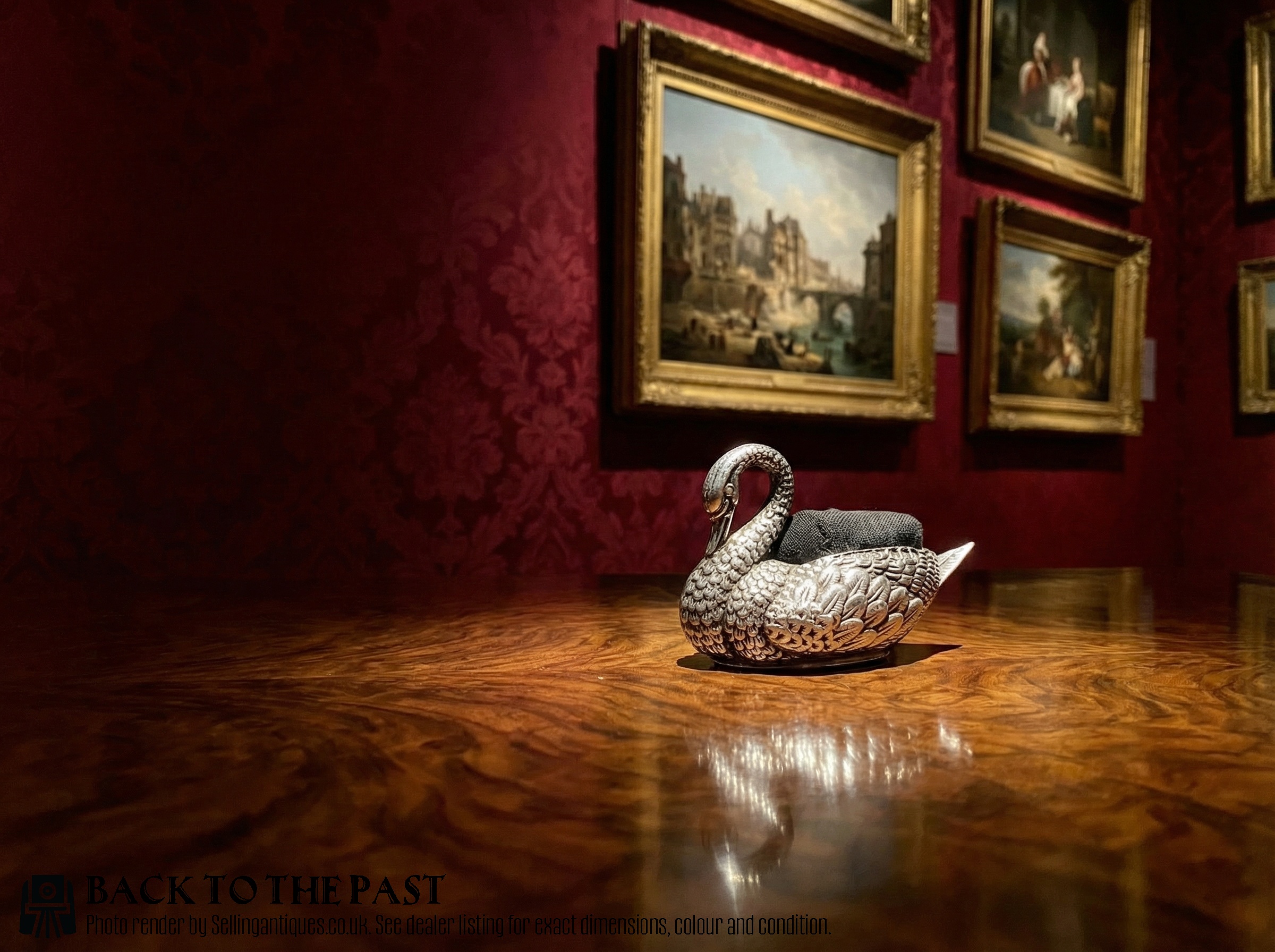
- A stuffed miniature form, frequently fashioned as a novelty animal or shoe, designed to hold dressmaker pins securely in the fabric. These small objects combined domestic utility with whimsical Victorian design.
- Silver gilt
- Silver covered with a thin layer of gold applied through fire gilding or electroplating, providing a warm golden hue over the silver base. This finish protected the underlying metal from tarnishing inside enclosed sewing boxes.
- Etui
- A small ornamental box or case fitted to hold miniature hand sewing implements such as needles, bodkins and small scissors. These portable containers often featured precious metals and stone settings.
- Corozo nut
- The hard, dense seed of the tagua palm, carved and polished to resemble ivory for small containers like thimble cases. It provided a durable, tactile organic material for Victorian pocket accessories.
Antique Silver Sewing: Frequently Asked Questions
What were silver sewing tools used for?
These implements served domestic needlework and embroidery tasks, from measuring fabric and cutting threads to storing needles safely.
Wealthy households utilised decorative chatelaines and fitted sewing boxes to keep essential tools close at hand during needlecraft sessions.
How do I identify a novelty pin cushion?
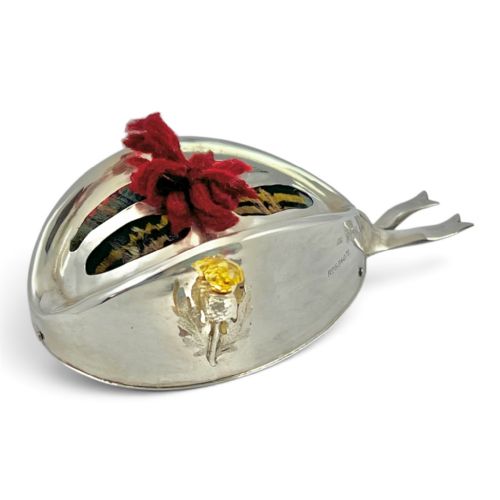
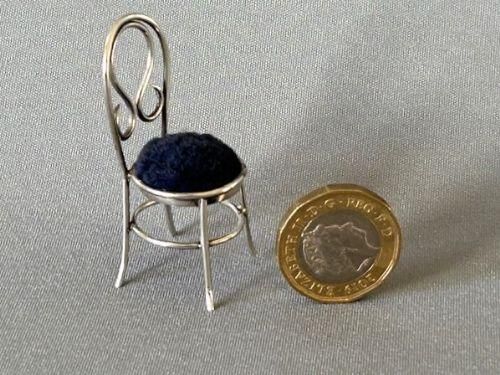
Novelty pin cushions are small silver sculptures shaped as animals, boots, furniture or transport items with a stuffed fabric pad inserted into the body.
Maker's marks and English silver hallmarks stamped on the base typically indicate the manufacturing date and silversmith workshop.
What is a chatelaine accessory?
A chatelaine accessory is a functional sewing tool equipped with a hook or suspension loop designed to hang from a decorative waist belt.
Scissors, needle cases and thimble holders frequently formed part of these suspended suites of household implements.
Are enamel sewing thimbles fragile?
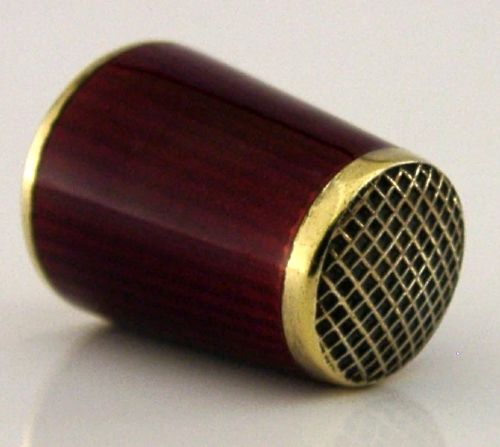
Enamel sewing thimbles feature vitreous glass fused to silver or silver gilt, which requires careful handling to prevent chipping or scratching the surface.
Displaying them in fitted cases or velvet-lined boxes protects the delicate coloured enamel from impact damage.