




Antique Silver Sewing Cushion
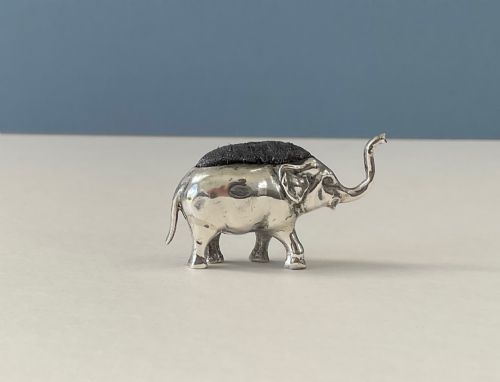
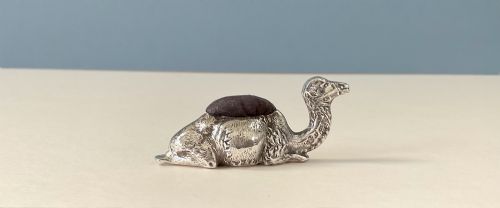
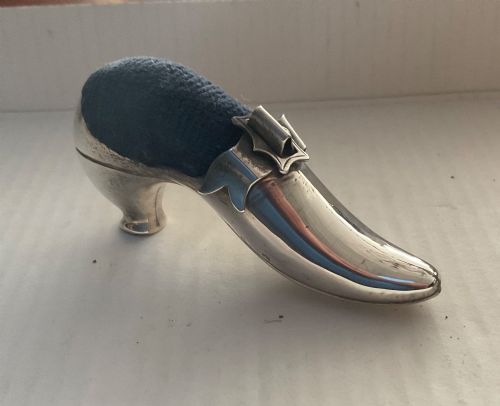
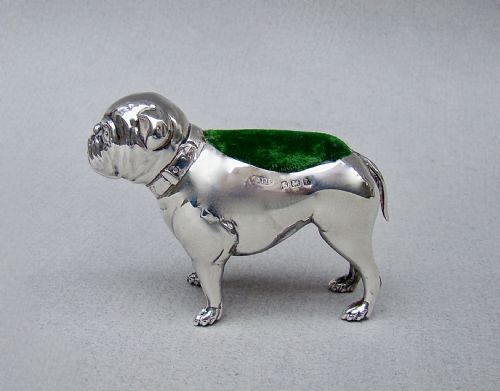
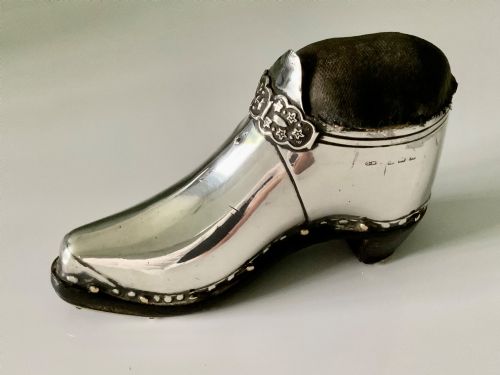
These delightful antique silver sewing cushions take the form of animals, footwear, and vehicles, offering a charming way to keep pins close at hand.
Antique Silver Sewing Cushion
When you search for an antique silver sewing cushion, you encounter small desk and table accessories designed to hold pins and needles during sewing tasks. These pieces frequently double as novelty items shaped into recognisable figures.
The versions most common on this page date from the Edwardian and Victorian eras, spanning periods such as 1900, 1910, and the late nineteenth century. Formats range from simple heart-shaped stands to intricate figural models like birds, pigs, boots, and canoes.
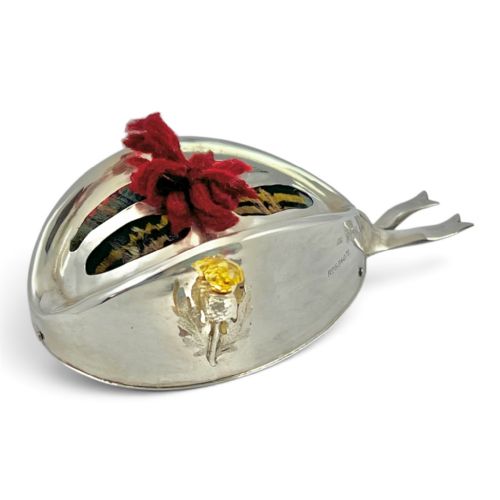
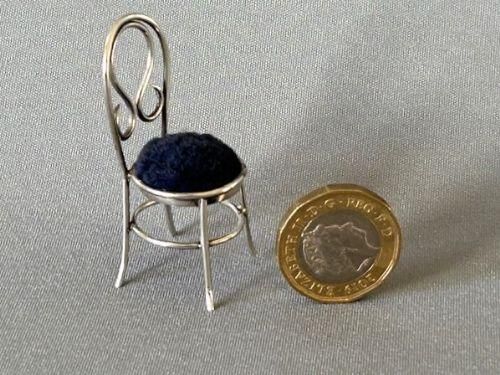
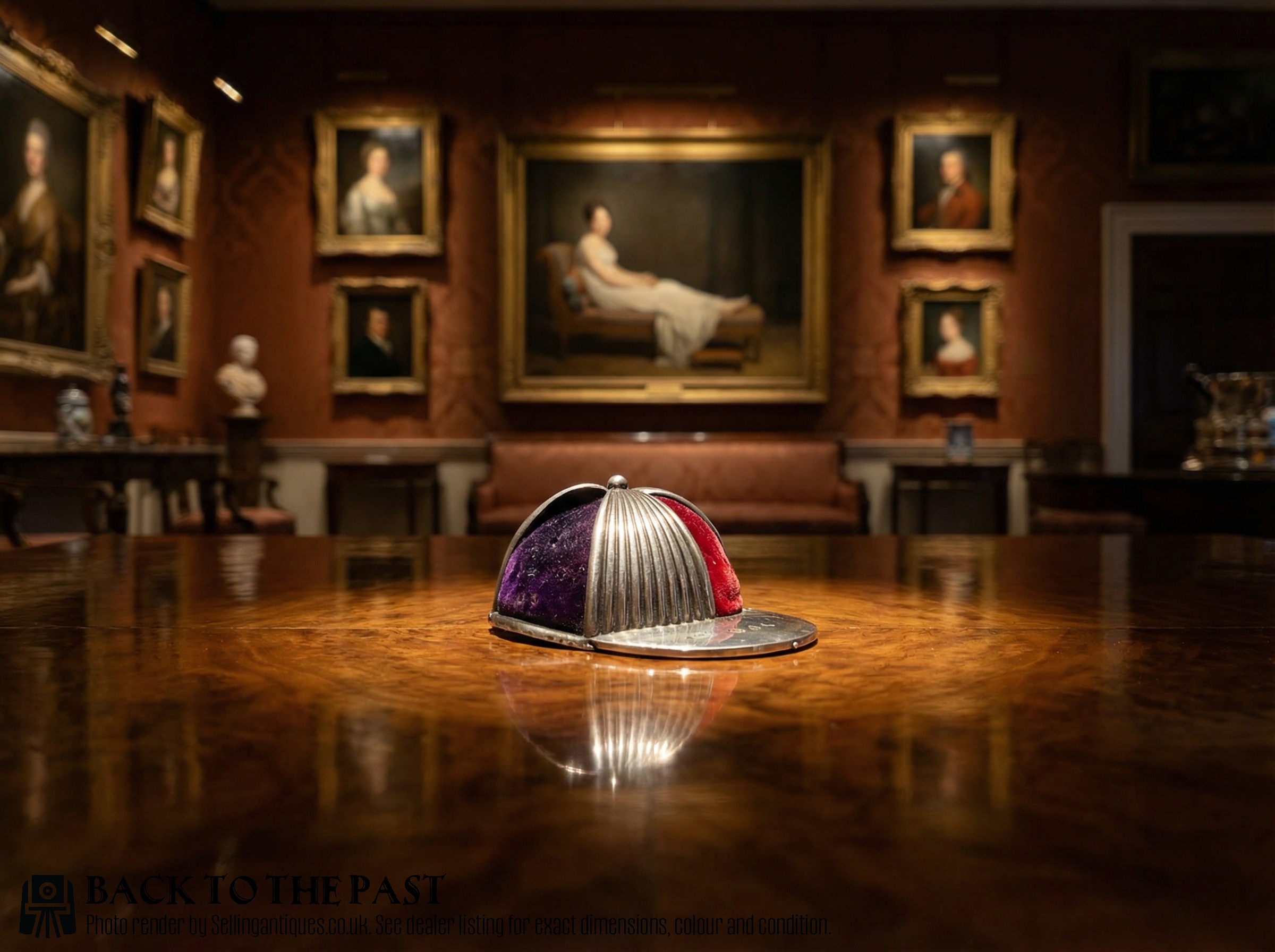
Makers often drew inspiration from everyday objects and wildlife, resulting in miniature representations of salon chairs, railway lamps, wheelbarrows, and glengarry bonnets. Collectors value the variety of animal and novelty forms produced by silversmiths during these decades.
Materials and Construction
Silversmiths constructed the bodies of these sewing cushions using sterling silver or solid silver, shaping them through casting and hand-hammering techniques. Birmingham and Chester assay offices frequently stamped these items upon completion.
The interior padding typically consists of wool, felt, or fabric stuffed firmly inside the silver framework. Velvet provides the traditional top surface into which pins are pushed, often secured tightly against the metal edges.
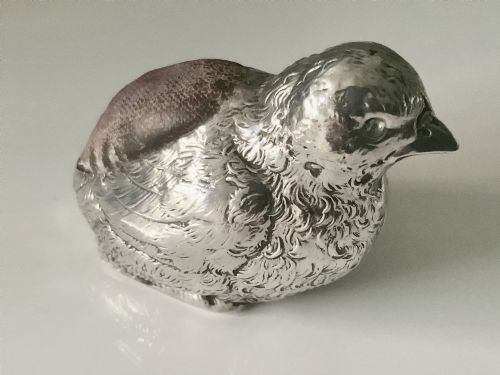
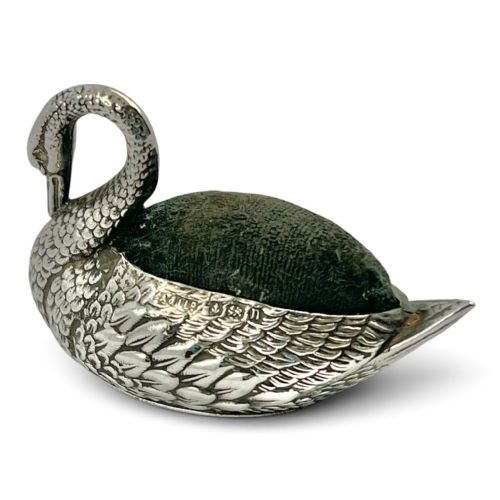
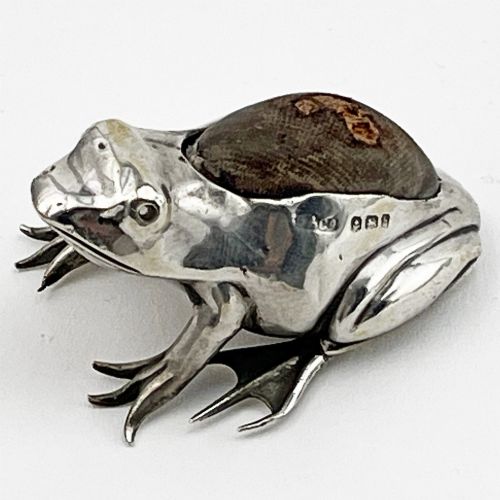
Animal forms dominate the archive and current listings, including pigs, chicks, dogs, frogs, hedgehogs, and camels.
Assessing Quality and Craftsmanship
The condition and originality of the fabric or velvet pad also influence the overall standard of the piece. Firmly stuffed cushions that retain their original textile inserts command greater attention from discerning collectors.
Adie & Lovekin·Sampson Mordan & Co.·George W Shiebler·Artificer's Guild
The Antique Silver Sewing Cushion Glossary
- Novelty silver
- Silver items shaped to resemble animals, humans, or inanimate objects rather than traditional tableware. These pieces were popular decorative novelties during the Victorian and Edwardian periods.
- Hallmark
- A series of official marks stamped onto silver items indicating the maker, assay office, standard of purity, and year of manufacture. Birmingham and Chester are common assay locations found on these pieces.
- Sterling silver
- An alloy of silver containing ninety-two point five percent silver and seven point five percent other metals, usually copper. This standard composition is frequently utilised in the construction of sewing cushions.
- Chasing
- A metalsmithing technique where designs are hammered into the front surface of silver to create raised relief patterns and textures. This method adds fine detail to figures such as birds and animals.
- Assay office
- An organisation charged with testing the purity of precious metal items and applying official hallmarks. Pieces often bear specific town marks indicating where this testing took place.
Antique Silver Sewing Cushion: Frequently Asked Questions
What were antique silver sewing cushions used for?
These items served a practical purpose on sewing tables and desks by holding pins and needles securely during needlework tasks. The padded surface prevented pins from scattering while women engaged in sewing or embroidery.
Beyond simple utility, they functioned as decorative desk ornaments and conversation pieces in Victorian and Edwardian parlours. Their whimsical shapes often reflected the personal tastes or humorous inclinations of the owner.
How do I date an antique silver sewing cushion?
Dating relies primarily on the hallmarks stamped onto the silver body, which indicate the exact assay year and town. Birmingham and Chester offices used specific date letters that correspond to historical assay records.
Stylistic clues also help narrow down the period when hallmarks are rubbed or illegible. Edwardian examples often feature lighter, more playful figural designs, whereas Victorian pieces frequently display heavier classical ornamentation.
Are the velvet cushions usually original?
Many surviving pieces retain their original velvet or fabric inserts, though replacement pads do occur due to wear and tear. Over decades of use, the internal wool or felt stuffing could compress or deteriorate.
Inspect the edges where the fabric meets the silver mount to assess originality. Glues or modern stitching often reveal whether a cushion has been restored or refilled in recent times.
How should I clean silver sewing cushions?
Cleaning requires great care to avoid damaging the delicate fabric or velvet pad set within the metal frame. Standard silver dips should be avoided because liquid chemicals ruin textiles instantly.
Use a soft microfibre cloth to polish the exposed silver gently, taking care not to snag threads on the cushion. Professional silver cleaning cloths help maintain the shine without exposing the fabric to harsh substances.