






Victorian Velvet Pincushion
These Victorian velvet pincushions combine miniature silver or bronze sculpture with soft fabric pads, offering a charming glimpse into nineteenth-century sewing habits.
Victorian Velvet Pincushion
When you search for Victorian velvet pincushion, you encounter small decorative sewing implements designed to hold pins and needles upon a padded surface. The examples on this page span the Victorian and Edwardian periods, stretching into the early twentieth century.
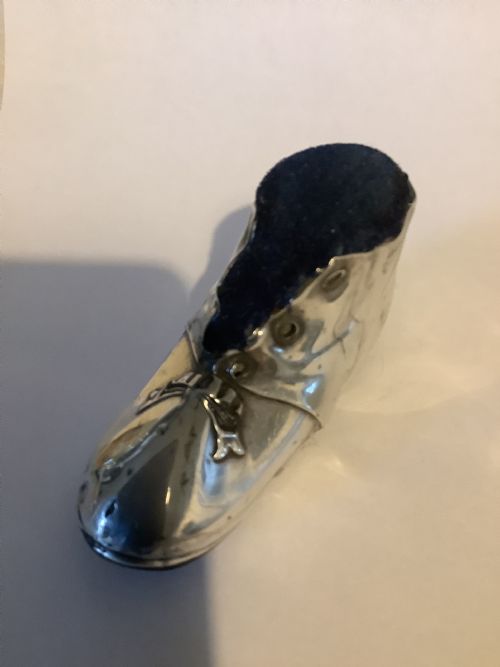
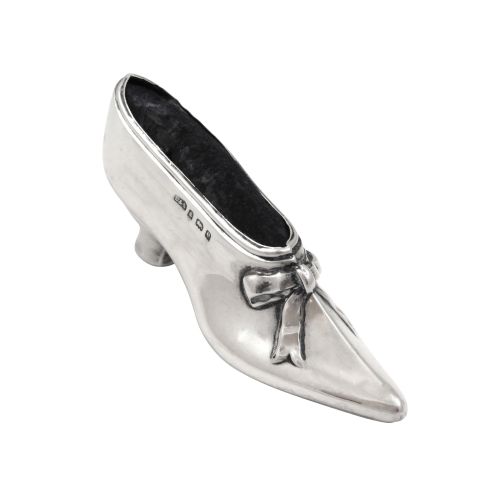
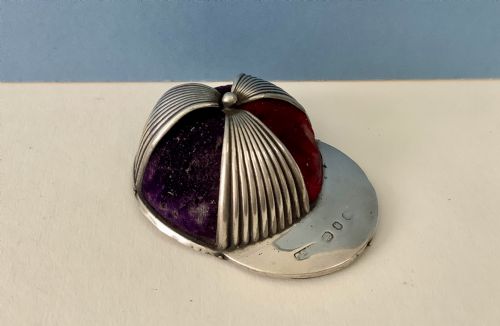
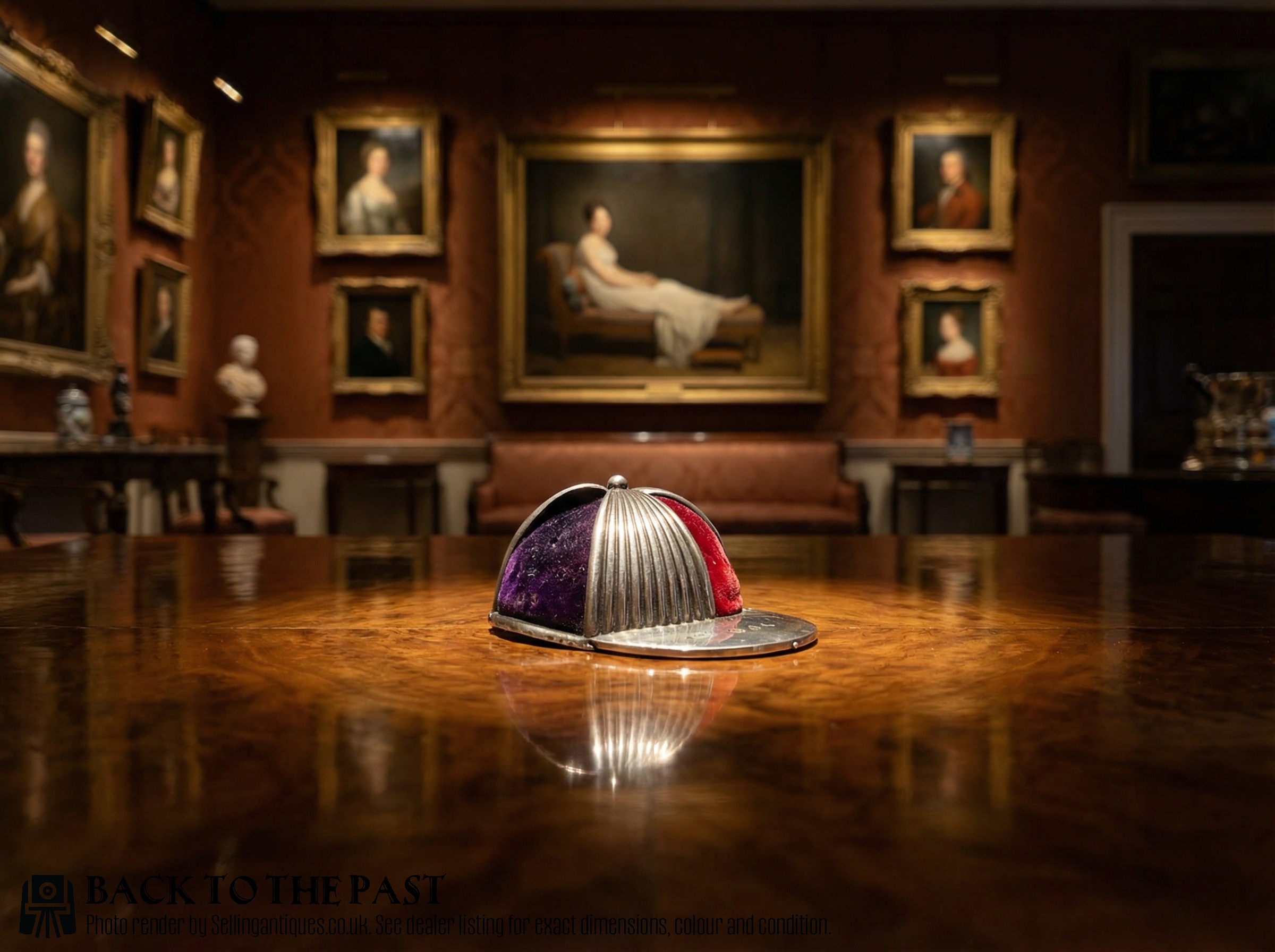
Most pieces combine a sterling silver, plated, or bronze sculptural base with fabric elements. Forms range from whimsical animals and footwear to classical scenes and household objects.
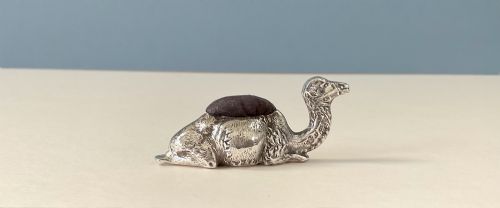
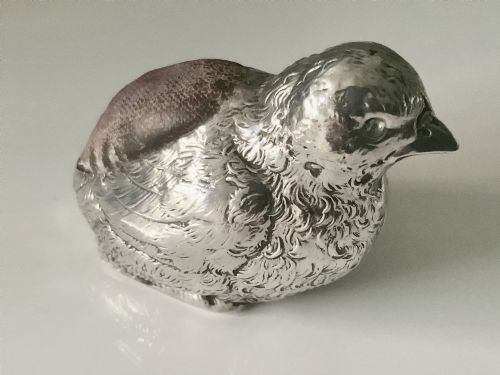
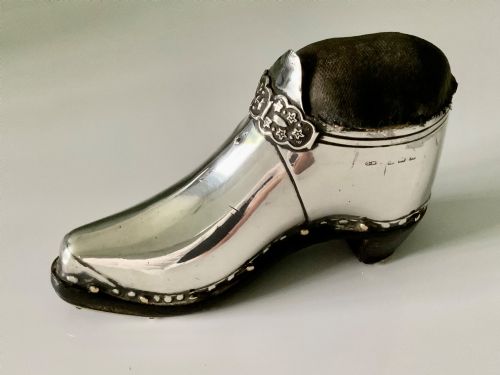
Makers shaped silver into camels, birds, pigs, frogs, and boots, inserting velvet or fabric pads into the metal framework. These items served both a practical purpose on a dressing table and a decorative novelty function.
How they were made
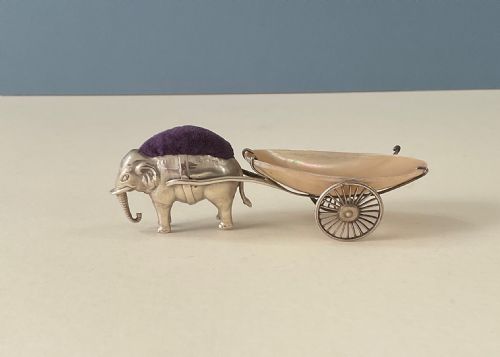
Makers fitted velvet or textile pads securely into the metal housings to hold sewing pins without damaging the points. Some pieces incorporated shell, agate, or glass alongside the core metal structures.
Victorian makers turned everything from sledges and clogs to recumbent pigs into places to stick your sewing pins.
What varies in quality
The complexity of the metal housing and the choice of supplementary materials such as agate or specialised cold-painted bronze finishes also influence the character of each piece.
George W Shiebler
The Victorian Velvet Pincushion Glossary
- Novelty pin cushion
- A pin cushion fashioned into an amusing or recognizable shape, such as an animal, vehicle, or item of clothing. These miniature sculptures were immensely popular for desk and dressing table display.
- Sterling silver
- An alloy of silver containing ninety-two point five percent silver by mass and seven point five percent other metals, usually copper. British pieces typically bear hallmarks indicating the standard and assay office.
- Cold painted bronze
- A method of decorating bronze sculptures with unheated paint, often associated with Austrian workshops. This finish appears on figural animal pin cushions from the period.
- Hallmark
- An official stamp applied by an assay office to precious metal items, indicating purity, origin, and often the year of manufacture. These marks help verify the age and metal content of silver items.
Victorian Velvet Pincushion: Frequently Asked Questions
What were Victorian velvet pincushions used for?
These pieces served as functional accessories on dressing tables and sewing desks to keep pins and needles organised and close at hand.
At the same time, their sculptural forms provided a decorative novelty element that reflected the owner's taste and the Victorian enthusiasm for miniature ornamentation.
How do I date a silver pin cushion?
Dating relies heavily on official hallmarks stamped into the metal, which indicate the assay office and the year of manufacture. Stylistic markers, such as Edwardian novelty designs or Victorian classical motifs, also help narrow down the period.
The materials used, including specific types of velvet and underlying metals, offer further clues to the era of production.
How should I care for antique velvet?
Velvet pads require gentle handling to preserve the pile of the fabric and prevent the accumulation of dust or moisture. Keeping the pieces in a stable environment away from direct sunlight protects both the textile and the metalwork.
Avoid using liquid cleaners on the fabric components when maintaining the surrounding silver or bronze.