




Antique Silver Serveware
Antique silver serveware brings heavy-gauge utility and period craftsmanship directly to the dining table.
Antique Silver Serveware
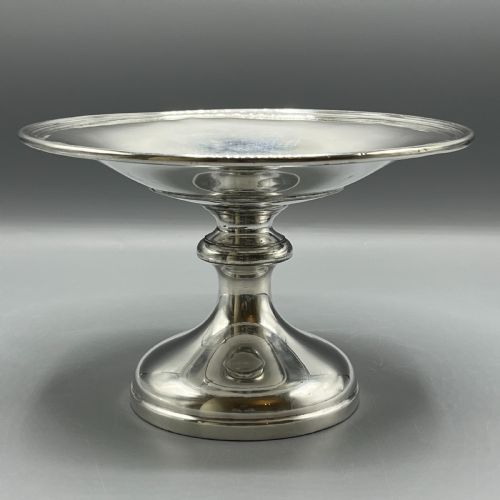
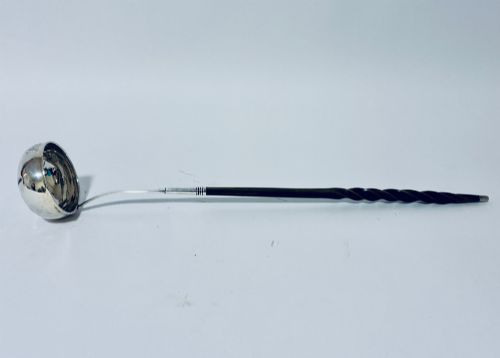
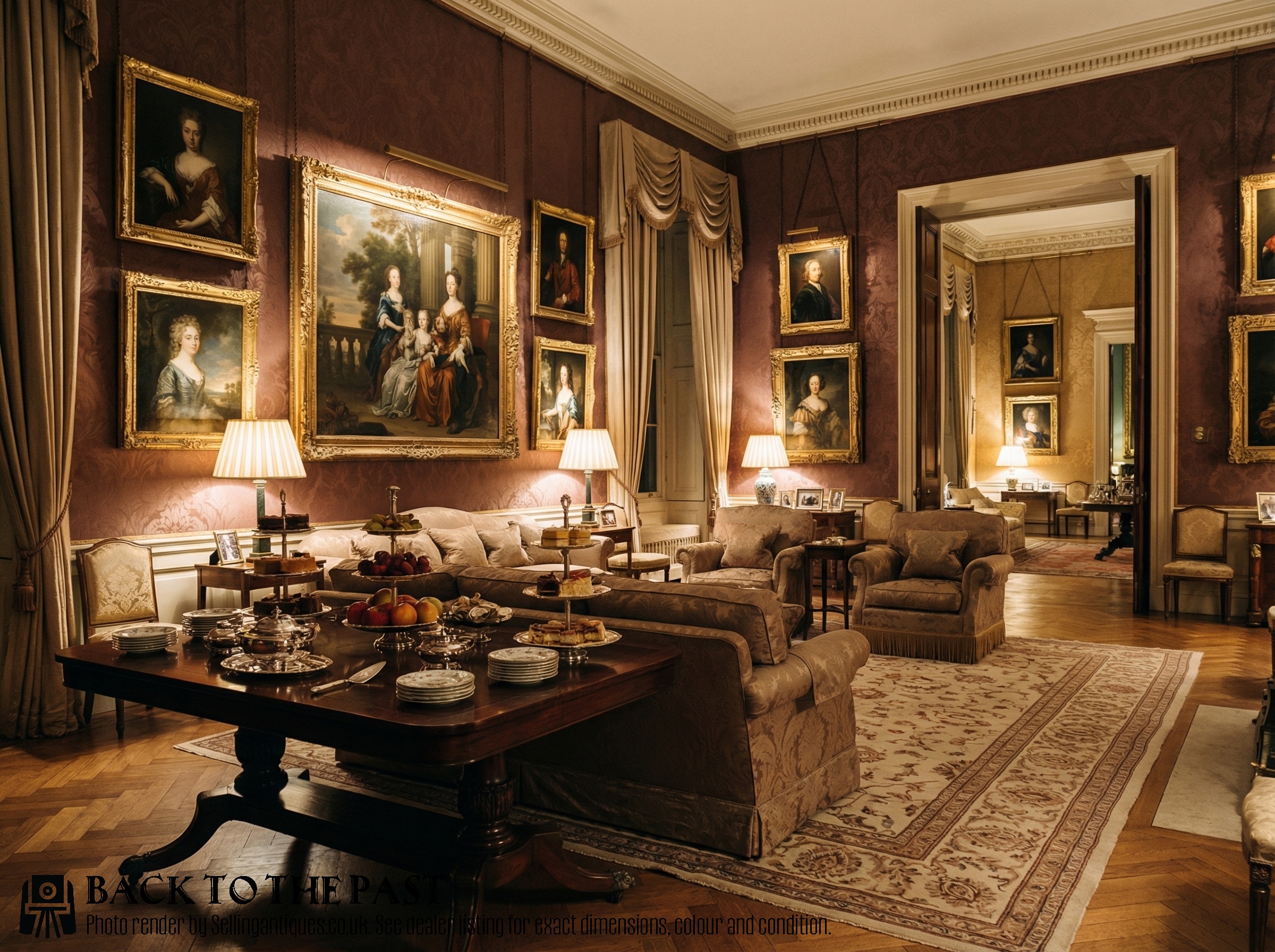
Antique silver serveware encompasses utilitarian table pieces designed for formal dining across the Georgian, Victorian, and Edwardian eras. The selection on this page consists predominantly of silver-plated and sterling silver items intended for the transfer of food.
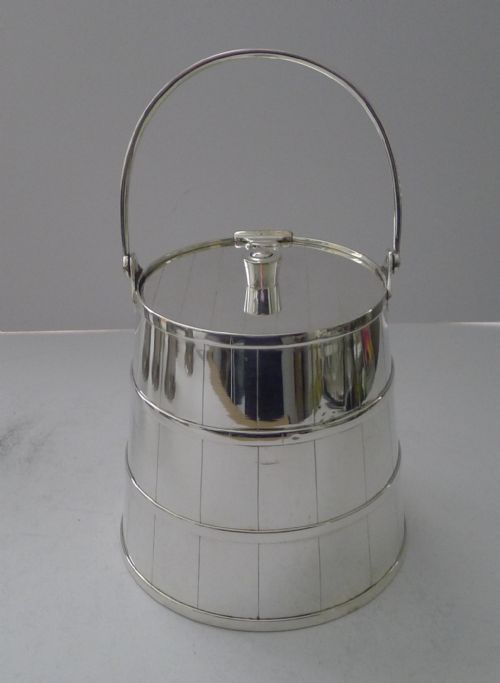
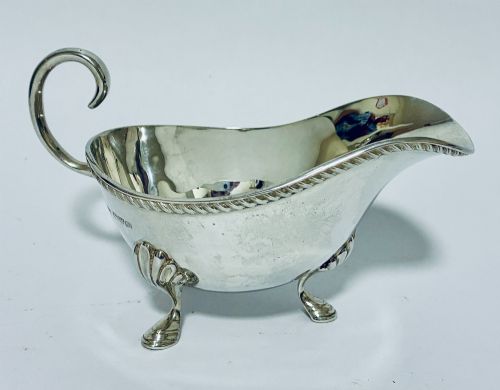
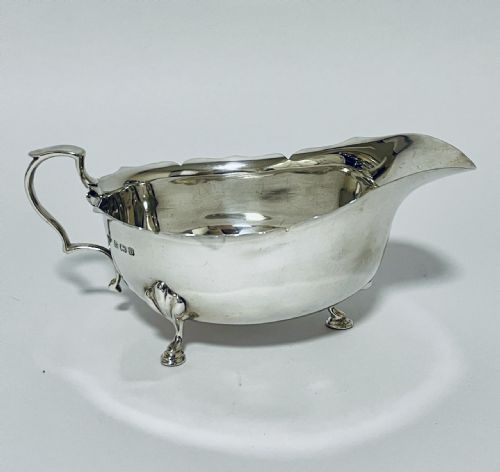
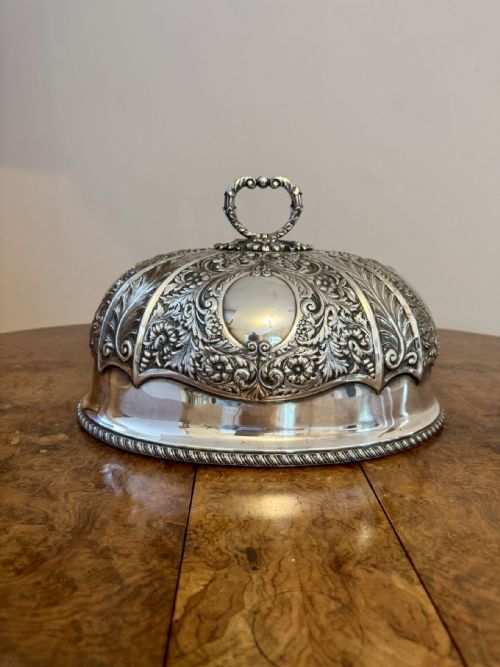
Buyers will encounter specific serving forms including sauce boats, toast racks, entree dishes, and biscuit barrels. These objects originate from British workshops and international makers spanning the eighteenth, nineteenth, and early twentieth centuries.
The assortment reflects the dining customs of past decades, showing specialised vessels for butter, eggs, fish, and meat. Solid sterling pieces appear alongside electroplated nickel silver alternatives produced to meet middle-class demand for lavish table settings.

Materials and Techniques
Makers utilised solid sterling silver for high-status commissions, stamping hallmarks to record the assay office, date, and maker's mark. Silver plate and electroplated nickel silver rely on a base metal core coated with a thin layer of pure silver through electrochemical processes.
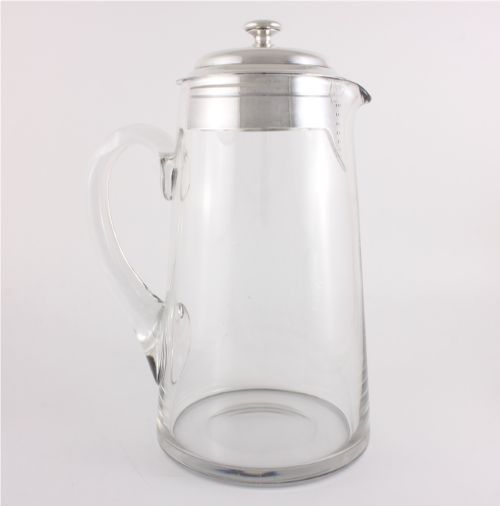
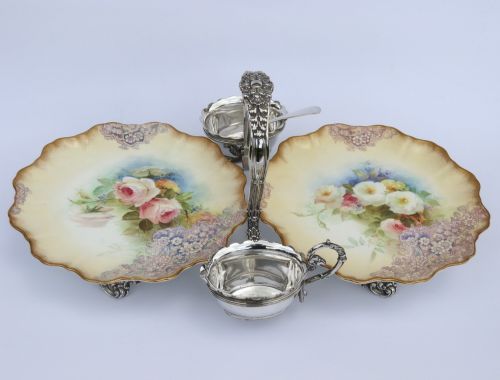
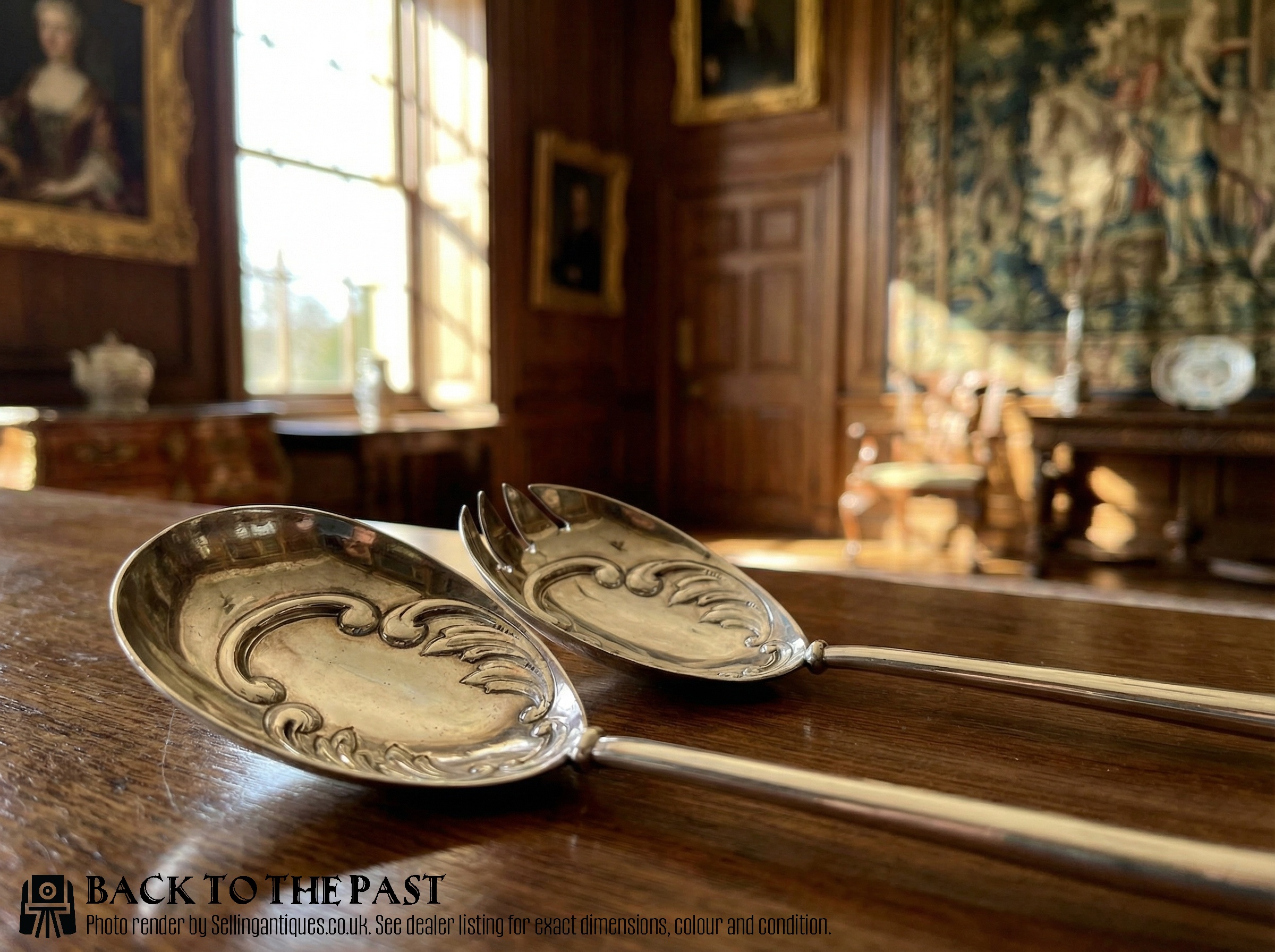
Glass liners, mother-of-pearl handles, and ceramic components frequently accompany the metalwork in butter dishes, fruit knives, and preserve sets. Artisans shaped these materials using casting, hammering, piercing, and extensive hand-engraving to achieve decorative borders and crests.
Antique Silver Serveware Retail Price Guide 2026
Typical asking prices for silver serveware among the pieces listed under this phrase on Sellingantiques today, from the lower quarter to the upper quarter. They describe what is for sale here now, not the wider market.
Listings span four distinct periods: Georgian, Victorian, Edwardian, and the early twentieth century.
Craftsmanship and Weight
Quality separates mass-produced plated items from substantial works executed by premier manufacturing silversmiths. Gauge thickness dictates durability, while crispness in chased or engraved ornament reveals the skill of the artisan.
Integrity of the silver coating over base metal influences long-term appearance, as does the survival of original components such as glass inserts and ivory or mother-of-pearl fittings. Maker attribution to notable firms commands higher regard among collectors.
Walker and Hall·Padley Parkin and Staniforth·Mappin and Webb·Tiffany and Co·Martin Hall and Co·William Grundy·Roberts and Belk·Elkington
The Antique Silver Serveware Glossary
- EPNS
- Electroplated Nickel Silver. This designates a base metal alloy coated with a layer of silver.
- Entree Dish
- A covered vessel used for serving principal courses at the dining table. These pieces often feature removable handles for versatile stacking.
- Toast Rack
- A table stand with vertical dividers designed to hold slices of toast upright. Victorian and Edwardian examples showcase wirework and novelty forms like wishbones.
- Spoon Warmer
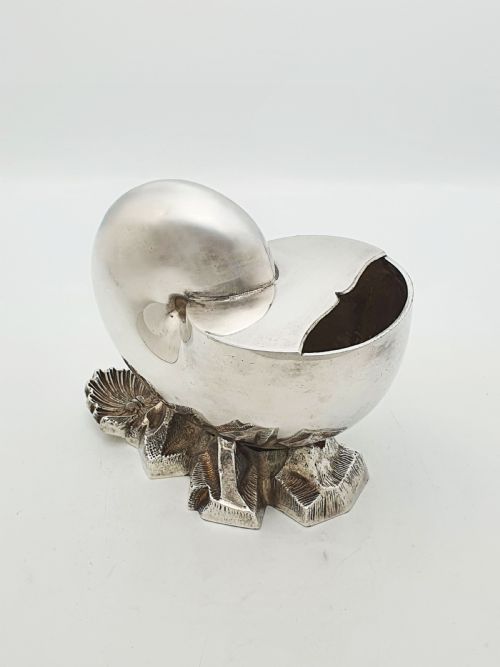
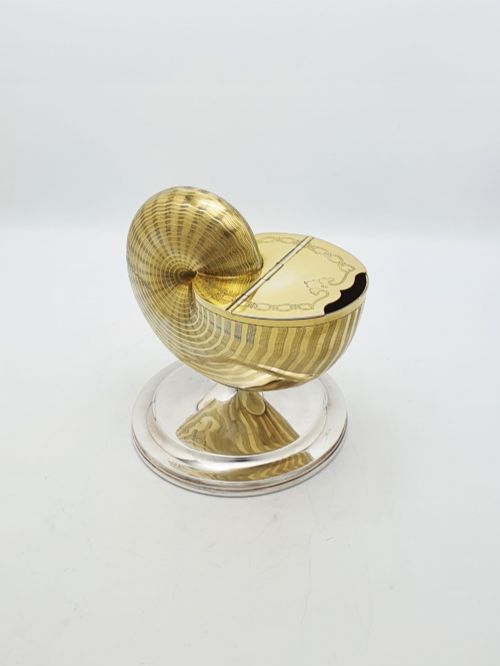
- A Victorian vessel filled with hot water to keep serving spoons warm during multi-course meals. These take decorative shapes such as nautilus shells.
Antique Silver Serveware: Frequently Asked Questions
How do I clean antique silver serveware?
Wash pieces gently in warm water with mild soap using a soft cloth, avoiding harsh chemical dips that strip patination. Dry thoroughly with a lint-free towel to prevent water spots.
Store items in tarnish-resistant cloths or bags when not in regular use on the dining table.
Can I use silver plated items daily?
Silver plate handles everyday dining well provided acidic foods are not left sitting on the surface for extended periods. Hand washing preserves the plating against the abrasive environment of modern dishwashers.
Regular gentle use actually helps maintain a pleasing lustre across the metal surface.
What is the difference between sterling and plate?
Sterling silver consists of solid precious metal alloyed for strength, carrying official hallmarks that prove its purity and origin. Silver plate has a base metal foundation coated with a thin outer layer of pure silver.
Plate offers the visual appeal of silver at a lower material cost.