



Antique Silver Salt Shaker
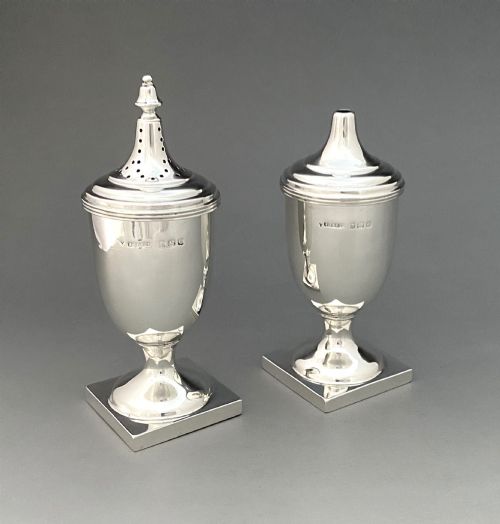
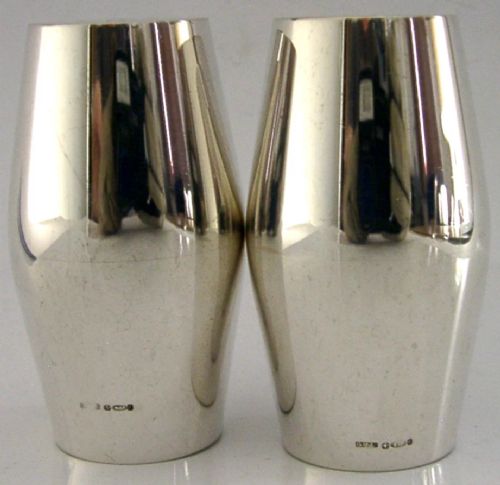
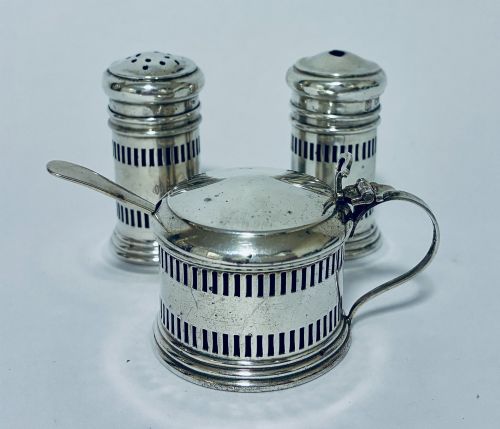
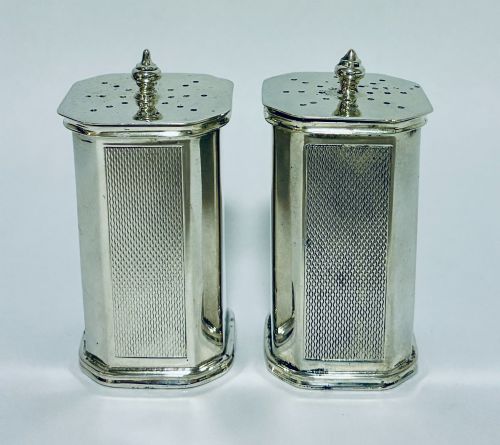
An antique silver salt shaker brings functional elegance to the dining table, taking forms from simple classical casters to whimsical animals.

Antique Silver Salt Shaker
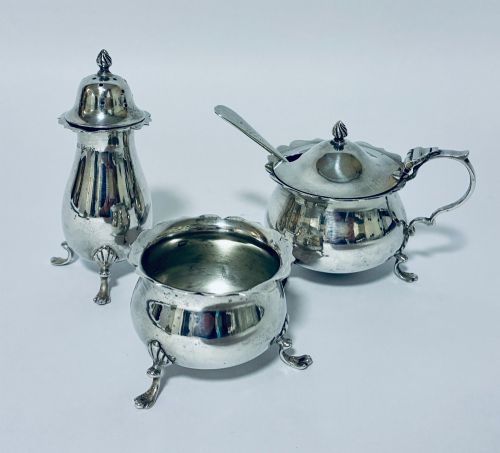
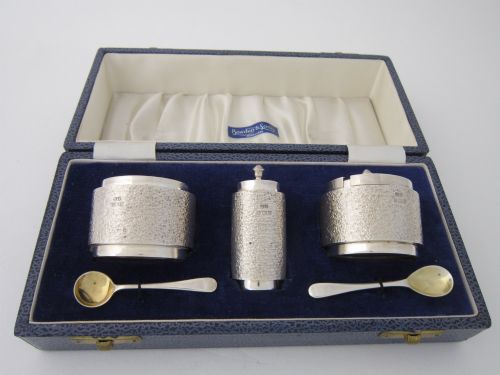
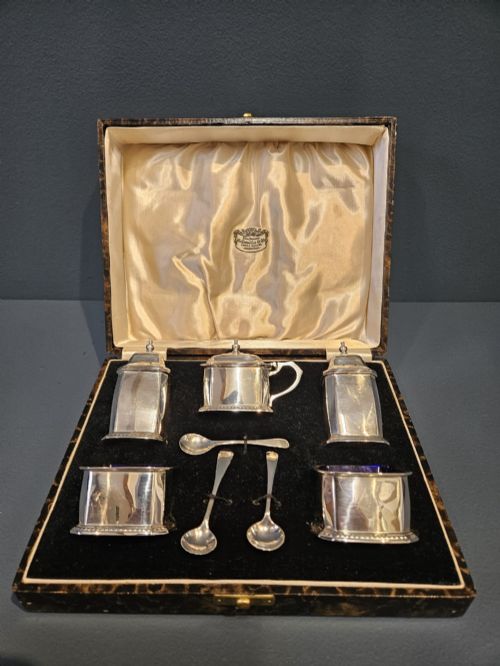
When you search for an antique silver salt shaker, you encounter individual shakers, pairs, and pieces housed within larger condiment sets, cruet sets, and table salt collections.
The objects span production from the Georgian period through the Victorian, Edwardian, and Art Deco eras, reaching into mid-century British and international workshops.
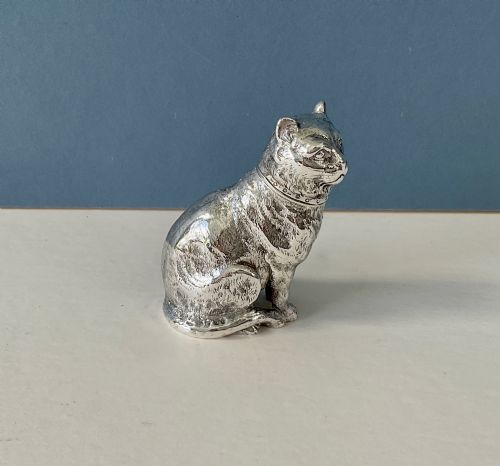
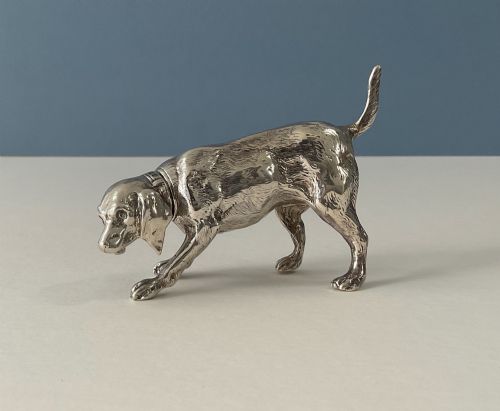
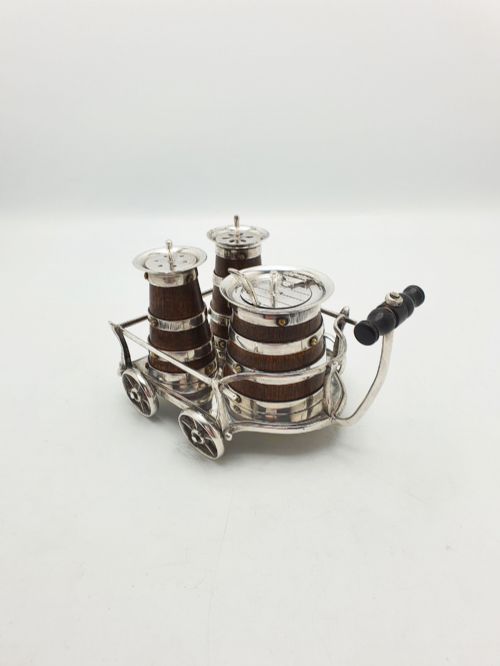
You meet simple cast silver pots alongside silver-plated oak barrels, carriage frames, and naturalistic animal forms such as owls, chicks, and pheasants.
Materials and Construction
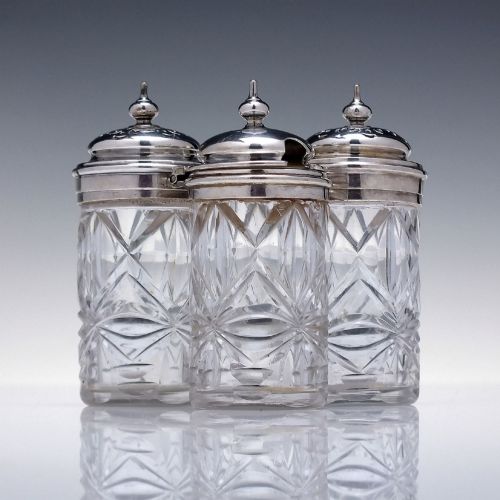
The pieces combine sterling silver, solid silver, and silver plate with cut glass, enamel, velvet, and satin liners.
Cruet frames and stands integrate metal mounts with fitted glass bottles and jars, secured by hinged handles and collars.
Antique Silver Salt Shaker Retail Price Guide 2026
Typical asking prices for silver salt shaker among the pieces listed under this phrase on Sellingantiques today, from the lower quarter to the upper quarter. They describe what is for sale here now, not the wider market.
Mr Punch's dog Toby stands ready to dispense seasoning from his silver belly.
Assessing the Pieces
The integrity of the construction distinguishes standard production from superior work, seen in the weight of the metal, the secure fit of screw caps, and the clarity of cut glass liners.
Sampson Mordan·Thomas Johnson·Wilmot Manufacturing Co·Berthold Muller·Mappin & Webb·Viners
The Antique Silver Salt Shaker Glossary
- Cruet set
- A fitted stand holding multiple bottles, cruets, and shakers for condiments such as oil, vinegar, salt, and pepper.
- Caster
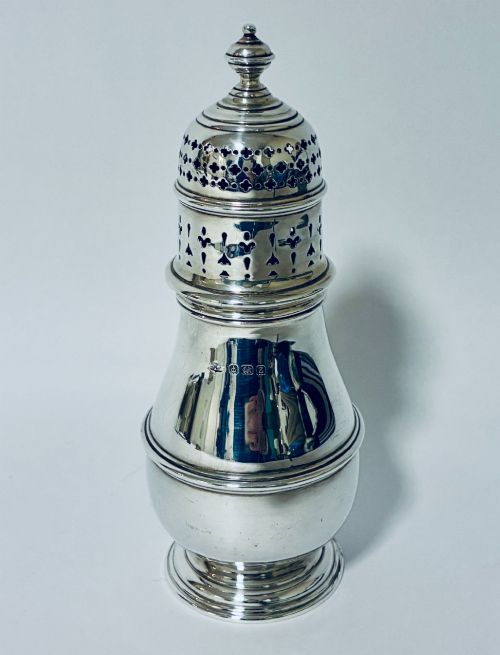
- A tall table vessel with a perforated top used for sprinkling sugar, salt, or pepper over food.
- Salt tub
- An open cellar container designed to hold loose salt, often accompanied by a small spoon or ladle.
- Novelty pepper
- A shaker modelled in a fanciful shape, such as an animal, bird, or literary character.
- Silver plate
- A base metal coated with a thin layer of silver, common in larger nineteenth-century cruet frames.
Antique Silver Salt Shaker: Frequently Asked Questions
How do I clean antique silver?
Clean silver using a soft cloth and a specialised silver polish formulated to remove tarnish without abrading the surface details. Avoid harsh chemical dips, particularly on pieces with enamel or glass components.
After polishing, rinse the item thoroughly in warm soapy water and dry it completely with a lint-free cloth to prevent spotting.
Were these shakers used for salt?
Most early shakers were designed as pepper pots or casters, because salt was traditionally served in open cellars where guests pinched it out.
Shakers designed specifically for free-flowing table salt became more common in the twentieth century as anti-caking agents were introduced.
How do I date an antique shaker?
Examine the piece for hallmarks, which typically include a maker's mark, a standard mark indicating silver purity, and a date letter corresponding to the assay office.
Style also indicates age, with Georgian pieces showing neoclassical restraint, Victorian pieces favouring ornate or novelty designs, and Art Deco pieces displaying geometric lines.
Can I use these for daily dining?
Solid silver and plated shakers function well for everyday dining provided they are emptied and cleaned after use to prevent corrosion from salt and moisture.
Ensure that glass liners and screw caps are handled carefully to avoid chipping the antique materials during refilling.