


Antique Silver Rat Tail
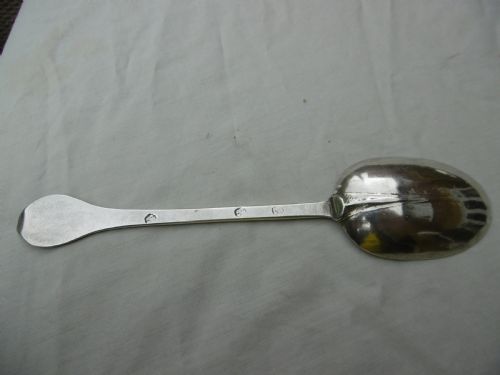
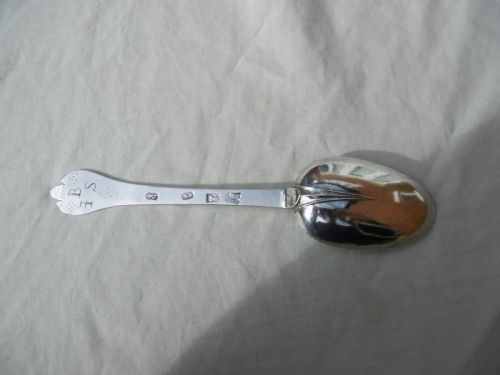
Antique silver rat tail cutlery brings tangible history to the table, featuring the distinctive spine running down the reverse of the bowl for reinforcement.
Antique Silver Rat Tail
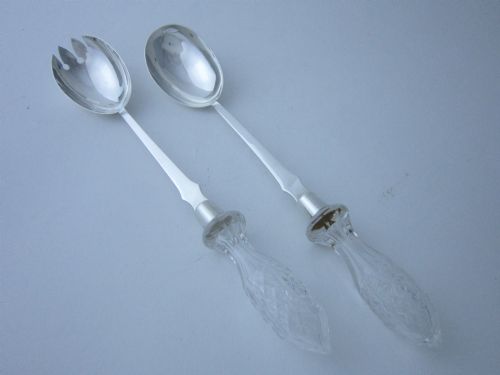
When searching for antique silver rat tail, you encounter items primarily spanning the late seventeenth century through the early eighteenth century, alongside later Edwardian and Victorian revivals. Spoons form the core of what surfaces, including trefid, dognose, marrow, and basting spoons, often executed in sterling or Britannia standard silver.
The earlier pieces connect directly to the reigns of William III, Queen Anne, and George I, showcasing provincial English and Scottish craftsmanship alongside London work. Later examples from the Edwardian period or the early twentieth century adapt these traditional forms into salad servers and cased canteen sets, blending historical utility with subsequent revival tastes.
Materials and construction
Silversmiths forged these items predominantly from sterling silver and Britannia standard silver, hammering the metal to achieve the characteristic central spine that strengthens the bowl-handle junction. This ridge, known as the rat tail, was soldered or drawn directly from the handle metal to reinforce the joint under heavy daily use.
Selected pieces incorporate secondary materials such as wood and cut glass, particularly in serving items like salad servers where glass bowls meet silver rat tail shafts. Hallmarks stamped directly into the silver record the maker's mark, standard, and assay office, grounding each piece in its specific year of production.
Listings span multiple centuries, uniting seventeenth-century trefid spoons with Edwardian salad servers through the shared rat tail motif.
Assessing quality and craftsmanship
Quality rests on the crispness of the rat tail ridge and the legibility of the hallmarks stamped into the stem or reverse of the handle. Crisp definition along the spine and clear maker's marks indicate minimal wear from centuries of polishing and handling.
The weight and balance of the spoon also separate standard domestic items from masterwork provincial or London pieces. Substantial gauge silver provides a reassuring heft in the hand, while finely engraved crests or monograms add provenance without compromising the structural integrity of the bowl.
William Penstone·William Scarlett·Isaac Davenport·Benjamin Watts·John Smith·James Tait·John Pike·Richard Rae·J Ladyman·Peter Webb
The Antique Silver Rat Tail Glossary
- Rat tail
- A strengthening spine or tongue of metal extending down the back of a spoon bowl. This feature prevents the handle from snapping away from the bowl during use.
- Trefid
- An early form of spoon handle with a three-lobed terminal, popular in the late seventeenth century. It frequently appears alongside the rat tail reinforcement.
- Dognose
- A transitional spoon style featuring a rounded, upturned terminal that evolved from the trefid shape around the turn of the eighteenth century. It is sometimes called a harness-back or rounded end spoon.
- Britannia standard
- A purer silver alloy introduced by English legislation to curb the melting of coinage. It contains ninety-five point eight percent silver.
- Basting spoon
- A large serving spoon used in the kitchen or at the table for distributing juices. These examples often feature extended handles and substantial weight.
Antique Silver Rat Tail: Frequently Asked Questions
What is a rat tail on silver?
A rat tail is a narrow ridge of metal extending from the handle down the back of a spoon bowl. It provides structural reinforcement to the joint between handle and bowl.
Silversmiths introduced this feature on seventeenth-century cutlery to withstand the physical demands of daily dining before stronger manufacturing techniques developed.
How do I date an antique rat tail spoon?
Dating relies primarily on the hallmarks stamped into the silver, which reveal the assay office, standard, and date letter. Stylistic markers such as trefid terminals or dognose shapes narrow the production era.
Early pieces often feature maker's marks rather than full date letters, requiring comparison against historical maker records to establish a precise timeframe.
What is Britannia standard silver?
Britannia standard is a higher purity silver alloy containing ninety-five point eight percent pure silver, adopted by English law. Parliament mandated this standard to prevent the melting of circulating silver coins into plate.
Items bearing this standard often display the figure of Britannia and a lion's head erased instead of the traditional lion passant.
Can I use antique silver rat tail spoons daily?
Many collectors use eighteenth-century spoons for dining, as solid silver holds up well to careful handling and gentle washing. The sturdy construction intended for daily use centuries ago remains effective today.
Hand washing with mild soap and avoiding abrasive cloths preserves the antique surface and the integrity of the hallmarks.
What is the difference between trefid and dognose spoons?
Trefid spoons feature a flat handle terminal divided into three lobes, typical of the late seventeenth century. Dognose spoons evolved shortly after with a rounded, upturned terminal.
Both styles frequently incorporate the rat tail spine on the reverse of the bowl, bridging the transition between early and mid-Georgian silver design.