




Early 18th Century Spoon
An early 18th century spoon brings centuries of tactile history to the table, offering the substantial weight and distinct bowl shapes of the Queen Anne and Georgian eras.
Early 18th Century Spoon
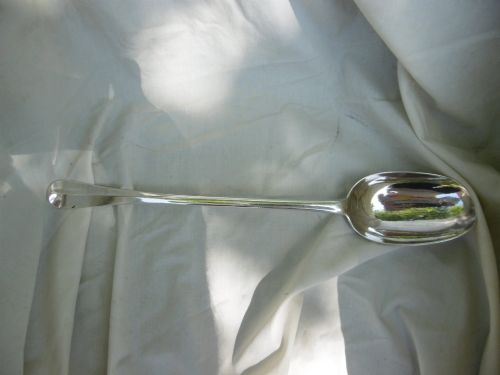
An early 18th century spoon encompasses flatware pieces fashioned during the reigns of Queen Anne and the early Georges, spanning the transition from the seventeenth century into the Georgian period. Buyers seeking these items will find utilitarian and serving implements designed for daily dining or formal service centuries ago.
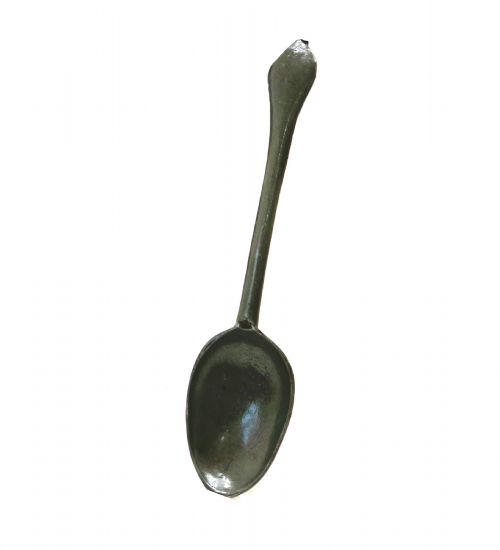
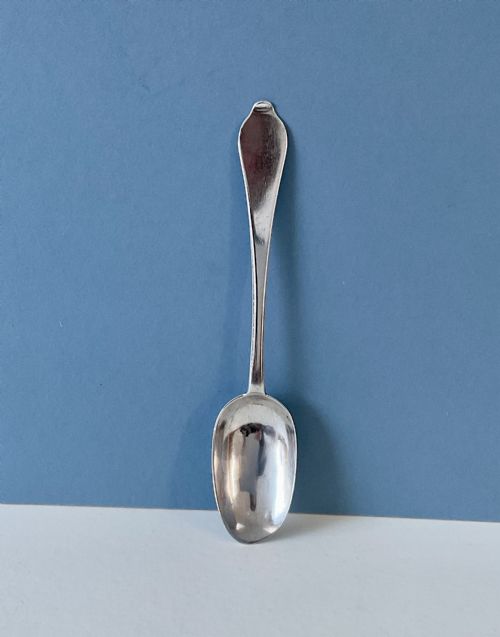
The most common form met on this page is the dognose spoon, alongside tablespoons, hash spoons, and specialised implements such as mote spoons and marrow scoops. These objects originate predominantly from English and Scottish makers, utilising forms shaped by the dining habits of the period.
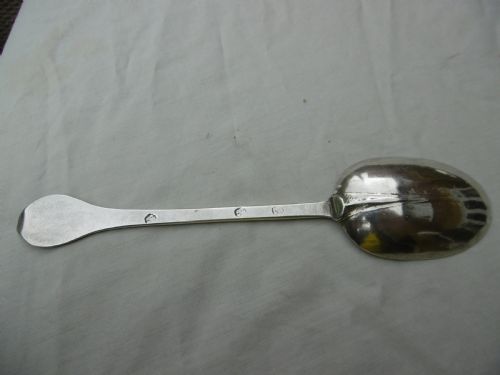
Many examples bear the distinct physical characteristics of their decade of manufacture, including rat-tail reinforcements on the reverse of bowls and early hallmarks indicating origin. These dining items bridge the gap between mediaeval utility and modern tableware.
Materials and construction
Silversmiths constructed the primary pieces from sterling silver and Britannia silver, a higher purity standard enforced during the early eighteenth century to deter coin melting. Craftsmen also shaped domestic wares from pewter and occasionally combined silver with organic elements like cowrie shells.
Makers formed handles and bowls through hammering and shaping metal ingots, applying rat-tail spines down the back of bowls for structural reinforcement. Engraving techniques appear on terminals and stems to display crests, initials, or dates of manufacture.
Listings demonstrate that early eighteenth-century flatware relies heavily on silver and pewter, with Britannia silver appearing alongside standard sterling.
Distinctions in quality
The hierarchy of quality rests upon the clarity of maker marks, town marks, and date letters stamped into the metal, which establish the provenance of each piece. Crispness in the original engraving, such as crests or initials, also separates superior survivals from heavily worn examples.
The integrity of the bowl profile and the retention of original stem thickness determine the longevity and desirability of the item. Pieces retaining their structural heft without excessive polishing command greater interest from collectors.
Andrew Archer·Jeremiah Lee·James Tait·Lawrence Coles·J Ladyman
The Early 18th Century Spoon Glossary
- Dognose spoon
- A spoon style featuring a spatulate terminal with a notched top, popular around the turn of the eighteenth century. This profile evolved directly from the earlier trifid pattern before the rounded Hanoverian handle gained preference.
- Rat-tail
- A tapered tongue of metal extending down the back of a spoon bowl from the stem. This reinforcement strengthens the junction where the handle meets the bowl.
- Britannia silver
- A standard of silver stricter than sterling, introduced by statute in England to regulate plate production. It contains ninety-five point eight percent pure silver and is identified by the figure of Britannia mark.
- Mote spoon
- A small specialised spoon featuring a pierced bowl used for skimming tea leaves and a pointed stem terminal for clearing teapot spouts. These appear frequently in domestic contexts during the Georgian period.
- Marrow scoop
- A narrow, trough-like implement designed for extracting marrow from animal bones at the dining table. They frequently share hallmarks and stylistic traits with contemporaneous spoons.
Early 18th Century Spoon: Frequently Asked Questions
How do I identify an early 18th century spoon?
Examination of the hallmarks stamped on the stem or reverse reveals the assay office, maker, and year of production. Stylistic markers such as dognose terminals and rat-tail bowl attachments also point directly to this era.
Comparison with documented examples helps confirm the period of manufacture. Weight and metal standard provide additional clues to authenticity.
What is the difference between sterling and Britannia silver?
Britannia silver contains a higher proportion of pure silver than sterling, established by law to prevent the melting of coinage for plate. This metal standard appears on pieces made during the early decades of the eighteenth century.
Objects bearing Britannia marks often display a softer lustre and lighter weight relative to later sterling items. The standard reflects specific legislative attempts to control silversmithing practices of the time.
How were these spoons used at the table?
Dining practices of the period involved specific implements for serving communal dishes, consuming thick broths, and portioning food. Hash spoons and large tablespoons fulfilled heavy serving roles before individual place settings became standardised.
Smaller variants handled specialised foodstuffs like marrow or assisted with tea preparation. Their physical heft suits them to robust historical dining routines.
Can I use an antique silver spoon daily?
Gentle hand washing preserves the delicate hallmarks, engraved crests, and original surface patination accumulated over three centuries. Avoid abrasive cleaners and modern dishwashers to protect the soft metal.
Many collectors prefer to display or occasionally dine with these pieces to maintain a connection to their historical function. Careful handling prevents bending the thin bowls and stems.