

Antique Silver Matchbox
When you search for an antique silver matchbox, you are looking at pocket companions and desk holders designed to keep matches dry and ready.
Antique Silver Matchbox
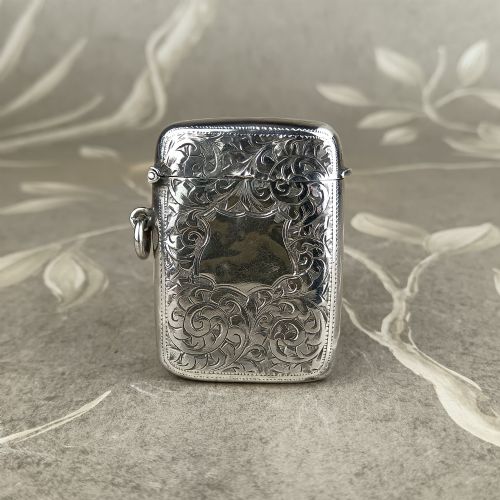
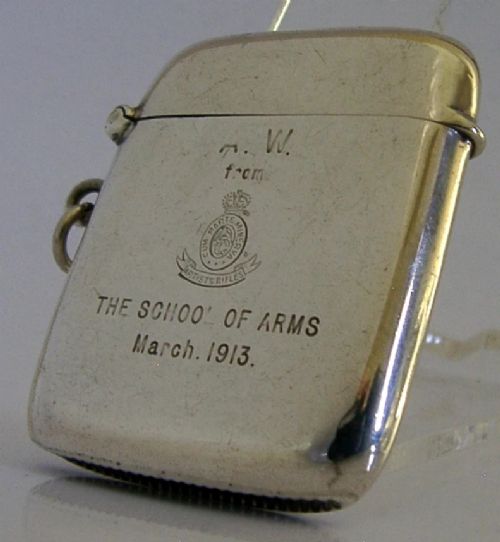
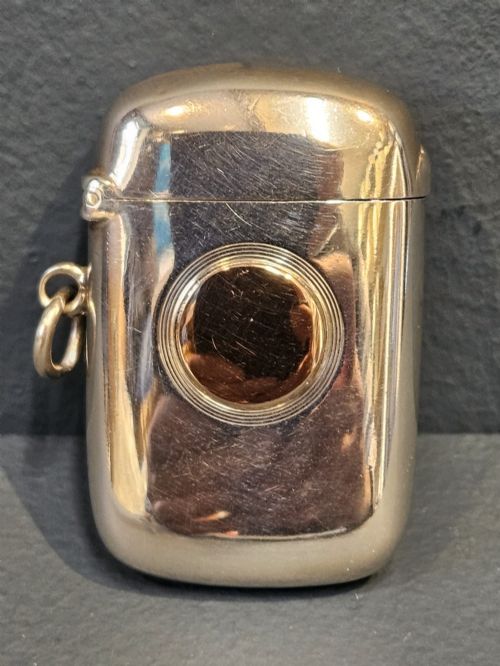
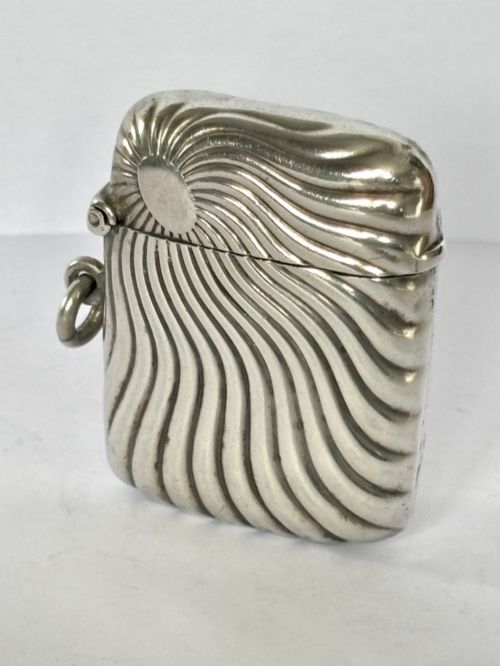
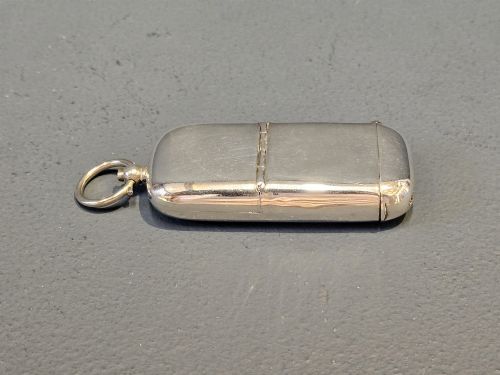
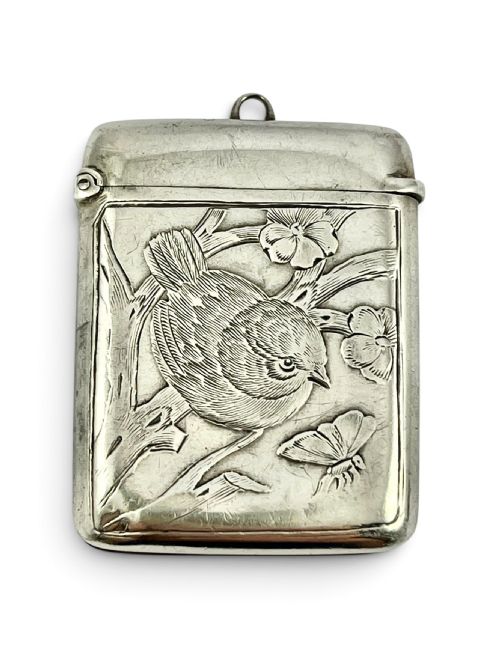
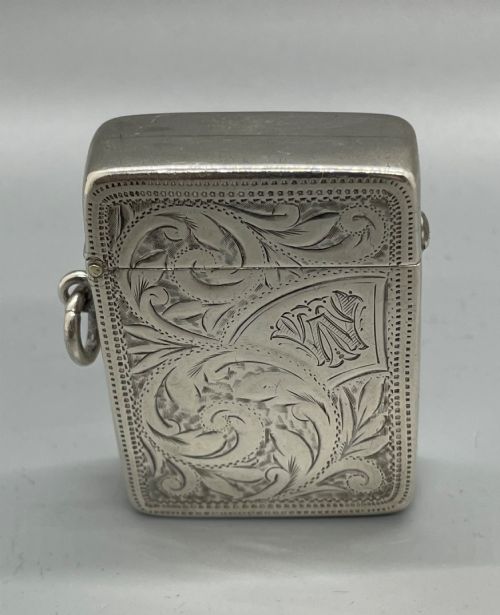
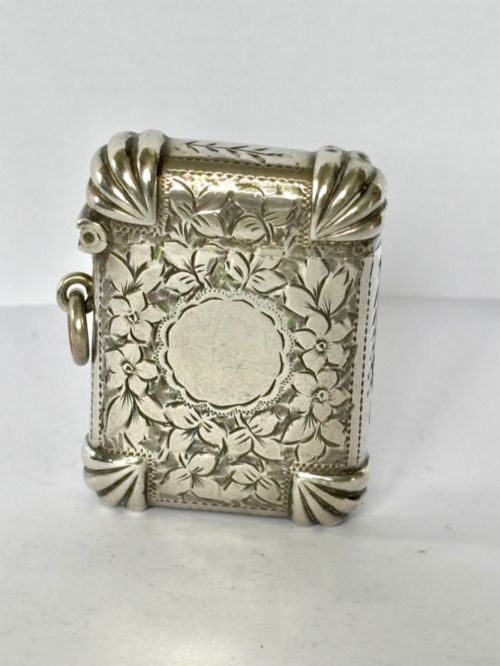
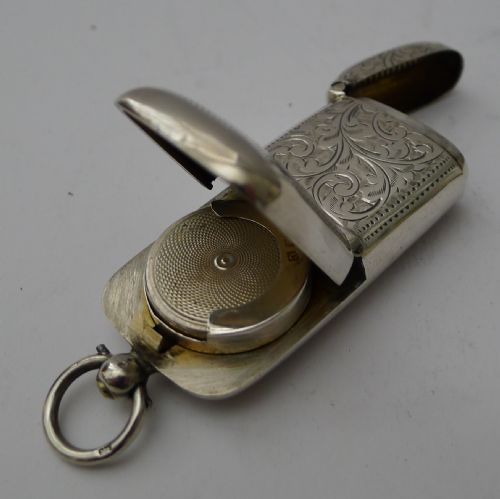
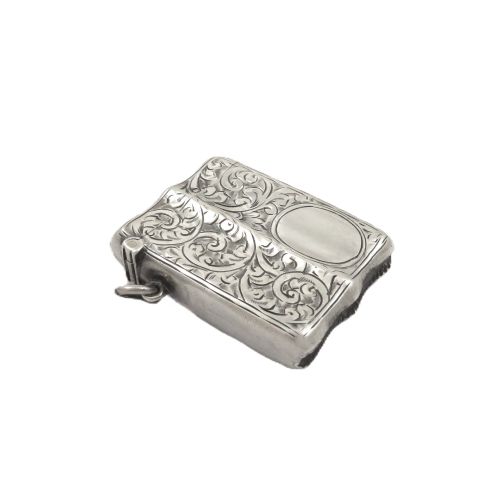
An antique silver matchbox most commonly takes the form of a vesta case, a small pocket container engineered with a textured striking surface on the base for safety matches. These items date primarily from the Victorian and Edwardian eras, extending into the George V period and the 1920s.
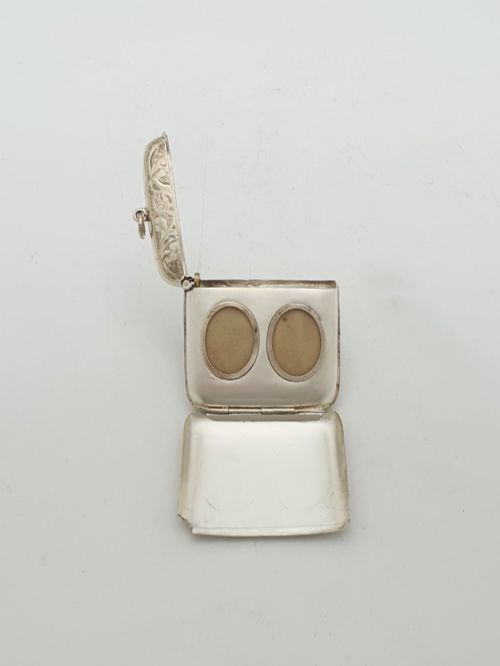
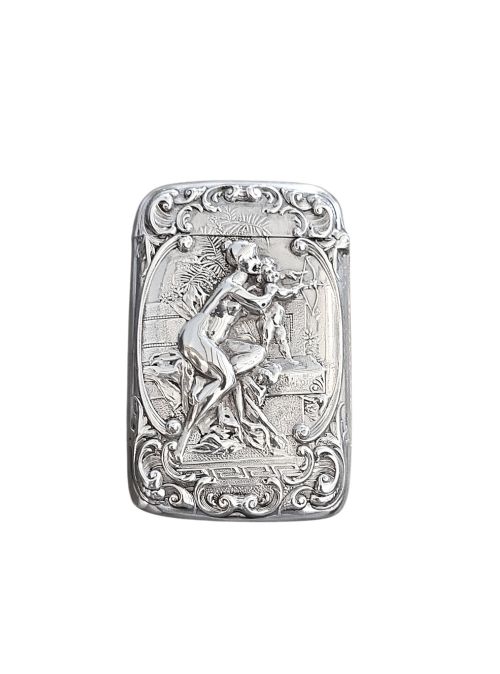
Beyond standard rectangular pocket cases, the selection includes matchbox covers, desk holders, and ingenious combinations that double as sovereign cases, stamp holders, or miniature photo frames. Novelty shapes modelled as animals, boots, or sentry boxes also appear alongside Continental 800 silver pieces with scenic relief.
The objects reflect the smoking culture of the late nineteenth and early twentieth centuries, when portable ignition was an everyday necessity. Makers utilised sterling silver, silver gilt, and vermeil, often embellishing the metal with hand-painted enamel, engraving, or cast architectural details.
How they were made
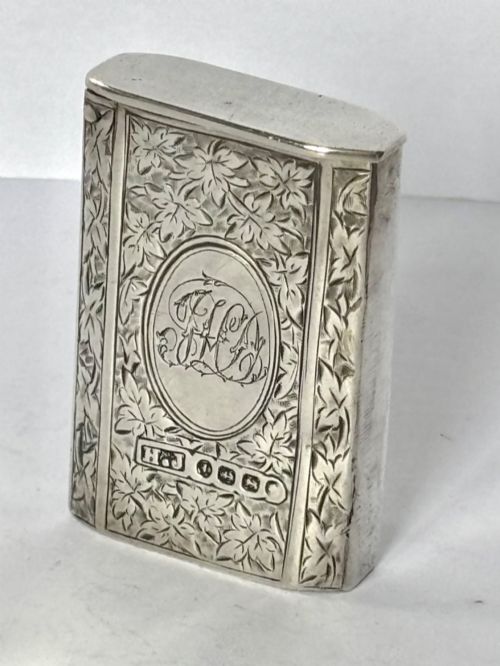
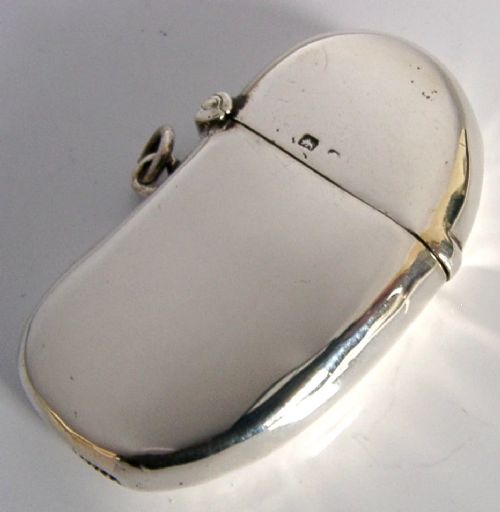
Silversmiths constructed the bodies from sterling silver or 800 silver, shaping the metal through pressing, folding, and soldering to create snug-fitting lids with internal hinges. Many pieces received hallmarks from assay offices in Birmingham, Chester, and London, recording the exact year of production.
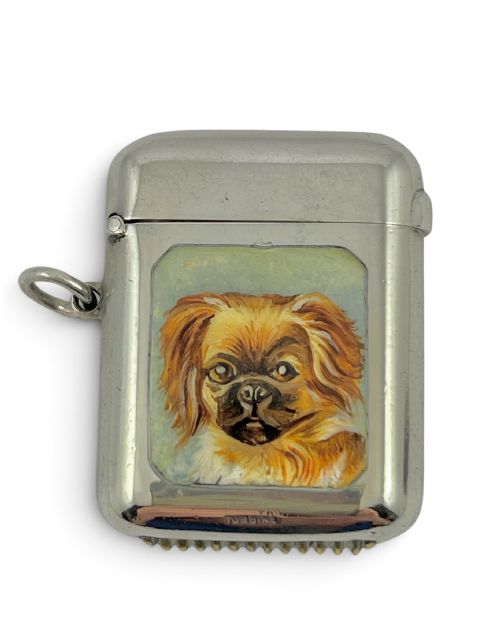
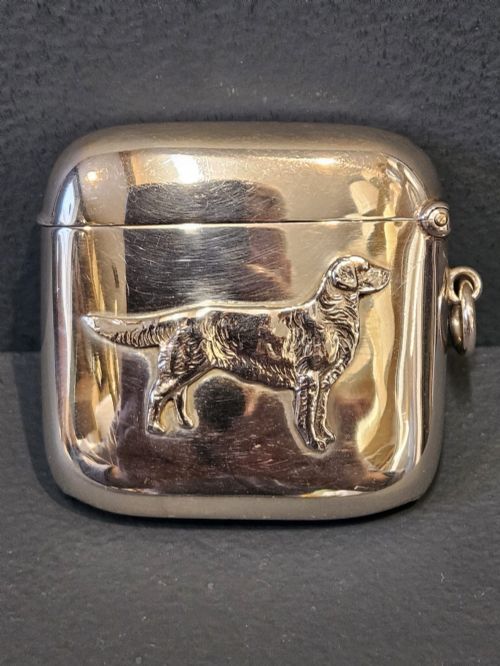
Surface decoration required specialised artisan techniques, including engine-turning, chased engraving, and cast relief work for castle tops and crests. Vitreous enamel and hand-painted miniature portraits were fused to the metal surface to create colourful pictorial subjects.
Antique Silver Matchbox Retail Price Guide 2026
Typical asking prices for silver matchbox among the pieces listed under this phrase on Sellingantiques today, from the lower quarter to the upper quarter. They describe what is for sale here now, not the wider market.
Some Victorian gentlemen carried match cases shaped like tiny sentry boxes or double-ended cigars, proving that even a light source demanded a sense of humour.
What varies in quality
Quality rests upon the crispness of the original chasing, the weight of the silver used in construction, and the complexity of the form. Standard engine-turned patterns sit at one end of the scale, while intricate novelty shapes and hand-painted enamel portraits occupy the upper tier.
The integrity of the hinge mechanism and the tightness of the lid closure determine the structural standard of the piece. Surviving examples with undamaged enamel panels and legible maker marks command greater attention from collectors.
Sampson Mordan and Co·A and J Zimmerman·William Neale·Robert Chandler·William Hair Haseler·Robert Pringle
The Antique Silver Matchbox Glossary
- Vesta case
- A small pocket container designed to hold wax matches, featuring a ribbed or hatched striking strip on the base. These cases were essential pocket accessories during the Victorian and Edwardian periods.
- Hallmark
- An official stamp applied by an assay office to indicate the purity of the metal, the maker, and the year of manufacture. British silver typically displays a leopard head, anchor, or crown alongside date letters.
- Vermeil
- Sterling silver coated with a thin layer of gold. This technique adds a rich warm tone to the interior or exterior of the match case.
- Go-to-bed
- A specialised pocket vesta containing a small taper for carrying a flame across a dark room. They often incorporate a tiny holder for the wax taper itself.
- Sterling silver
- An alloy consisting of pure silver and other metals, usually copper, standardised at 925 parts per thousand. It serves as the primary material for British matchboxes of this era.
Antique Silver Matchbox: Frequently Asked Questions
What is the difference between a vesta and a matchbox cover?
A vesta case is a fully enclosed pocket container featuring its own hinged lid and an integrated striker for safety matches. It is designed to be carried loose in a pocket or hung from a watch chain.
In contrast, a matchbox cover is an open-ended sleeve meant to slide directly over a standard cardboard safety matchbox. These covers transform utilitarian household matchboxes into decorative desk or table accessories.
How do I identify the date of a silver match case?
Dating relies upon the set of hallmarks stamped directly into the silver, usually found along the rim or inside the lid. British pieces carry a specific date letter corresponding to the assay office and year of testing.
Additional clues come from the overall style, such as the distinct geometric lines of Art Deco pieces from the 1920s or the ornate repoussé work typical of the Victorian era.
Why do some match cases feature enamel?
Enamel was applied to provide vibrant colour and detailed pictorial decoration to an otherwise plain silver surface. Artisans painted miniature scenes, sporting motifs, crests, and floral arrangements onto the metal before firing.
Pieces featuring hand-painted animals, golfers, or portraits represent more ambitious craftsmanship than standard engraved models.