

Antique Silver Cooler
An antique silver cooler chills bottles for the table while bringing Regency, Victorian, and Art Deco craftsmanship into modern dining rooms.
Antique Silver Cooler
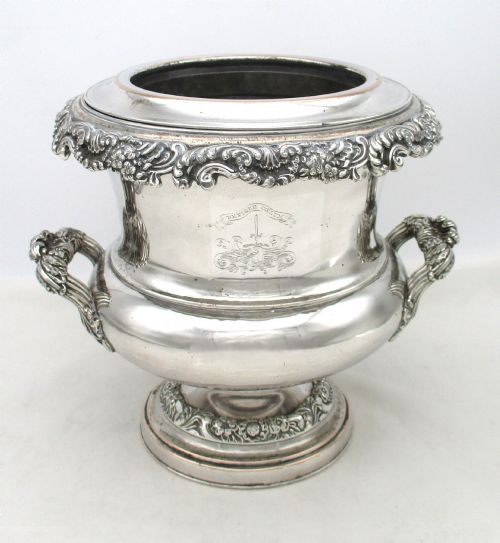
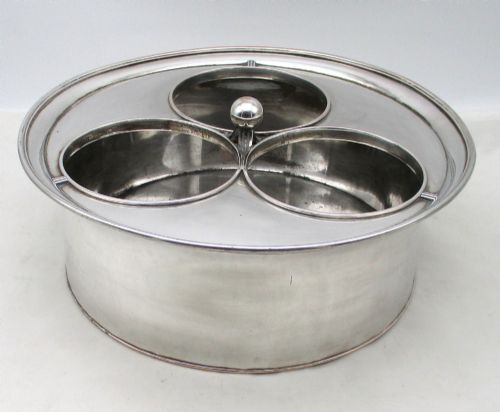
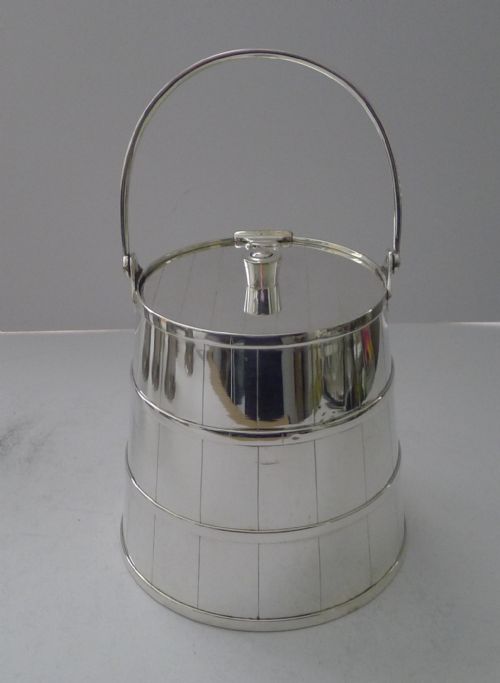
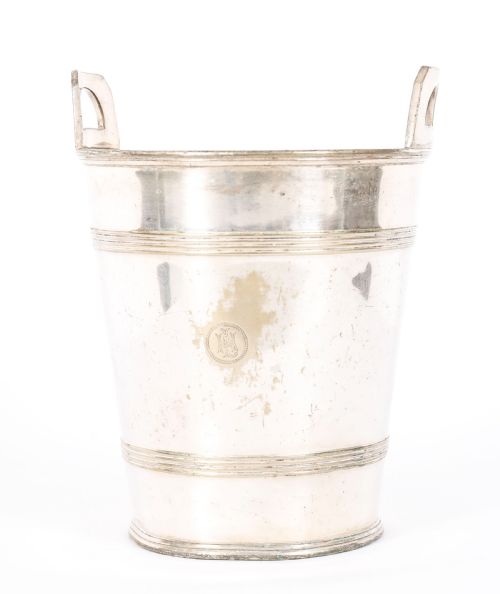
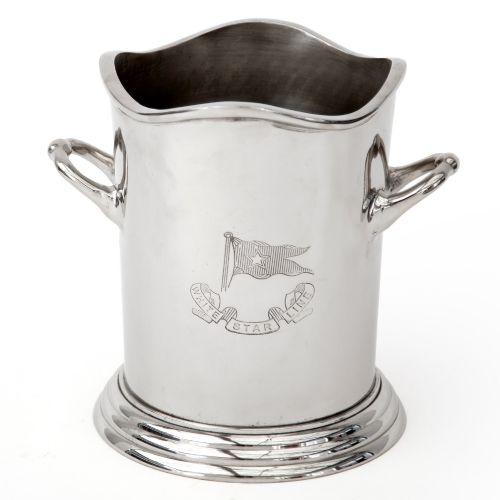
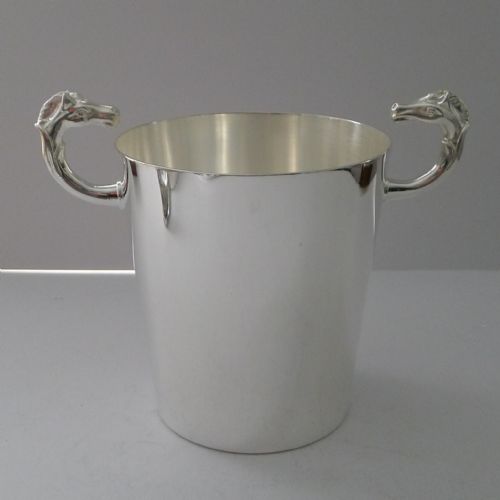
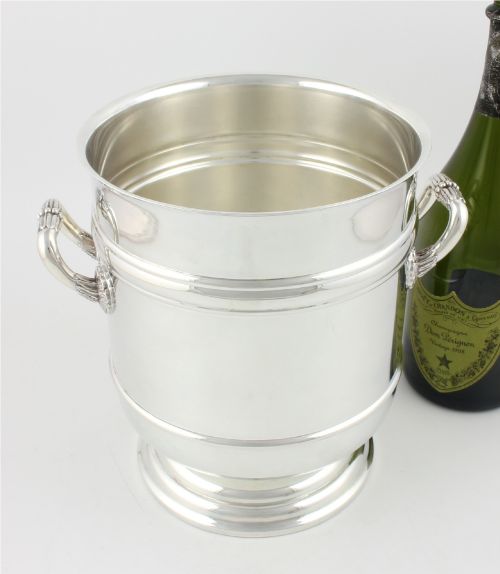
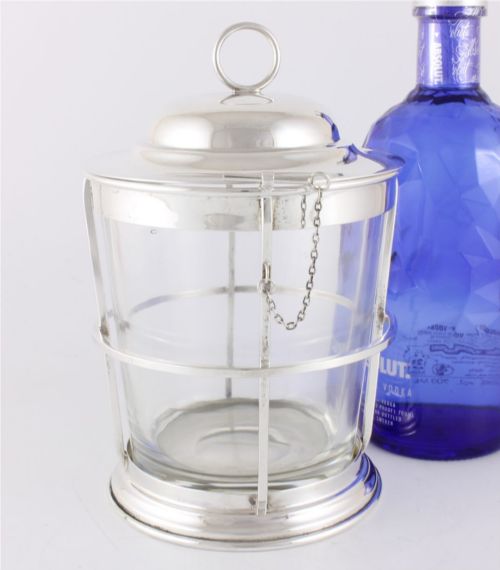
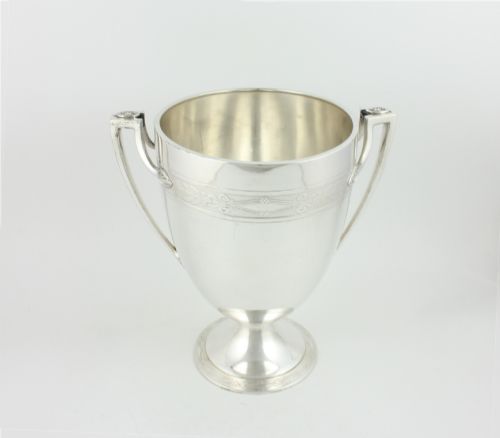
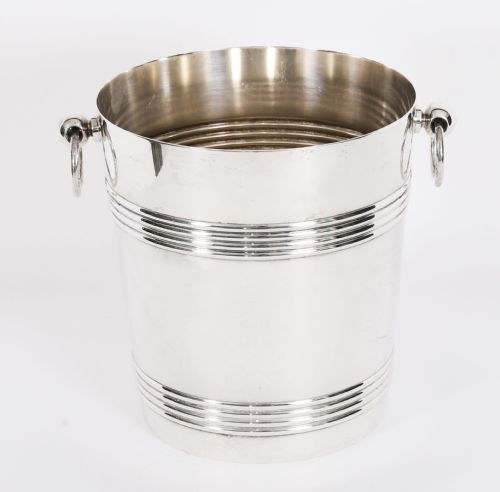
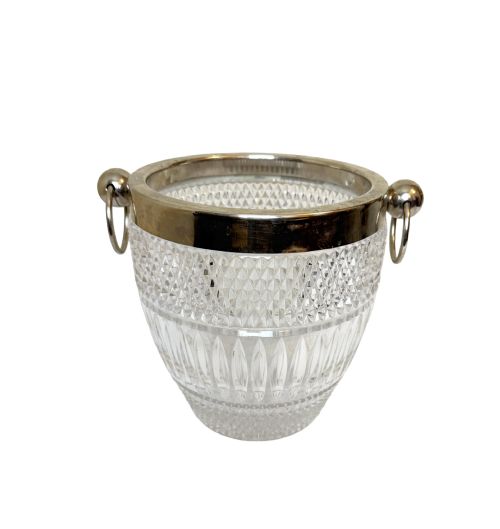
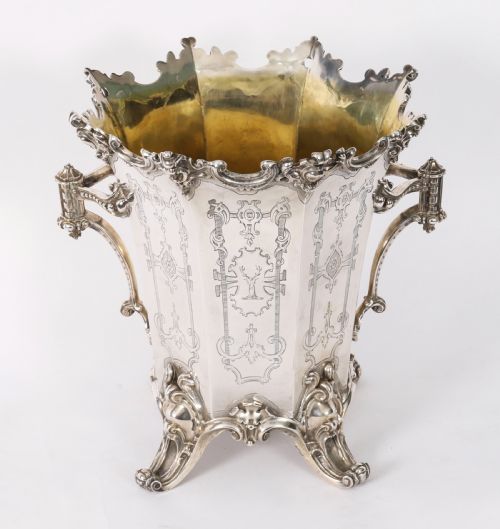
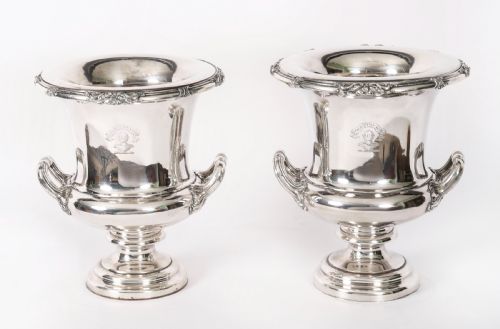
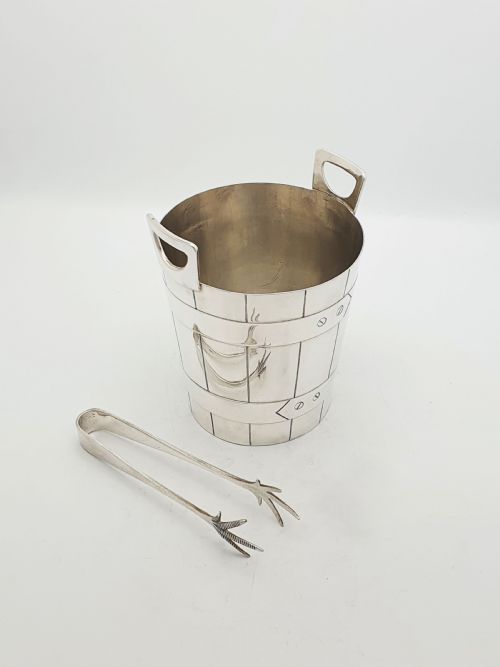
Buyers encounter Old Sheffield plate vessels from the late eighteenth century alongside twentieth-century silver-plated champagne coolers by makers such as Christofle and Mappin & Webb. Forms range from twin-handled vessels and floor-standing coolers to barrel-shaped ice buckets with glass liners.
Materials and Technique
Makers utilised sterling silver, silver plate, Old Sheffield plate, and silver on copper, frequently combining metal bodies with cut glass liners or crystal inserts. Old Sheffield plate involved fusing a thin layer of silver onto a copper base, visible in older vessels.
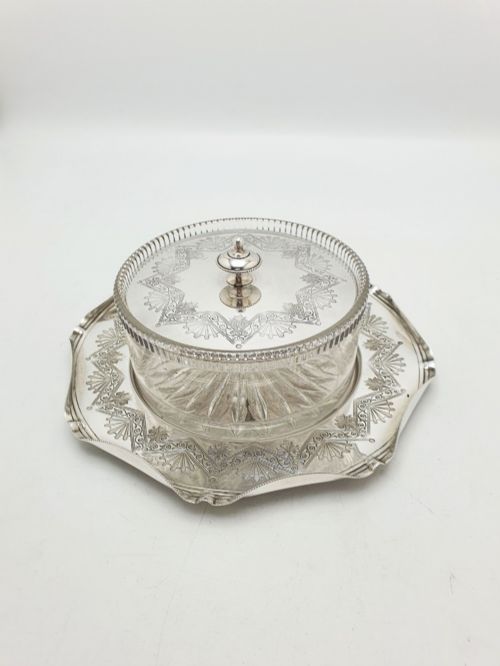
Craftsmen applied techniques including chasing, engraving, piercing, and plating, alongside cast decorative mounts like crests, coats of arms, handles, and paw feet.
Listings feature cooling vessels spanning from the eighteenth century through the 1950s, utilising silver plate, sterling silver, copper, and cut glass.
Distinctions in Execution
Quality rests in the crispness of chased details, the weight of the metal, and the integrity of the plating over copper or base metal. Heavy gauge sterling silver and early Old Sheffield plate demonstrate superior construction compared to lighter commercial plating.
William Burwash·Paul Storr·Barnards·Elkington and Co·Mappin and Webb·Christofle·WMF·Puiforcat
The Antique Silver Cooler Glossary
- Old Sheffield plate
- A method of fusing silver and copper together by heat and rolling before forming the vessel. This technique predates modern electroplating.
- Monteith
- A type of bowl featuring a scalloped rim designed to hold wine glasses by their stems while chilling. These large vessels double as punch bowls and coolers.
- Silver plate
- A thin layer of pure silver applied over a base metal such as copper, nickel silver, or white metal. Electroplating largely replaced earlier fusing methods in the nineteenth century.
- Chasing
- A metalsmithing technique where a design is hammered into the front surface of the metal from the outside to create raised relief patterns.
- Crest
- A heraldic design engraved or applied onto the body of a cooler, often indicating the original aristocratic or military owner.
Antique Silver Cooler: Frequently Asked Questions
Can I use these coolers for modern parties?
These vessels function effectively for chilling wine and champagne bottles during contemporary gatherings. Many pieces accommodate modern bottle sizes alongside historical ones.
Insert a glass liner or check for watertight integrity before filling unlined metal vessels with melting ice. Handle antique plating with care to preserve the surface finish.
What is the difference between Old Sheffield plate and silver plate?
Old Sheffield plate involves physically fusing a sheet of silver to a copper ingot before rolling them into sheets. This technique leaves a characteristic copper edge where the seams meet.
Standard silver plate uses an electrochemical process to bond silver particles to a base metal like nickel silver. This later method became common during the Victorian era.
How do I identify the date of a silver cooler?
Examine the base or rim for hallmarks, maker stamps, or engraved crests that indicate the period of manufacture. Style indicators such as Regency neoclassical lines or Art Deco geometry provide further clues.
Comparison with documented pieces from makers like Elkington or Paul Storr helps narrow down the decade of production.