





Antique Silver Chargers
Antique silver chargers are large ornamental dishes and platters, chosen to anchor a formal display or dress a sideboard.
Antique Silver Chargers
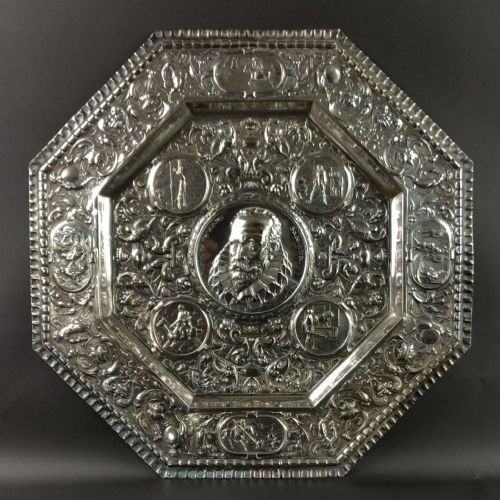
Antique silver chargers encompass a wide variety of large decorative plates, platters, and wall plaques spanning from the eighteenth century into the twentieth century. These pieces include solid silver gilt sideboard dishes alongside heavily silver-plated bronze, copper, and electrotype metal works.
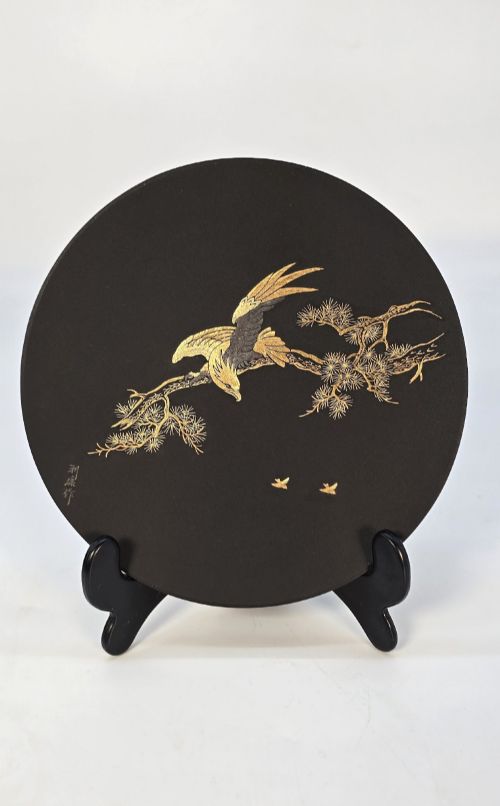
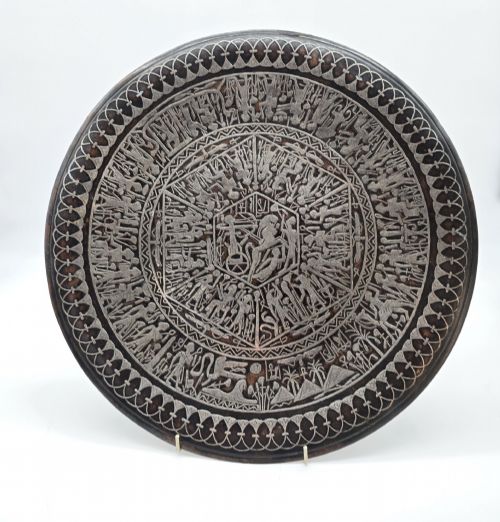
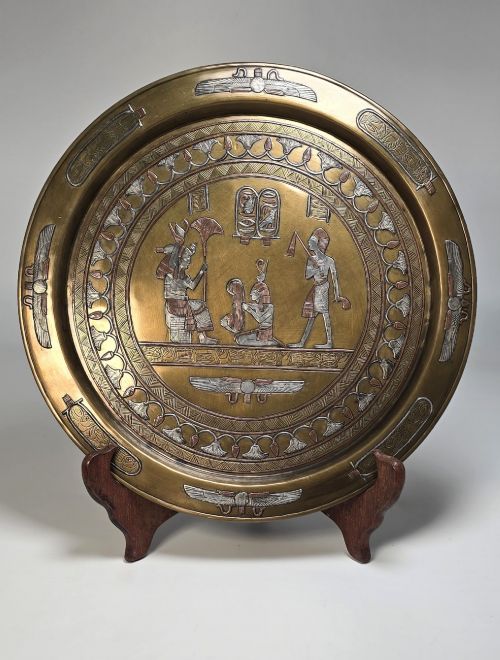
The selection ranges from Georgian pieces to later revival styles, incorporating English, European, Middle Eastern, and Japanese origins. Buyers encounter numerous variations, from plain rim plates to heavily decorated repoussé surfaces and inlaid Cairo ware.
How they were made
Makers shaped base metals like pewter, copper, bronze, and iron before applying silver plating, silver gilt, or intricate metal inlays of gold and copper. Techniques such as repoussé work, hammering, and piercing created raised figural scenes, floral motifs, and detailed surface patterns.
Electrotyping allowed manufacturers to reproduce complex three-dimensional forms and historical subjects in metal with great precision. Patination was frequently applied to copper, iron, and bronze grounds to contrast against inlaid or plated silver elements.
Napoleon Bonaparte rides to battle on his charger in one French bronze and silver-plated clock.
What varies in quality
The depth, crispness, and hand-finishing of repoussé or inlaid ornamentation define the standard of the piece, separating mass production from masterwork execution. Superior examples display sharply rendered figural scenes, heraldic crests, or complex geometric inlay without softening of detail.
The weight and gauge of the underlying metal, whether solid silver, heavy bronze, substantial pewter, or thick old Sheffield plate, dictate the structural integrity and presence of the charger.
James Spackman·Matthew Boulton·Elkington and Co·Samuel Hennell·Thomas Templeman·Thomas Powell·S Duncomb
The Antique Silver Chargers Glossary
- Charger
- A large ornamental plate or platter used traditionally for ceremonial display rather than daily dining. These substantial pieces typically measure upwards of twelve inches across.
- Repoussé
- A metalworking technique where the artisan hammers the design from the reverse side to form a raised relief on the front. This method creates tactile depth in figural and floral scenes.
- Cairo Ware
- Metalwork originating from Egypt, typically featuring contrasting metallic inlays of silver and copper upon a dark bronze or brass ground. These pieces often date from the late nineteenth and early twentieth centuries.
- Electrotype
- A replica or object formed through the electrolytic deposition of silver or other metals onto a mould. This nineteenth-century process enabled exact reproduction of intricate antique metalwork.
- Silver Gilt
- Silver object coated with a thin layer of gold on its surface. This finish provides a warm, rich tone while maintaining the underlying silver structure.
Antique Silver Chargers: Frequently Asked Questions
What is the difference between a charger and a dinner plate?
Chargers are significantly larger than standard dinner plates, designed primarily as decorative base plates for formal table settings or to sit on sideboards as display pieces.
Because of their grand scale and ornamental weight, they functioned historically to set a standard of hospitality and wealth rather than for eating meals directly from them.
How do I hang a heavy metal charger on the wall?
Wall chargers require specialised spring-loaded brass wire hangers sized specifically to the diameter and rim depth of the individual plate. The weight of the metal dictates that the fixing must anchor securely into a wall stud rather than relying on standard plaster plugs.
How do I clean antique silver plated and copper chargers?
Gentle dusting with a soft, dry cloth is sufficient for patinated, inlaid, or electrotype pieces to preserve the aged surface contrast. Aggressive metal polishes must be avoided on patinated copper, bronze, and Cairo ware because abrasive compounds strip away the historical darkening and intricate inlays.
How can I tell an eighteenth-century pewter charger from a later reproduction?
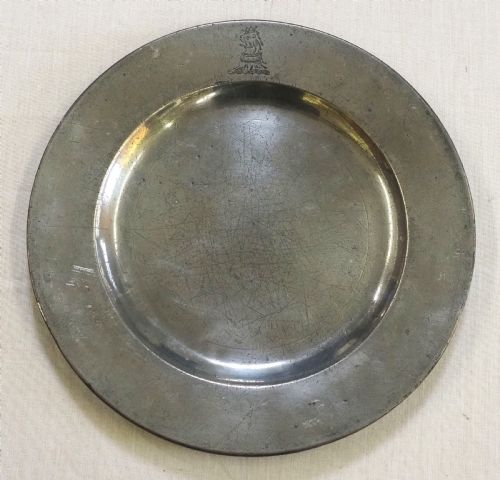
Early pewter chargers exhibit hammer marks, touchmarks stamped by makers registered with the worshipful company of pewterers, and distinct rim profiles such as triple reeded or plain edges. Eighteenth-century examples show natural surface oxidation, slight asymmetry from hand shaping, and wear patterns consistent with age.