

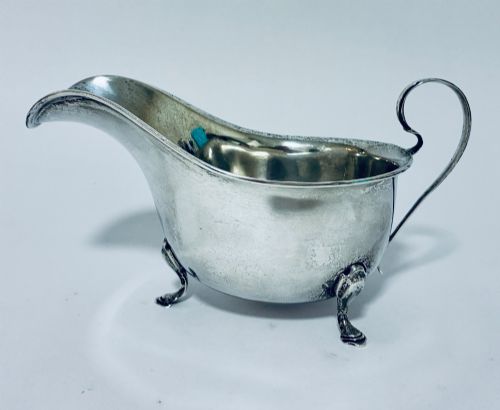
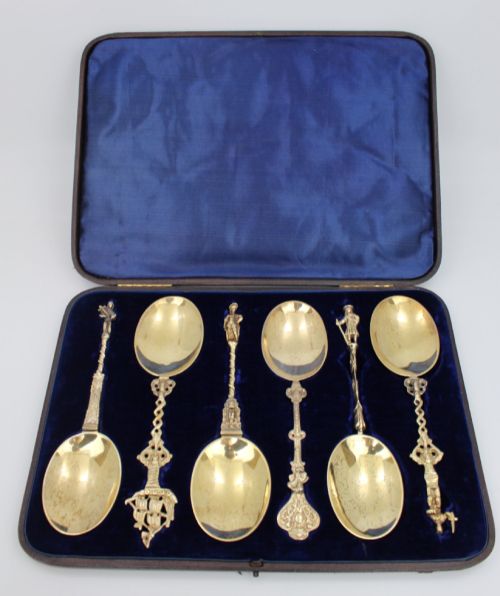

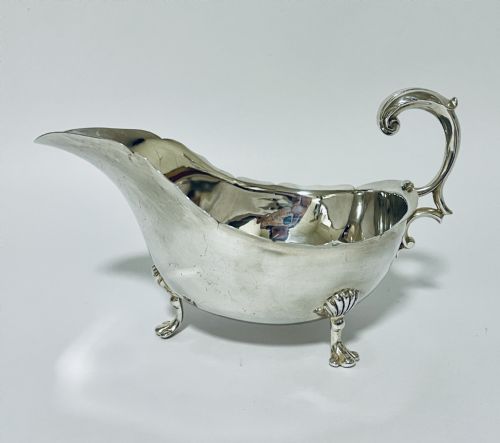


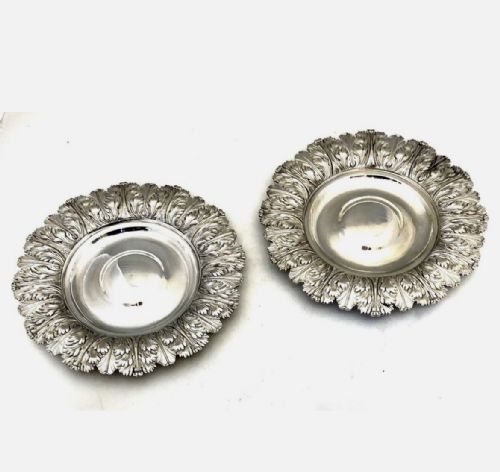


Georgian Sterling Silver Plate
Georgian sterling silver plate unites form and function, offering tangible history for daily service and display.
Georgian Sterling Silver Plate
The objects on this page bridge multiple eras, incorporating items from the Georgian period alongside pieces associated with George IV, George III, and distinct years such as 1750, 1764, 1833, 1900, and 1910, as well as Victorian and Edwardian examples. This variety demonstrates how domestic silver evolved from functional hearth and table items into refined display pieces over centuries of British craftsmanship.
Buyers will find that while the core remains georgian sterling silver plate, the inventory includes related materials and cross-period items such as standard silver, wood, silver-plate, and ebony fittings. This mix provides both matching table suites and individual accent pieces for collectors and interior decorators alike.
How they were made
Makers utilised sterling silver as the primary metal for these domestic pieces, shaping the material through traditional smithing and casting techniques. Silver components were frequently paired with contrasting materials like wood and ebony, particularly in handles, bases, and structural supports where thermal insulation or grip was required.
Construction methods involved raising, hammering, and soldering individual components to create complex items such as dish crosses, tea pots and stands, and multi-piece candlesticks. Workshops relied on skilled hand-workmanship to achieve the structural integrity and decorative surface finishes visible across trays, salvers, and coasters.
Georgian Sterling Silver Plate Retail Price Guide 2026
Typical asking prices for georgian sterling silver plate among the pieces listed under this phrase on Sellingantiques today, from the lower quarter to the upper quarter. They describe what is for sale here now, not the wider market.
Military lieutenant interest accompanies a tray on this page, suggesting domestic silver served as prestigious service mementos.
What varies in quality
Quality in georgian sterling silver plate is determined by the precision of the silversmith's hand and the weight of the metal utilised in construction. Pieces that maintain crisp chasing, substantial gauge silver, and balanced proportions sit at the upper end of the scale.
The integration of secondary materials, such as ebony or wood components, also affects the overall standard of a piece. Finer examples display seamless joinery between metal and organic elements, preserving both structural stability and visual harmony.
Samuel Hennell·James Fray
The Georgian Sterling Silver Plate Glossary
- Sterling silver
- A standard alloy consisting of 925 parts silver per thousand, ensuring durability and a bright lustre for domestic vessels. This composition forms the material basis for the majority of items on this page.
- Alms dish
- A ceremonial vessel used historically for collecting charitable donations or offerings in ecclesiastical settings. These pieces are often larger and feature decorative border work.
- Dish cross
- An adjustable metal frame designed to support hot serving dishes above a table surface during dining. This form exemplifies the ingenious mechanical devices developed in the eighteenth century.
- Salver
- A flat plate or tray, typically raised on feet, used for serving drinks or presenting letters. Examples from this tradition demonstrate high levels of engraving and silversmithing skill.
- Toast rack
- A table accessory featuring vertical metal divisions to hold slices of toast upright. This form became popular for breakfast service in domestic households.
Georgian Sterling Silver Plate: Frequently Asked Questions
What is georgian sterling silver plate?
Georgian sterling silver plate encompasses domestic dining and service items produced during the Georgian era, including teapots, salvers, and coasters.
These objects were made for functional use in wealthy households and have survived as examples of period silversmithing.
How were silver teapots used?
Silver teapots were employed in domestic settings for brewing and serving tea during formal social gatherings.
They were often accompanied by matching stands and cream jugs to complete the tea service.
How do I care for silver plate?
Silver plate requires gentle cleaning with appropriate silver polish to maintain its lustre without removing the thin metal layer.
Regular dusting and correct storage away from damp environments help preserve the finish over time.
Can I use these items daily?
Many of these pieces, such as trays, salvers, and coasters, can be incorporated into modern dining and display.
Care should be taken with delicate mechanisms like dish crosses and antique joints during regular handling.
How are periods identified?
Periods are identified through stylistic cues, construction methods, and official hallmarking standards stamped into the metal.
These marks indicate the year of manufacture and the maker responsible for the piece.