





Vintage Silver Chargers
These vintage silver chargers bring rich surface work and varied metals to the table, offering a striking display for any room.
Vintage Silver Chargers
Vintage silver chargers span broad decorative forms, encompassing traditional charger plates alongside decorative plaques, wall plates, and large platters. When searching for vintage silver chargers, buyers encounter pieces ranging from solid silver and silver plate to related metalwork and ceramic variations.
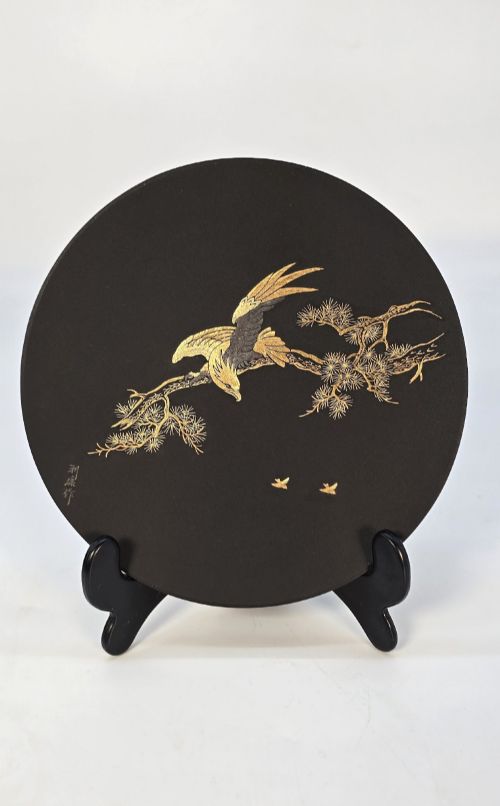
The selections on this page draw from diverse origins and eras, including Georgian, Victorian, and Taisho period pieces, as well as Islamic metalwork and Indo-Persian designs. Plain pewter examples sit alongside intricate silver inlaid patinated copper and silver plated floral specimens.
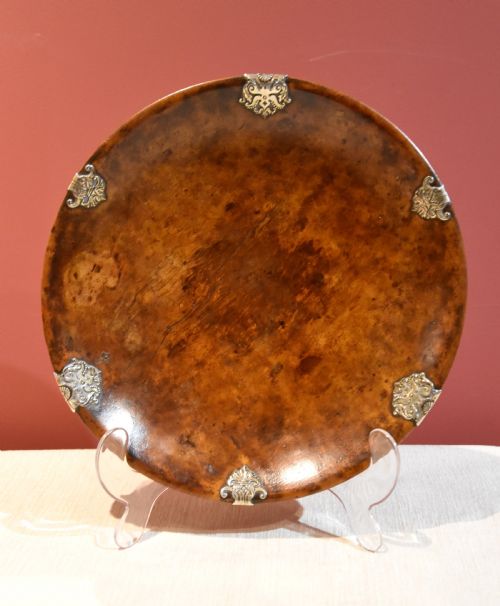
Makers and artisans utilised materials reaching beyond standard silver, incorporating creamware, copper, iron, gold, and bronze into these large serving and display items. This variety means that a single search gathers robust church ware, grand tour souvenirs, and fine domestic tableware.
How they were made
Metalsmiths employed hammering, piercing, and repoussé techniques to shape copper, pewter, and bronze into broad plates and trays. Surface enrichment often involved intricate gold and silver inlay work, as seen in patinated iron plaques and Middle Eastern vessels.
Plating methods grew common in later eras, applying silver layers over base metals like copper and pewter to achieve a bright finish. Potters also contributed creamware bodies mounted or shaped specifically to function in the role of a traditional charger.
Vintage Silver Chargers Retail Price Guide 2026
Typical asking prices for vintage silver chargers among the pieces listed under this phrase on Sellingantiques today, from the lower quarter to the upper quarter. They describe what is for sale here now, not the wider market.
Listings span multiple materials including silver, silver plate, pewter, copper, iron, gold, creamware, and earthenware across several centuries.
What varies in quality
Depth of handwork distinguishes simpler items from superior examples, particularly where repoussé detailing, piercing, and metal inlay define the surface. Crisp execution in floral motifs or geometric inlay indicates skilled workshop production.
Substance and weight separate robust pieces from lighter items, with heavy gauges of silver plate, pewter, or copper offering better durability and form retention. The integrity of the original surface patina further shapes the character of each piece.
The Vintage Silver Chargers Glossary
- Charger
- A large broad plate, traditionally used for serving food or placed beneath smaller dinner plates at formal meals. Many antique examples functioned primarily as decorative wall plates or display plaques.
- Repoussé
- A metalworking technique where the artisan hammers the design from the reverse side to form a raised pattern on the front. This method creates tactile depth on copper and silver plated trays.
- Patinated
- A surface altered by age, deliberate chemical treatment, or wear, producing a dark or lustrous film over metal. This finish highlights the underlying engraved or inlaid details.
- Creamware
- A refined light-coloured earthenware developed in the eighteenth century with a transparent lead glaze. Certain ceramic chargers utilise this body alongside silver mounts.
- Inlay
- A decorative technique where contrasting metals like gold and silver are embedded flush into recesses cut into a base metal such as iron or copper.
Vintage Silver Chargers: Frequently Asked Questions
What is a charger plate?
A charger plate is a large decorative base plate used during formal dining beneath other course dishes. They also serve independently as wall plates or centrepiece displays.
Historically, these expansive plates marked positions at grand tables before evolving into purely decorative items for the home.
How do I clean antique silver plate?
Careful dusting with a soft cloth preserves the surface of antique silver plated and patinated items. Harsh chemical dips strip away desirable aged surfaces.
Consult a specialist before applying cleaning agents to pieces featuring inlaid metals or delicate copper patination.
Can these chargers hold food?
Many older metal and ceramic chargers suit display rather than modern culinary use due to their age and composition. Pewter and silver plated items from earlier centuries often contain trace elements or fragile surfaces.
Inspect the individual piece for historic wear, glaze crazing, or metal oxidation before considering any contact with food.
How do I identify different periods?
Stylistic markers such as Georgian proportions, Victorian floral embossing, or Arts and Crafts beaten textures help date specific pieces. Maker marks, church inscriptions, and distinct regional techniques further clarify origins.
Comparing weight, mounting styles, and metal composition provides additional clues to the era of manufacture.