

Antique Silk Textile
When you search for an antique silk textile, you uncover centuries of woven artistry, from Central Asian tribal needlework to European framed embroideries.
Antique Silk Textile
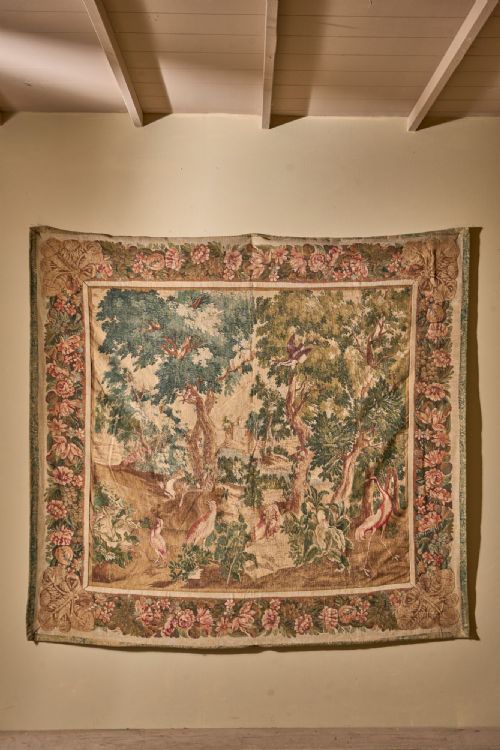
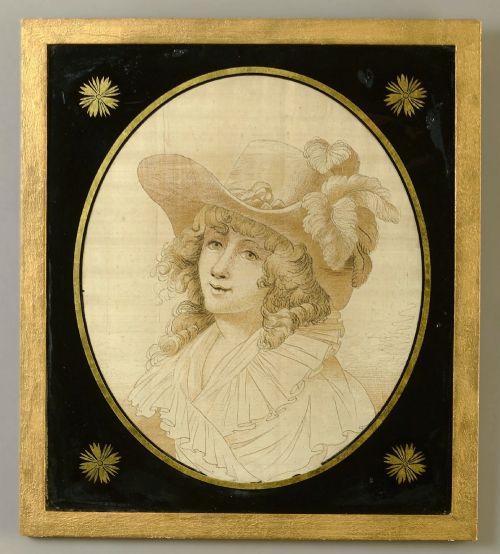
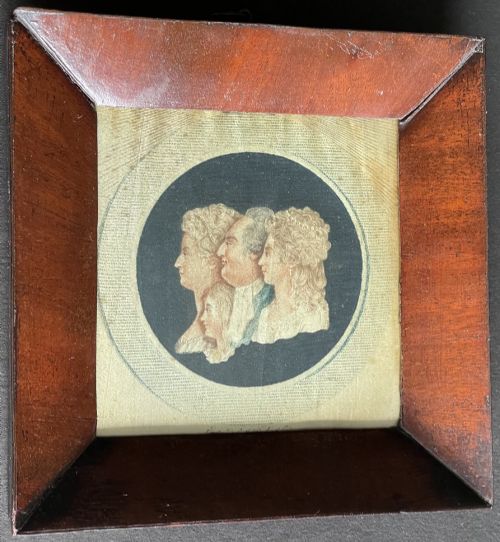
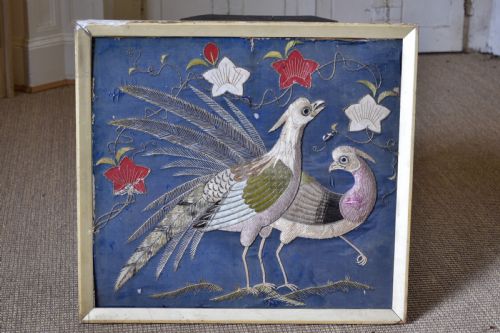
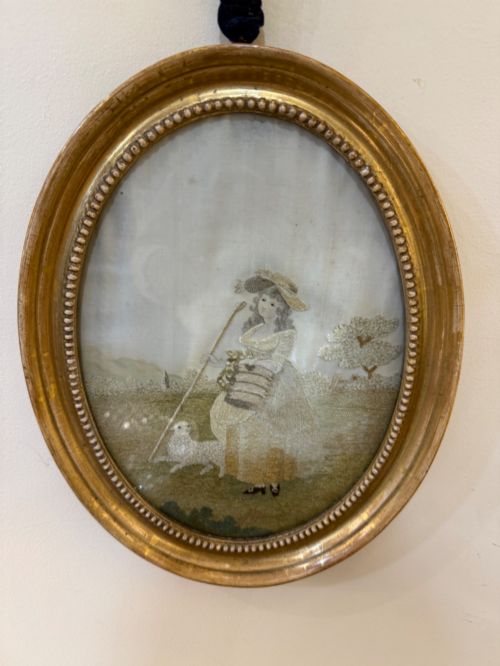
An antique silk textile encompasses a diverse array of historical fabric items, spanning framed portraits, decorative wall hangings, and ceremonial household objects. These pieces range from European needlework samplers and floral panels to intricate Central Asian embroideries.
Buyers encounter items framed under glass as wall art alongside larger utilitarian textiles such as bed covers and Suzanis. The form dictates the display, bridging decorative wall pieces with historical costume fragments.
How they were made
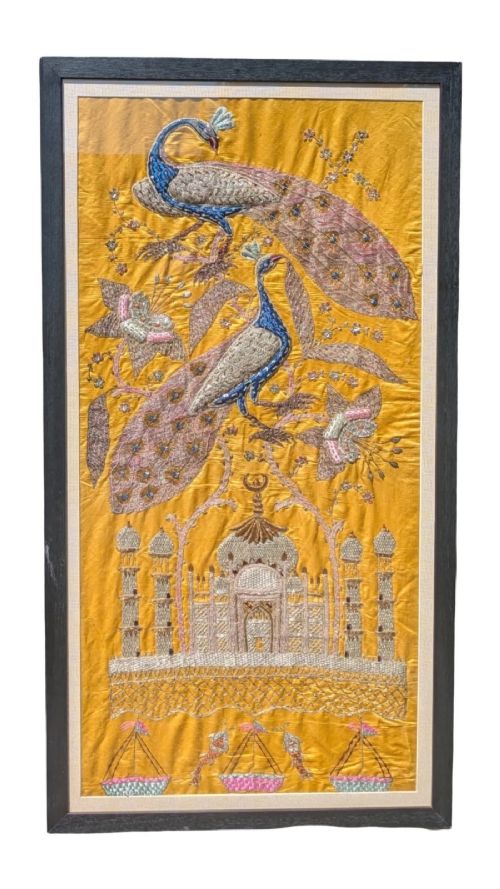
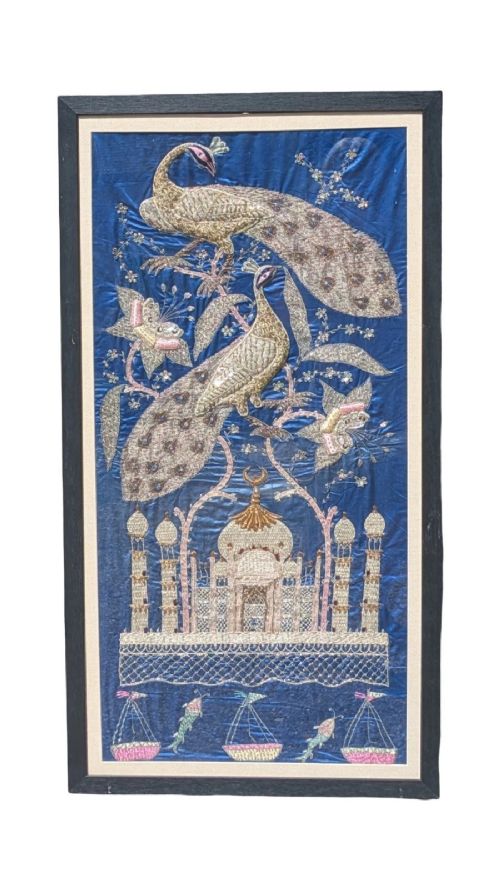
Makers utilised fine silk threads applied to various foundational fabrics, often incorporating metallic thread for heightened visual impact. Embroidery techniques dominate the surviving pieces, executed by hand across diverse regional workshops.
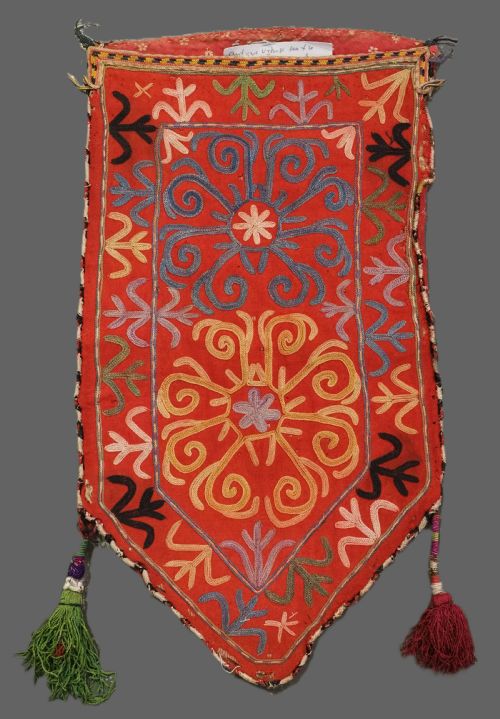
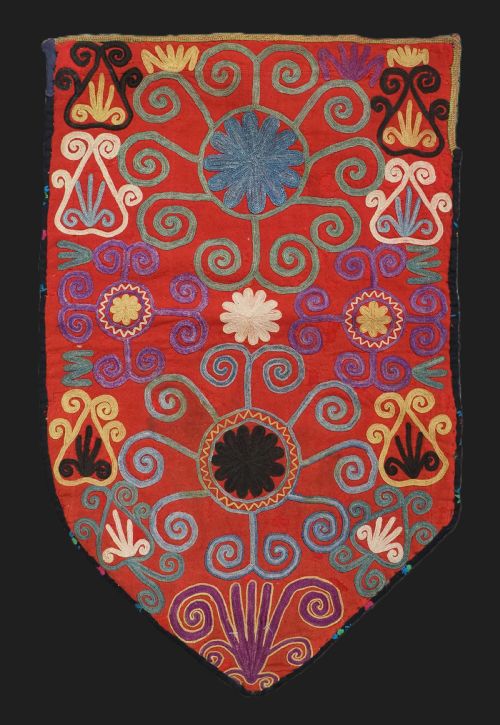
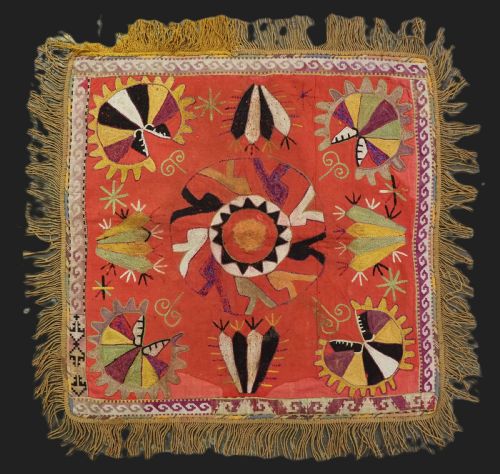
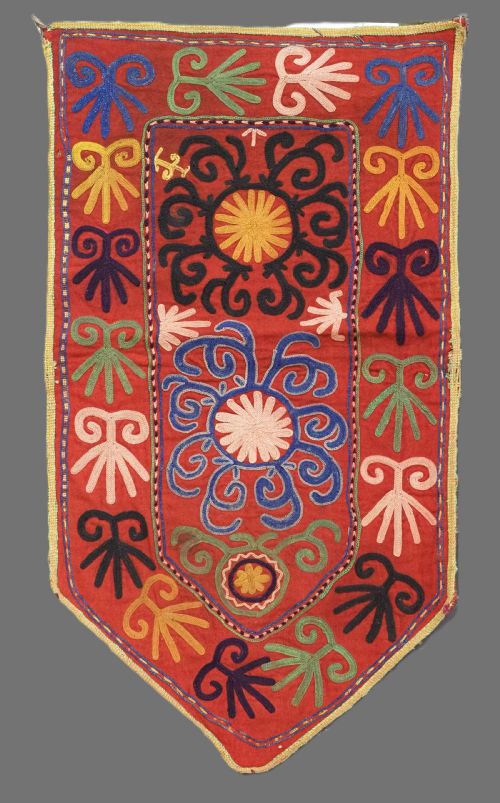
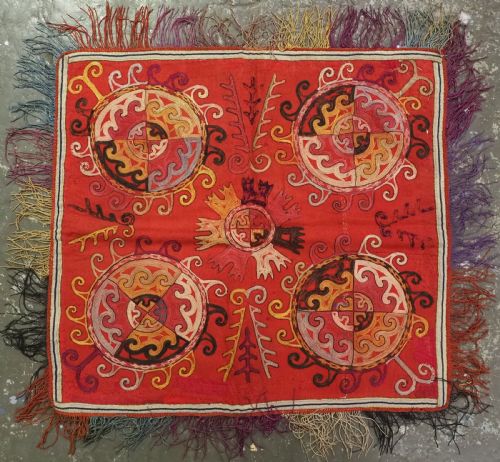
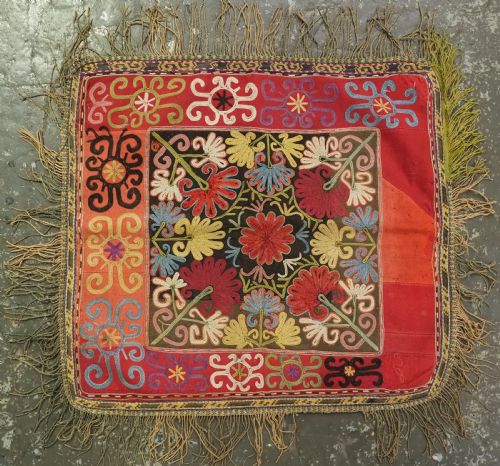
Specialised regional stitching defines traditions such as the Bokhara Suzani or the geometric work of the Lakai tribe. Artisans applied dense needlework to create substantial wall hangings and domestic furnishings designed for daily use.
Listings feature textiles spanning the seventeenth through the early twentieth centuries, incorporating silk, cotton, wool, linen, and metallic thread.
What varies in quality
The finesse of the needlework and the complexity of the design separate standard items from superior examples. Dense, intricate stitching demonstrates greater technical mastery by the maker.
The integrity of the fabric and the vibrancy of surviving threads determine the overall visual presence of a piece. Well-preserved panels maintain their structural cohesion despite centuries of exposure.
Origin and cultural provenance influence the significance of a textile, with specific tribal or dynastic pieces representing distinct artistic traditions. The harmony of colour and the sophistication of the composition complete the assessment.
Stevens of Coventry
The Antique Silk Textile Glossary
- Suzani
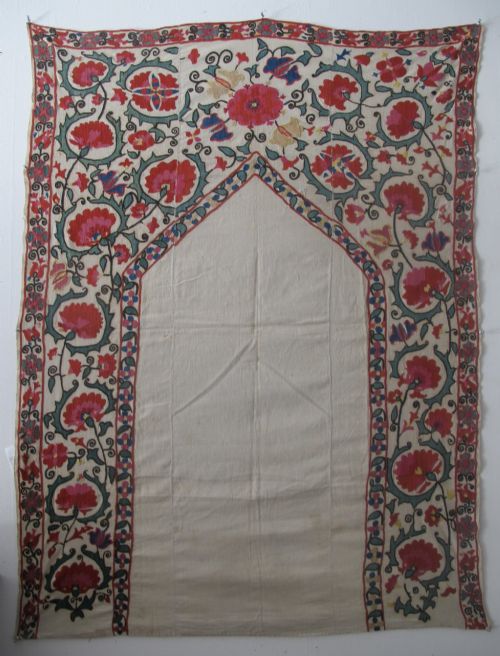
- A type of embroidered tribal textile from Central Asia, traditionally made as part of a bride's dowry. These large wall hangings or bed covers feature bold floral and architectural motifs.
- Ilgich
- A smaller dowry embroidery piece created by the Lakai tribe in Central Asia, often utilised as a wall hanging or ceremonial item. These works display characteristic geometric needlework.
- Rank Badge
- A square insignia sewn onto the robes of officials in imperial China to denote their social standing. These pieces utilise fine silk and metallic thread.
- Sampler
- A piece of needlework produced by individuals, frequently young learners, to demonstrate proficiency in various stitches. Historical examples often incorporate maps or alphabetical texts.
- Tapestry
- A form of textile art woven on a loom rather than embroidered, depicting figurative scenes or landscapes. European examples often served as grand wall insulation and decoration.
Antique Silk Textile: Frequently Asked Questions
What is a Suzani used for?
Suzanis served primarily as decorative household textiles, functioning as wall hangings, bed covers, or dowry items in Central Asian domestic life.
Today, collectors mount these large embroidered textiles on walls to showcase their vibrant botanical patterns and regional needlework techniques.
How do I care for antique silk?
Antique silk requires protection from direct sunlight to prevent the delicate fibres and natural dyes from fading over time.
Display pieces behind glass where possible, and avoid hanging them in humid environments or areas subject to heavy atmospheric dust.
What is an Ilgich?
An ilgich is a specific form of dowry embroidery produced by the Lakai tribe in Central Asia for domestic display.
These pieces feature distinctive geometric compositions and vibrant needlework executed on a supportive fabric ground.
How are framed textiles mounted?
Framed textiles are typically secured between conservation-grade materials or stitched gently to a supportive backing fabric to prevent sagging.
Using glass prevents airborne dust and direct handling from degrading the fragile silk threads and older ground fabrics.