

Antique Side Table Shelves
Antique side table shelves bring practical surface space and open tiers together, offering versatile display for books and decorative objects in any room.
Antique Side Table Shelves
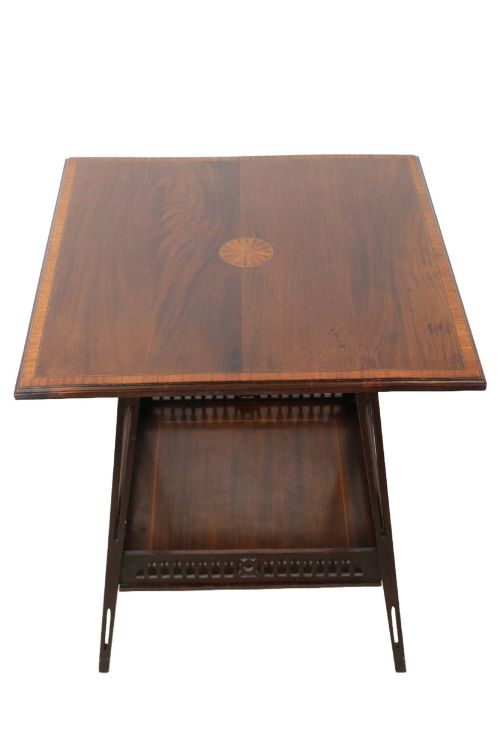
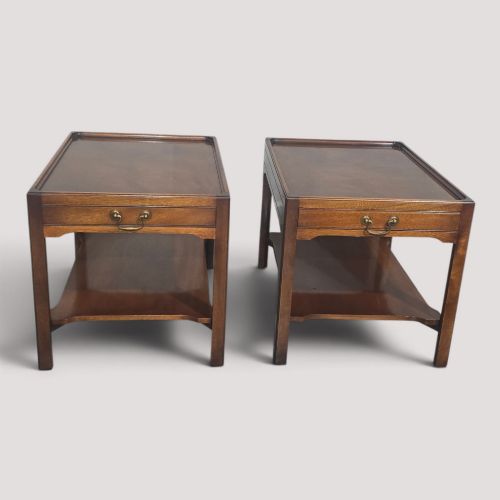
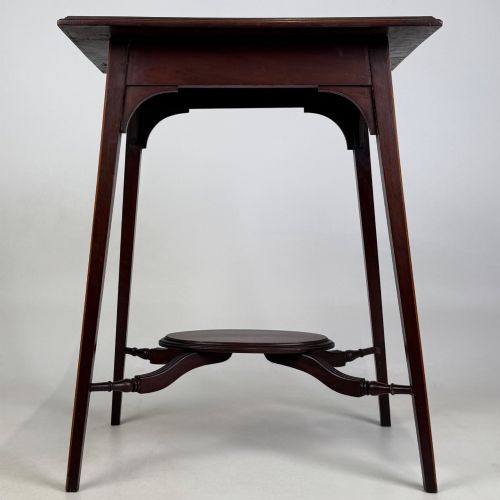
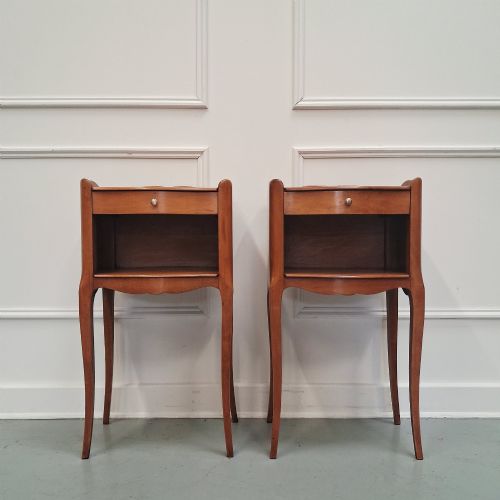
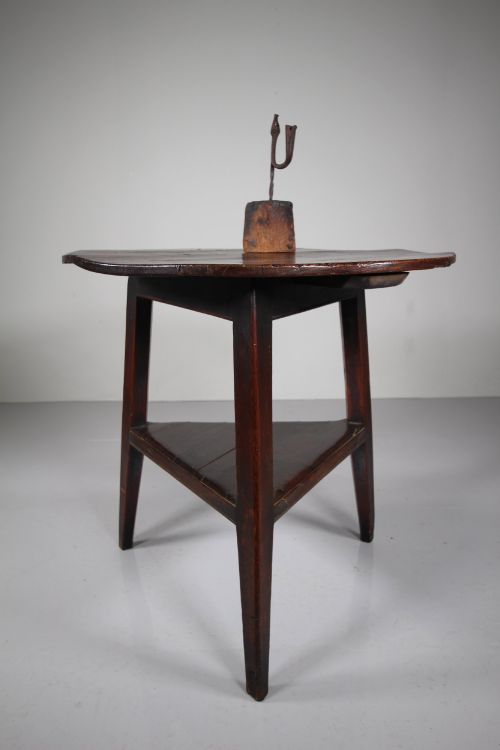
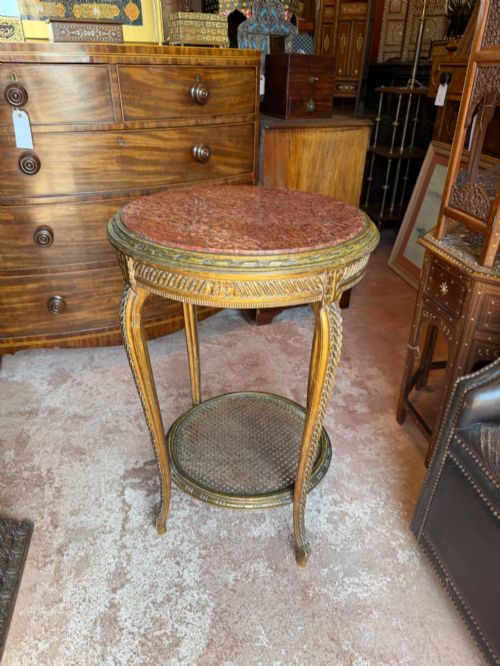
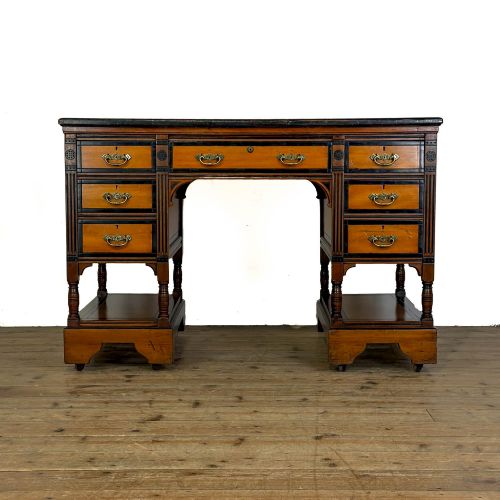
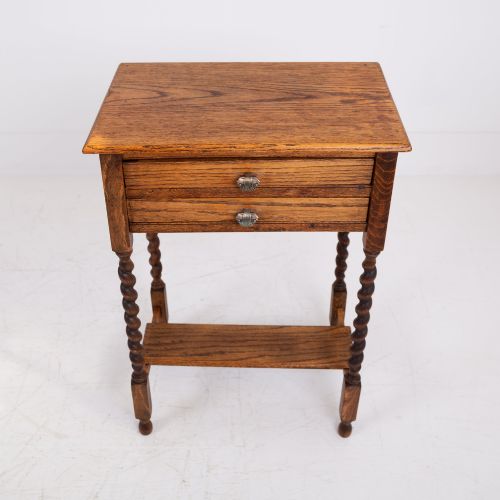
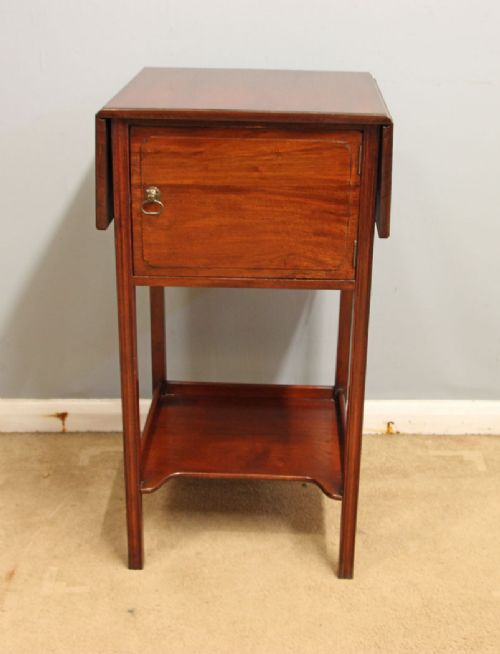
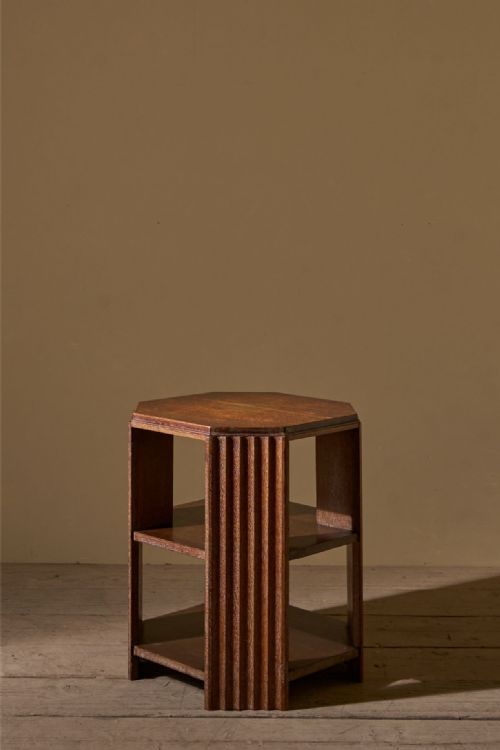
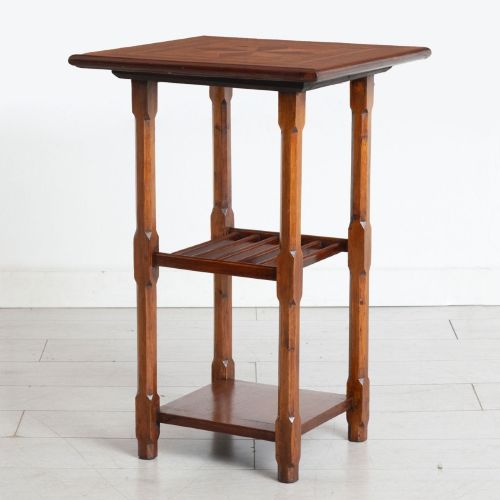
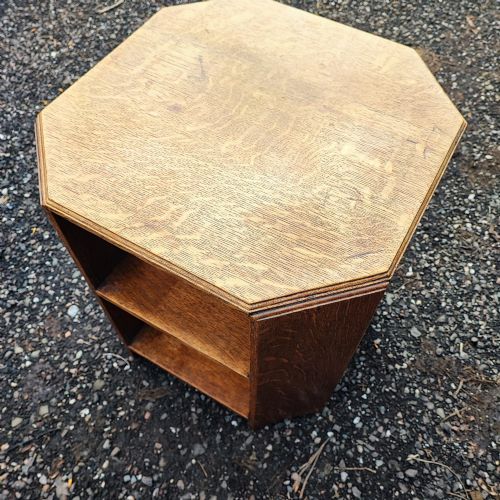
When searching for antique side table shelves, you encounter a diverse group of multi-tiered furniture designed to hold objects on more than one level. The selection spans compact bedside cabinets and occasional tables to taller étagères and whatnots.
Victorian and Edwardian iterations appear frequently, constructed mainly from timbers like mahogany and oak. These pieces function equally well beside a sofa or as standalone display units in a hallway.
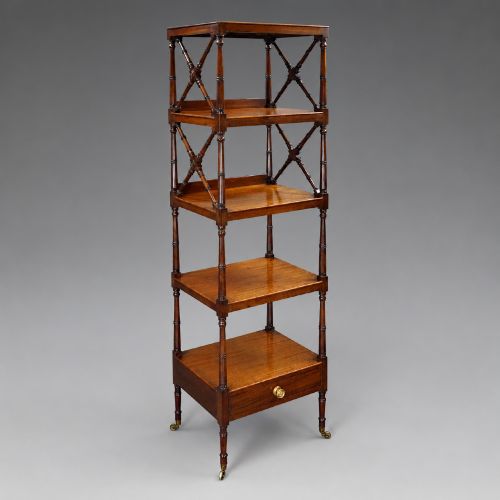
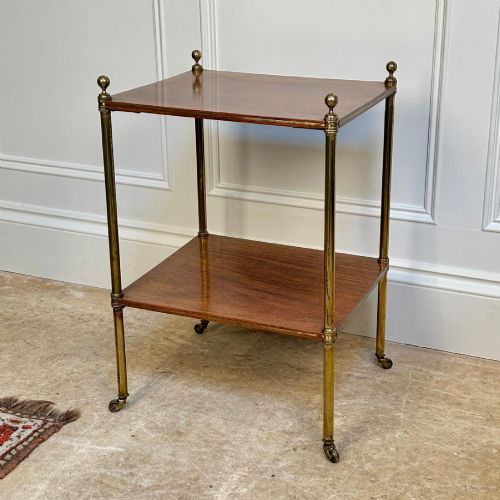
Forms range from simple two-tier occasional tables to elaborate stands featuring multiple graduated shelves and brass details. Each variation provides a distinct profile suited to traditional and eclectic interiors alike.
How they were made
Cabinet makers relied primarily on solid hardwoods and choice veneers, with mahogany, oak and walnut forming the structural core of most examples. Satinwood and rosewood appear in decorative accents, often applied as fine banding or crossbanding.
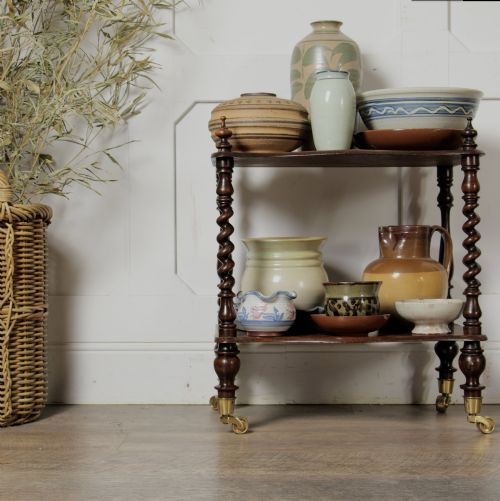
Turned legs, barley twist supports and subtle brass fixtures provide structural integrity while enhancing the visual lightness of stacked shelving units. Joinery techniques such as dovetailed drawers and pegged joints ensure long-term stability across multiple tiers.
Some tables include revolving book compartments designed to save Victorians from walking around the room for a novel.
What varies in quality
Quality rests on the selection of timber grain and the precision of the joinery connecting the uprights to the shelves. Superior examples display thoughtful proportions where each tier balances harmoniously with the overall height.
The integration of secondary materials, such as brass galleries, ebonised highlights or marquetry inlay, distinguishes finer workshops from standard production pieces. Original surfaces and patination further separate exceptional survivals from later alterations.
Trevor Page & Co·Maison Giroux
The Antique Side Table Shelves Glossary
- Étagère
- A piece of furniture consisting of a set of open shelves for displaying small objects or ornaments. It gained popularity during the nineteenth century as a decorative and functional stand.
- Aesthetic Movement
- A late nineteenth-century design style emphasising visual beauty over narrative subject matter. Pieces from this movement often incorporate ebonised wood and Anglo-Japanese influences.
- Parquetry
- Geometric mosaic woodwork used for surfacing floors or furniture tops. Craftsmen arrange small pieces of contrasting timber to create intricate repeating patterns.
Antique Side Table Shelves: Frequently Asked Questions
What is an étagère?
An étagère is an open shelving unit designed to display ornaments, books and small objects. It provides multiple levels of display space while maintaining an open, airy profile.
These pieces function effectively in reception rooms or bedrooms where surface area is required without heavy enclosed cabinetry.
How do I date these tables?
Dating relies on identifying timber choices, construction methods and stylistic markers associated with specific periods like the Victorian or Edwardian eras. Secondary woods and hardware also offer clues to the decade of manufacture.
Comparing the turned supports and edge mouldings against documented examples helps narrow down the production window.
Where should I place a whatnot?
A whatnot works well in corners or against walls where its stacked shelves can hold books, ceramics or plants. Its open design prevents it from dominating smaller spaces.
Ensure the piece sits on level flooring, particularly when dealing with taller multi-tier stands that carry significant weight on upper shelves.
Are these tables sturdy?
Most antique tiered tables are robustly constructed using traditional joinery, though their stability depends on the height and the weight distribution across the shelves. Heavier items belong on the lowest tier.
Regularly checking the upright fixings and leg joints keeps the furniture secure during daily use.