


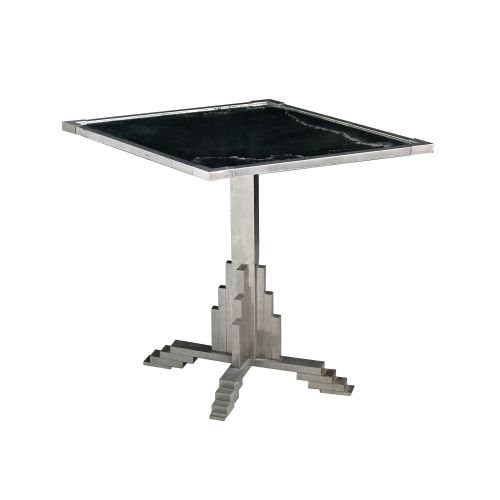
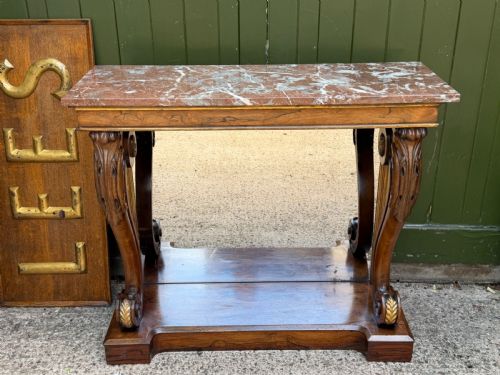


Antique Side Table Mirror
An antique side table mirror brings depth and light to a room, uniting a sturdy surface with reflective glass.
Antique Side Table Mirror
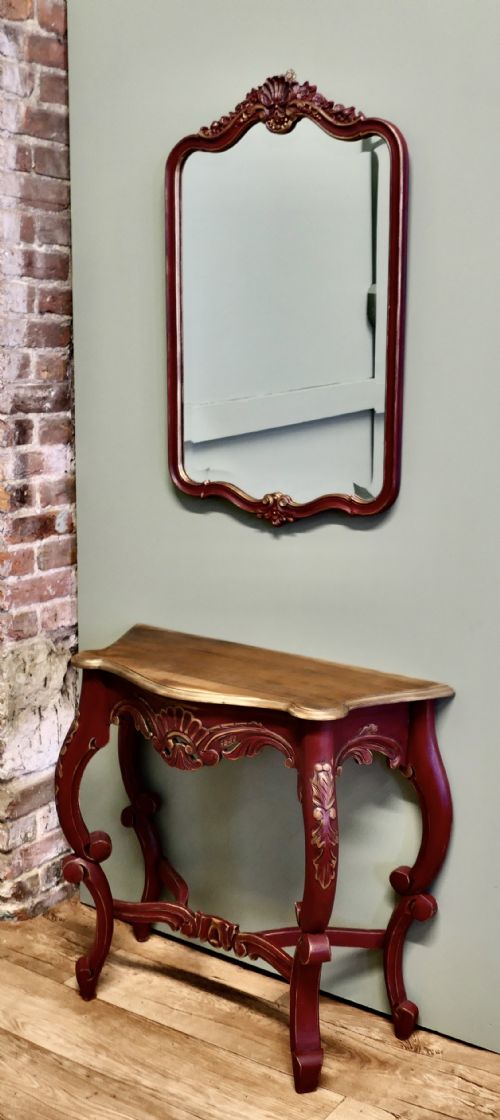
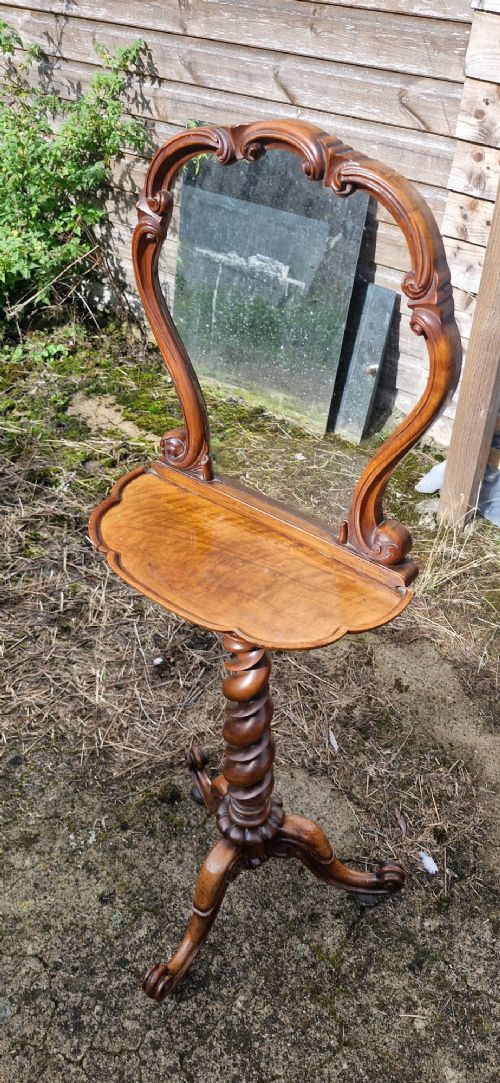
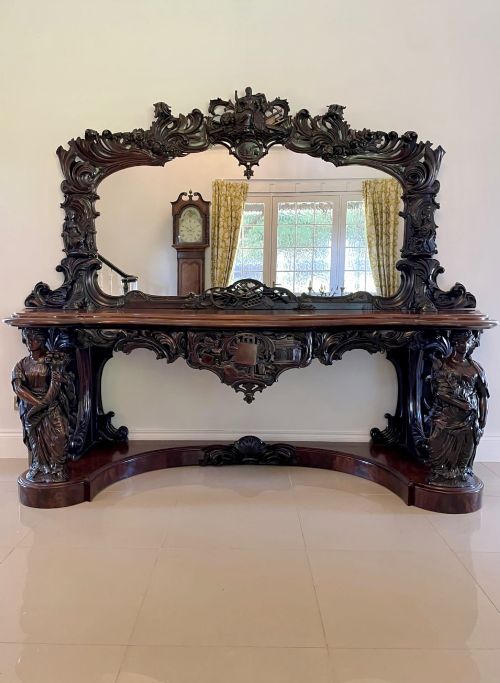
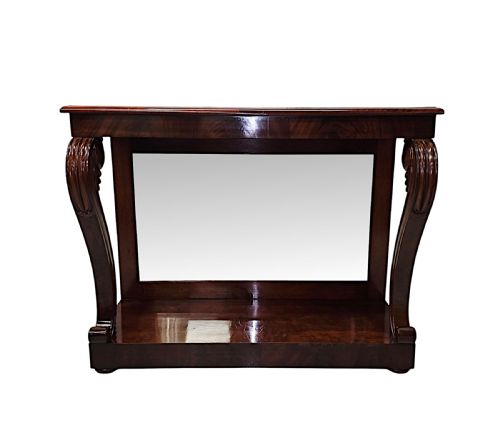
An antique side table mirror combines a low wooden support with reflective glass, functioning either as a console table paired with a wall glass or a fitted dressing piece. The pieces met here span the nineteenth century through the art deco era, drawing on regency, Victorian and Edwardian design.
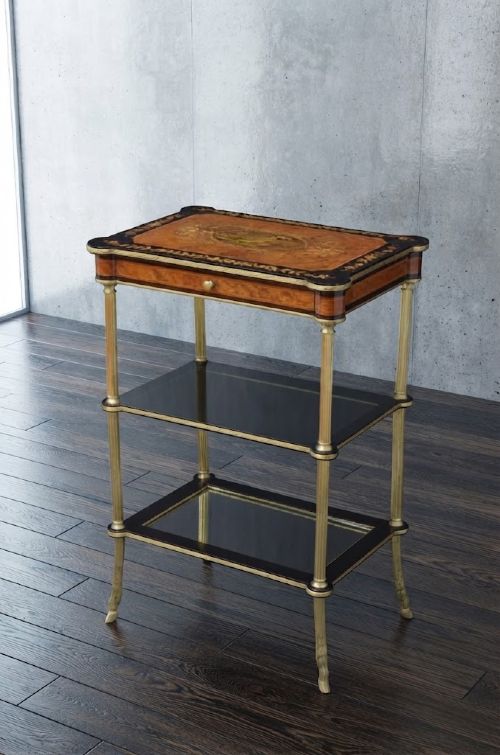
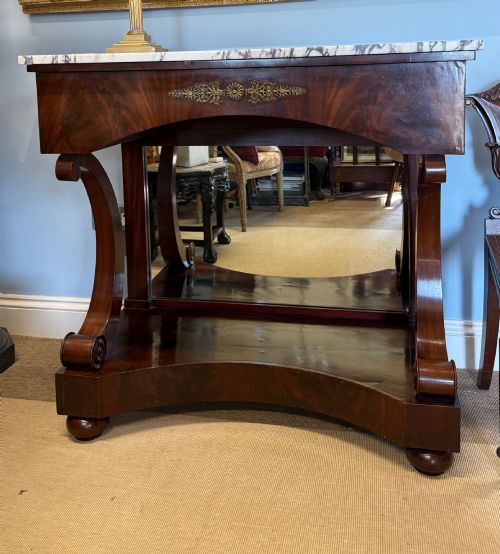
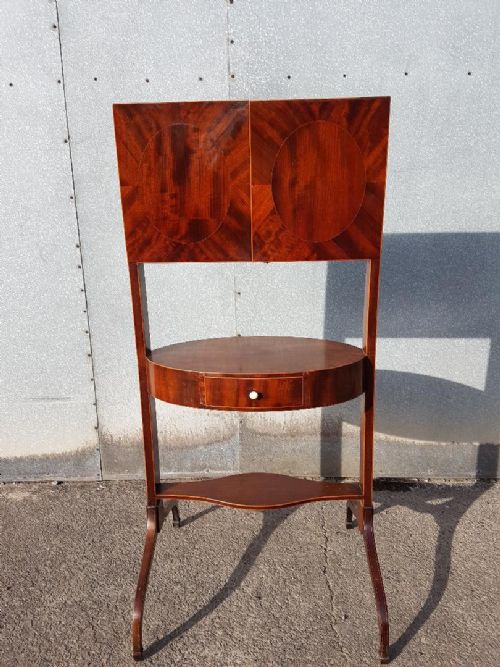
Makers adapted these forms for various rooms, resulting in console tables with mirror backs, occasional tables with mirrored tops, and dressing washstands. Mahogany, rosewood and walnut provide the structural framework, often paired with marble tops and heavy plate glass.
How they were made
Cabinetmakers constructed the frames using dense timbers like mahogany, rosewood and walnut, sometimes employing parcel-gilt, ebonising or marquetry inlay for surface decoration. Figured veneers and solid mahogany form the primary carcasses, shaped to match regency or Victorian revival tastes.
Heavy marble slabs in white or coloured varieties were fitted to console and washstand tops to bear weight and resist moisture. Original mirror plates, including early triplate and silvered glass, were secured into carved wooden frames or backing panels.
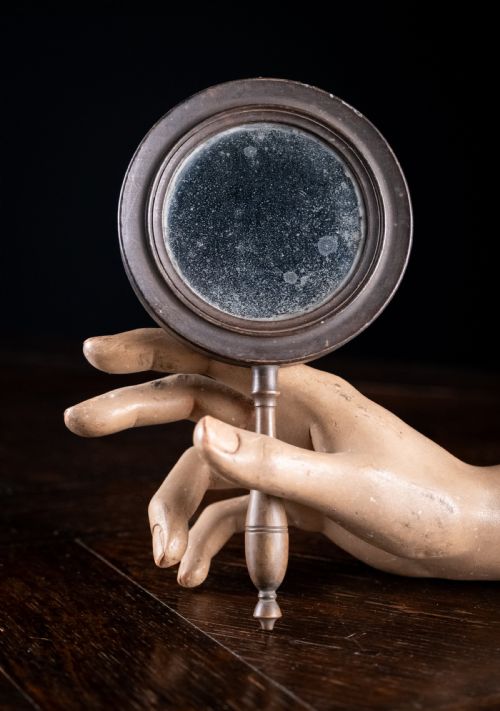
Double-sided hand mirrors allowed users to inspect their appearance from multiple angles before the widespread adoption of fitted dressing furniture.
What varies in quality
The sophistication of the timber carving and the choice of veneer define the upper tier of these pieces, alongside the presence of original marble tops and untouched mirror plates. Pieces attributed to specific workshops or bearing exhibition standards display finer joinery and more ambitious proportions.
Construction details such as secondary wood selection, the crispness of gilded gesso work, and the integration between table and mirror elements separate standard domestic items from grander country house examples.
Gillingtons of Dublin·Pauly et Cie·Donald Ross·Gillows of Lancaster
The Antique Side Table Mirror Glossary
- Console Table
- A table designed to stand against a wall, frequently supported by scroll legs, pillars or brackets. Many examples in this category incorporate an attached mirror back.
- Triplate
- A mirror constructed from three distinct panels of glass, commonly found in Georgian and regency dressing tables. The side panels often swivel to adjust the angle of reflection.
- Giltwood
- Timber coated with a thin layer of gold leaf over a prepared gesso ground. This finish appears frequently on regency and Victorian rococo revival frames.
- Chiffonier
- A low cabinet featuring shelving or a mirror superstructure, used for storage and display in nineteenth-century interiors.
- Parcel-gilt
- A decoration technique where selected portions of a wooden object are gilded while the rest of the timber remains exposed.
Antique Side Table Mirror: Frequently Asked Questions
How do I clean an antique mirror plate?
Use a soft, dry microfibre cloth to remove dust from the glass surface without applying excessive pressure. Avoid commercial liquid cleaners that might seep behind old silvering and cause further degradation.
Test any cleaning method on a small, unobscured corner first. Preserving the original mercury or silver backing requires gentle handling and protection from moisture.
Where should I place a console mirror?
Position these pieces against a flat wall in a hallway, drawing room or dining space where they can reflect natural light from windows. Ensure the floor is level so that heavy marble tops and tall mirror frames remain stable.
Keep the timber away from direct heat sources and strong sunlight to prevent veneer cracking or fading. Secure tall console mirrors to the wall using appropriate fixings for safety.
How do I identify a regency table?
Look for classical architectural motifs, sabre legs, brass inlay and dark tropical hardwoods such as rosewood and mahogany. Proportions during this period lean towards refined symmetry and clean structural lines.
Examine the construction methods underneath the table, noting hand-cut joints and secondary timbers consistent with early nineteenth-century workshop practices.
Are marble tops original to these tables?
Check the underside of the stone and the rebate of the wooden frame to see if the marble rests naturally within its original housing. Consistent weathering and matching edge profiles indicate that the top has remained with the base since manufacture.
Inspect the weight and thickness of the slab, as nineteenth-century marble tops were typically heavy and quarried to fit specific console dimensions.