

Antique Side Table Light
When you search for an antique side table light, you uncover a practical combination of illumination and sturdy surface space.
Antique Side Table Light
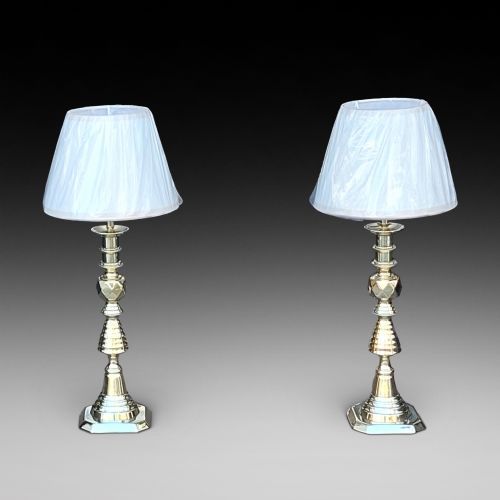
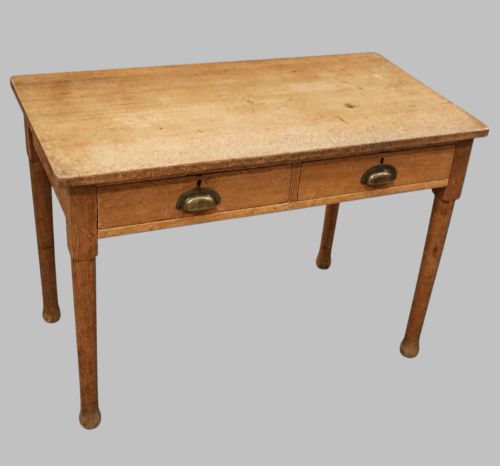
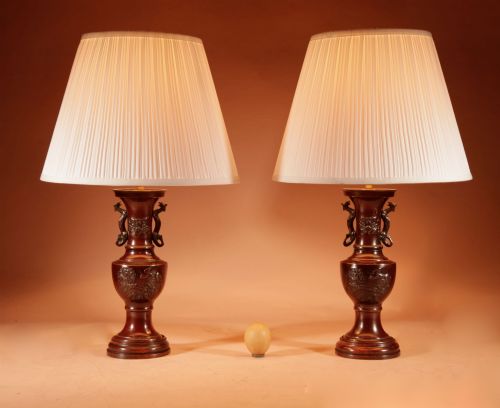
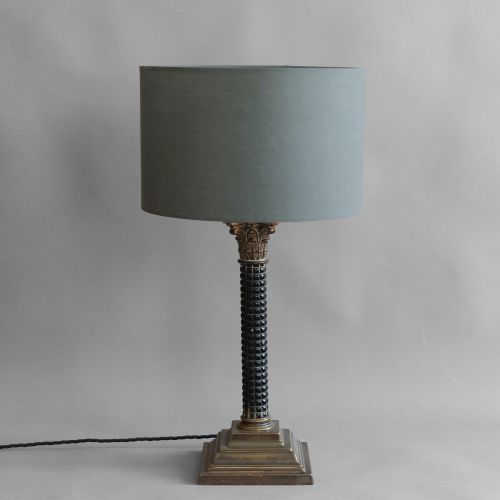
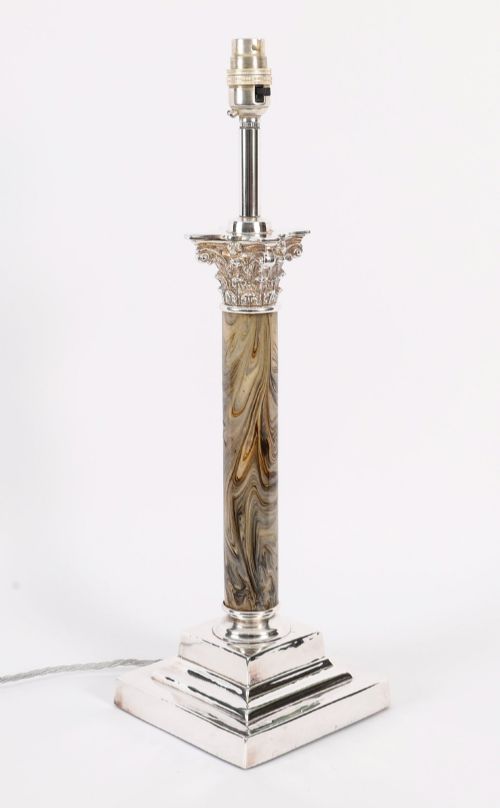
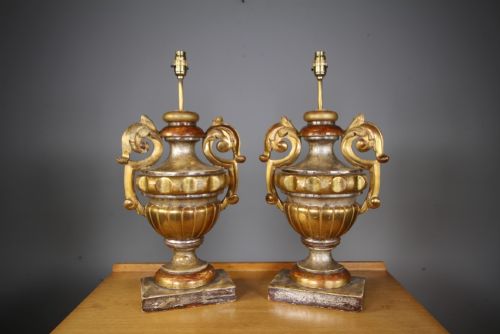
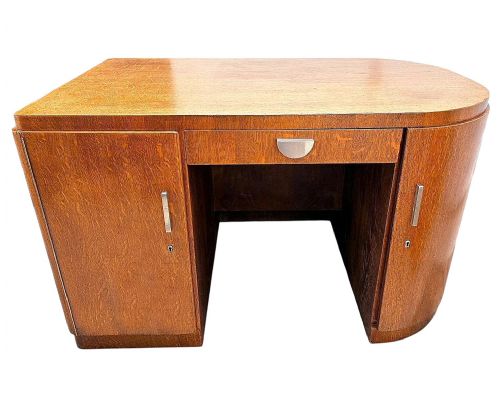
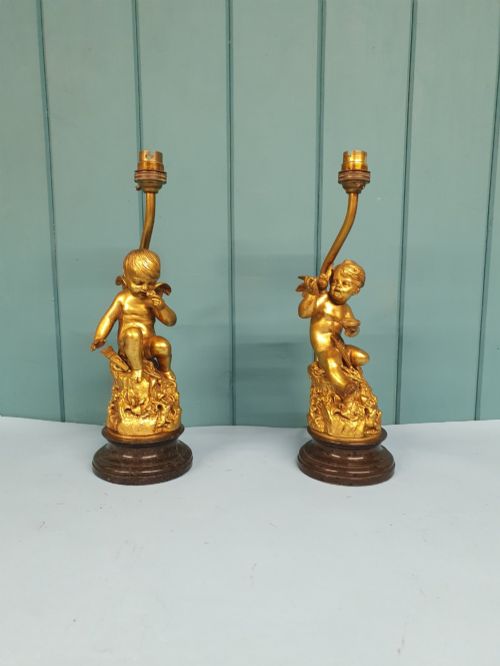
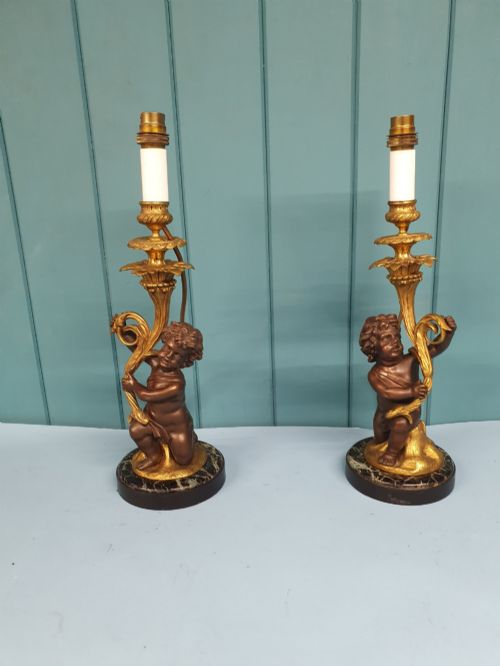
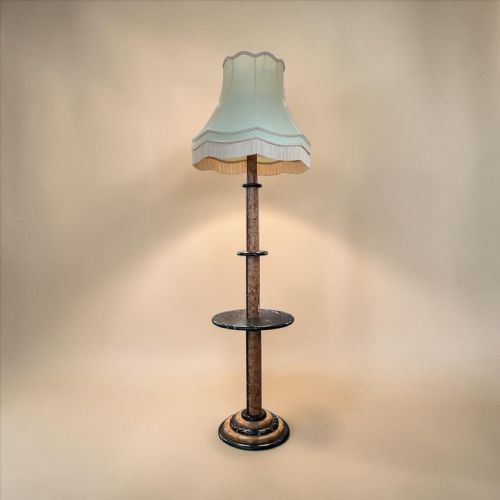
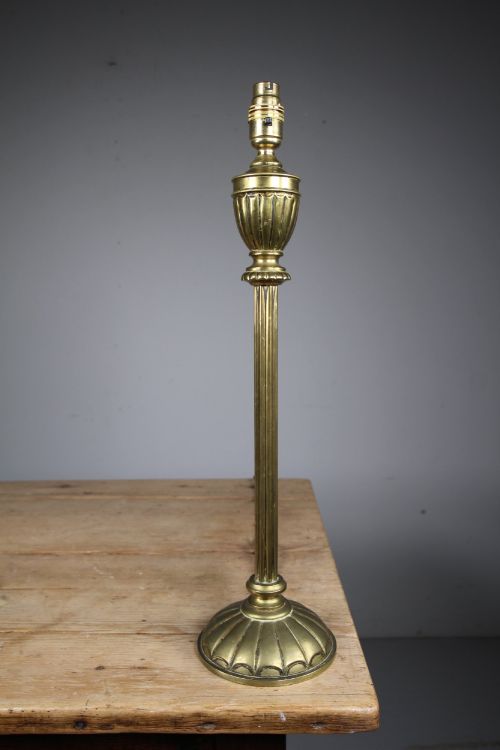
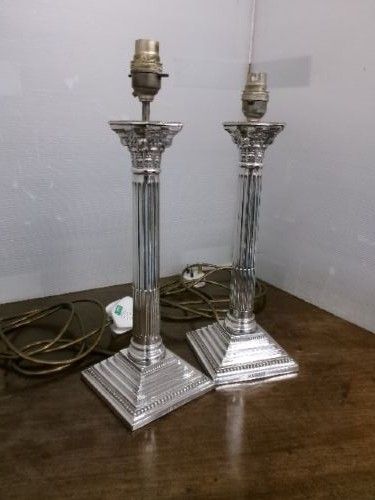
Buyers will encounter lighting fixtures styled as Corinthian columns, classical urns, and figurative bronzes alongside practical oak side tables and desks. Pieces span the Georgian, Victorian, and Edwardian eras up to Art Deco designs from the 1930s.
Many lighting examples originate as conversions from earlier candelabra, oil lamps, or architectural elements, paired with fabric shades. Small tables serve adjacent functions in hallways and bedrooms, offering a compact surface to support the lamp itself.
Materials and Technique
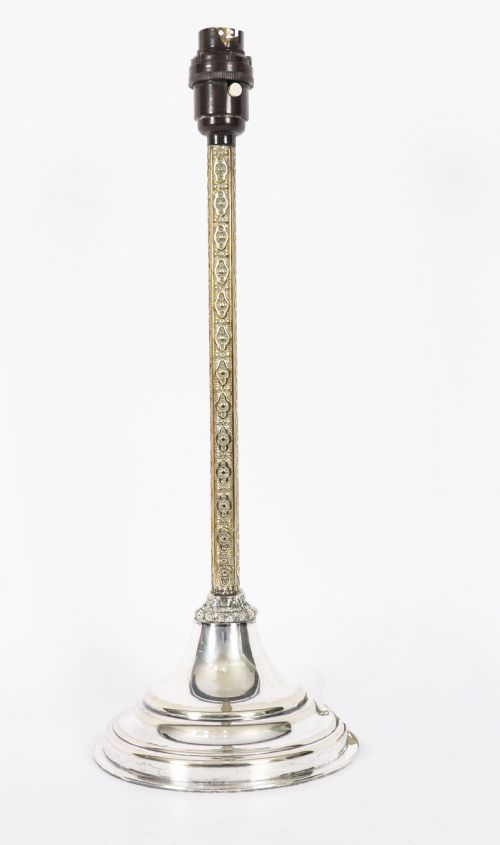
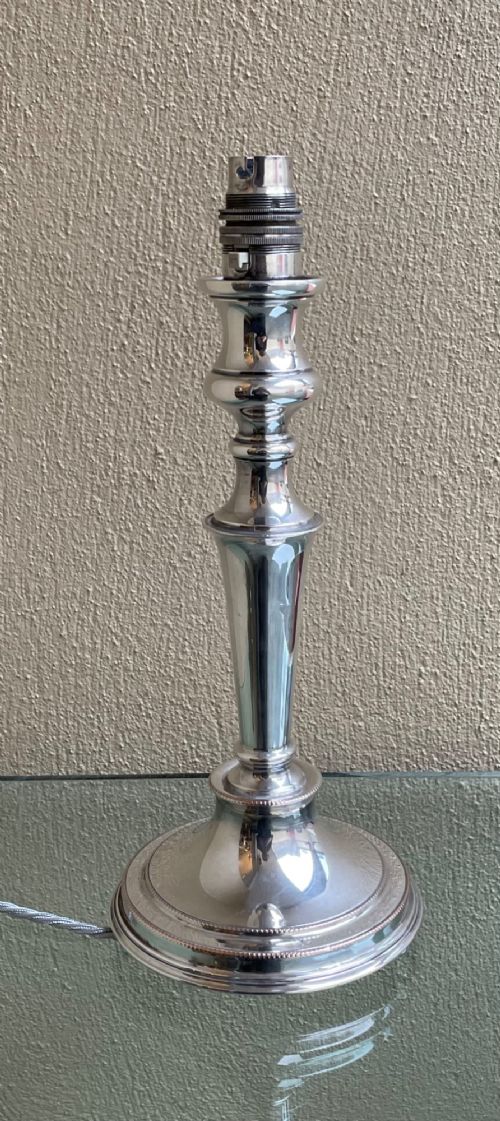
Metals form the backbone of the lighting fixtures, utilising cast brass, silver plate, ormolu, and gilt bronze, often shaped into classical motifs, cherubs, or architectural columns. Stonework appears in solid marble bases and urns, providing substantial weight to anchor tall fittings.
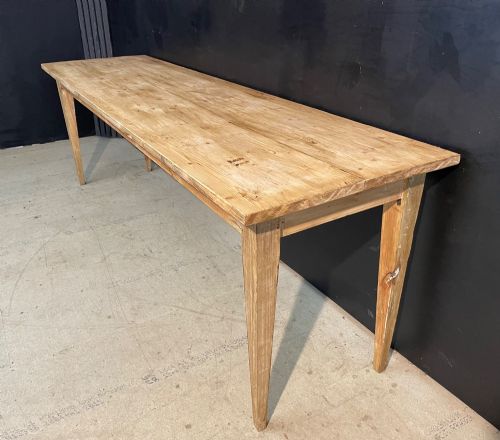
Woodworking traditions define the tables and stands, employing solid oak, bleached oak, light oak, satin birch, and sycamore. Joinery methods range from traditional panel construction to carved decorative details found in Jacobean and Rococo revival styles.
Listings combine lighting fixtures in brass, silver plate, and marble with wooden furniture forms including oak console tables, satin birch desks, and pine bedside cabinets.
Assessing Quality
The standard of a piece rests upon the crispness of metal casting and the depth of carving in wood or stone. Heavy cast brass, finely detailed ormolu, and solid marble indicate superior workshop standards compared to lighter stamped metals.
Selection depends on the integrity of materials and the harmony of the conversion work where lamps incorporate older candelabra or urns. Fine timber selection, such as fiddleback sycamore or figured elm, separates standard utility furniture from finer domestic pieces.
Mappin and Webb·E Rousseau·Heals·Fortnum and Mason·James Mein of Kelso
The Antique Side Table Light Glossary
- Corinthian Column
- A classical column style featuring ornate acanthus leaves at the top of the shaft. This design appears frequently in tall brass and silver-plated table lamps from the nineteenth and early twentieth centuries.
- Ormolu
- Finely ground high-carat gold applied to a bronze base using a mercury-gilding technique. It provides a rich, durable golden surface on decorative mounts and lamp bodies.
- Pembroke Table
- A small occasional table with hinged drop flaps on either side. These tables often feature a single drawer and slender legs.
- Silver Plate
- A thin layer of silver fused to a base metal such as copper or brass. Many Edwardian and Victorian lamps utilise this method to achieve the look of solid silver at a lower weight.
Antique Side Table Light: Frequently Asked Questions
Are these lamps converted from older objects?
A significant portion of period lighting began life as oil lamps, candlesticks, or architectural bronzes. Craftsmen later adapted these solid metal and ceramic objects to house electrical fittings.
Such conversions are standard practice in the antiques trade rather than modern alterations. They allow historical decorative arts to serve a practical function in modern rooms.
Where should I place a side table light?
These compact pieces suit bedside tables, hallway consoles, and small occasional surfaces in sitting rooms. Their dual nature provides a stable platform for books or small items alongside ambient illumination.
Matching the scale of the lamp to the surface area of the table ensures visual balance. Tall column lamps require sturdier, wider bases to prevent tipping.
How do I distinguish Victorian from Art Deco pieces?
Victorian lighting and furniture lean heavily towards historic revival styles, incorporating ornate brass castings, classical columns, and heavy carved wood. Art Deco pieces from the 1930s favour streamlined geometry, modernist silhouettes, and smooth elm or oak surfaces.
Examining the underlying motifs helps date the construction accurately. Classical cherubs and Corinthian capitals point to the nineteenth century, whereas clean geometric lines indicate the interwar period.