
Victorian Revival Table Lamp
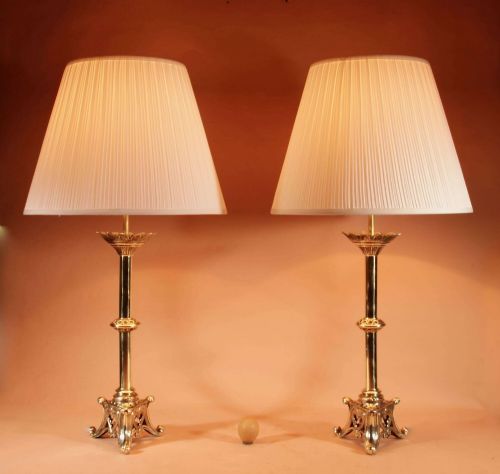
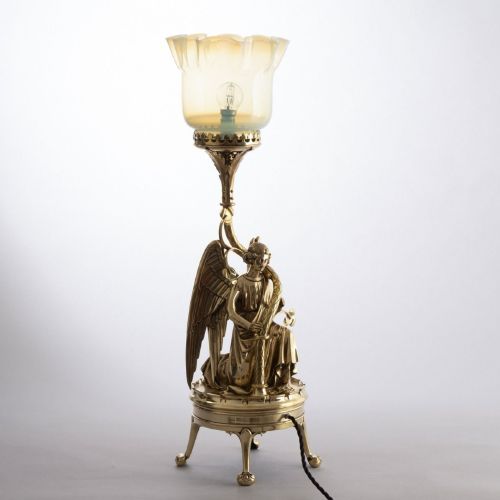
These pieces brought lighting and display to nineteenth-century rooms, and a victorian revival table lamp delivers period atmosphere and function to modern interiors.
Victorian Revival Table Lamp
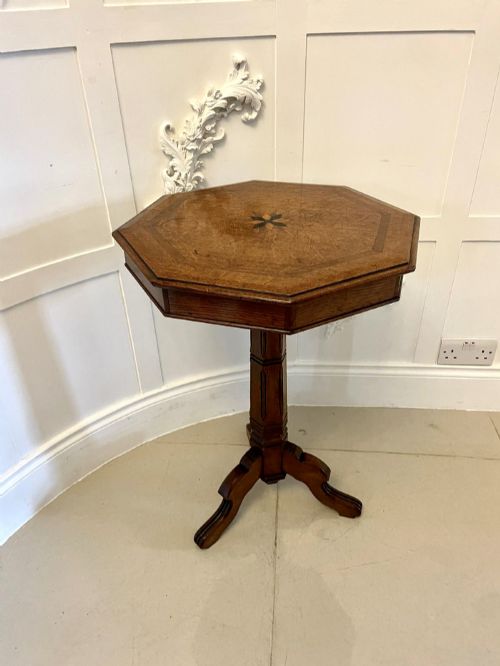
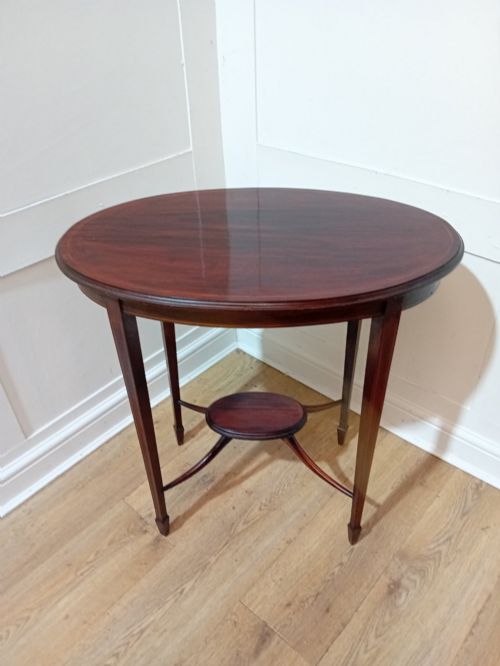
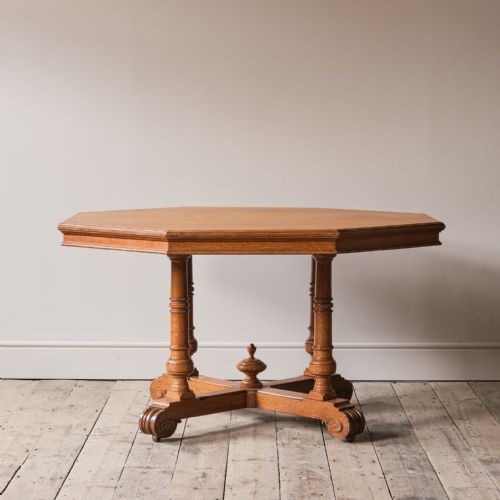
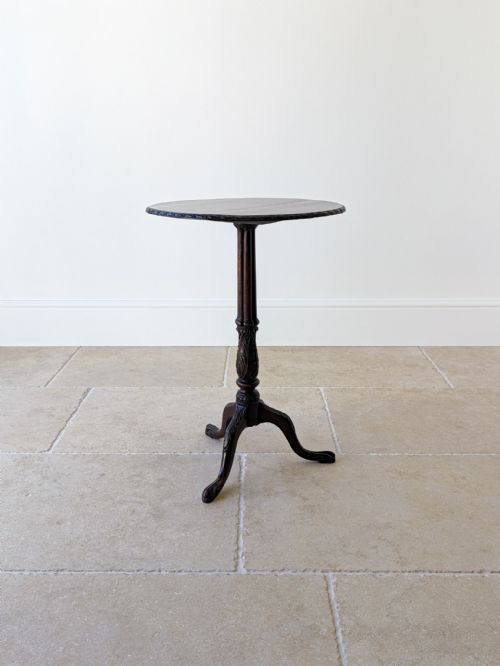
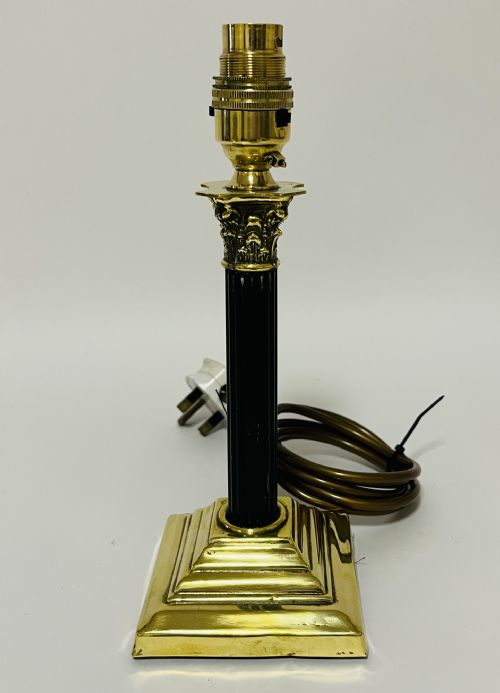
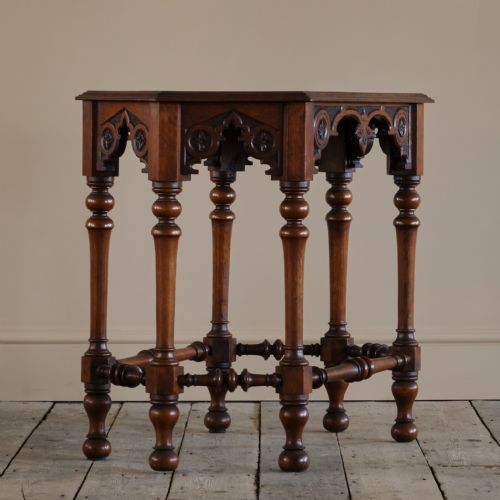
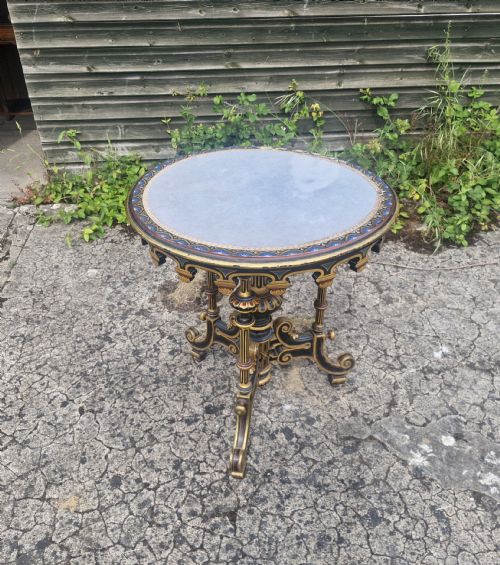
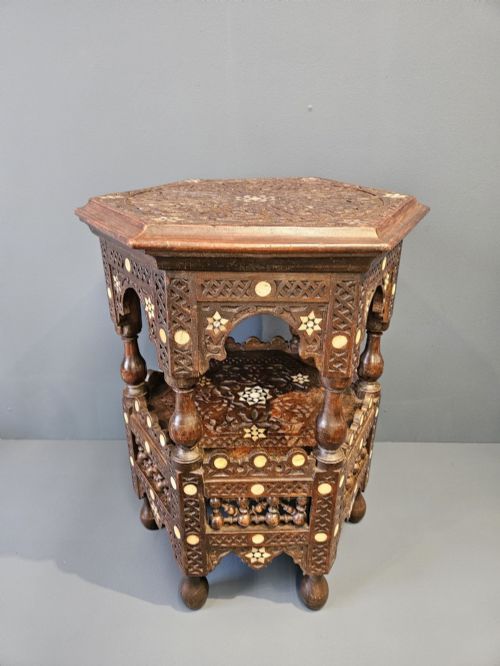
A buyer searching for a victorian revival table lamp encounters two distinct forms fulfilling different interior needs. The selection spans structural lamp bases made from cast brass, silver plate, and gilt metal, alongside small occasional and side tables originally designed to support lighting.
The evidence shows diverse revival influences spanning the Victorian, Edwardian, and early twentieth-century periods. These objects combine historical styling with practical late-nineteenth and early-twentieth-century illumination needs.
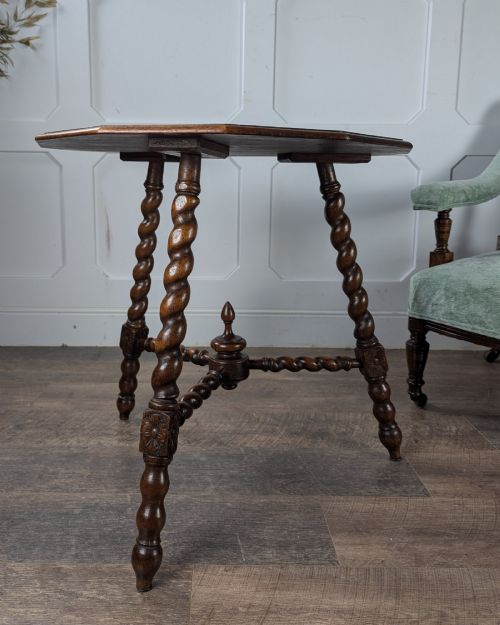
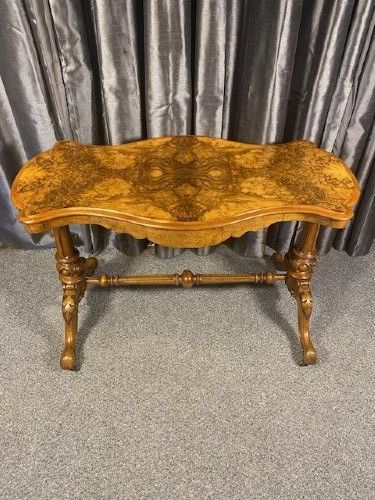
Materials range from carved oak and burr walnut to vaseline glass and porcelain columns. Buyers find both purpose-built lamp bases and converted church candlesticks or statuettes that serve as atmospheric lighting.
How They Were Made
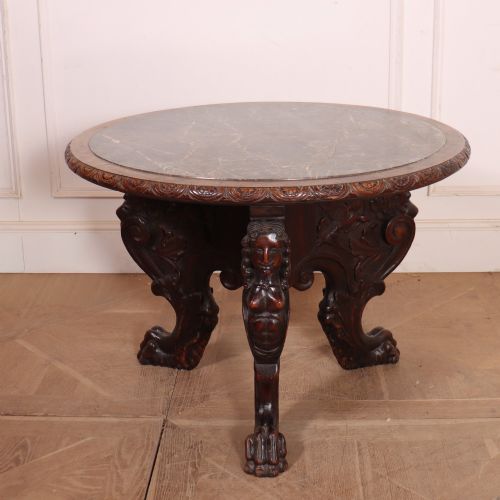
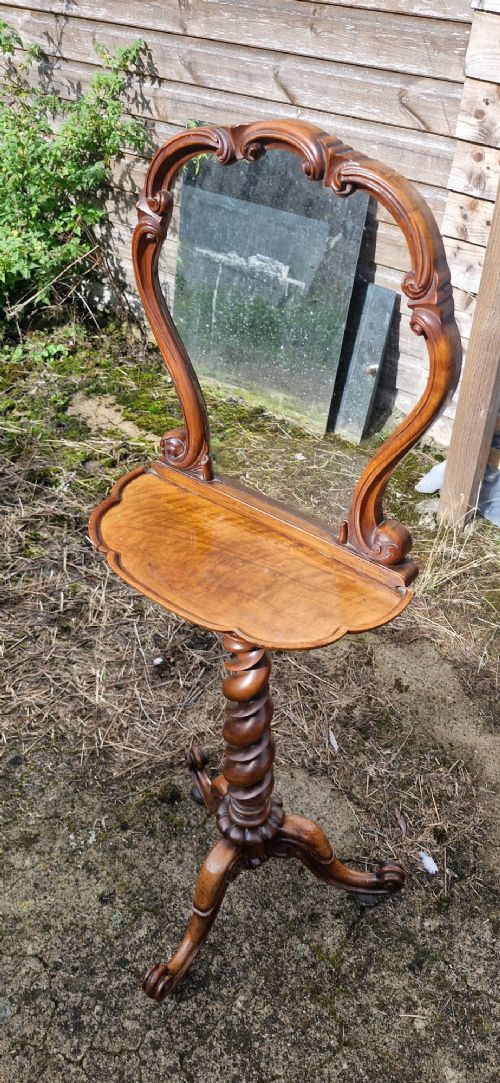
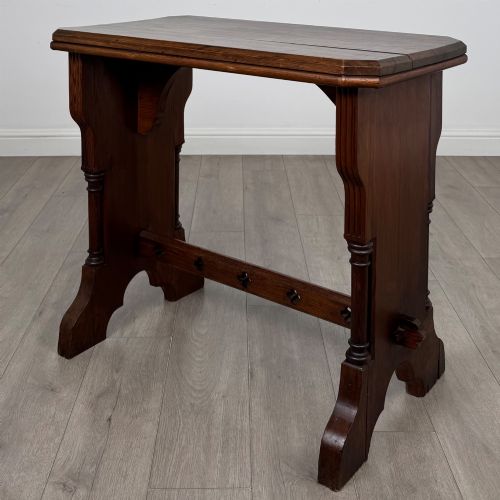
Makers utilised cast and chased brass, gilt bronze, and silver plate for structural columns and bases, often incorporating classical Corinthian capitals or ornate floral motifs. Heavier examples employ solid oak, walnut, and mahogany for turned supports, barley twist legs, and tripod bases.
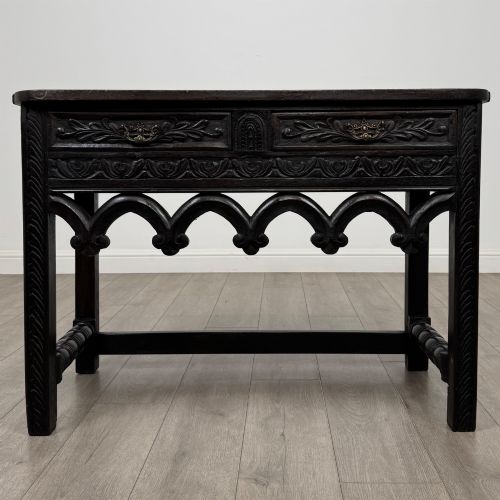
Detailing relied on skilled carpentry and metalworking techniques, seen in inlaid mahogany, carved oak panels, and mounted porcelain or opaline glass components. Many surviving electrical conversions began life as oil lamps, altar candlesticks, or decorative ewers.
Listings combine architectural brass columns with carved mahogany wine tables and walnut occasional surfaces spanning the nineteenth and early twentieth centuries.
What Varies in Quality
The hierarchy of quality rests on the crispness of the casting in metal bases and the depth of carving in wooden tables. Finely chased acanthus leaves on a brass column or solid burr walnut veneers demonstrate superior craftsmanship compared to simpler, mass-produced alternatives.
Proportion and material integrity dictate desirability, particularly in matched pairs of column lamps or intricately turned occasional tables. Original surface patination and authentic period mounting hardware separate standard utilitarian items from exceptional decorative examples.
Harrison Brothers & Howson·Sitzendorf
The Victorian Revival Table Lamp Glossary
- Corinthian Column
- A classical column form featuring an ornate capital decorated with acanthus leaves. This motif proved especially popular for nineteenth-century metal lamp bases.
- Barley Twist
- A turning technique producing a spiral helix shape on wooden table legs and supports. It became a hallmark of late Victorian oak furniture.
- Vaseline Glass
- A yellowish-green glass coloured with uranium oxide that glows under ultraviolet light. It appears in late nineteenth-century lighting components.
- Gilt Bronze
- Bronze metal coated with a thin layer of gold or gold-coloured alloy. Also known as ormolu, it provided rich metallic detail on decorative mounts.
- Occasional Table
- A small, versatile stand designed for specific tasks such as holding a lamp, books, or drinks. These pieces moved easily around nineteenth-century reception rooms.
Victorian Revival Table Lamp: Frequently Asked Questions
Are these lamps safe to use today?
Most antique lamps require rewiring to meet current electrical standards before daily use.
Qualified electricians can easily update internal cord sets while preserving the original historical exterior.
How do I identify a converted oil lamp?
Look for a threaded burner gallery at the top where the original oil reservoir once sat.
These fittings were adapted during twentieth-century electrification to hold modern lamp holders and shades.
What is the difference between a lamp table and a side table?
Lamp tables feature smaller top surfaces specifically proportioned to hold illumination sources securely.
Side tables offer broader surfaces intended for general display, books, or serving objects in a reception room.
How do I date a brass column lamp?
Examine the weight of the casting, the style of the capital, and the construction of the base plate.
Victorian examples often feature heavy brass construction with threaded component parts rather than modern welded joints.