
Antique Side Stool
An antique side stool bridges the gap between low occasional seating and a compact table, bringing practical utility and solid historic craftsmanship into a room.
Antique Side Stool
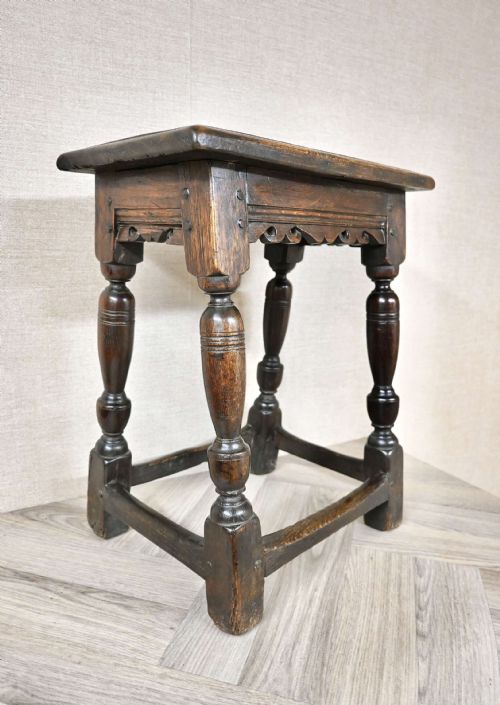
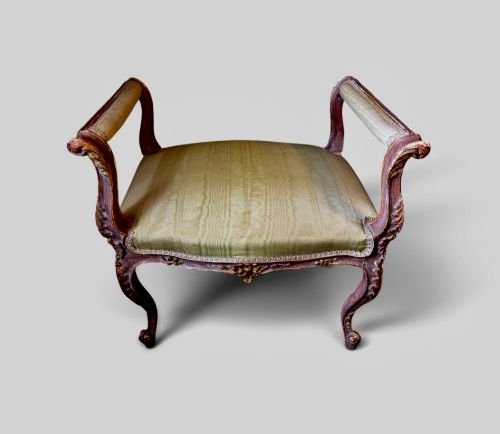
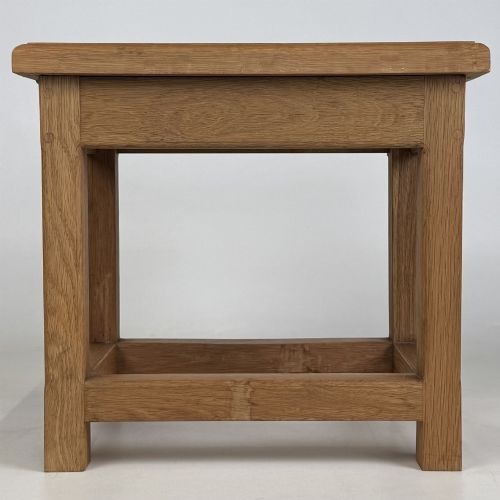
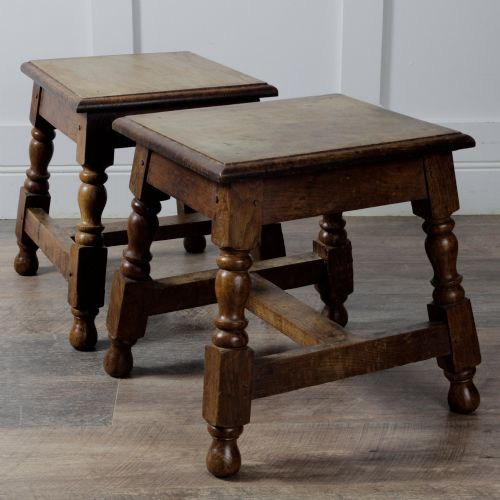
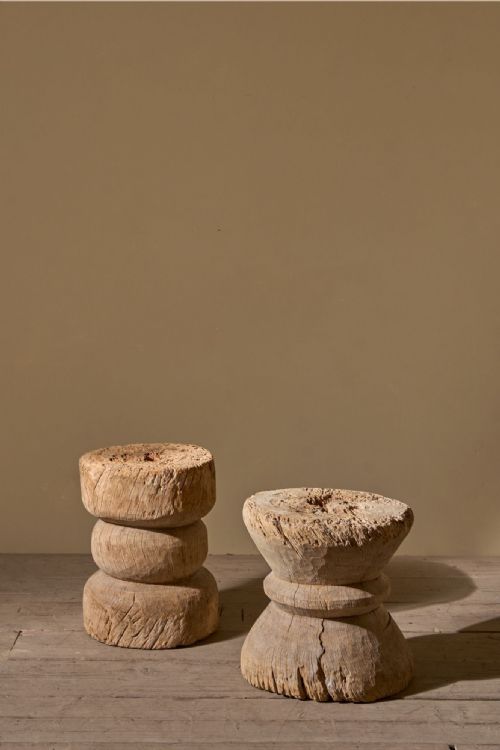
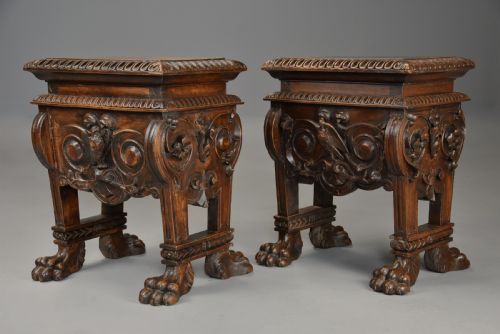
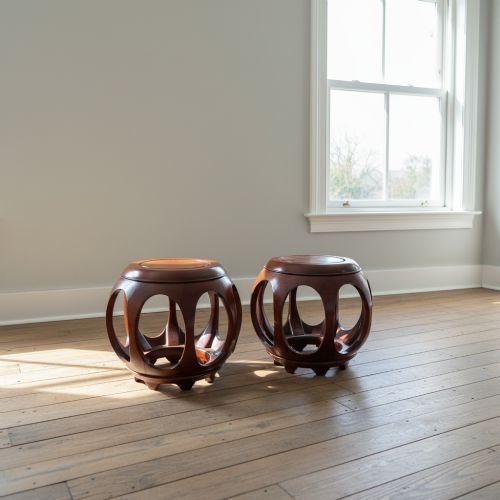
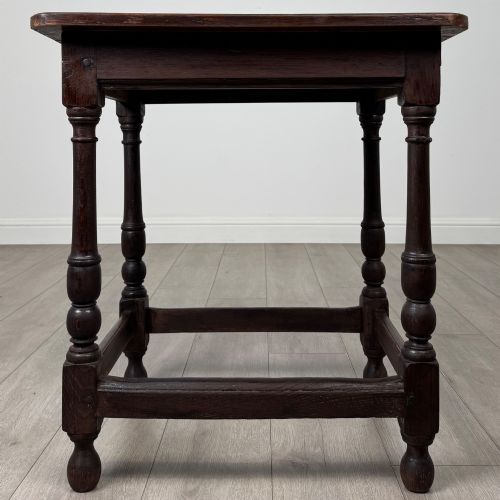
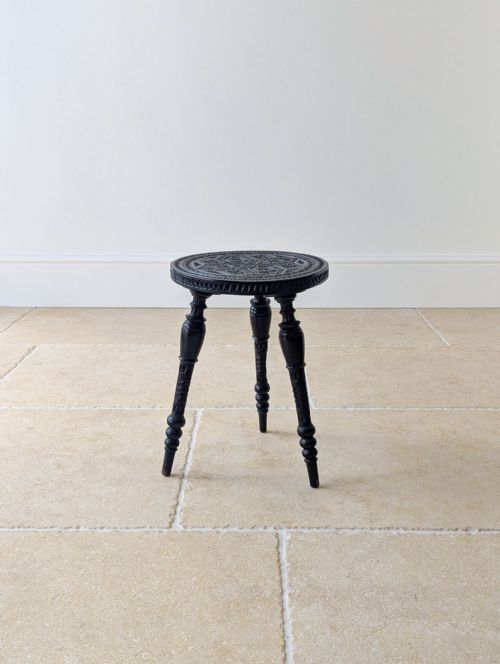
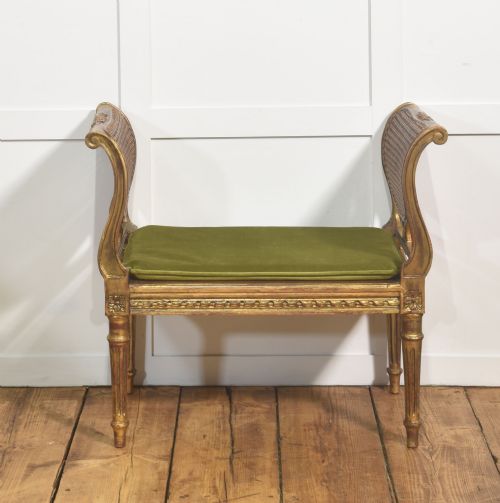
When searching for an antique side stool, buyers encounter a versatile category that blurs the boundary between low seating, small tables, and bedside stands. These pieces range from early provincial joint construction to later upholstered dressing seats and decorative window benches.
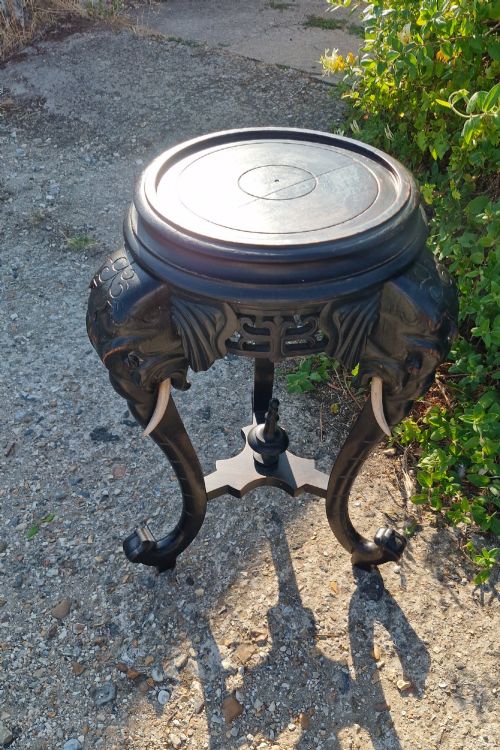
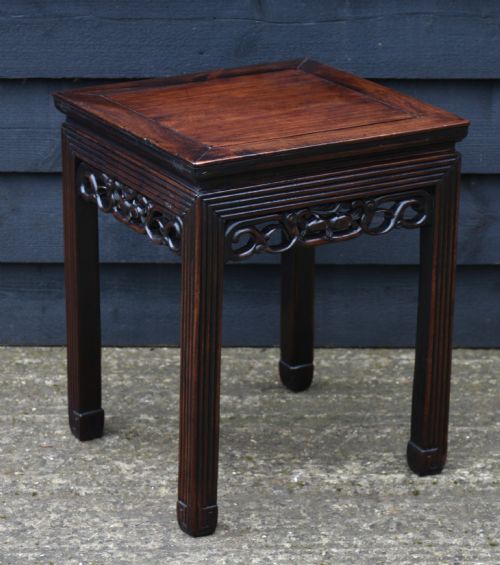
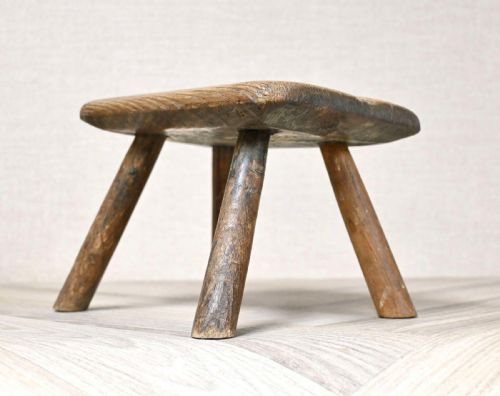
Forms vary from rustic milking stools and box seats to carved walnut stands and cane window seats, reflecting diverse domestic requirements across centuries of British and continental woodworking traditions.
Materials and construction methods
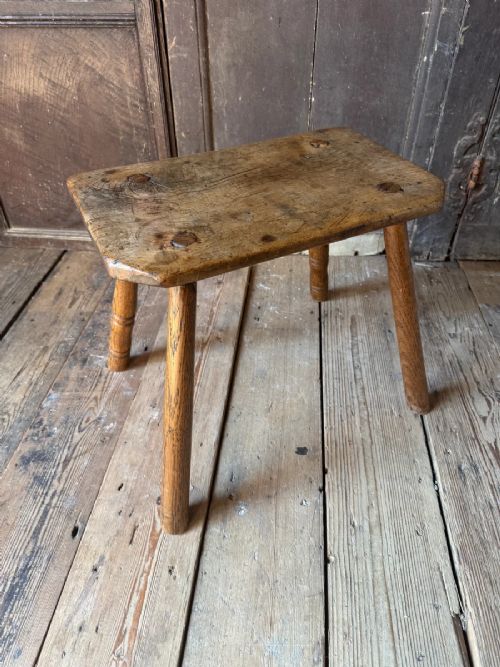
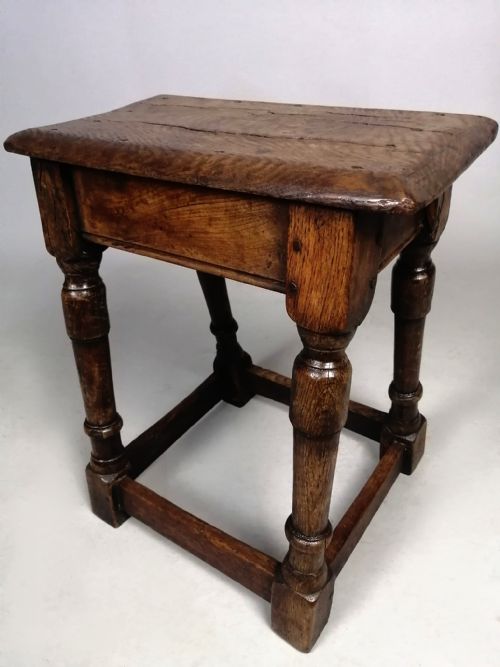
Carpenters relied heavily on native timbers such as oak, elm, ash, and walnut, selecting dense hardwoods capable of withstanding heavy daily use. Joint construction typically employed pegged mortise and tenon joints to secure upright legs to thick plank tops without relying on metal fasteners.
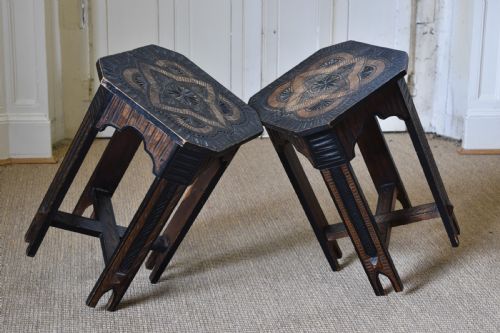
Secondary decorative treatments included chip carving, turning, and occasional applications of giltwood, lacquer, or original historic paint surfaces. Upholstered variations utilised sturdy internal webbing and traditional stuffing secured beneath needlepoint or woven textiles.
Listings feature structural timbers including oak, elm, ash, and walnut alongside decorative accents in brass and giltwood.
Judging quality and authenticity
Quality rests primarily on the integrity of the timber and the preservation of original surfaces, where undisturbed patination and honest wear distinguish authentic early pieces from later revivals. The tightness of structural joints and the absence of inappropriate timber replacements dictate durability and long-term value.
Finer examples display careful hand-carving, balanced proportions, and well-chosen grain patterns, whereas utilitarian workshop pieces prioritise rugged function over refined ornamentation.
The Antique Side Stool Glossary
- Joint stool
- A sturdy wooden stool constructed with pegged mortise and tenon joinery rather than turned legs secured by glue. These pieces date predominantly from the seventeenth and eighteenth centuries and served multiple domestic purposes.
- Box stool
- A seating form featuring a lidded compartment beneath the seat surface. Such items often doubled as small storage chests or close stools in domestic interiors.
- Vernacular
- Describing utilitarian objects built by local craftspeople using regional materials and traditional designs. These items prioritise direct practicality over high-style metropolitan fashions.
- Giltwood
- Timber that has been coated with a thin layer of gold leaf or metallic paint. This finish appears frequently on decorative window seats and formal revival furniture.
- Cricket table
- A small, lightweight three-legged table designed for uneven floors. The three-legged format ensures stability on flagstone or timber floorboards.
Antique Side Stool: Frequently Asked Questions
How were these stools used historically?
Historically, these items fulfilled a multitude of daily domestic tasks ranging from fireside seating and music practice to holding small lamps or working materials. Their portable nature allowed servants and family members to move them easily around the house wherever extra height or a small surface was required.
Many enclosed variants also provided discreet interior storage for household goods or personal items.
How do I date an oak joint stool?
Dating an oak joint stool involves examining the construction marks, tool impressions, and the nature of the timber shrinkage over centuries. Early seventeenth-century examples typically feature hand-rived oak boards, heavy peg construction, and distinct chamfering produced by drawknives.
Revival pieces from later centuries often display machine-sawn surfaces, standardised dimensions, and cleaner, less weathered timber edges.
Can I use an antique side stool as a bedside table?
These pieces function exceptionally well as bedside tables due to their compact footprints and sturdy flat tops. Their historic character introduces warmth and texture to a bedroom while providing a convenient surface for books or lighting.
Selecting a piece with a stable top and solid leg construction ensures it safely holds daily items without wobbling.