





Traditional Stool Chair
These traditional stool chair examples span diverse historical periods and regional styles, offering practical seating solutions for period and eclectic interiors alike.
Traditional Stool Chair
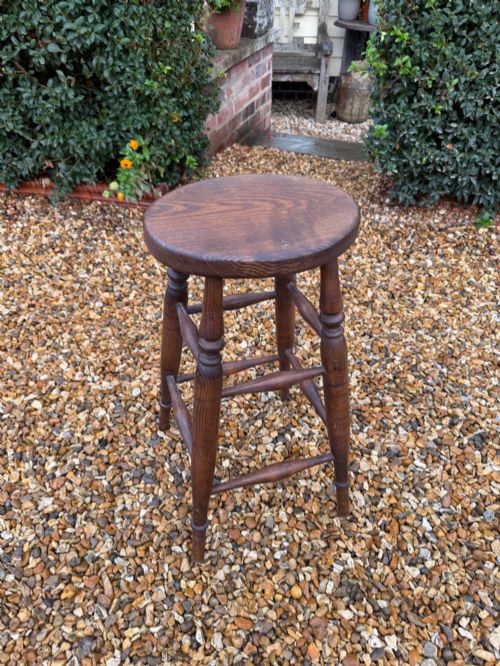
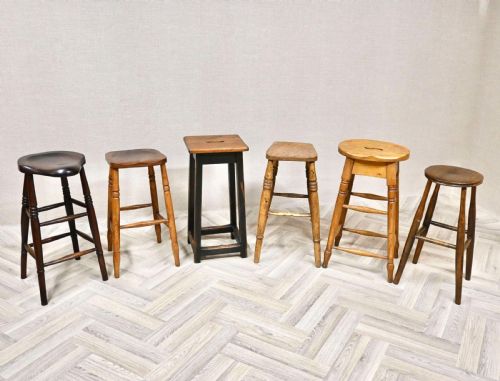
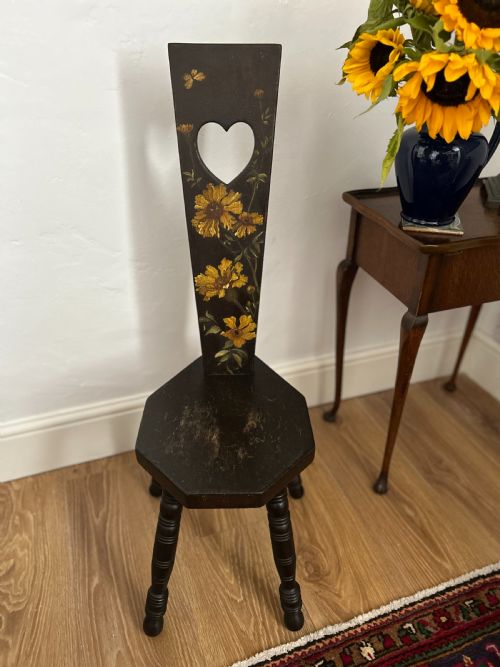
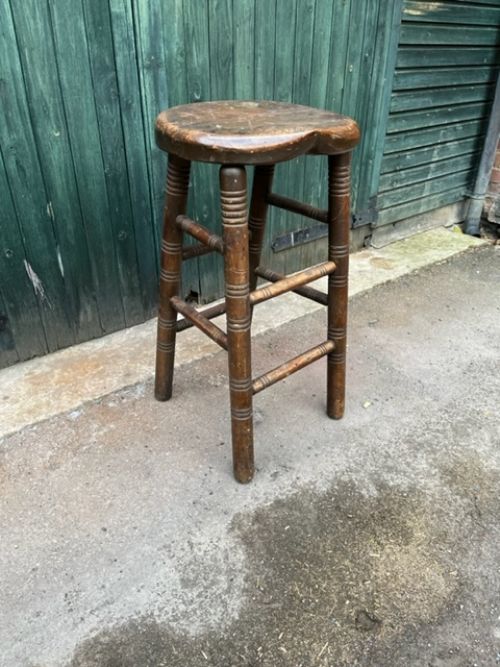
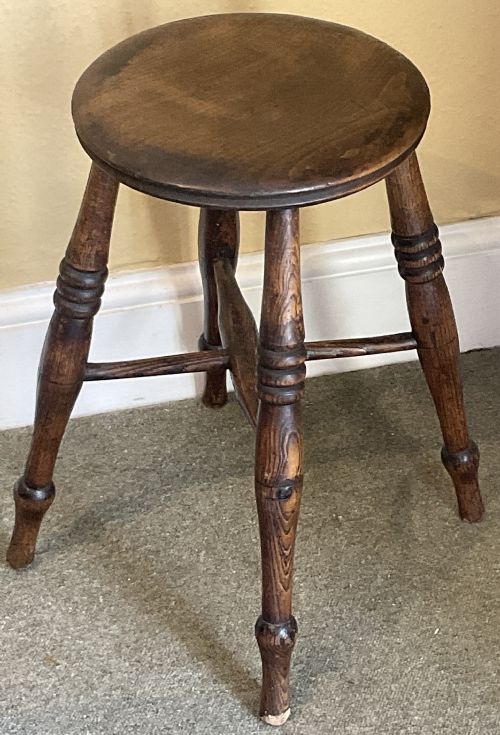
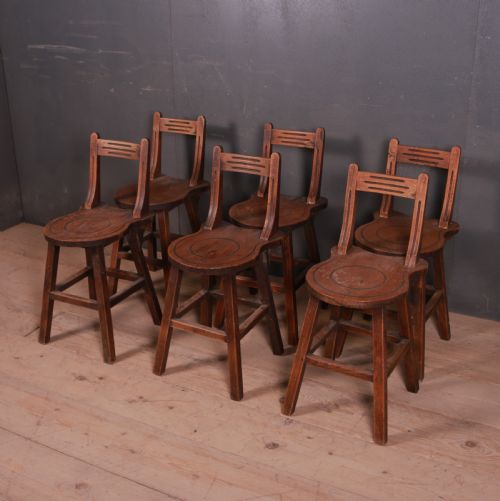
When you search for traditional stool chair items, you encounter a remarkably varied selection of seating forms that bridge the gap between static stools and functional chairs. The listings predominantly feature Victorian and Edwardian examples alongside earlier Regency and Georgian interpretations.
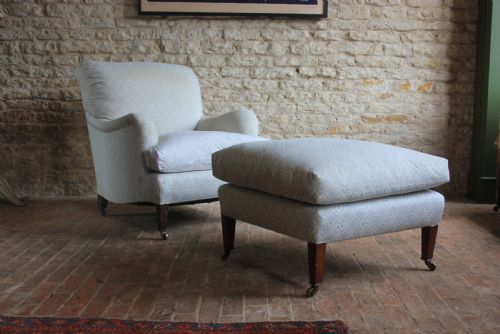
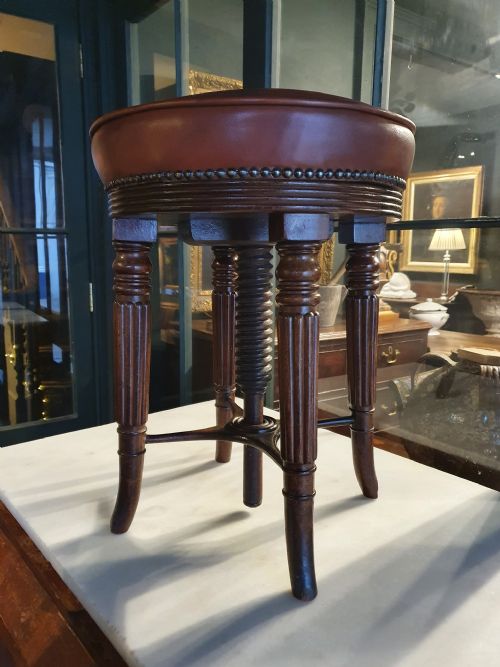
The category encompasses specialised seating such as revolving piano stools, metamorphic library steps, spinning chairs, and tall bar stools. Stools and armchairs with matching footstools also appear frequently within this grouping.
Makers drew upon regional traditions ranging from Welsh folk art and country vernacular to Queen Anne styling and rustic farmhouse designs. Elm, oak, mahogany, and walnut form the structural basis of these pieces, often paired with fabric or rush seating.
How they were made
Cabinet makers and local artisans utilised timbers such as mahogany, oak, elm, and walnut, selecting each wood for its structural integrity and grain. Turning and hand carving feature prominently across the various chair and stool formats.
Specialist mechanisms appear in pieces like revolving piano stools and metamorphic library steps, which require precise joinery to function smoothly. Upholstered elements integrate fabric, leather, and rush seating secured to wooden frames using traditional techniques.
Traditional Stool Chair Retail Price Guide 2026
Typical asking prices for traditional stool chair among the pieces listed under this phrase on Sellingantiques today, from the lower quarter to the upper quarter. They describe what is for sale here now, not the wider market.
What varies in quality
The caliber of a traditional stool chair rests upon the crispness of its hand carving and the integrity of its timber selection. Pieces exhibiting refined joinery and thoughtful proportions stand apart from more utilitarian workshop productions.
Original hardware, functional swivel mechanisms, and untouched surface patination elevate the standing of individual pieces. The cohesion between structural timber and secondary woods similarly dictates the tier of craftsmanship.
Howard & sons·Richard Bridgens
The Traditional Stool Chair Glossary
- Metamorphic furniture
- Pieces designed to transform from one form of furniture into another, such as library steps that fold down into a chair. This clever dual-purpose engineering was particularly popular in domestic libraries.
- Vernacular furniture
- Items made by local craftsmen using regional materials and traditional techniques rather than following academic metropolitan styles. These pieces often reflect the specific functional needs of their local communities.
- Ladderback
- A chair design featuring horizontal slats or rails between the vertical uprights of the backrest. The style has ancient roots and remains common in country vernacular seating.
- Revolving mechanism
- The internal pivot assembly found in piano stools and clerk stools allowing the seat top to rotate. Quality examples operate smoothly without excessive lateral play in the screw thread.
Traditional Stool Chair: Frequently Asked Questions
How do I use a piano stool?
Revolving piano stools were originally designed to give musicians adjustable height while playing keyboard instruments. Today they function effectively as vanity seating or small occasional seats in living spaces.
The winding mechanism allows you to alter the seat height simply by turning the top. This adaptability makes them practical additions to writing desks or dressing tables.
Where did spinning chairs originate?
Spinning chairs traditionally served domestic textile workers who needed a low, stable seat while operating a spinning wheel. Their compact proportions made them easy to position near hearths.
Over time, many of these small chairs became decorative items featuring elaborate hand-carved backs. They work well today as accent seating in hallways or bedrooms.
What are metamorphic library steps?
These clever combination pieces served wealthy households by hiding functional steps inside a decorative chair frame. Librarians and homeowners could convert the seating unit into a sturdy ladder when reaching high bookshelves.
The hinges and locking catches require careful handling during transformation. Keeping the mechanical pivot points clean ensures the wood does not bind during operation.
How do I care for antique wood?
Maintaining antique timber requires keeping pieces away from direct heat sources and sudden humidity changes. Natural beeswax polish helps nourish dry wood and preserves the surface sheen.
Avoid using modern silicone sprays or harsh chemical cleaners on antique finishes. Gentle dusting with a soft cloth protects the historic patination accumulated over generations.