




Antique Shop Fitting Cabinet
These heavy-duty storage and display units, searched as antique shop fitting cabinet, turn utilitarian commercial interiors into striking domestic furniture.
Antique Shop Fitting Cabinet
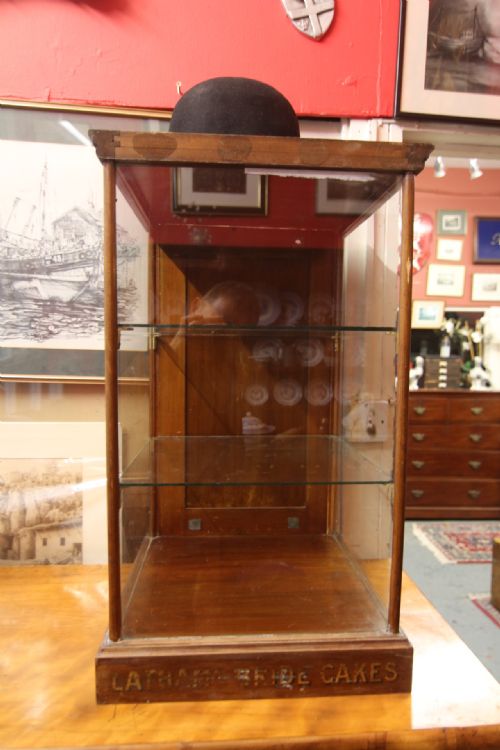
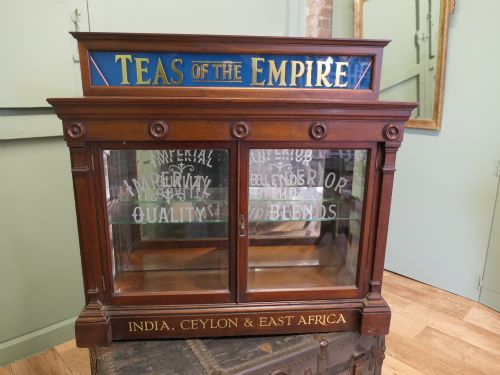
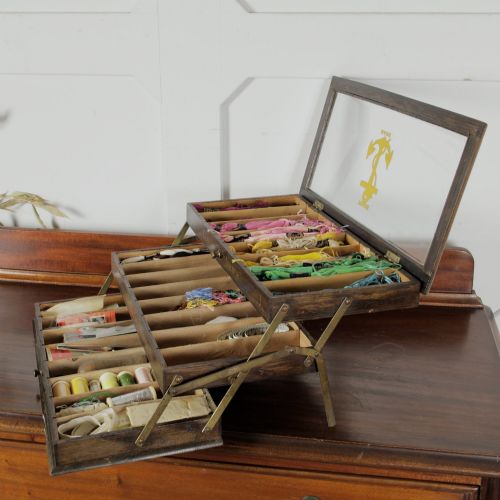
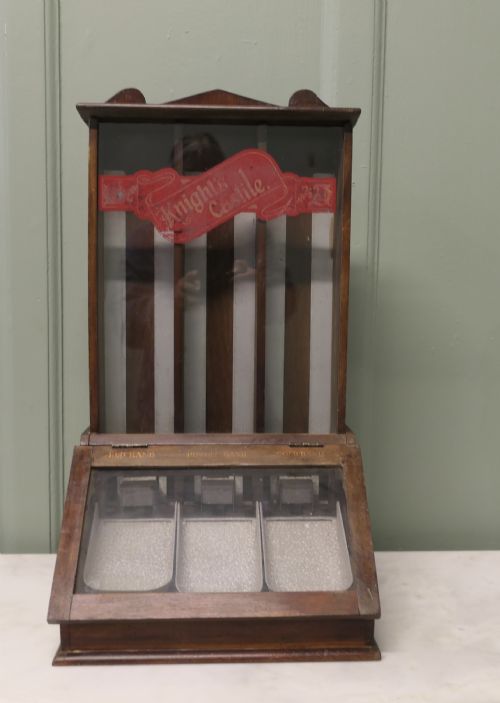
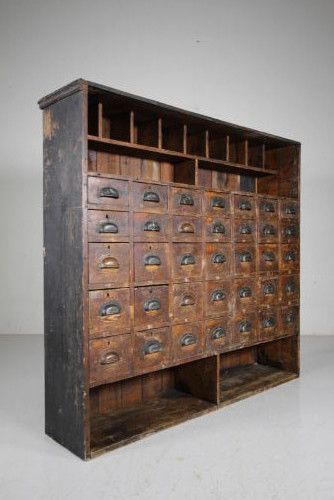
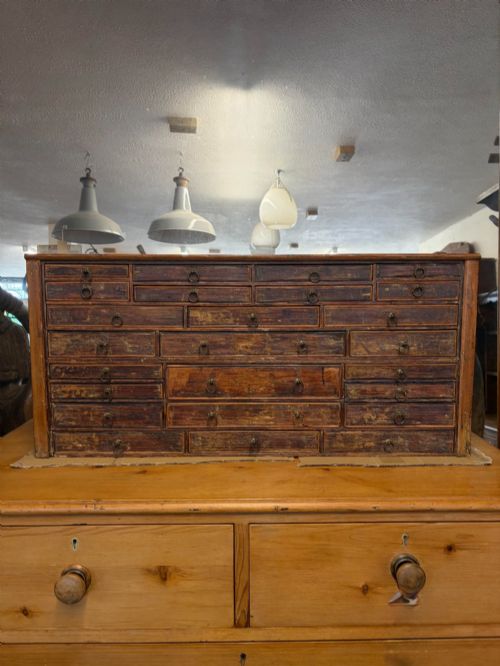
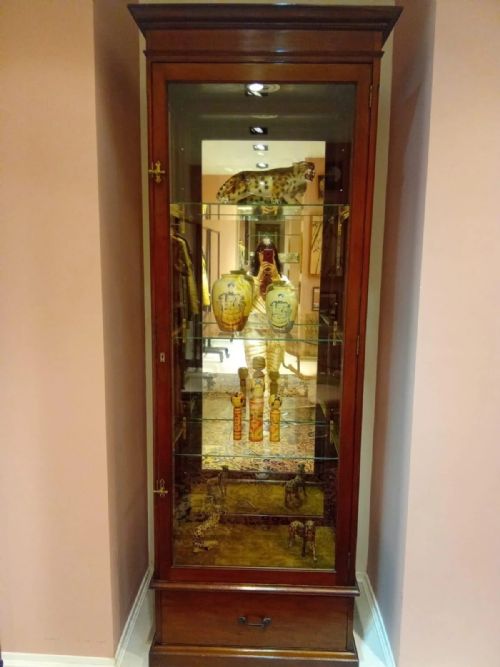
When you search for an antique shop fitting cabinet, you are looking at heavy-duty commercial furniture designed to display or store merchandise in nineteenth and early twentieth-century retail spaces. The selection includes multi-drawer banks, glazed display counters, haberdashery chests, and tall tower cabinets spanning the Victorian, Edwardian, and Art Deco periods.
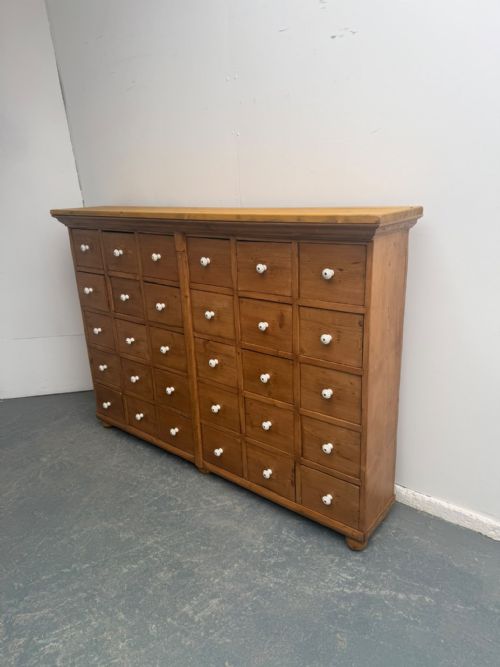
The most common pieces you will meet on this page are banks of drawers and mahogany display cabinets originating from English and European shops, chemists, and drapers. These forms range from large multi-drawer pine shop fittings sourced in Hungary to countertop glass showcases built by specialised commercial makers.
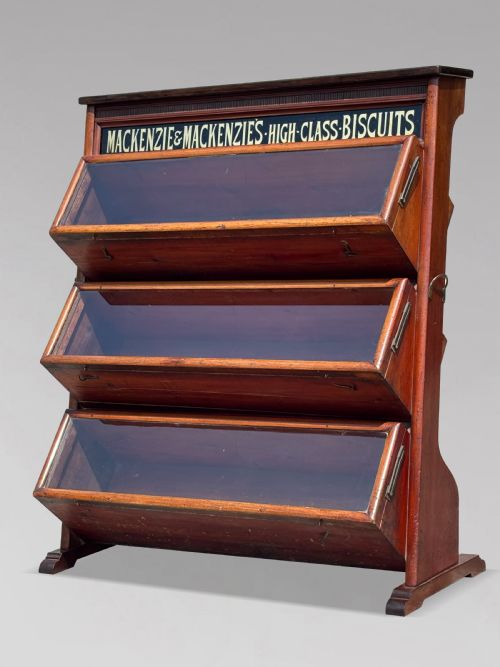
Makers and commercial outfitters constructed these pieces from robust timbers and plate glass to withstand decades of heavy daily trading. Surviving examples carry the practical marks of their previous working lives, such as painted finishes, brass label holders, and advertising branding for chocolate or biscuit manufacturers.
Materials and Construction
Makers relied on dense hardwoods like mahogany, oak, and walnut alongside durable softwood pine for carcass construction, utilising sturdy dovetail joints on drawers to handle repetitive commercial use. Cabinets incorporate large panes of glass and mirrored interiors to maximise light reflection for merchandise display.
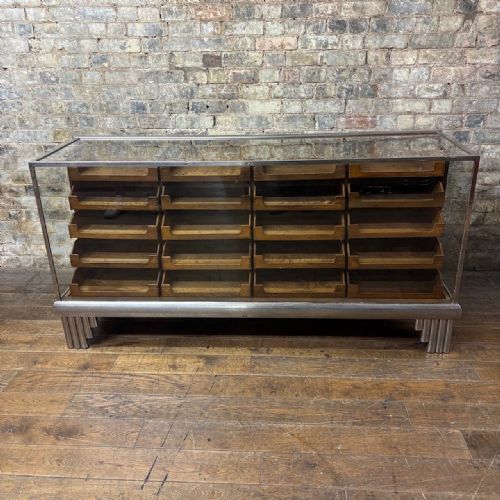
Metal components such as brass, bronze, aluminium, and chrome provide structural framing, corner braces, and hardware like sliding door tracks and label pulls. Painted finishes in white, cream, green, and ebonised treatments appear frequently on pine and fruitwood carcases.
Antique Shop Fitting Cabinet Retail Price Guide 2026
Typical asking prices for shop fitting cabinet among the pieces listed under this phrase on Sellingantiques today, from the lower quarter to the upper quarter. They describe what is for sale here now, not the wider market.
Listings feature commercial furniture spanning the Victorian era through the 1930s, constructed in mahogany, oak, pine, and metal.
Distinctions in Quality
The upper tier of these pieces displays superior timber selection, such as solid figured mahogany and quarter-sawn oak, combined with specialised framing systems by named commercial furnishers. Heavy plate glass, original brass hardware, and sophisticated internal layouts like adjustable shelving separate utilitarian storage from grand retail showcases.
Substantial banks of drawers exhibit tight joinery and dense timber weights that indicate heavy-duty commercial origins rather than lighter domestic copies. Original painted surfaces and authentic maker branding add significant character compared to stripped or heavily altered carcases.
Dudley & Co·Mackenzie's·Fry’s·John Stow Ltd·Chadwick’s·Cadbury’s·Rowntree’s·Saml. Elliott & Sons
The Antique Shop Fitting Cabinet Glossary
- Haberdashery cabinet
- A multi-drawer storage unit originally used in drapery shops for ribbons, buttons, and small textiles. These pieces typically feature numerous shallow drawers, sometimes with glass fronts.
- Bank of drawers
- A large chest comprising many individual pull-out compartments built for systematic stock organisation. They originate from pharmacies, hardware stores, and general merchants.
- Shop fitting
- Fixtures and furniture built specifically for commercial retail interiors rather than domestic homes. They emphasise robust construction and maximum visibility for goods.
- Display counter
- A low table-height cabinet featuring a glazed top and front to showcase merchandise while keeping items secure. Customers viewed goods through the glass while staff served from behind.
- Ebonised
- Wood finished with a dark stain or paint to imitate expensive ebony. This technique was popular in Victorian and Art Deco commercial design.
Antique Shop Fitting Cabinet: Frequently Asked Questions
What is a shop fitting cabinet?
A shop fitting cabinet is a commercial storage or display unit built for nineteenth and twentieth-century retail environments like drapers, chemists, and grocers. These pieces were constructed to withstand heavy daily use while showcasing merchandise to the public.
Today, buyers repurpose these functional units as statement furniture in domestic settings, utilising multi-drawer banks for storage and glass cabinets for displaying collections.
How do I identify a haberdashery cabinet?
Haberdashery cabinets are characterised by numerous shallow drawers, frequently fitted with glass panels or transparent fronts so shop assistants could easily view small textile items like ribbons and threads.
They generally feature brass label pulls and slender proportions, having served in drapery and sewing shops before entering the antique market.
Were these cabinets used in homes originally?
No, these units were manufactured strictly for commercial trade in high street shops, department stores, and professional premises. They were designed for heavy public interaction, stock management, and retail display.
Their sturdy construction and practical compartmentalisation make them highly adaptable for modern home organisation and interior design.
How can I tell the period of a shop cabinet?
Dating relies on timber choices, hardware types, and stylistic indicators such as Victorian proportions, Edwardian mahogany framing, or Art Deco metal accents. Maker plaques, branded advertising glass, and construction methods like dovetailing also provide clear chronological clues.
Earlier nineteenth-century pieces often feature solid mahogany and hand-cut joints, while 1930s examples introduce aluminium framing and streamlined commercial profiles.