







Antique Shop Counter Cabinet
An antique shop counter cabinet holds merchandise behind glass for customers to view.
Antique Shop Counter Cabinet
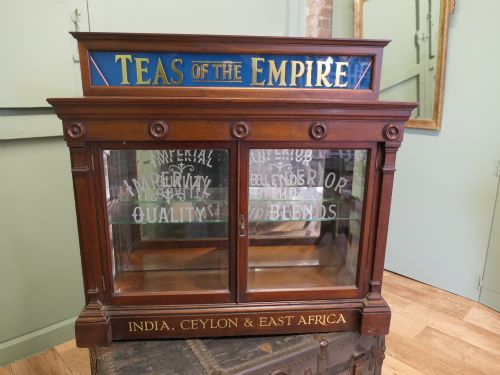
An antique shop counter cabinet serves as a retail display piece designed to sit on top of furniture or stand independently on a shop floor. These items appear across various periods from the nineteenth century through the 1930s, encompassing commercial forms like haberdashery units, chemist fittings, and countertop glazed cases.
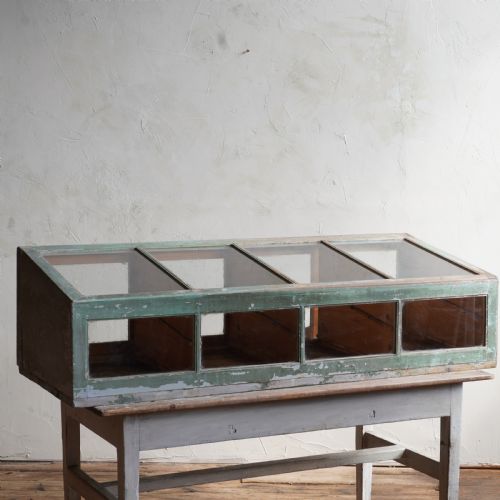
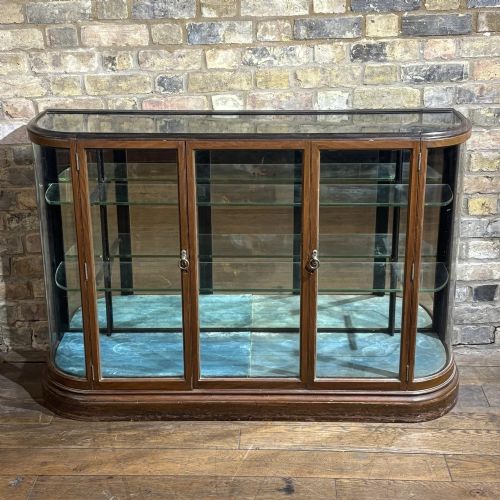
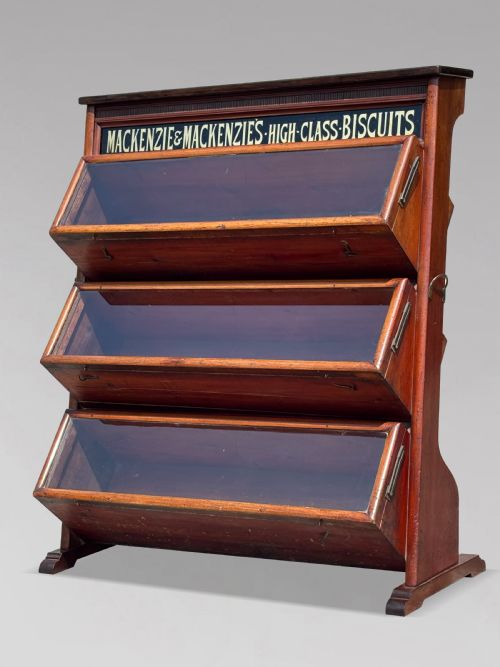
The most common examples on this page are timber-framed display units with glass panels designed to showcase small goods, biscuits, or sewing cottons. Buyers encounter freestanding counters and smaller tabletop cases originating from commercial environments of the Edwardian era and the 1920s.
Makers and outfitters utilised durable hardwoods and painted softwoods to construct these fixtures for chemists, drapers, and grocers. Surviving examples reflect the practical needs of past retail spaces, ranging from multi-drawer apothecary chests to bow-end glazed mahogany counters.
How they were made
Cabinet makers utilised solid timbers such as mahogany, oak, pine, and walnut to build the carcasses and drawers of these retail fixtures. Glass panels were fitted into wooden or metal frames to allow maximum visibility for merchandise.
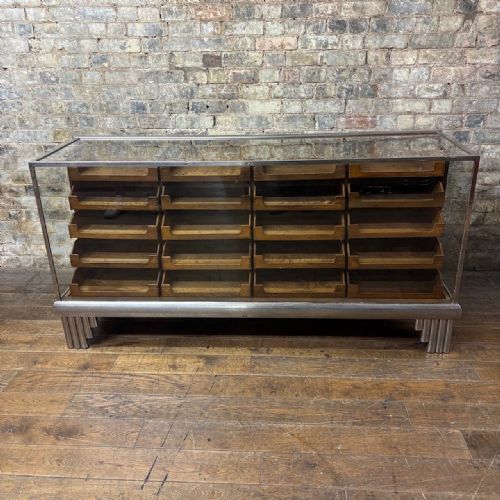
Metal elements including brass and chrome appear on handles, framing, and hinges, while specific pieces incorporate mirrored interiors to enhance light diffusion within the display space. Painted finishes, sometimes distressed or in original colours, cover many of the pine shop fittings and advertising units.
Antique Shop Counter Cabinet Retail Price Guide 2026
Typical asking prices for shop counter cabinet among the pieces listed under this phrase on Sellingantiques today, from the lower quarter to the upper quarter. They describe what is for sale here now, not the wider market.
Several cabinets spent their working lives selling sewing cotton and Fry's chocolate before retiring to domestic display duty.
What varies in quality
The standard of construction depends upon the joinery methods and the choice of materials used by the original maker or shop fitter. Pieces built by known commercial outfitters display refined detailing, robust framing, and superior hardware compared to simpler utility items.
The survival of original painted surfaces, glass, and internal mirrors dictates the integrity of a piece. Finer examples retain their original glazing bars, working locks, and branded advertising elements without intrusive modern replacements.
F. Sage & Co·Dudley & Co·John Stow Ltd·Manoah Rhodes & Sons Ltd
The Antique Shop Counter Cabinet Glossary
- Countertop
- A small display case designed to sit directly on top of a retail shop counter for close customer inspection.
- Haberdashery
- A cabinet featuring multiple shallow drawers, originally used in drapery shops for storing small sewing goods and ribbons.
- Apothecary
- A chest or cabinet with numerous small drawers and compartments, historically used by chemists for storing medicines and herbs.
- Bow end
- A display counter or cabinet featuring a curved glass front and matching wooden frame.
- Glazed
- Fitted with glass panels to enclose and protect the contents while maintaining visibility.
Antique Shop Counter Cabinet: Frequently Asked Questions
What were counter cabinets used for?
Shopkeepers used these cabinets to display small high-value goods, tobacco, and confectionery directly to customers while keeping stock secure behind glass.
Specialist versions held sewing threads, medicines, and biscuits with branded advertising to encourage impulse purchases at the point of sale.
How do I date these cabinets?
Dating relies on timber choices, construction techniques, and stylistic markers such as Edwardian bow fronts or Art Deco aluminium framing. Trade labels, maker plaques, and painted advertising scripts also provide clear chronological indicators.
Earlier Victorian pieces often feature heavy mahogany construction and hand-cut dovetailing, whereas 1930s examples introduce chrome and streamlined profiles.
Can I use one in a modern home?
These cabinets suit modern interiors for displaying collections, jewellery, or tableware while keeping items free from dust. Countertop versions fit easily onto sideboards, while larger freestanding counters function as kitchen islands or room dividers.
The glass panels and internal shelving allow natural light to circulate around displayed objects.
Are painted finishes original?
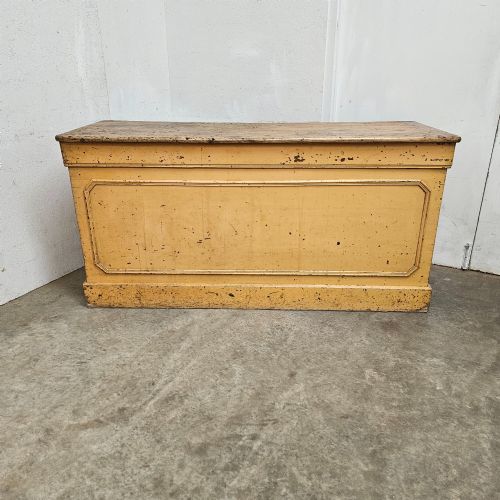
Many pine shop fittings retain their original factory or shop paint, which often shows honest wear from decades of commercial use. Layered patination and historic brush marks distinguish authentic period paint from later decorative applications.
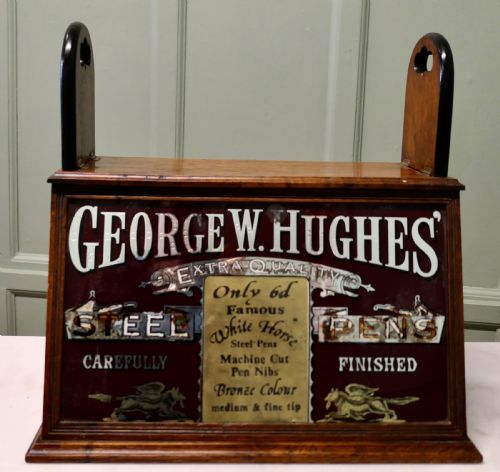
Some pieces feature manufacturer advertising or remnants of signwriting tied to their original chemist or drapery function.