

Dark Wood Vitrine Cabinet
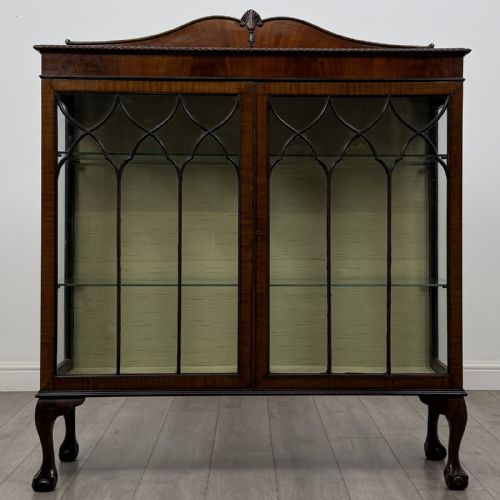
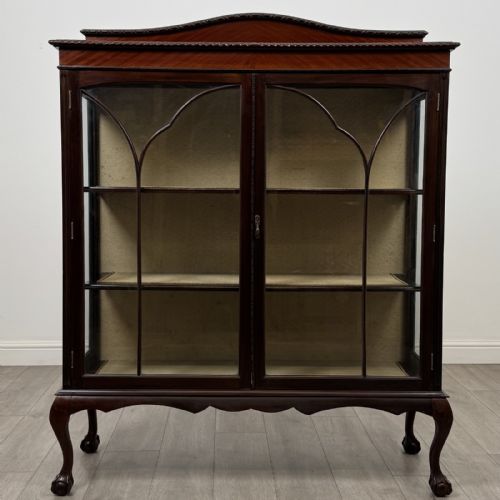
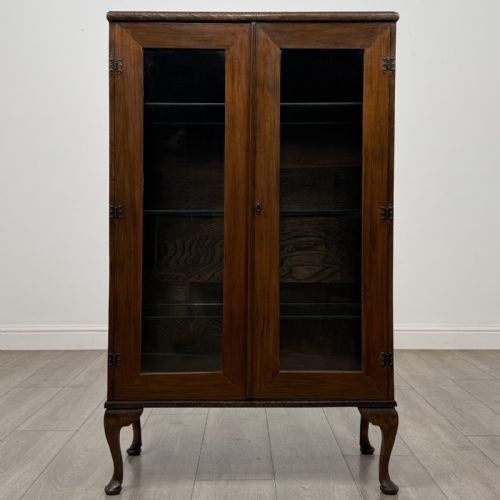
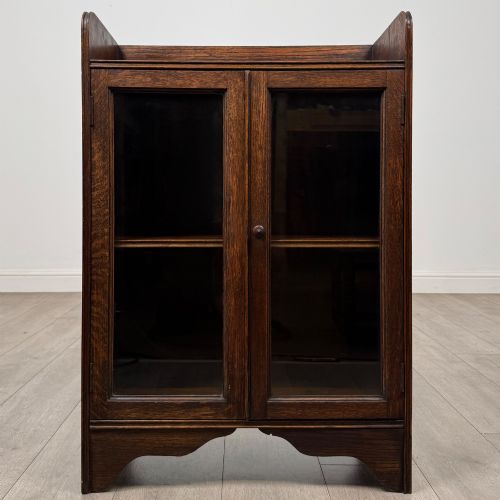
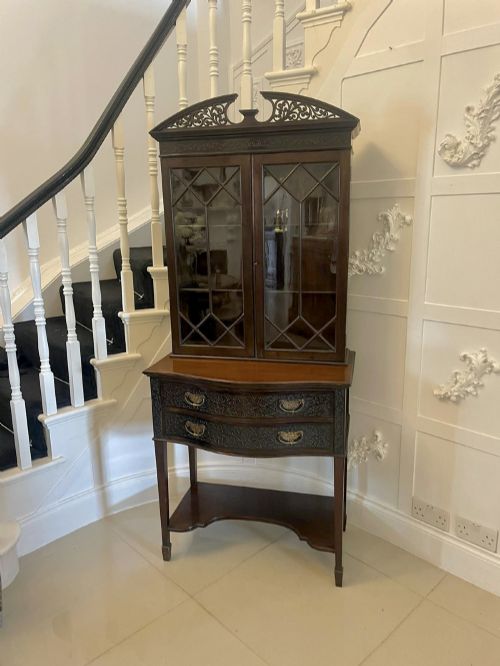
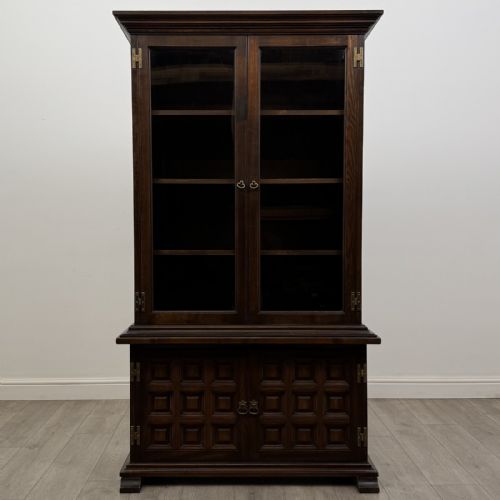
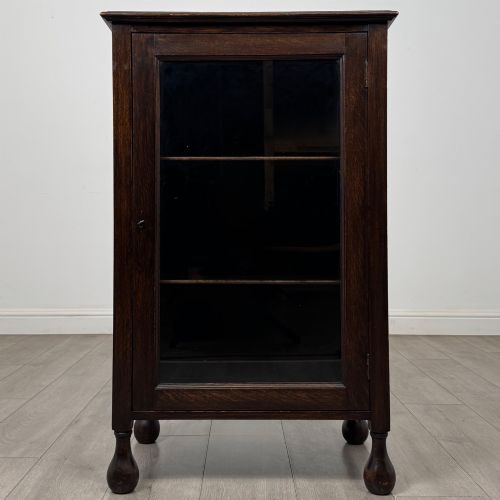
A dark wood vitrine cabinet displays silver and porcelain behind glass panels, bringing warmth and formality to a room.
Dark Wood Vitrine Cabinet
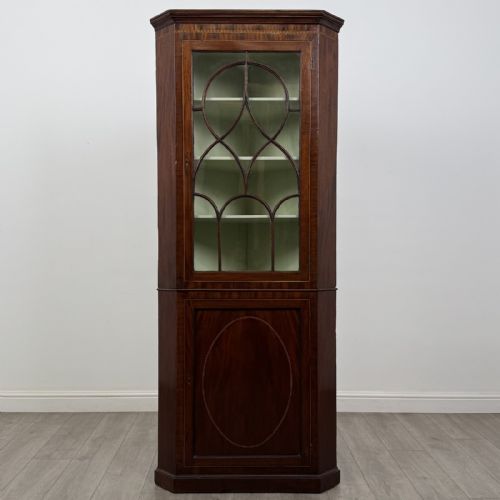
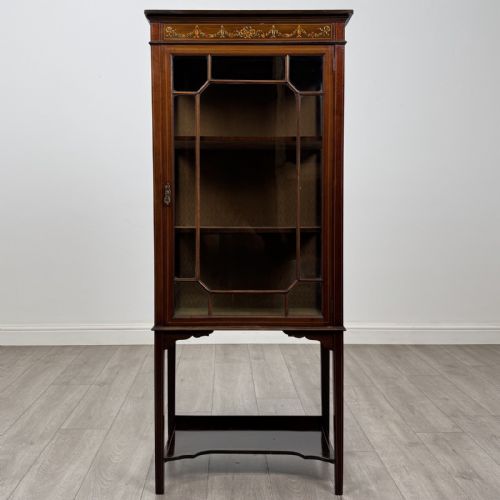
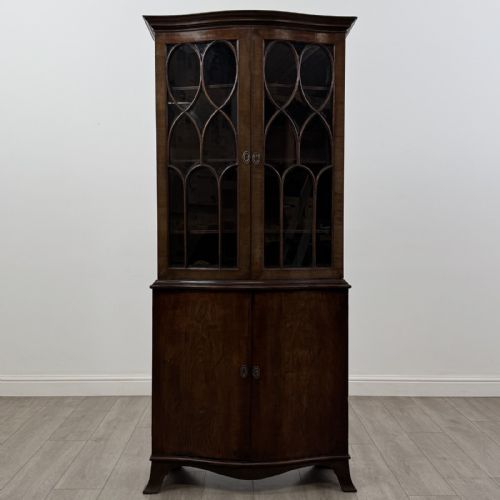
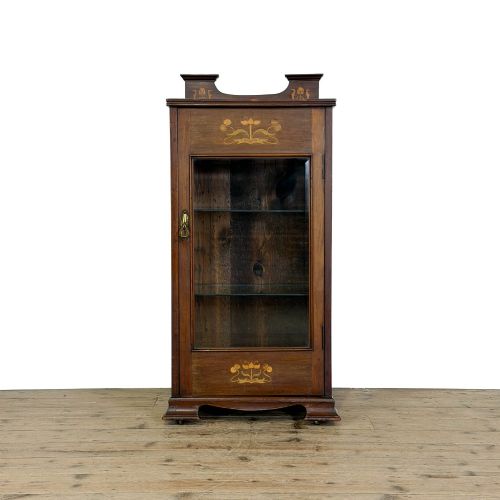
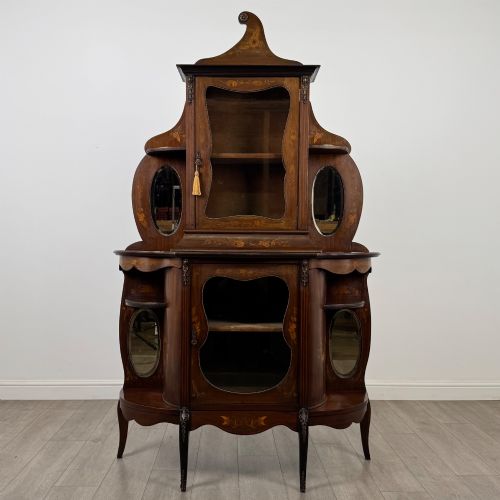
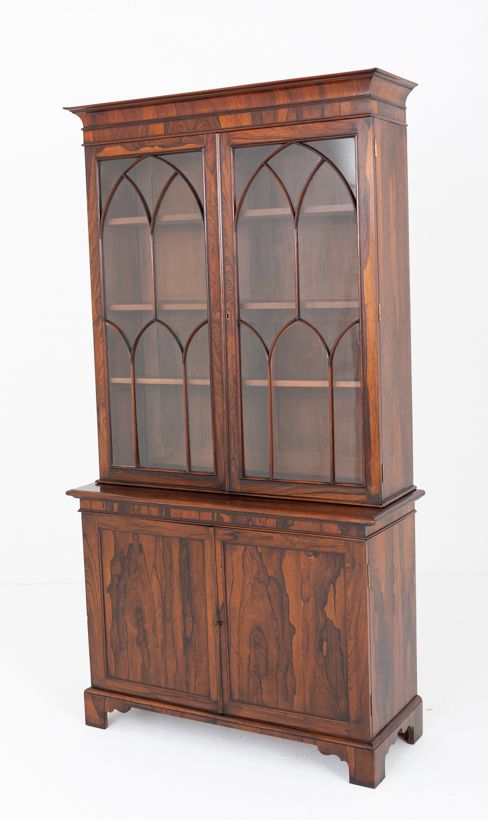
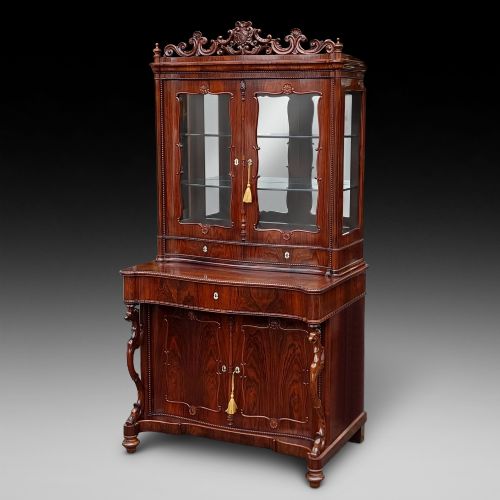
A dark wood vitrine cabinet is primarily a glazed display piece intended for holding ceramics, glass or small objects, appearing frequently in Edwardian and Victorian forms. These cabinets combine timber frames with glass doors, sometimes incorporating lower cupboards or mirror backs to reflect light inside the case.
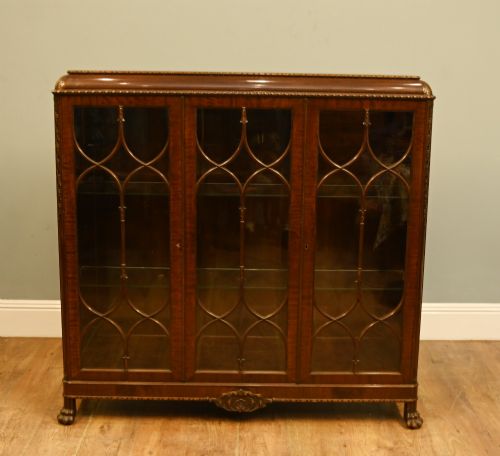
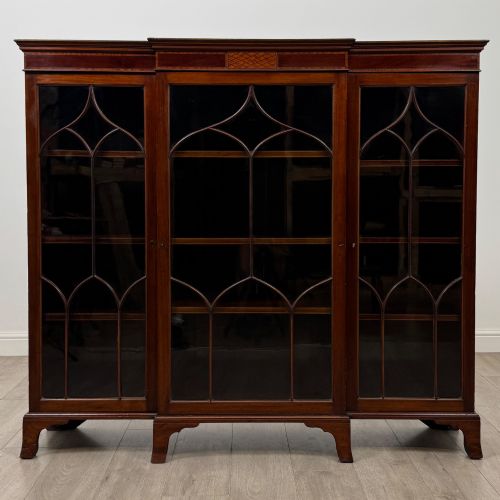
The selection ranges from tall floor-standing corner cabinets and breakfront bookcases to delicate kidney-shaped display tables and side cabinets. Mahogany, oak and rosewood dominate the construction, often shaped by revival styles such as Chippendale and Sheraton.
Edwardian iterations and nineteenth-century examples form the core of the available pieces, bringing substantial timber tones and transparent display space together.
How they were made
Cabinet makers built these pieces using solid timbers like mahogany, oak and rosewood, frequently applying decorative veneers of satinwood or figured walnut to prominent surfaces. Glass panels were secured within rebated timber frames to form doors and side viewing windows.
Inlaid stringing, brass mounts and carved details such as blind frets or classical motifs decorated the exterior, while interior backing sometimes utilised fabric or mirror glass to enhance the displayed contents.
Dark Wood Vitrine Cabinet Retail Price Guide 2026
Typical asking prices for dark wood vitrine cabinet among the pieces listed under this phrase on Sellingantiques today, from the lower quarter to the upper quarter. They describe what is for sale here now, not the wider market.
Listings span from the Georgian period through the Victorian and Edwardian eras into the 1930s, using mahogany, oak, rosewood and satinwood.
What varies in quality
The standard of timber selection and the precision of the joinery distinguish finer examples from standard production, particularly in the figuring of veneers and the tightness of mitred joints. Carved ornamentation shows varying degrees of hand work, ranging from crisp, deep relief to softer, simpler moulding.
Hardware such as brass hinges, locks and handles indicates the original grade of the piece, while the clarity and weight of the glass panes contribute to the overall presence of the cabinet.
Jas Shoolbred·Collinson & Lock
The Dark Wood Vitrine Cabinet Glossary
- Vitrine
- A glass-fronted cabinet designed specifically for displaying porcelain, curiosities and small collectables. It protects objects from dust while offering maximum visibility.
- Glazed
- Fitted with panes of glass. This term describes doors or sides that allow light and sightlines into the interior.
- Inlay
- A technique where pieces of contrasting wood, such as satinwood, or other materials are inserted into recesses in the primary timber surface to create decorative patterns.
- Breakfront
- A cabinet front where the central section projects forward from the flanking wings. This architectural arrangement adds depth and shadow to the piece.
- Bijouterie table
- A glass-topped display table, often standing on slender legs, designed for holding jewellery and miniature ornaments.
Dark Wood Vitrine Cabinet: Frequently Asked Questions
What is a dark wood vitrine cabinet used for?
These cabinets serve to exhibit collections of porcelain, silver, glassware and small decorative objects safely behind glass.
They keep dust away from delicate items while allowing full visibility from multiple angles in a principal room.
How do I identify an Edwardian display cabinet?
Edwardian examples often feature lighter construction, frequently utilising mahogany with satinwood inlay or mirror backs.
They frequently draw upon eighteenth-century revival styles like Sheraton or Chippendale while retaining the brighter aesthetic of the early twentieth century.
Where should I place a corner cabinet?
A floor-standing corner cabinet fits neatly into empty room junctions, utilising vertical space that standard rectangular furniture leaves vacant.
This placement draws the eye around the perimeter of the room and works well in dining rooms or drawing rooms.
What is the difference between a bookcase and a vitrine?
A bookcase is primarily structured with adjustable open shelves or wooden doors intended for storing volumes of books.
A vitrine prioritises glazed doors and sometimes glass sides to showcase decorative objects rather than reading material.