



Retail Glass Display Cabinet
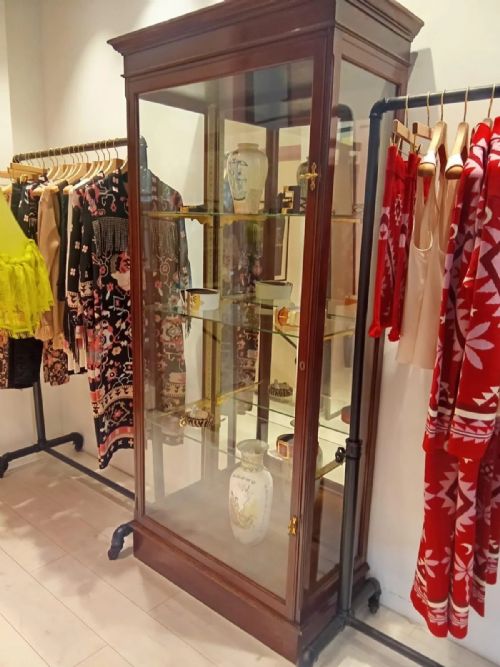
A retail glass display cabinet turns commercial shop fittings into structural domestic display, giving goods or collections visibility from every angle.
Retail Glass Display Cabinet
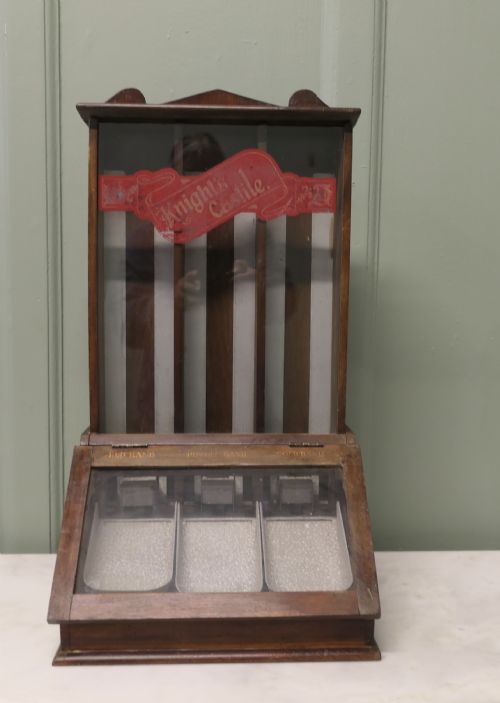
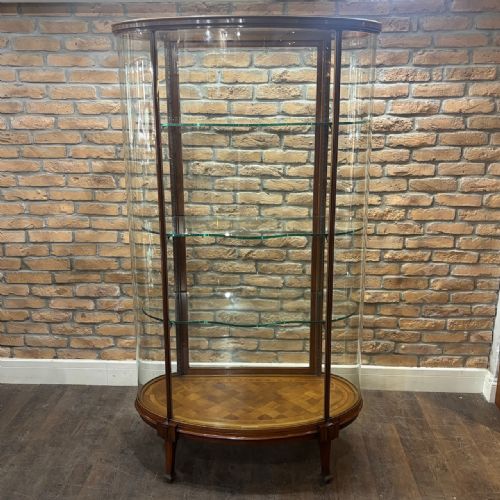
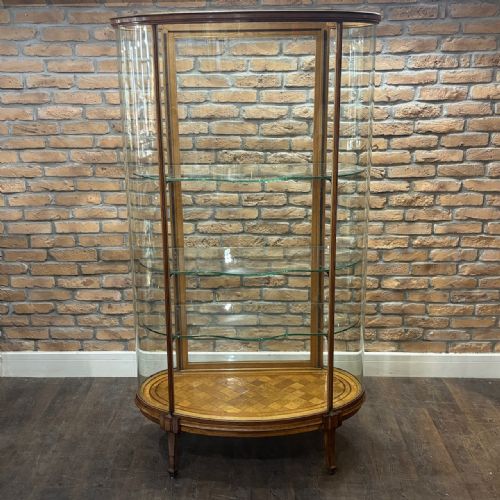
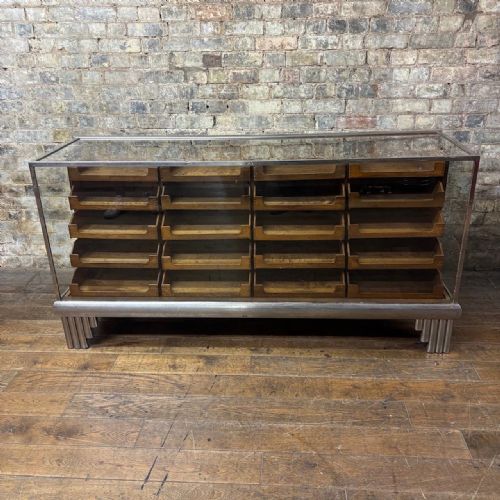
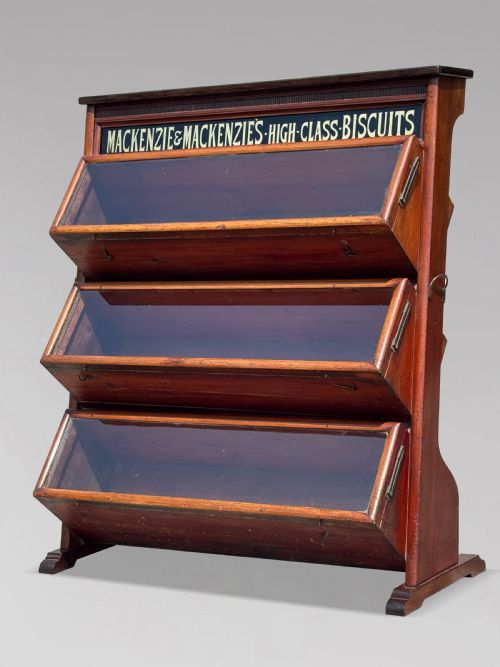
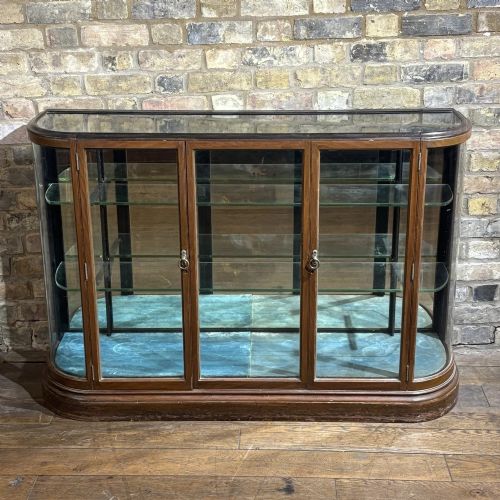
When you search for a retail glass display cabinet, you encounter commercial fixtures designed originally for Edwardian and Victorian shop floors, pharmacies, and confectioners. These pieces range from towering freestanding cases and long shop counters to compact countertop models and specialised haberdashery units.
The versions most commonly met on this page date from the late nineteenth century through to the 1930s. They combine utilitarian strength with expansive glazing intended to showcase wares to the buying public.
Makers such as F. Sage & Co. produced architectural and shopfitting cabinetry that survives today in timbers like mahogany and oak, often paired with specialised internal shelving.
How they were made
Constructed primarily from sturdy hardwoods like mahogany and oak, these commercial display pieces rely on glass panels to maximise light transmission into the interior. Brass, bronze, chrome, and aluminium framing elements provide structural support for large expanses of glass without obscuring the contents.
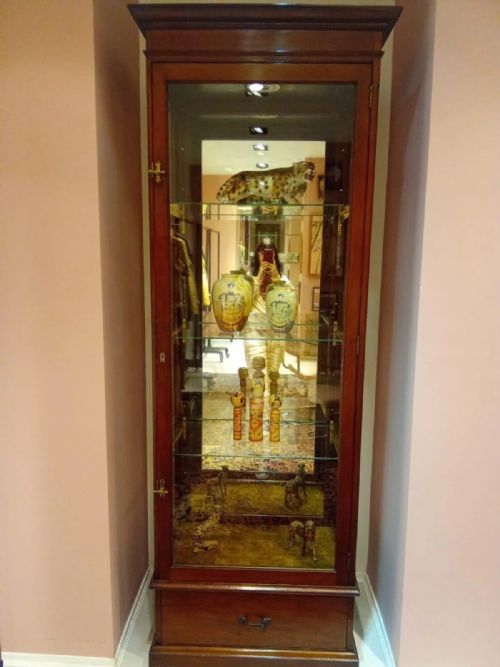
Makers integrated mirrors into the interior backs to multiply reflections and brighten dark shop interiors, while velvet linings cushioned delicate stock. Adjustable glass shelving allowed merchants to alter shelf heights according to the goods on display.
Retail Glass Display Cabinet Retail Price Guide 2026
Typical asking prices for retail glass display cabinet among the pieces listed under this phrase on Sellingantiques today, from the lower quarter to the upper quarter. They describe what is for sale here now, not the wider market.
Listings feature structural framing in brass, bronze, aluminium, and chrome alongside traditional mahogany and oak timbers.
What varies in quality
Quality rests in the architectural ambition of the framing and the original integrity of the glazing mechanisms. Pieces produced by recognised shopfitters display finer joinery details, heavier brass hardware, and more substantial timber selections than generic utilitarian equivalents.
The degree of commercial wear and subsequent restoration also differentiates examples. Retaining original etched glass, working locks, and manufacturer plates elevates a piece from a simple utilitarian container to a significant example of period shopfitting design.
F. Sage & Co·Dudley & Co·John Stow Ltd of Bradford·Saml. Elliott & Sons
The Retail Glass Display Cabinet Glossary
- Bijouterie
- A glazed display table or cabinet designed specifically for small luxury items, jewellery, or collectors' specimens. These pieces typically feature hinged glazed lids for top access.
- Haberdashery counter
- A long shop counter incorporating numerous shallow drawers with glass fronts, or dedicated glazed display sections, originally used for textiles and small garments. They provide segmented storage beneath a clear viewing surface.
- Shopfitting
- The trade and craft of manufacturing interior fixtures, counters, and display cases for commercial retail premises. Specialised firms constructed these items to endure heavy public use.
- Countertop display cabinet
- A compact glazed case built to sit atop a main shop counter to encourage impulse purchases near the point of sale. They frequently feature rear sliding doors for serving staff access.
- Bow end
- A curved glass end configuration on a cabinet or counter that softens the linear profile. This technique required specialist glass bending skills.
Retail Glass Display Cabinet: Frequently Asked Questions
How were retail cabinets used originally?
Merchants utilised these glazed units to protect valuable or delicate goods from dust and handling while keeping them visible to customers inside the shop.
Countertop models held small confectionery or pharmacy items near the till, whereas large freestanding cases housed textiles, biscuits, and dry goods.
Can I use a shop cabinet at home?
These cabinets adapt easily to domestic interiors for displaying collections, ceramics, books, or glassware in dining rooms and living spaces.
Their robust commercial construction means they handle daily use well, and their glass panels maximise light within modern rooms.
How do I identify an Edwardian cabinet?
Edwardian examples typically date from around 1901 to 1910, featuring lighter mahogany timbers, cleaner lines, and extensive clear glazing compared to heavier Victorian predecessors.
Manufacturer marks, simpler bracket feet, and brass fittings often accompany pieces from this era of expanding retail architecture.
What is an advertising display cabinet?
These specialised retail cases incorporate painted brand names or etched lettering on the glass to promote specific products such as chocolate or tobacco.
Manufacturers produced them for specific confectioners and chemists to place directly on counters as permanent point-of-sale branding.