



Gold Leaf Display Cabinet
These gold leaf display cabinet pieces offer gilded frames and glass enclosures designed to showcase porcelain and decorative items.
Gold Leaf Display Cabinet
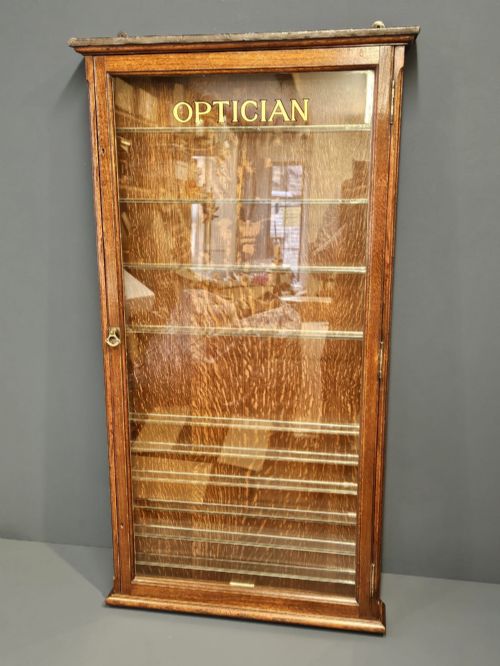
A gold leaf display cabinet brings together glazed sides, timber frames, and gilded surfaces designed to house objects. These pieces range from shop counters and wall shelves to large freestanding furniture built to highlight fine contents.
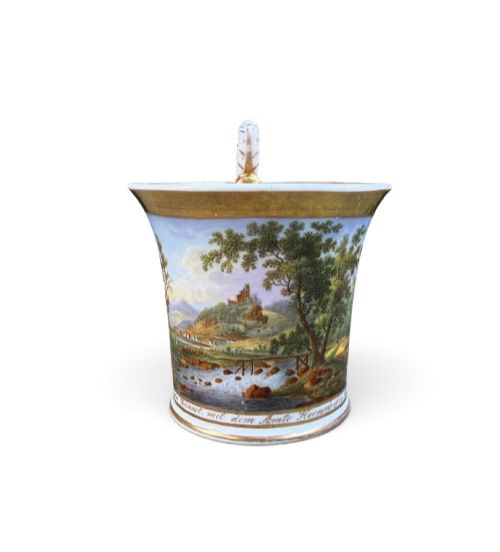
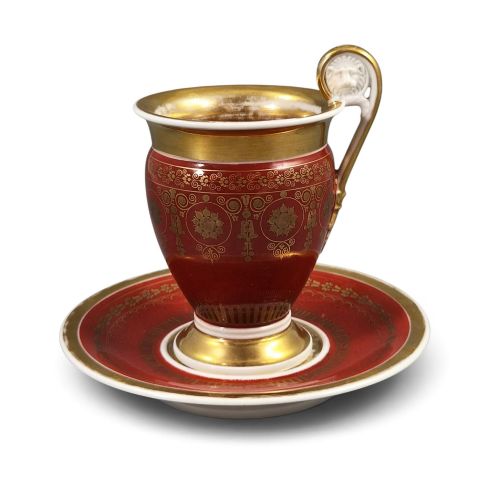
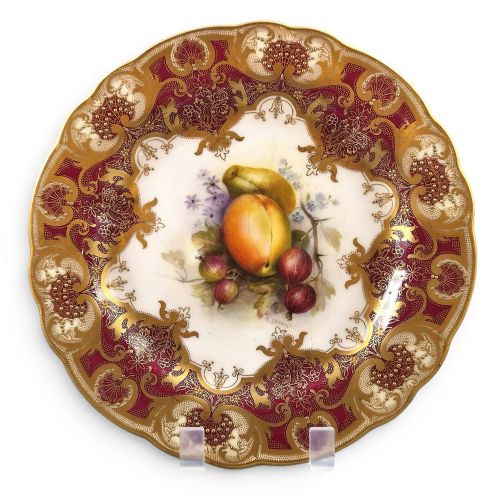
The selection here includes continental giltwood display cabinets alongside shop display counters and wall étagères. Buyers also encounter related items such as porcelain cabinet plates and decorative cups from various periods.
Origins span Georgian craftsmanship through to 1920s pieces, encompassing Neoclassical, Victorian, Edwardian, and French Rococo Revival styles. The focus remains on glass-fronted storage and decorative wall mounting.
How they were made
Construction relies on timber frames finished with gold leaf, giltwood, or standard gilding techniques. Glazed panels and glass sides are integrated to allow light to reach the interior shelves and displayed objects.
Carved details often define the structural frames, particularly in Rococo Revival and Neoclassical examples. Cabinet plates and cups utilise porcelain, bone china, and enamel, often featuring hand-painted scenes.
Gold Leaf Display Cabinet Retail Price Guide 2026
Typical asking prices for gold leaf display cabinet among the pieces listed under this phrase on Sellingantiques today, from the lower quarter to the upper quarter. They describe what is for sale here now, not the wider market.
Listings feature porcelain, gold leaf, enamel, giltwood, and glass across Neoclassical, Victorian, Edwardian, and Art Deco styles.
What varies in quality
The application of gold leaf and the crispness of carved giltwood determine the visual weight of the cabinet. Finer examples show hand-carved ornamentation and well-joined timber that withstands the pressure of heavy glass doors.
Porcelain contents and related plates vary according to the precision of hand-painted decoration, enamel work, and the reputation of the porcelain manufactory. Glazing quality and the structural integrity of the display enclosure set individual pieces apart.
Royal Worcester·Barr Flight And Barr·Coalport·Royal Crown Derby·Minton
The Gold Leaf Display Cabinet Glossary
- Giltwood
- Timber that has been coated with gold leaf or a gold-coloured substance. This finish is typical of decorative frames and display furniture from the nineteenth and early twentieth centuries.
- Cabinet Plate
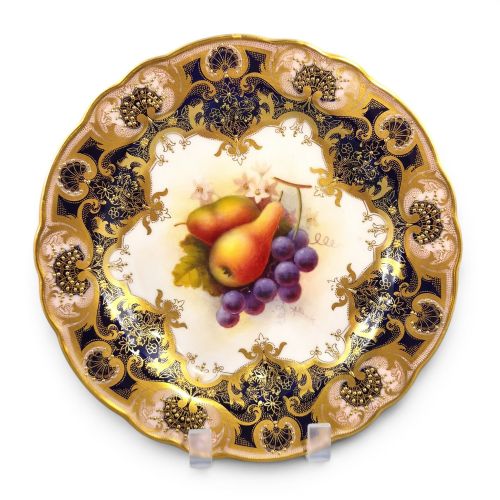
- A decorative porcelain plate made for display rather than dining. These often feature hand-painted topographical or fruit scenes.
- Pate sur Pate
- A porcelain decoration technique where liquid clay is applied in layers to create a low relief design. This method requires considerable skill from the ceramic artist.
- Étagère
- A piece of furniture consisting of open shelves for displaying small objects. Wall-mounted versions combine timber framing with display surfaces.
Gold Leaf Display Cabinet: Frequently Asked Questions
What is a gold leaf display cabinet used for?
These cabinets serve to house and exhibit fine porcelain, cabinet plates, and decorative objects behind glass. The glazed sides and shelves maximise light exposure for the items kept inside.
Historically, variations such as shop display counters also existed to present confectionery or luxury goods to customers. Domestic versions focus on protecting collectibles while keeping them visible.
How do I identify the period of a cabinet?
Dating relies on stylistic clues such as Neoclassical symmetry, Victorian ornamentation, or the fluid curves of French Rococo Revival pieces. Construction methods and timber types further indicate whether a piece dates to the Georgian era or the early twentieth century.
Matching the design characteristics with known production eras provides a reliable guide to age. Examining the joins and glass manufacturing traits also helps narrow down the timeframe.
Where should I place a wall étagère?
A wall étagère requires a secure wall fixing to support the timber frame and any displayed porcelain. Placement in reception rooms or hallways allows the gilded surfaces to catch natural light.
Ensure the wall material can bear the weight of both the shelving unit and the items placed upon it. Positioning away from direct moisture sources protects the wood and gold leaf finish.
What distinguishes porcelain cabinet plates?
Cabinet plates are created solely for decorative display rather than table service. They frequently feature hand-painted scenes, artist signatures, or elaborate enamel and gilding work.
Manufacturers such as Royal Worcester and various continental factories produced these plates to showcase technical skill. They often complement display cabinets by sitting on stands or hanging on nearby walls.