






Museum Display Cabinet
A museum display cabinet frames a collection with heavy glass and solid timber, turning everyday objects into private exhibitions.
Museum Display Cabinet
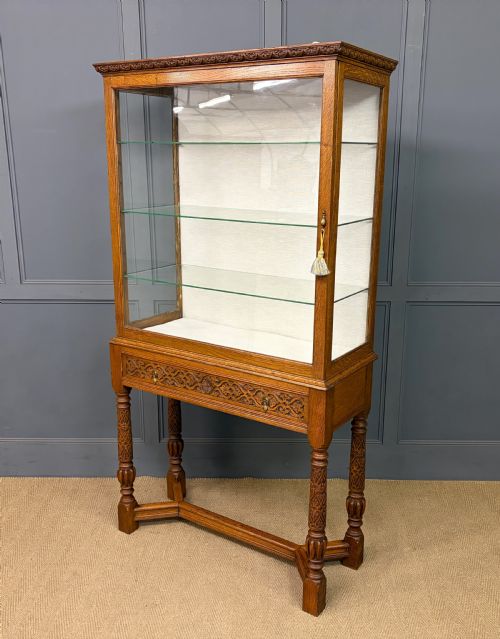
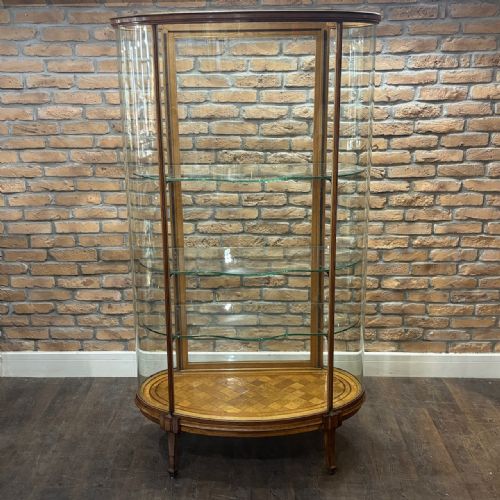
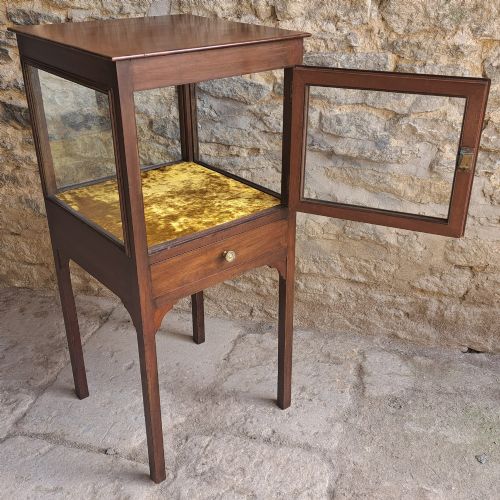
When you search for a museum display cabinet, you are looking for glazed enclosures built to showcase artefacts, curiosities and collections with absolute clarity. The examples found here span from the eighteenth century through the Edwardian period and the 1920s, encompassing domestic vitrines alongside commercial counters and tower cases.
The versions you are most likely to meet on this page are substantial mahogany and oak pieces originating from nineteenth-century workshops and early twentieth-century retail outfitters. They range from low table-top glass cases to towering upright cabinets lined with fabric or fitted with velvet shelves.
Assessing Quality
Quality rests in the harmony of proportion, the choice of timber and the sophistication of the glazing bars. Superior pieces display crisply moulded cornices, tightly jointed frames and high-grade clear glass that remains unblemished across large surface areas.
Commercial provenance also distinguishes the selection, with cabinets produced by established shopfitters and specialist makers exhibiting superior mechanical engineering in their sliding doors, lock mechanisms and structural stability.
Museum Display Cabinet Retail Price Guide 2026
Typical asking prices for museum display cabinet among the pieces listed under this phrase on Sellingantiques today, from the lower quarter to the upper quarter. They describe what is for sale here now, not the wider market.
The archive includes pieces spanning the Georgian era, the Victorian period, the Edwardian age and the 1920s.
F. Sage & Co·Pollards·E. Pollard & Co. Ltd·Siegel·Quincy Showcase Works Illinois·Edmonds
The Museum Display Cabinet Glossary
- Vitrine
- A glass display cabinet or case designed specifically for showing fine objects or porcelain. These freestanding or wall-mounted units prioritise glass surface area over timber structure.
- Collector's cabinet
- A specialised piece containing numerous shallow drawers or compartments intended for housing botanical specimens, coins or small artefacts. They often feature tightly fitted glazed doors to protect delicate contents.
- Display counter
- A shop showcase with a glazed top and timber base, historically used in retail settings to present goods to customers across a barrier. They combine storage capacity below with clear visibility above.
- Ebonised wood
- Timber treated with a chemical stain or finish to imitate ebony. This dark, uniform treatment was particularly popular on late nineteenth-century and 1920s display furniture.
- Bronze frame
- Metalwork used to construct structural perimeters around large glass panes in museum-quality cases. This material offered exceptional strength with minimal visual bulk.
Museum Display Cabinet: Frequently Asked Questions
What is a museum display cabinet?
A museum display cabinet is a glazed timber or metal enclosure designed to exhibit artefacts, specimens and valuables while protecting them from dust and touch.
These pieces utilise extensive glass panes and often incorporate internal velvet linings to present collections clearly from multiple angles.
How do I date an antique display cabinet?
Dating relies on observing timber choices, construction methods, hardware styles and overall decorative motifs. Georgian examples feature slender mahogany framing, whereas Edwardian and 1920s commercial pieces often incorporate heavy brass, bronze or ebonised wood.
Makers' plates and stamps from firms like Sage or Pollard provide precise chronological markers for early twentieth-century pieces.
How do I live with a display cabinet?
Living with these cabinets involves positioning them away from direct sunlight to protect internal timber and fabric linings from fading. Ensure they stand on level flooring to maintain the alignment of heavy glazed doors.
Use the interior shelves to curate rotating displays of ceramics, glassware, books or natural history specimens.
What is the difference between a vitrine and a counter?
A vitrine is typically an upright, freestanding or wall-hung glass cabinet designed for viewing objects from standing height. A display counter is lower and deeper, built so that items can be viewed down through a horizontal glass top.
Counters originate primarily from retail environments, while vitrines served both domestic drawing rooms and museum galleries.