


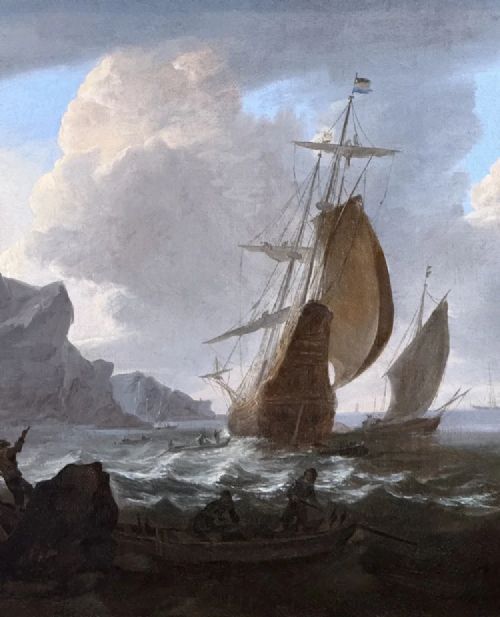
Antique Ship Artwork
Antique ship artwork captures the drama of maritime history through oil on canvas, watercolour and panel, offering a window into past voyages.
Antique Ship Artwork
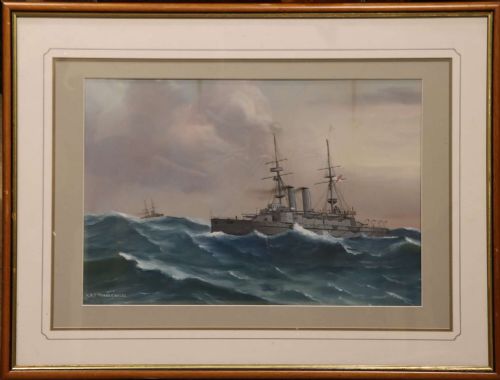
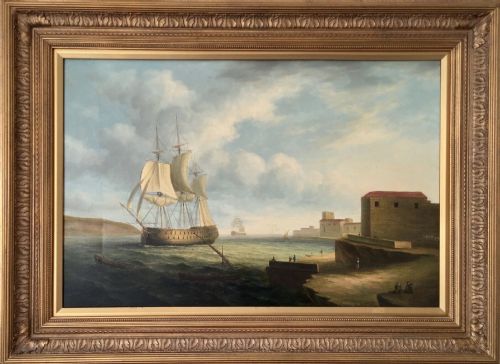
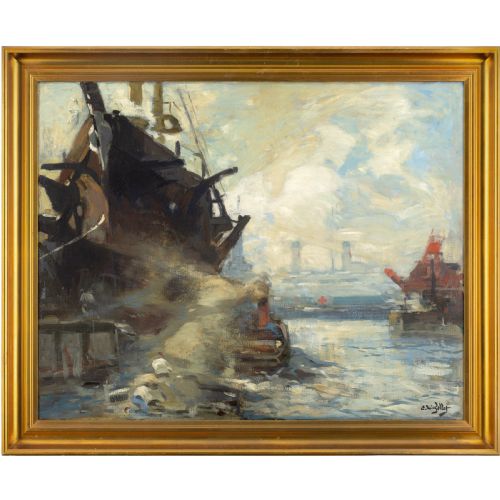
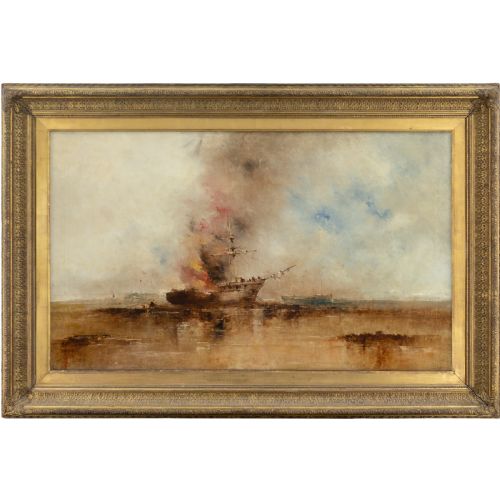
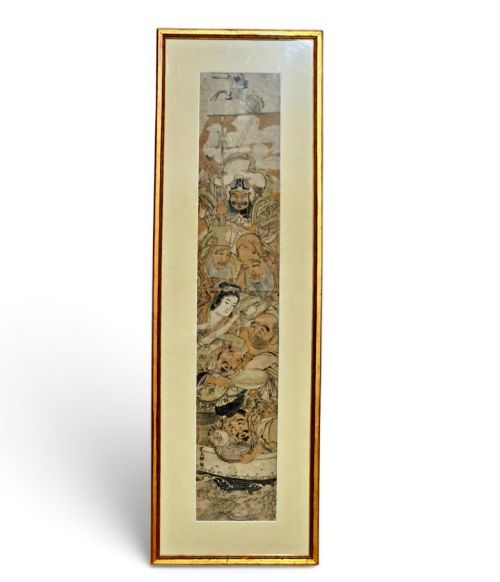
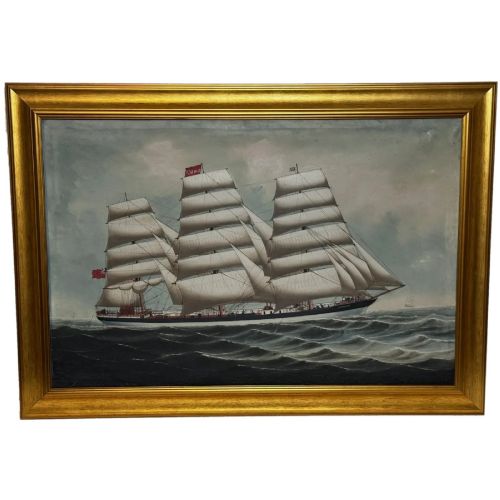
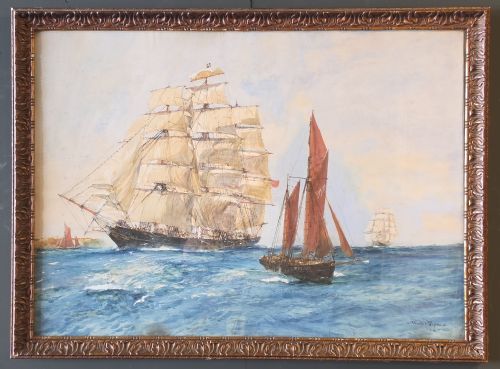
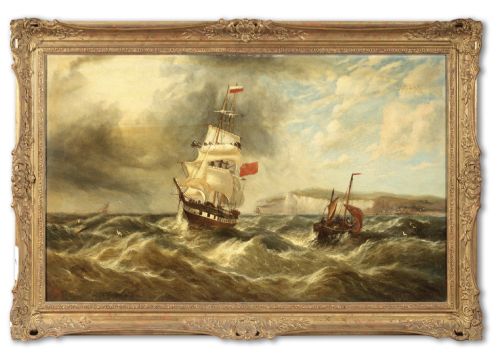
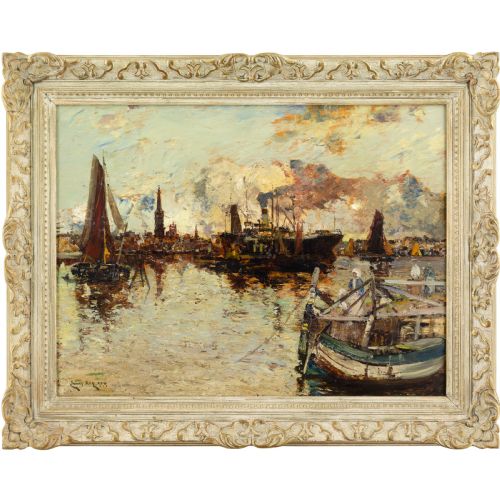
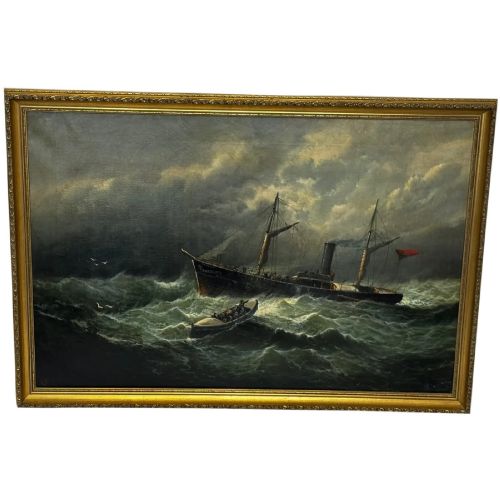
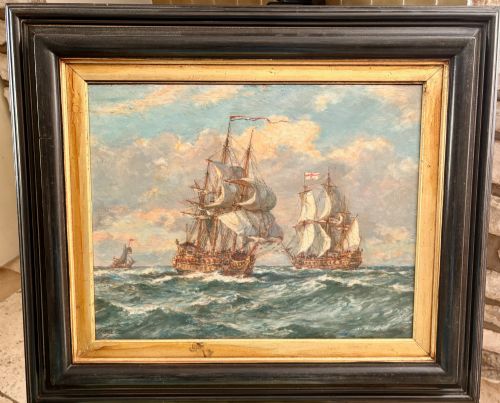
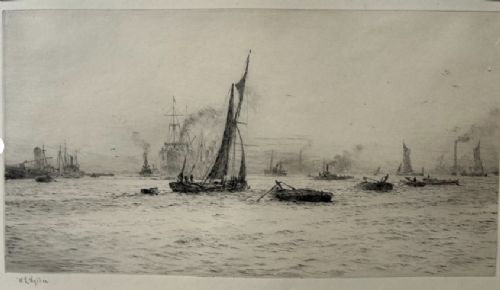
When you examine antique ship artwork, you encounter oil paintings, watercolours, gouache and etchings depicting vessels on open waters, in harbours or navigating stormy seas. The material spans canvas, wood, paper and board, often retained in original gilt frames.
The versions most commonly met on this page belong to the nineteenth and early twentieth centuries, encompassing Victorian and Edwardian maritime scenes, merchant vessels, steamships and historic warcraft.
Subjects range from named British merchant ships and foreign barques to bustling port scenes along the River Thames, naval engagements and quiet coastal anchorages.
Materials and Techniques
The pieces rely on traditional painterly methods, primarily oil on canvas or panel for rich tonal depth, alongside delicate watercolour and gouache on paper to capture shifting coastal light.
Supports include stretched canvas, wooden panels and sturdy boards, frequently housed within period giltwood frames that complement the maritime subject matter.
Antique Ship Artwork Retail Price Guide 2026
Typical asking prices for ship artwork among the pieces listed under this phrase on Sellingantiques today, from the lower quarter to the upper quarter. They describe what is for sale here now, not the wider market.
Some nineteenth-century artists signed their maritime scenes only after enduring a particularly rough gale at sea.
Assessing Quality
Quality rests upon the artist's command of maritime atmosphere, rigging detail and the movement of water, distinguishing skilled marine hands from basic topographical records.
The preservation of the original medium, whether the stability of an oil paint layer or the crisp retention of watercolour pigment, determines the lasting impact of the work.
James Hardy·Eugène-Louis Gillot·William McAlpine·Reginald Arthur Borstel·Charles Edward Dixon·John Rose Miles·James Kay·William Broome·Bernard Gribble·William Lionel Wyllie·Bonaventura Peeters·Frank William Scarbrough·F. Corpuz·Bernard Benedict Hemy·John Wilson Carmichael·Lai Fong·Richard B. Spencer·Alexander Harwood·Frank Kelsey·Abraham Hulk I·William Frederick Settle·Charles William Wyllie·Charles William Adderton
The Antique Ship Artwork Glossary
- Barque
- A sailing ship with three or more masts having the fore- and mainmasts square-rigged and the mizzenmast fore-and-aft rigged. These vessels formed the backbone of late nineteenth-century commercial trade.
- Gouache
- An opaque watercolour paint consisting of natural pigment, water, and a binding agent such as gum arabic. It allows artists to build bright, solid highlights upon maritime paper works.
- Seascape
- A work of art depicting the sea, ships or coastal views. This genre demands precise observation of weather, tides and nautical architecture.
- Etching
- A printmaking process where lines are incised into a metal plate with acid before ink is applied. This technique permits fine, linear precision in depicting ship rigging.
Antique Ship Artwork: Frequently Asked Questions
What periods do these maritime artworks cover?
The pieces span the nineteenth century, the Edwardian era and into the mid-twentieth century. They reflect shifting styles of marine painting from strict documentary realism to more atmospheric tonal approaches.
Most examples date from the Victorian maritime boom through the early 1900s, capturing both sailing ships and the rise of steam navigation.
How were these ship paintings displayed originally?
Maritime artworks were typically commissioned or purchased by shipowners, captains or collectors who had direct ties to trade and naval history. They hung in domestic parlours and shipping offices alike.
Many retain their period gilt or wooden frames, which were chosen to complement the deep tones of stormy seas and dark timber hulls.
How do I identify different types of vessels in the art?
Artists often recorded specific riggings, such as the three-masted schooner or the square-rigged barque, with considerable technical accuracy. Merchant steamers display distinct funnels and superstructure details characteristic of their era.
Titling on the reverse or mount frequently names the exact vessel, shipyard or location, aiding historical identification.
How should I care for antique paper and canvas marine art?
Watercolours and gouache on paper require protection from direct sunlight to prevent fading of delicate pigments and washes. They should be framed under glass with acid-free mounts.
Oil paintings on canvas or panel benefit from stable indoor humidity and gentle dusting with a soft, dry brush, avoiding liquid cleaners on the aged paint surface.