




Antique Shell Bowl
An antique shell bowl brings the ocean's natural geometry indoors, shaped from silver, porcelain or glass to serve sweetmeats or anchor a table display.
Antique Shell Bowl
When you search for an antique shell bowl, you encounter table pieces and decorative dishes shaped after marine forms like scallops and clams. They emerge from periods including the Georgian era, the Victorian age, and the Edwardian years.
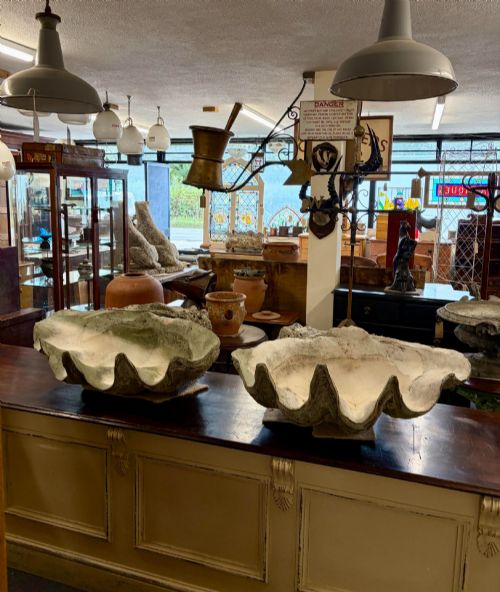
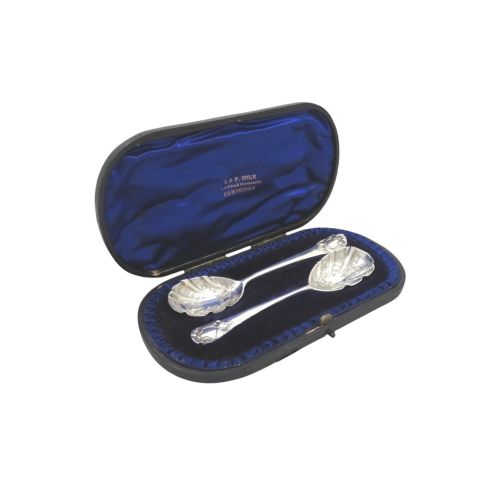
Makers fashioned these vessels in silver, silver plate, porcelain, and glass, adapting natural curves for functional service or cabinet display. You will find items ranging from small dishes to large centrepieces and natural specimens.
The selection encompasses tableware made to hold butter or preserves alongside decorative pieces designed in styles from Rococo Revival to Art Nouveau. These objects reflect a long-standing fascination with maritime motifs in domestic interiors.
How They Were Made
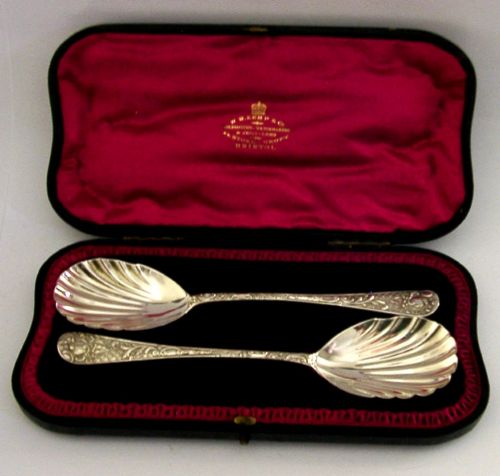
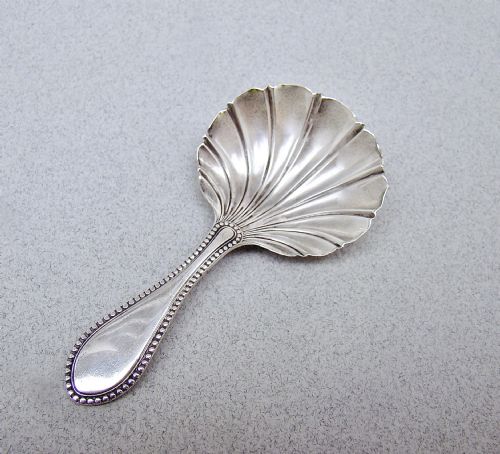
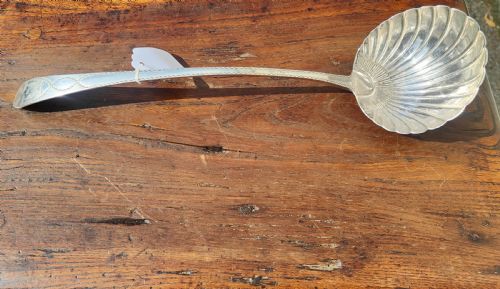
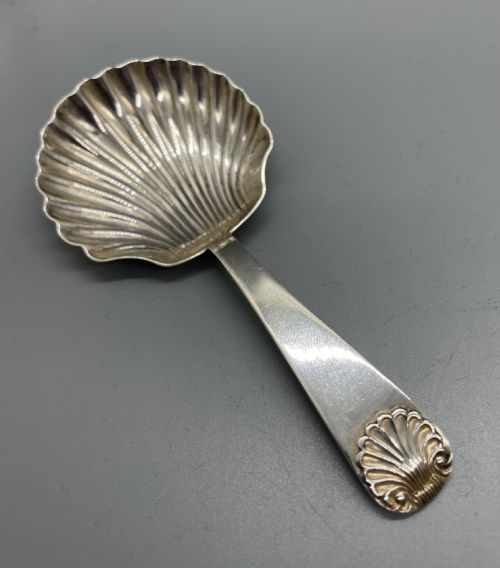
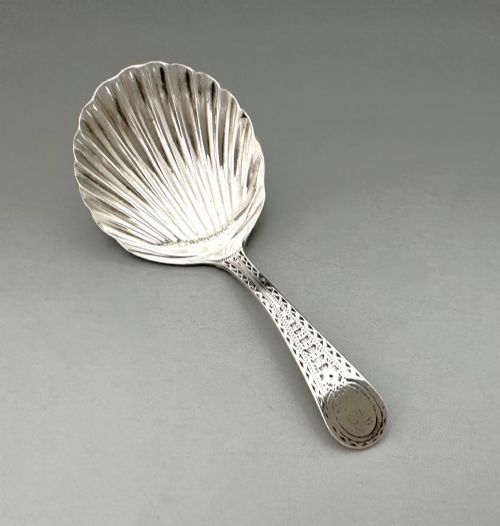
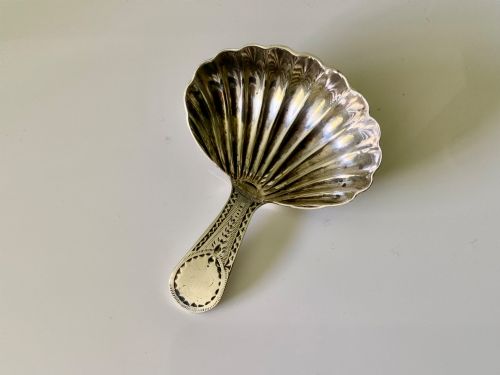
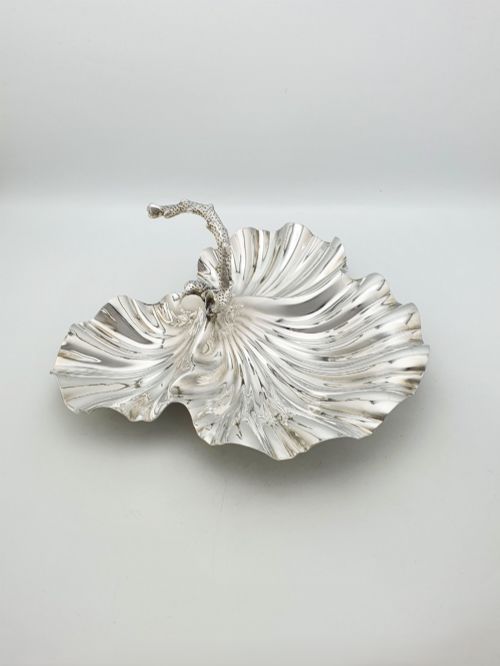
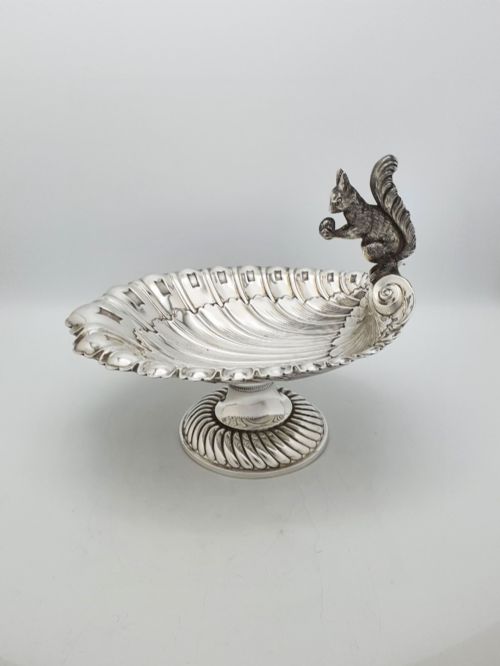
Silversmiths hammered and cast sterling silver and silver plate into ribbed marine contours, often adding details like stylised coral handles or engraved handles. Potters shaped porcelain, majolica, and blush ivory bodies, finishing them with gilt edges and hand-painted floral sprays.
Glassmakers pressed opaline glass into scallop moulds to achieve translucent green shells with gilded rims. Natural specimens such as giant clam shells and Coco de Mer required cleaning and preparation for display as collectors' pieces.
The listings span eight distinct periods, from the eighteenth century through the Georgian, Victorian, and Edwardian eras up to the mid-twentieth century.
What Varies in Quality
Quality rests on the crispness of the casting and the depth of the repoussé work in metal pieces, where sharper fluting and detailed handles demonstrate greater skill. In porcelain and pottery, the precision of the hand-painted decoration and the preservation of the glaze determine the calibre of the vessel.
Maker attribution and hallmarks elevate a piece, connecting silver items to notable firms and workshops. The weight of the metal and the integrity of applied elements like silver-plated coral or gilt edges also separate standard items from superior examples.
Martin Hall & Co·The Goldsmiths & Silversmiths·WMF·Royal Worcester·Mappin & Webb·Garrard London·Royal Dux·Tiffany & Co·Michael Smith·Robert Garrard
The Antique Shell Bowl Glossary
- Repoussé
- Metalworking technique where a design is hammered into relief from the reverse side. This method creates the characteristic raised ridges of a metal shell bowl.
- Blush ivory
- A type of porcelain body developed by Royal Worcester featuring a soft, cream-coloured matte glaze. It often serves as the background for delicate floral sprays on Victorian table wares.
- Majolica
- Low-fired earthenware coated with an opaque tin-glaze and painted in vibrant colours. It appears on Victorian salad bowls and serving pieces shaped like natural forms.
- Coco de Mer
- The large, double-lobed seed of a Seychelles palm tree collected as a natural curiosity. These organic forms were sometimes mounted or displayed alongside manufactured dishes.
- Silver-plate
- A base metal coated with a thin layer of silver. Many serving dishes and nut dishes from the late nineteenth and early twentieth centuries utilised this technique.
Antique Shell Bowl: Frequently Asked Questions
What is an antique shell bowl used for?
These vessels served various dining and decorative functions in historical homes, from holding butter and jam to presenting sweetmeats and salad. Larger versions acted as centrepieces or held visiting cards in a hallway.
Today, they continue to function as decorative table accents or small catch-alls for household items.
How do I clean a silver shell bowl?
Sterling silver and silver-plated items require gentle cleaning with a soft cloth and a specialised silver polish formulated to remove tarnish without abrading the metal surface.
Avoid harsh chemical dips, particularly on pieces with gilt highlights, enamel, or fitted handles, to preserve the original finish.
Are porcelain shell dishes fragile?
Porcelain and glass versions demand careful handling due to the delicate nature of their fired ceramic bodies and thin glass walls. Display them away from high-traffic edges where they might be knocked.
Hand washing in lukewarm water with mild soap keeps ceramic and glass surfaces secure, as dishwashers can damage delicate glazes and gilding.
How can I tell a Victorian shell dish from a Georgian one?
Georgian pieces often display restrained lines, cast silver construction, and hand-engraved details typical of eighteenth-century craftsmanship. Maker's marks and hallmarks stamped into the silver provide precise registration dates for these earlier items.
Victorian examples frequently embrace naturalism, utilising heavier silver plate, majolica earthenware, or more ornate Rococo Revival decoration that reflects nineteenth-century manufacturing trends.