


Antique Shelf Mirror
An antique shelf mirror combines functional glass with fitted ledges, offering a practical surface for display while reflecting light.
Antique Shelf Mirror
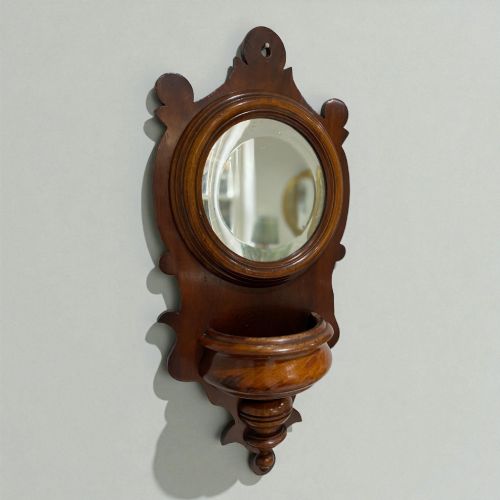
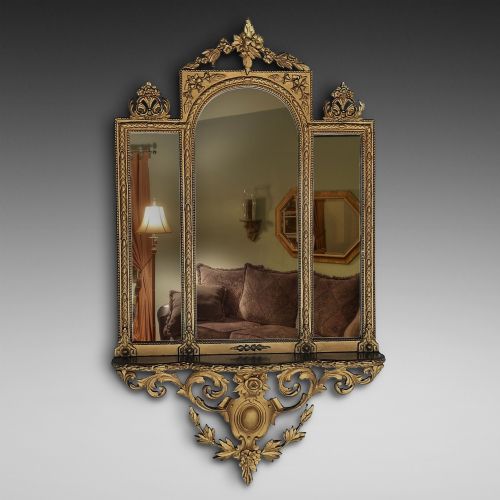
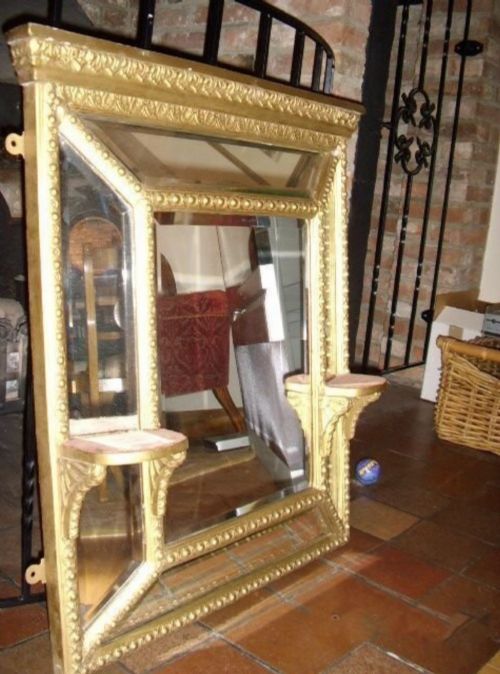
An antique shelf mirror is a dual-purpose furnishing that integrates a glass plate with one or more wooden or gilded ledges for small decorative objects.
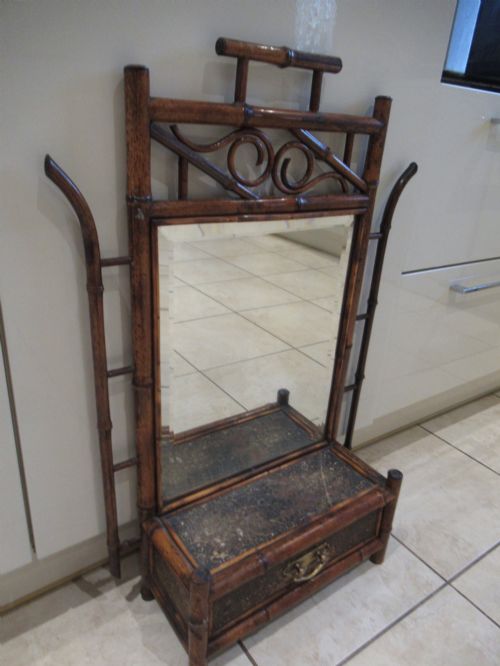
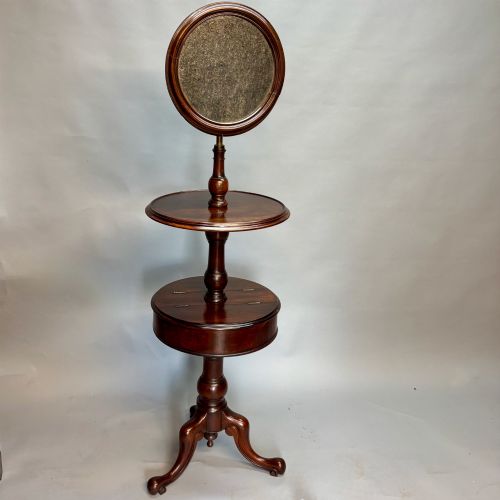
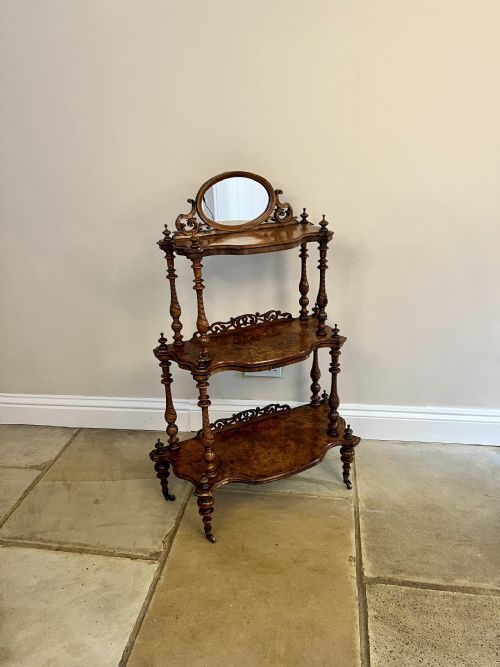
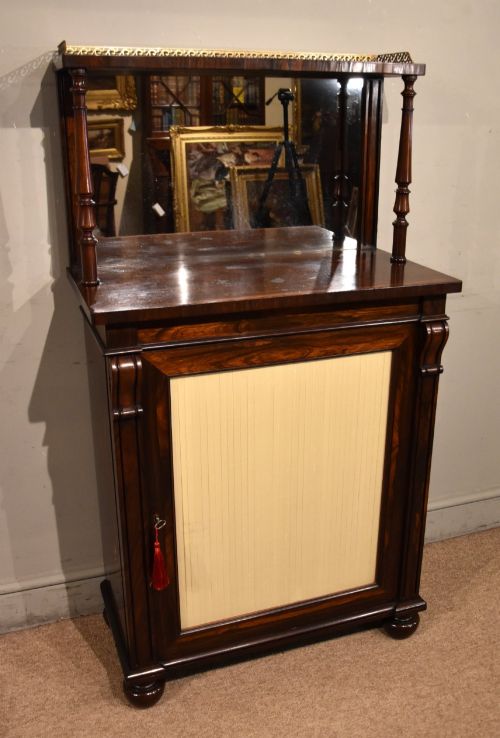
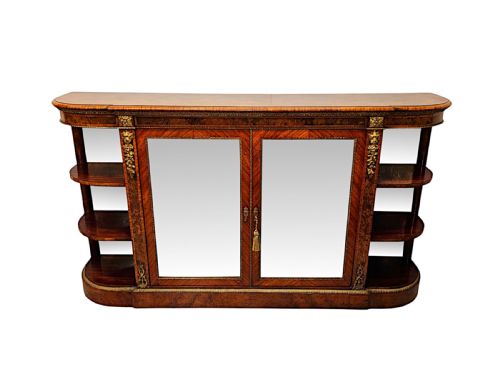
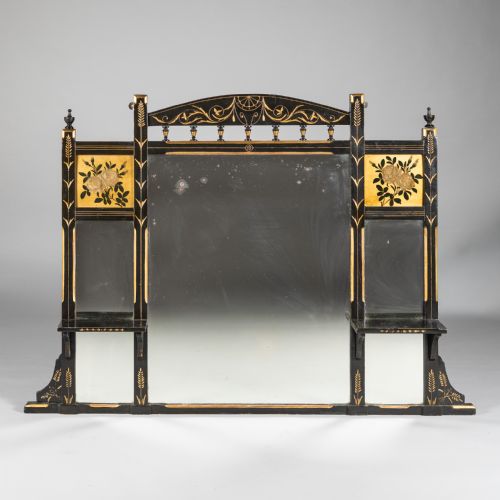
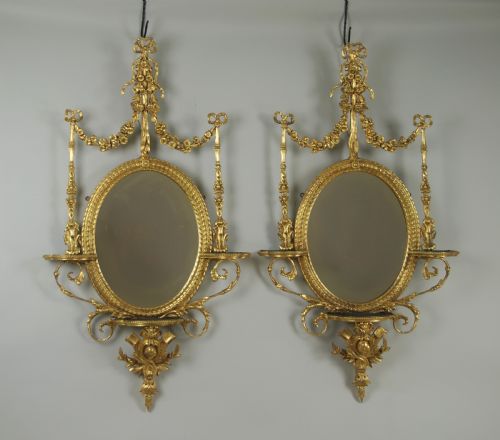
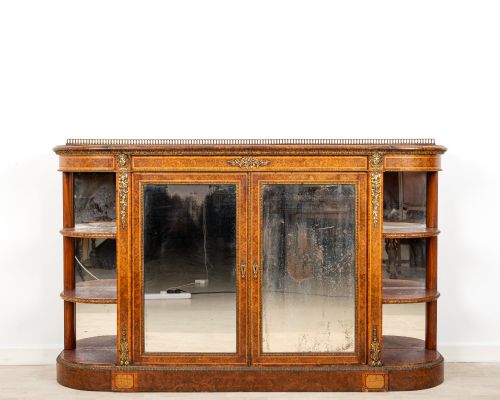
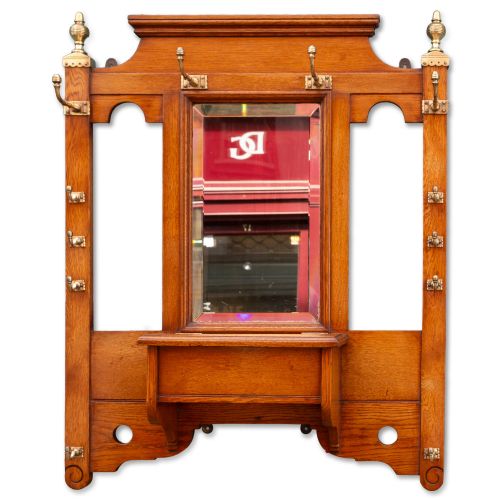
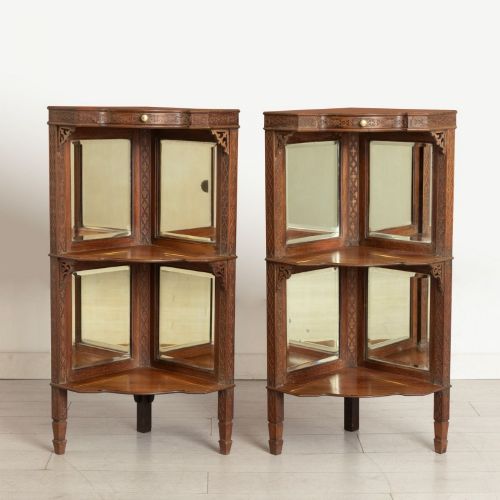
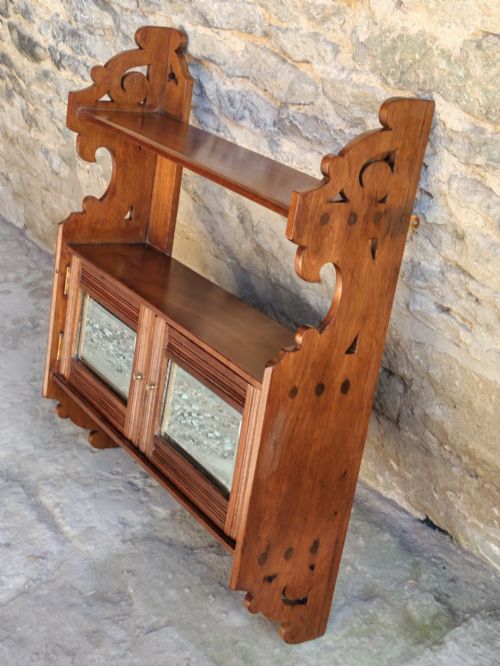
The pieces appearing on this page span the nineteenth century into the twentieth century, taking forms such as wall-hung hall mirrors, overmantel brackets, and compact bamboo or walnut bathroom cabinets with built-in ledges.
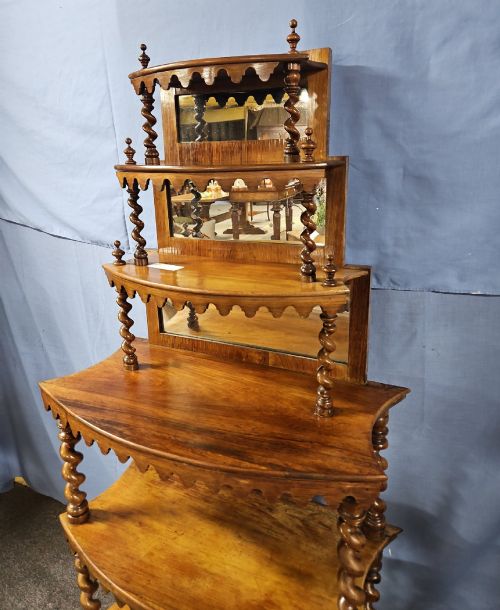
Buyers encounter Victorian and Edwardian examples most frequently, often rendered in walnut, mahogany, oak, or giltwood with bevel-cut or plain mirror glass.
How they were made
Cabinetmakers constructed the frames using native and imported timbers like mahogany, walnut, and rosewood, frequently employing fine veneers such as burr walnut alongside solid framing for structural stability.
Giltwood and gesso examples relied on carved pine or composition applied over a prepared ground, while decorative metal details incorporated brass brackets, ormolu mounts, and copper wires.
Glass plates were silvered using traditional chemical processes and occasionally hand-bevelled at the edges to catch the light before being secured into rebated timber frames with wooden backs.
Antique Shelf Mirror Retail Price Guide 2026
Typical asking prices for shelf mirror among the pieces listed under this phrase on Sellingantiques today, from the lower quarter to the upper quarter. They describe what is for sale here now, not the wider market.
Listings demonstrate that Victorian and Edwardian makers favoured walnut, mahogany, and bamboo for wall-mounted display ledges.
What varies in quality
The standard of timber selection and veneer matching defines the upper tier of production, where grain patterns run continuously and harmoniously across the frame and shelf brackets.
Joinery execution distinguishes finer examples, visible in tight mitres, robust pegging of shelves, and substantial backboards rather than thin plywood or modern fixings.
The clarity and original condition of the mirror plate, alongside the crispness of any applied brass ornamentation, carving, or gilding, separate standard commercial items from workshop-made pieces.
Gillows·Edwards & Roberts·Cottier & Co·Liberty & Co·Strahan of Dublin
The Antique Shelf Mirror Glossary
- Bevel cut
- An angled edge ground along the perimeter of a mirror glass. This technique creates a prismatic light refraction typical of better-quality nineteenth-century plates.
- Giltwood
- Timber carved and coated with gold leaf over a gesso base. It provides a reflective, ornate finish popular in Victorian and Regency drawing rooms.
- Overmantel
- A large mirror or shelf unit designed to hang directly above a fireplace mantelpiece. These pieces often feature extended platforms for displaying ceramics or small ornaments.
- Whatnot
- A freestanding or wall-hung set of open display shelves. Victorian makers frequently incorporated small mirrors into the back panels of these tiered pieces.
- Gesso
- A plaster-like mixture applied to wood surfaces as a smooth base for gilding or painting. It allows intricate moulded decoration on frames.
Antique Shelf Mirror: Frequently Asked Questions
Where should I hang a shelf mirror?
These pieces suit entrance halls, reception rooms, and bedrooms where a small ledge provides a convenient drop spot for keys or letters alongside a quick reflection.
Ensure the wall fixings match the weight of the timber and glass, anchoring directly into masonry or wall studs rather than plaster alone.
How do I clean the mirror glass safely?
Use a soft microfiber cloth and a mild, ammonia-free glass cleaner applied to the cloth rather than directly onto the glass surface.
Avoid letting moisture seep behind the frame where it can reach the historic silvering backing and cause dark spots or corrosion.
Can these mirrors support heavy items?
The small ledges on these pieces are designed for lightweight decorative objects like small ceramics, pocket watches, or glass phials rather than heavy books.
Check the stability of the shelf brackets where they join the main frame before placing any cherished items on display.
How do I identify a Victorian shelf mirror?
Victorian examples often feature dark dense timbers like walnut or mahogany, frequently embellished with carved brackets, spindle galleries, or ebonised details.
Look at the backboards, fixings, and screw types to confirm age, as older slotted screws and hand-sawn timber boards indicate nineteenth-century production.