
Antique Sheffield Plate
When seeking antique sheffield plate, you enter a domain of fused metal table wares that bridge solid silver and base metals with ingenious Georgian craftsmanship.
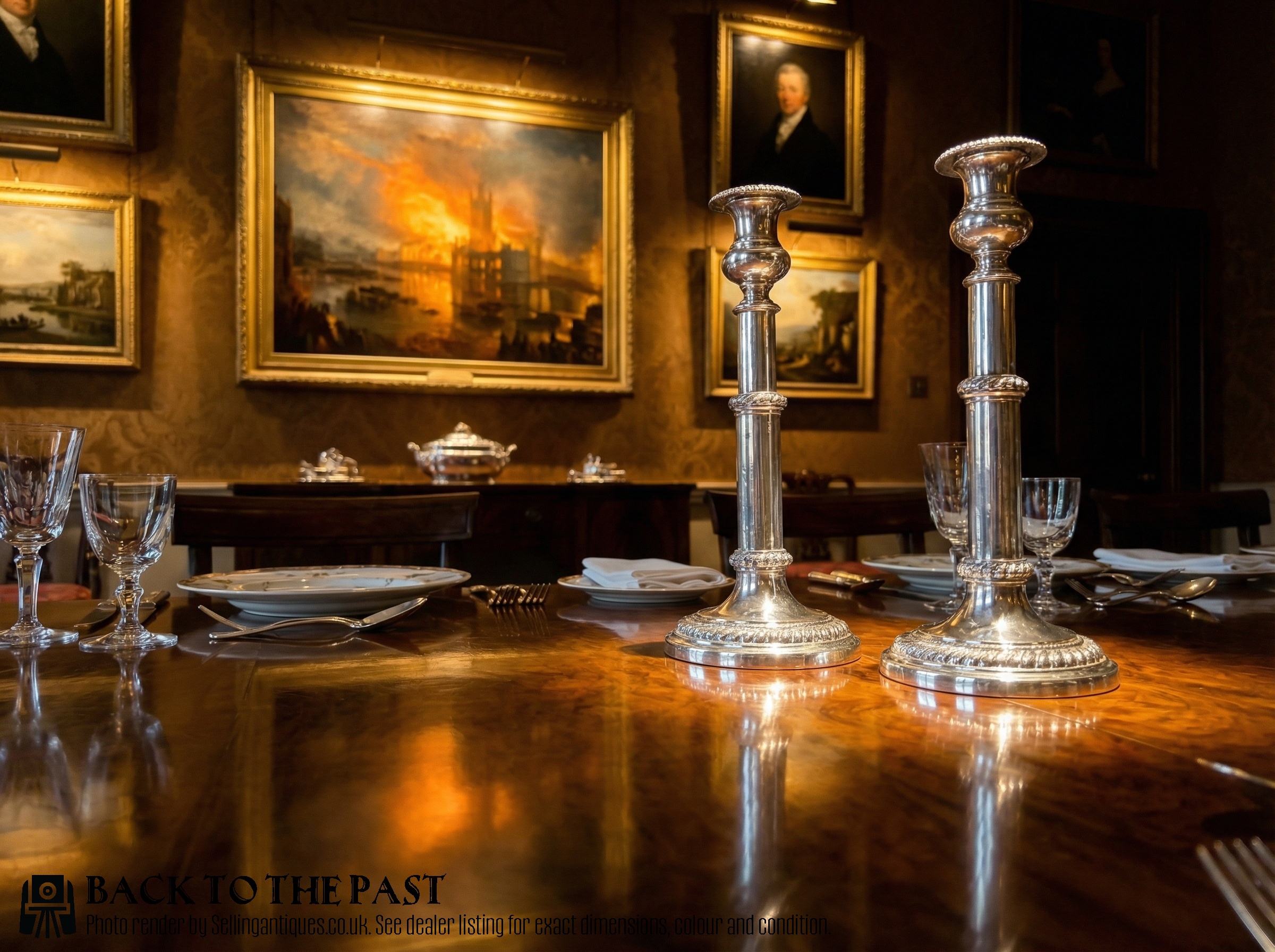
Antique Sheffield Plate
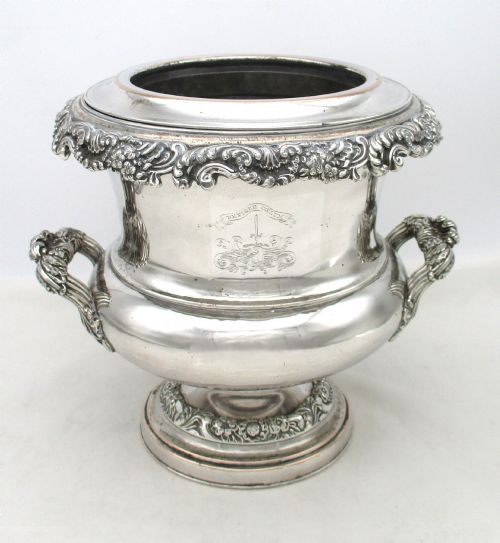
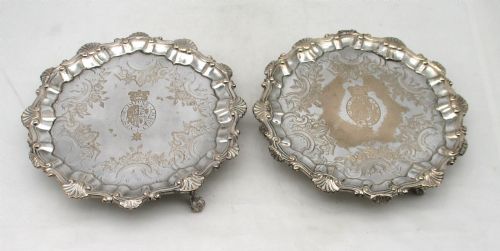
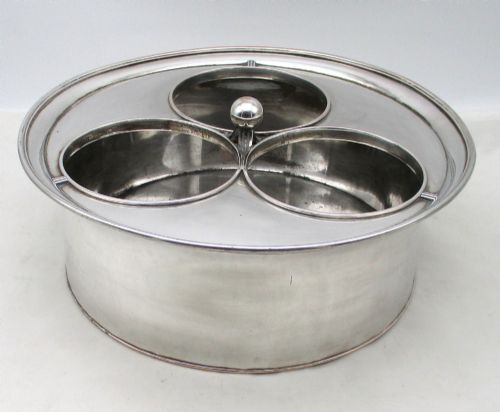
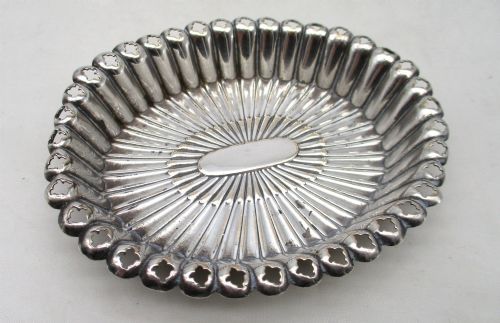
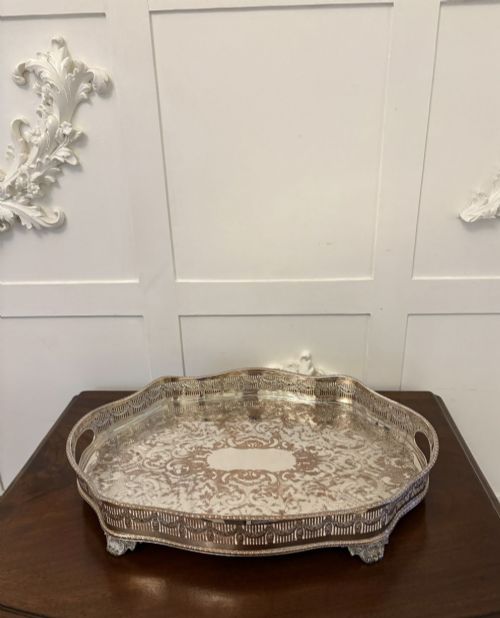
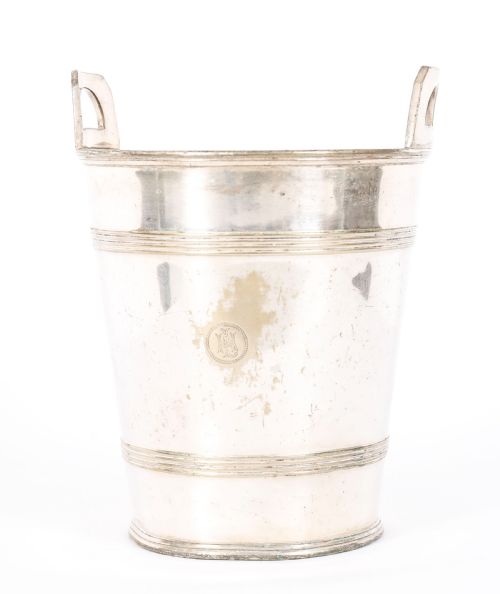
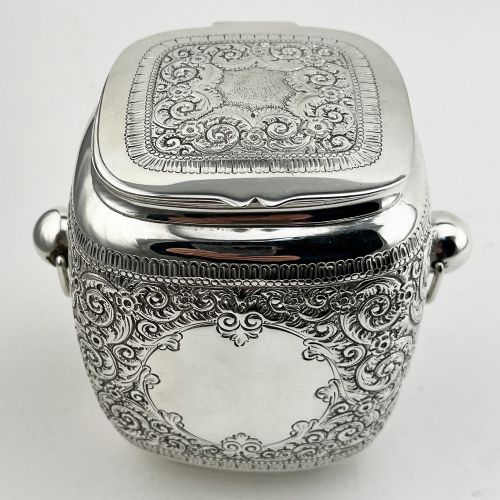
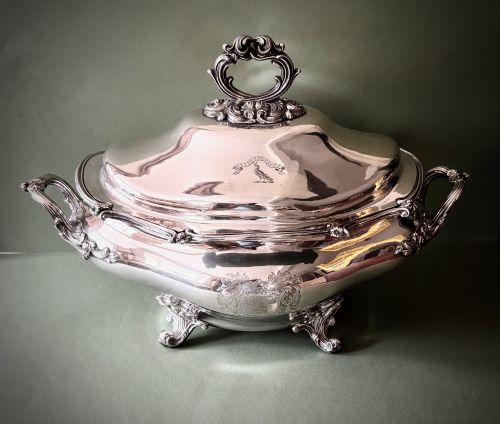
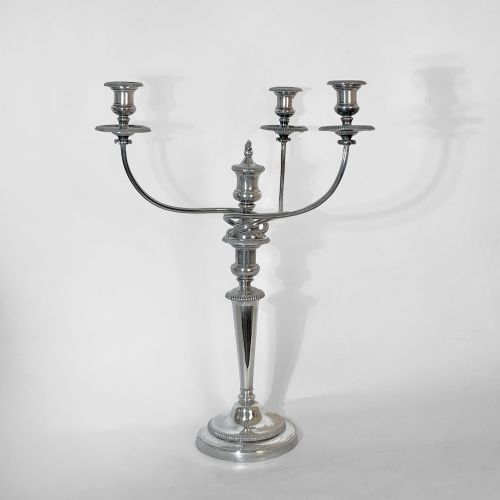
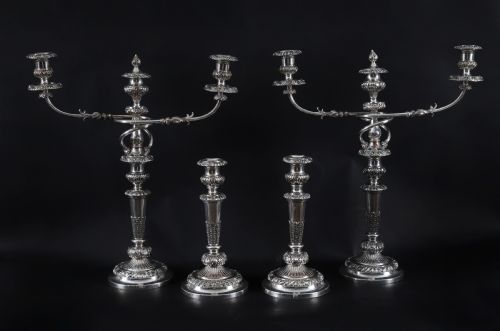
The term antique sheffield plate encompasses functional and decorative domestic objects produced primarily during the Georgian and Regency periods, stretching into the nineteenth century. Buyers encounter an array of dining and serving forms, ranging from substantial wine coolers, candelabra, and meat domes to delicate sweetmeat baskets and card trays.
The pieces appearing most frequently on this page date from the late eighteenth to the mid-nineteenth centuries, often displaying classic styles such as George III, Regency, and Rococo Revival. These items were originally commissioned by prosperous households to replicate solid silver dining services at a fraction of the cost.
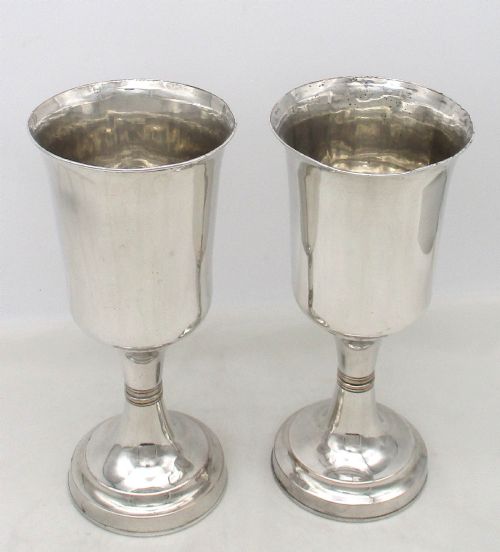
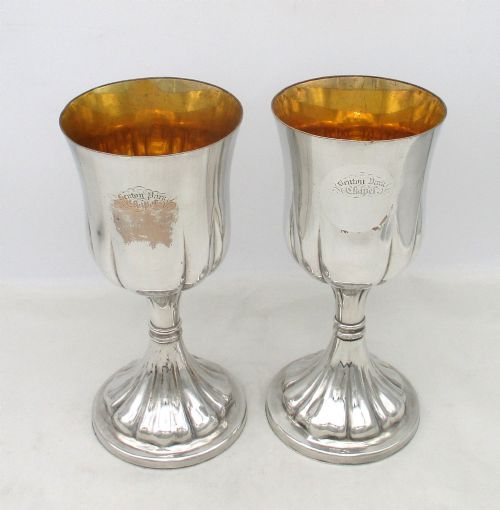
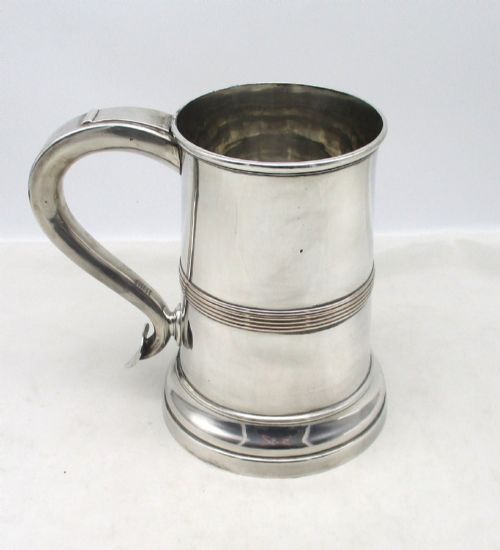
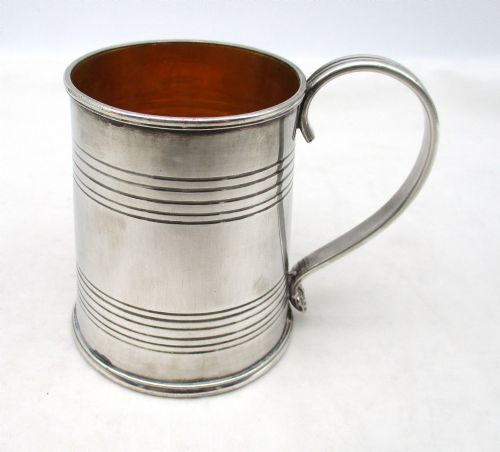
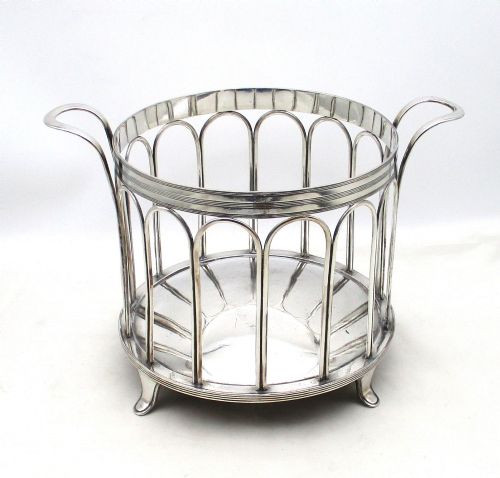
Table accessories dominate the surviving inventory, particularly bottle coasters, tea urns, and sauce tureens designed for formal dining rituals. Surviving church chalices and miniature tankards also represent the diverse output utilising this fused metal technique across various decades.
Materials and Fusion Technique
Old Sheffield Plate is created through the thermal fusion of a silver sheet to a thicker copper ingot, a method discovered in the eighteenth century. The resulting composite billet was then rolled into sheets, allowing items to be fabricated with the appearance of solid silver.
Craftsmen utilised copper as the base material, which occasionally reveals itself at the edges or wear points where the thin exterior silver layer has worn away through decades of polishing. Silver wire edges and applied sterling silver mounts, known as silver shields, were frequently soldered onto rims and seams to conceal the exposed base copper.
Interiors and structural components often integrated base metals alongside wood, glass, or nailsea glass inserts, particularly in items like wine carafes, biscuit boxes, and coasters. Gold gilt was selectively applied to the interior bowls of certain chalices, baskets, and cream jugs for decorative contrast and protection against acidic contents.
Antique Sheffield Plate Retail Price Guide 2026
Typical asking prices for sheffield plate among the pieces listed under this phrase on Sellingantiques today, from the lower quarter to the upper quarter. They describe what is for sale here now, not the wider market.
Current listings feature items spanning the 18th Century through the Victorian era, utilising silver plate, copper, and glass.
Evaluating Quality and Craftsmanship
The standard of craftsmanship is judged by the crispness of chased and engraved ornamentation, the proportion of applied silver wire borders, and the structural integrity of joints. Superior examples maintain thick silver layers that resist telegraphing the underlying reddish copper through the surface.
Makers achieved distinction through the weight of the metal, the balance of telescopic mechanisms in candlesticks, and the complexity of multi-light candelabra or fitted suites. Pieces bearing clear maker marks and original crests or armorial engravings command greater attention from those studying provenance.
The proportion of hand-worked detail versus mass-produced stamping dictates the standing of individual items within the historical range. Refined soldering that conceals joinery and robust gauge copper foundations separate standard utilitarian objects from high-status dining table centerpieces.
Roberts Cadman·Martin Hall And Co·Henry Wilkinson·Creswick·Richard Morton·Matthew Boulton·Cooper Bros·F Green And Sons·George Wish·W Briggs·Fenton Brothers
The Antique Sheffield Plate Glossary
- Old Sheffield Plate
- A composite material made by fusing sterling silver to a copper core through heat and pressure before rolling it into workable sheets. This technique predated modern electroplating by nearly a century.
- Wine Cooler
- A large vessel designed to chill wine bottles or hold ice at the dining table, often featuring decorative handles, crests, and fitted liners. These pieces represent some of the most monumental forms executed in fused plate.
- Meat Dome
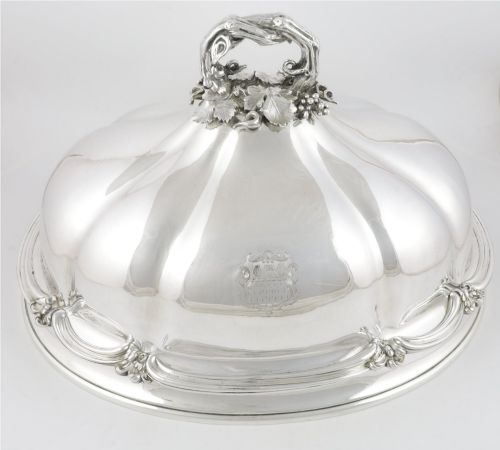
- A large domed cover used to keep roasted joints warm on the dining table during formal meals. They frequently include matching meat dishes or bases.
- Candelabra
- A branched candlestick holding multiple lights, often designed with detachable arms to function as single candlesticks. Georgian iterations display intricate casting and balance.
- Copper
- The base metal underlying the thin silver sheet in genuine Old Sheffield Plate. Exposure of this metal forms the basis of the characteristic edge wear appreciated by collectors.
Antique Sheffield Plate: Frequently Asked Questions
How do I spot old sheffield plate?
Examine the edges and high points of the object to find faint traces of a reddish copper base gleaming beneath the silver surface. This visual characteristic confirms the fusion method used before electroplating became common.
Look closely for applied sterling silver borders or wire rims designed to hide the raw edges of the composite sheet. These construction details separate fused plate from nineteenth-century electroplated wares.
What is the difference between silver plate and old sheffield plate?
Old Sheffield Plate relies on a mechanical fusion of solid silver and copper sheets bound by heat, resulting in a heavier and thicker metallic sandwich. Electroplated items use an electrical current to deposit a microscopic film of silver onto a base metal.
Items created through the older fusion technique often show copper bleed on protruding areas from centuries of gentle cleaning. Electroplated pieces tend to wear down to a grey base metal rather than warm copper.
How were wine coasters used?
Wine coasters were slid across polished mahogany dining tables after the servants withdrew, allowing guests to pass bottles freely without scratching the wood. Their felt or wooden bases protected the tabletop during circulation.
Multiple coasters often sat together on the board to hold different vintages during extended Georgian dinners. Deep wells and weighted bottoms kept tall decanters secure while in motion.
How should I clean antique sheffield plate?
Clean these items using non-abrasive silver foams and soft cloths to avoid thinning the historic silver layer over the copper core. Aggressive scrubbing removes the remaining precious metal and exposes the base metal prematurely.
Store pieces in dry environments away from direct sunlight and sulfur sources to minimise tarnish accumulation. Regular light dusting preserves the polished finish without requiring harsh chemical dips.