





Antique Shahsavan Rug
An antique shahsavan rug brings nomadic tribal character into a room through geometric motifs and saturated natural dyes.
Antique Shahsavan Rug
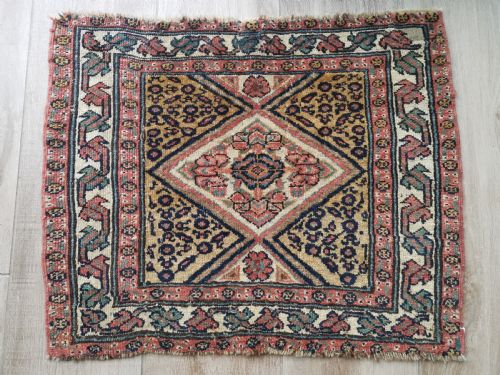
When you search for an antique shahsavan rug, you encounter woven works originating from the nomadic and village communities of northwest Persia and the Caucasus. These pieces include small bag faces, saddlebags, storage bag panels, long runners and room-sized carpets.
The objects span periods from the mid-nineteenth century up to the early twentieth century, showing strong ties to Caucasian and Persian tribal traditions. Runners and flatwoven kilim structures frequently appear alongside complete mafresh storage containers and fragment panels.
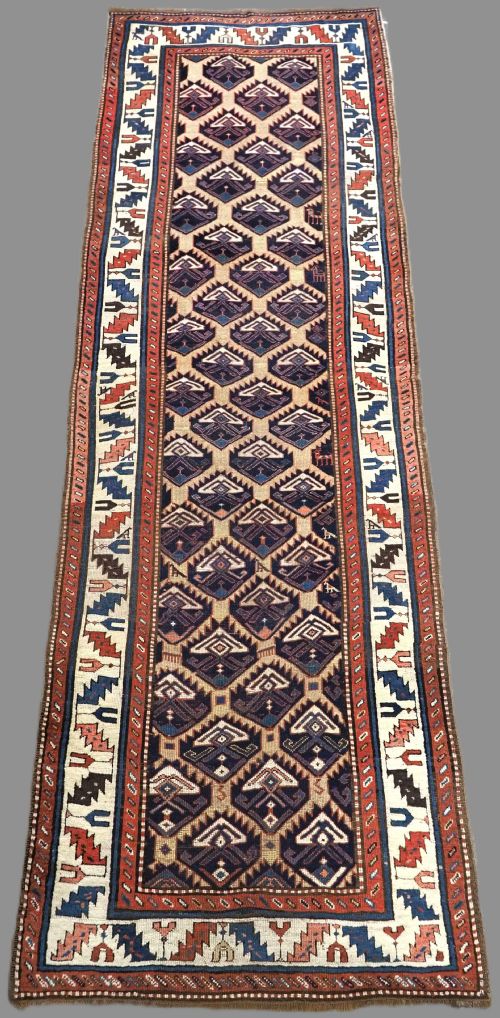
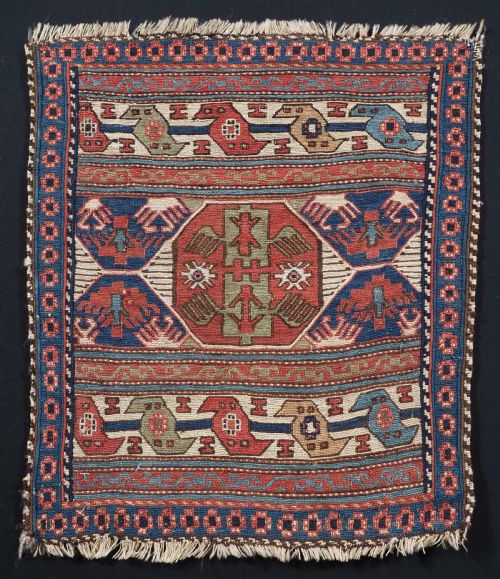
You are most likely to meet small bag faces and soumak saddlebags carrying bird and dragon motifs, as well as narrow runners featuring lattice designs. These textiles reflect the utilitarian weaving practices of nomadic groups who settled across borderlands.
How they were made
Weavers constructed these textiles using hand-spun wool for the pile and structure, often incorporating cotton and leather additions for strength. Artisans employed vegetable and natural dyes to achieve deep colour palettes that developed rich patinas over time.
The defining technical method is the soumak technique, a warp-wrapping weave that creates a flat-faced fabric with textured surface detail. Kilims and pile-woven surfaces also appear across the listings, alongside structural elements reinforced with metal.
Antique Shahsavan Rug Retail Price Guide 2026
Typical asking prices for shahsavan rug among the pieces listed under this phrase on Sellingantiques today, from the lower quarter to the upper quarter. They describe what is for sale here now, not the wider market.
Nomadic weavers tucked mythical dragons and tiny birds into storage bags so mundane laundry baskets doubled as mythical protection.
What varies in quality
The distinction between ordinary and exceptional examples rests upon the crispness of the geometric drawing and the complexity of the iconography. Pieces featuring distinct bird and dragon motifs or complete storage bag constructions demand closer attention.
Material handling also dictates standard, where the depth and saturation of natural dye work elevate the visual impact of a runner or bag face. Intricate soumak technique execution determines the structural integrity and precision of the finished textile.
The Antique Shahsavan Rug Glossary
- Soumak
- A flatweave technique where supplementary decorative wefts wrap around the warp threads, producing a textured surface. This method creates durable structures without a pile.
- Mafresh
- A large rectangular storage bag used by nomadic groups to carry household goods and bedding during migration. These containers often get disassembled into individual panels over time.
- Khorjin
- A double-sided saddlebag designed for transport on horses, donkeys or camels. Complete pairs remain prized by collectors for their intact symmetry.
- Kilim
- A tapestry-woven carpet or flatweave produced without a pile. These textiles rely entirely on tightly packed warp and weft threads to form patterns.
Antique Shahsavan Rug: Frequently Asked Questions
How were these bags used originally?
Nomadic weavers utilised these textiles as functional storage containers and saddlebags during seasonal migrations across northwest Persia and the Caucasus. They stored bedding, clothing and household possessions inside these heavy woven vessels.
Over decades of use, many complete containers were separated into individual panels or bag faces. Today, collectors preserve these surviving fragments as decorative wall hangings and small floor coverings.
Where did these weavers live?
Shahsavan tribal groups inhabited the borderlands between northwest Persia, the Caucasus and eastern Anatolia. Their weaving traditions absorbed design elements from both Persian and Caucasian cultures.
This geographic positioning explains why individual pieces show stylistic traits associated with Gendje, Moghan and broader south Caucasian traditions. The nomadic lifestyle encouraged portable formats like saddlebags and runner carpets.
How do I clean and care for a tribal rug?
Protect antique wool textiles by limiting direct exposure to harsh sunlight and rotating the placement periodically to ensure even wear. Gentle vacuuming without a rotating brush roll removes trapped dust safely.
Professional textile conservators should handle any deep cleaning to protect delicate natural dye formulas. Avoid harsh chemical spot treatments on historic vegetable-dyed wool.