




Antique Serving Ware
Antique serving ware spans centuries of global dining, offering practical beauty for modern tables through hand-painted porcelain, rich metalwork and lacquered trays.
Antique Serving Ware
Antique serving ware comprises functional vessels and display pieces designed for presenting food and drink, encompassing everything from large chargers to dessert services. When searching for antique serving ware, buyers commonly encounter items spanning the seventeenth to the twentieth centuries, reflecting diverse global manufacturing traditions.
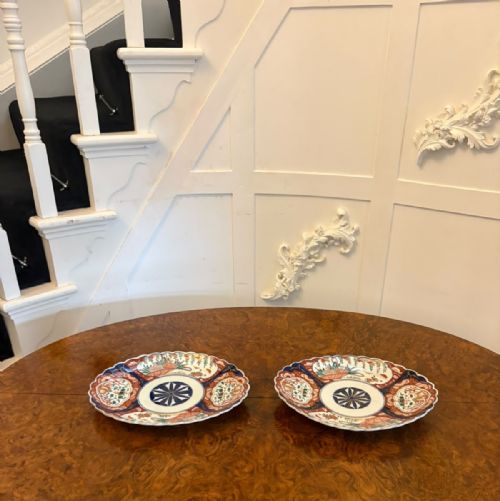
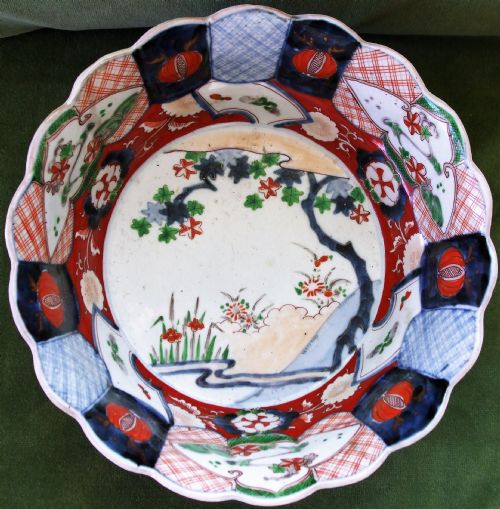
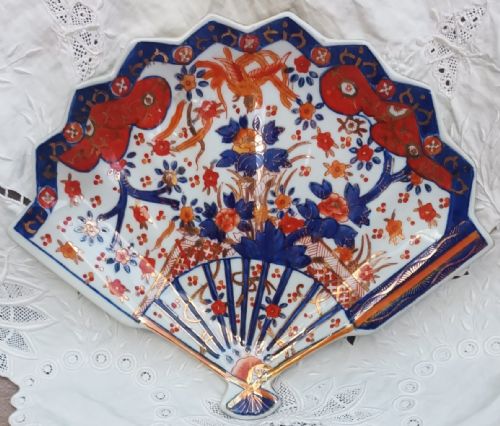
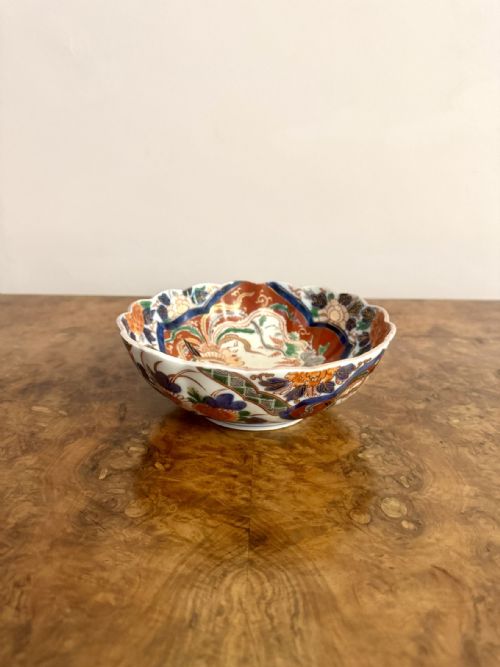
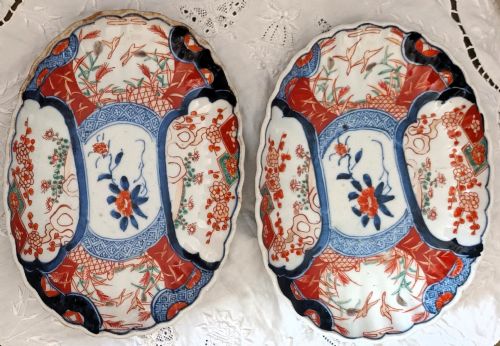
Japanese export pieces dominate the selection, particularly Imari porcelain bowls, plates and dishes produced during the Meiji period and earlier eras. Alongside Eastern porcelain, the inventory includes English transferware, French toleware trays, Sheffield plated tureens and Art Deco novelty bar ware.
How they were made
Pottery and porcelain items utilise traditional ceramic techniques, combining hand-painted cobalt glaze, enamel decoration and gold leaf gilding over earthenware and hard-paste bodies. Potters shaped these pieces into oval, square, boat and scallop forms, firing them in kilns to set intricate floral, bird and figural designs.
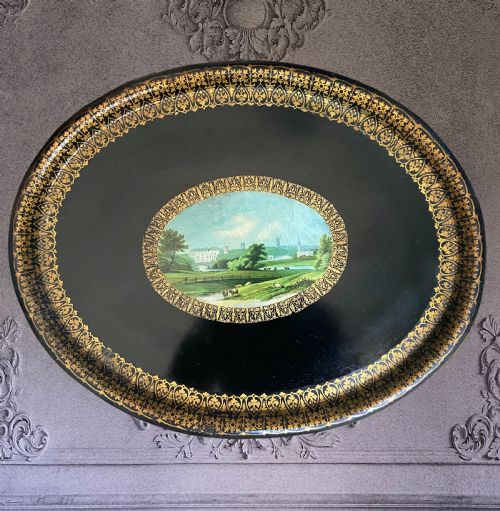
Metal and composite objects rely on specialised fabrication methods, such as engraving mixed metal, silver plating over copper bases, and painting on papier-mâché lacquer or French toleware. These varied material approaches produce durable surfaces suited for both presentation and functional dining use.
The listings here span Japanese porcelain, English transferware, French toleware, and Art Deco bar ware from the seventeenth century onward.
What varies in quality
Quality in these pieces rests upon the precision of the hand-painting, the crispness of moulded or engraved details, and the preservation of original gilding and enamel colours. Superior examples demonstrate confident brushwork and balanced compositions, particularly evident in floral and bird motifs on porcelain or detailed engraving on metal trays.
The integrity of the material foundation also distinguishes finer items, whether dealing with the clarity of a porcelain glaze, the stability of a lacquer base, or the weight and plating thickness of a metal tureen. Maker attribution and well-preserved surface finishes elevate specific pieces within their respective historical categories.
William Hutton & Sons·John Rogers and Son
The Antique Serving Ware Glossary
- Imari
- A style of Japanese porcelain featuring a distinct palette of underglaze blue, iron red, and gilt highlights. These pieces were widely exported to Europe and remain prized for their vibrant decorative schemes.
- Transferware
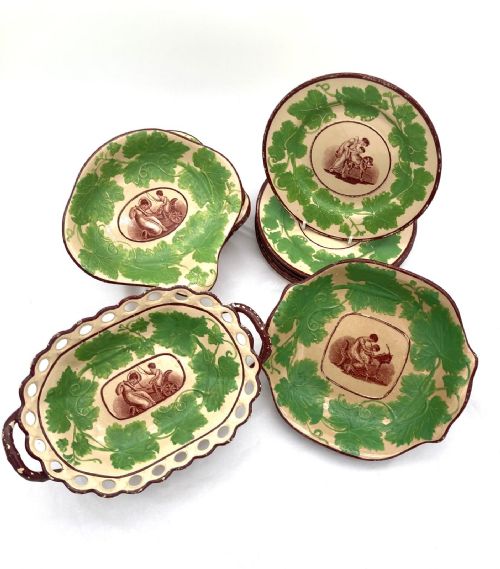
- Pottery decorated by applying a printed design from an engraved copper plate onto the ceramic surface via tissue paper. This technique enabled intricate blue and white patterns to be produced consistently.
- Toleware
- Metalware, typically iron or steel, coated with tin or a lacquer-like paint finish and often decorated with hand-painted or gilt designs. It was commonly formed into trays and decorative vessels in France and Britain.
- Charger
- A large decorative plate or platter used traditionally as a base under other courses or displayed upright on a sideboard. In antique collections, these items serve primarily as striking wall or table centerpieces.
- Old Sheffield Plate
- An early composite material made by fusing a thin sheet of silver to a thicker copper base. This method produced durable tableware with the appearance of solid silver before modern electroplating techniques were invented.
Antique Serving Ware: Frequently Asked Questions
How do I use antique serving pieces today?
These historical items function wonderfully for modern entertaining, allowing you to serve canapés, desserts or drinks on authentic period pieces. Many collectors also mount large chargers or trays on walls as striking decorative artwork.
Hand washing is essential to preserve delicate overglaze enamels, gold leaf and historic lacquered surfaces. Avoid abrasive cleaners and dishwashers to maintain the integrity of the antique materials.
What is the difference between Imari and Kutani porcelain?
Imari porcelain typically showcases a bold palette combining cobalt blue underglaze with iron red and gold overglaze. The designs frequently incorporate complex floral and geometric brocade patterns.
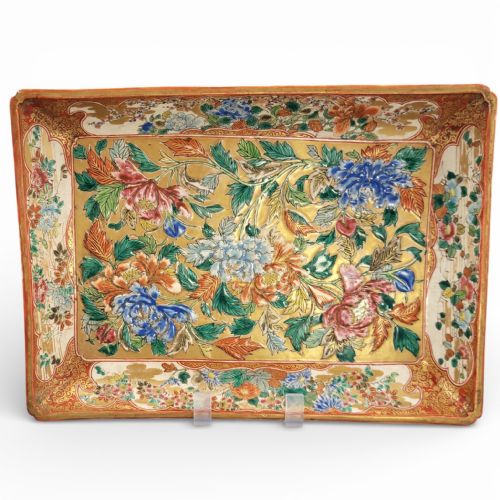
Kutani ware, by contrast, often emphasises pictorial scenes rendered in rich polychrome enamels, sometimes incorporating heavy gold applications associated with specific regional workshops like the Shoza style.
How do I identify a Meiji period piece?
The Meiji period spans from 1868 to 1912, a time when Japanese kilns produced immense quantities of decorative porcelain and lacquerware specifically for Western export markets. Items from this era often display exceptional technical refinement in their painting and glazing.
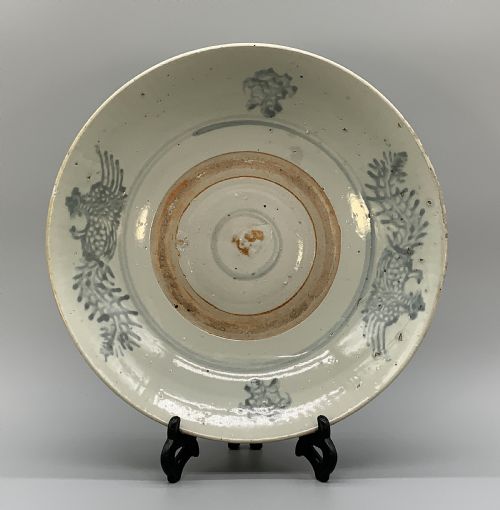
Looking at the style of painting, the clay body and the specific floral or bird motifs helps distinguish these Meiji exports from earlier Edo or Ming dynasty examples.
Can I use silver plated tureens for food?
Sheffield plated and silver-plated tureens were originally designed for keeping soups and sauces warm at the dining table. They remain suitable for serving food provided the underlying base metal is not exposed through worn plating.
Inspect the interior for any heavy wear or corrosion, and wash the vessel thoroughly with mild soap before any modern culinary use.