
Antique Serving Bowl
When you search for an antique serving bowl, you enter a diverse tradition of table pieces shaped from porcelain, silver, pottery, and turned wood across multiple centuries.
Antique Serving Bowl
An antique serving bowl encompasses a wide array of domestic vessels designed for the table, spanning shallow dessert dishes, deep pottery bowls, porcelain tureens, and heavy centrepieces. The selections here trace centuries of dining habits, originating from English potteries, European factories, and Asian kilns alongside domestic workshops.
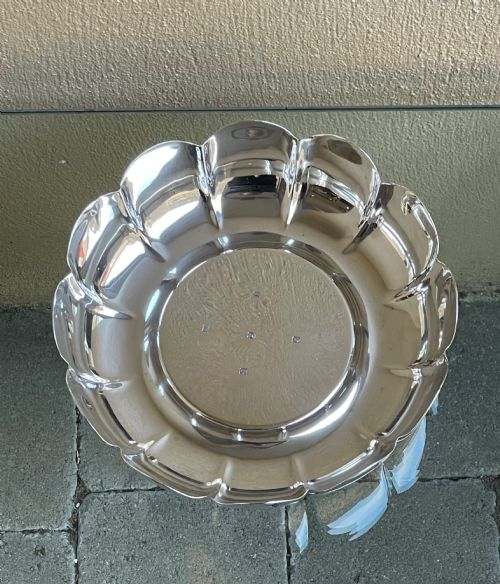
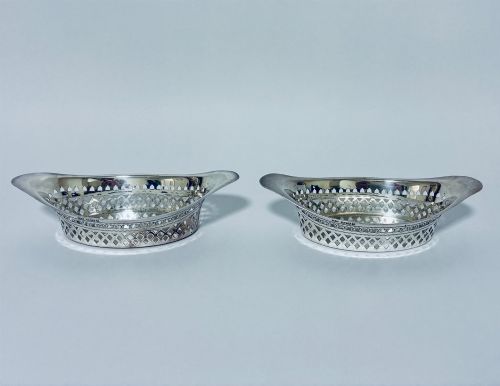
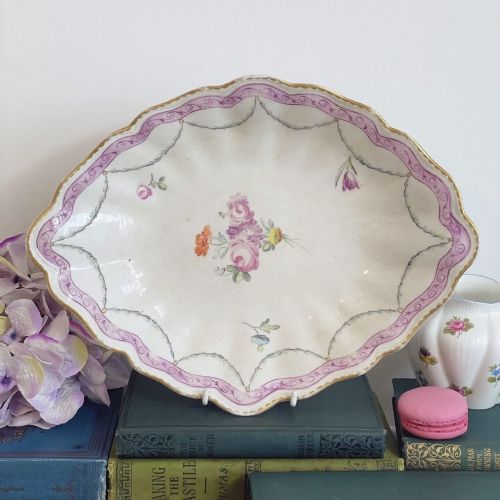
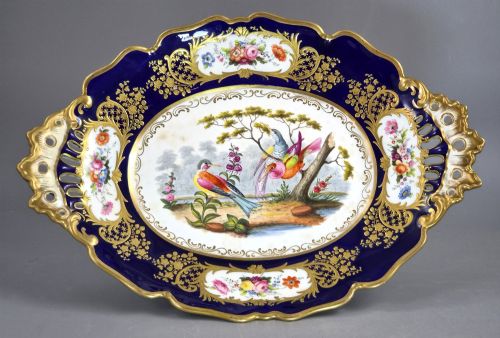
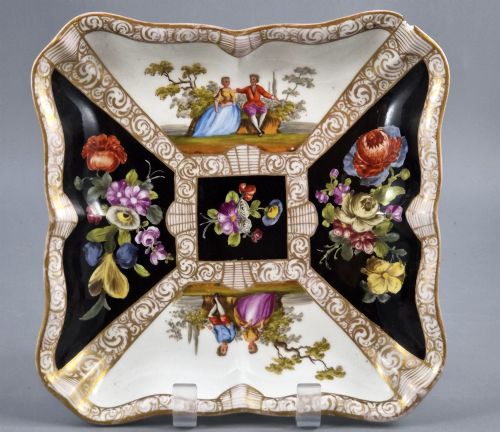
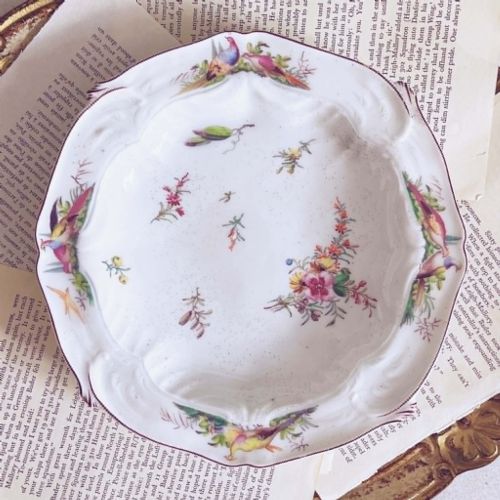
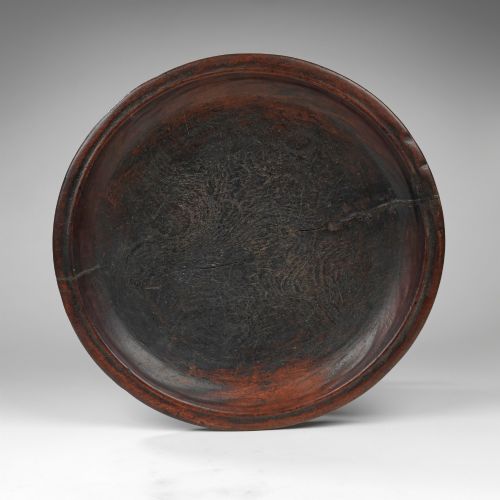
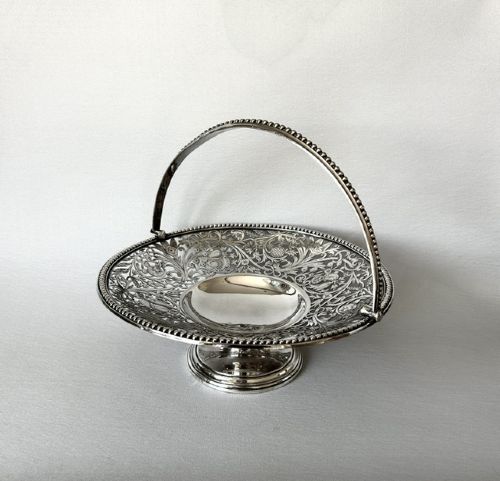
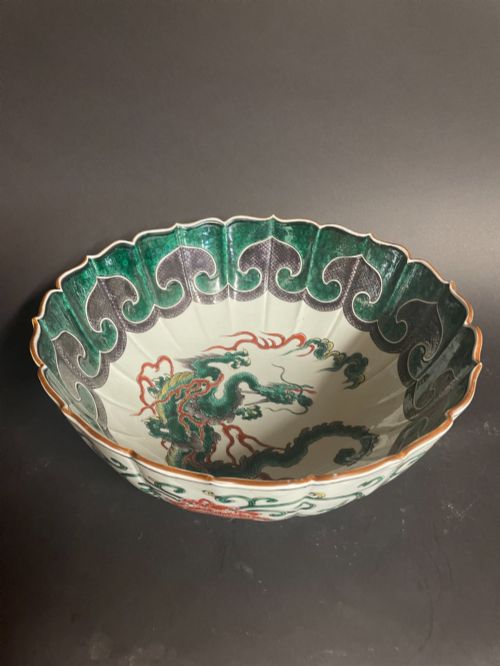
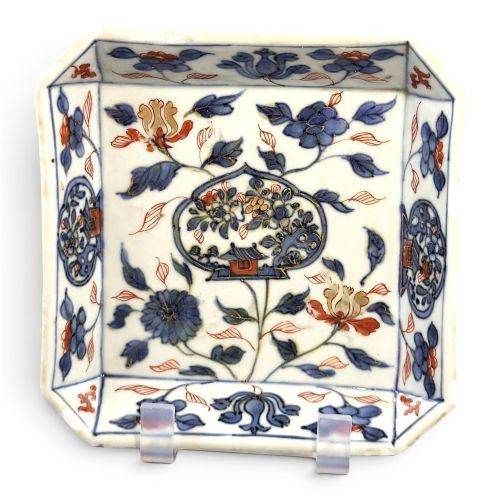
The version most commonly encountered on this page is the ceramic or porcelain bowl, often featuring hand-painted floral motifs, blue and white transfer prints, or Imari palettes. Alongside these sit sterling silver and silver-plated vessels, ranging from simple Georgian turned wooden bowls to elaborate Victorian centrepieces.
Makers and regional potteries contributed distinct forms, from Delft earthenware to ironstone tureens and delicate Derby porcelain. Buyers encounter pieces that served specific historical dining functions, including junket dishes, punch bowls, fruit baskets, and vegetable tureens.
Materials and Techniques
Pottery and porcelain pieces rely on traditional throwing or moulding techniques, finished with hand-painted polychrome enamels, underglaze blue, or transfer-printed scenes. Factories utilised specific glazes and firing methods, evident in the cobalt blues of early English porcelain and the distinctive ironstone bodies.
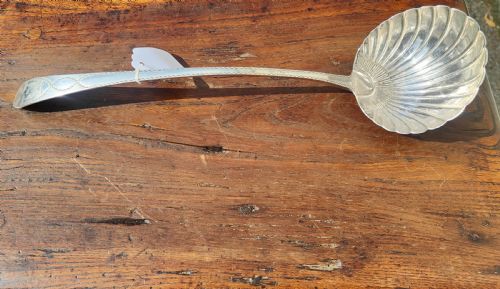
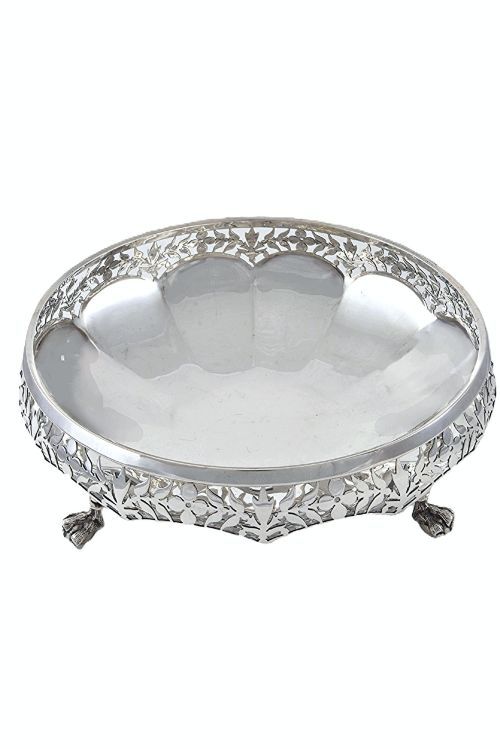
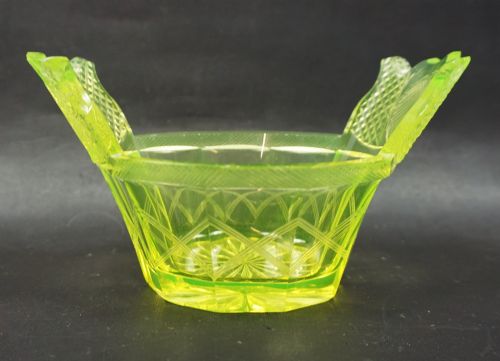
Silver and silver-plated items demonstrate silversmithing skills through hammering, casting, piercing, and chased ornamentation. Many incorporate applied details, crests, or gilt interiors, while glass and crystal bowls utilise heavy cutting techniques paired with mounts of ormolu or silver.
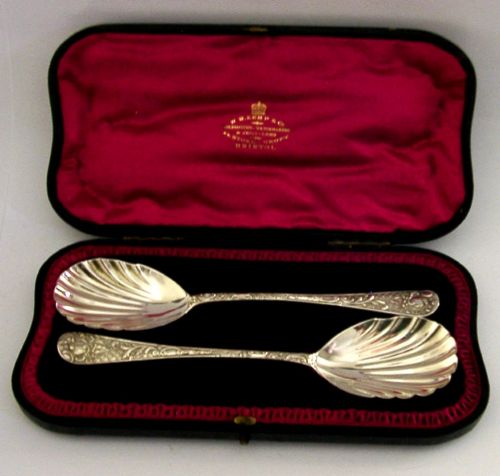
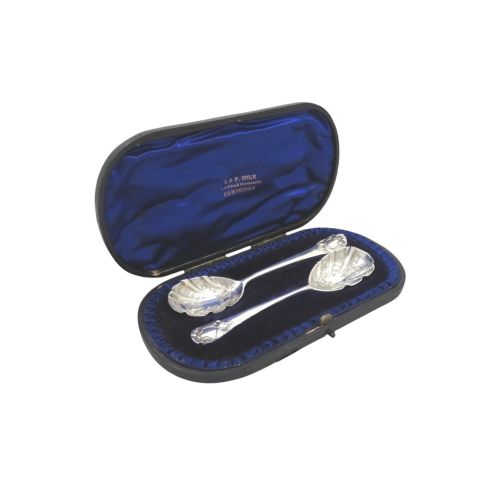
Several Victorian serving spoons carry family crests, suggesting they witnessed countless formal dinners where guests argued quietly about politics over cold meats.
Evaluating Quality
Quality rests upon the crispness of the modelled form, the precision of hand-painted detail, and the preservation of the original surface or glaze. Superior ceramic pieces display delicate brushwork and clear firing marks, whereas lesser examples show blurred transfers or later repairs.
Metalwork quality shows in the weight of the silver, the sharpness of chased decoration, and the intactness of gilt washes or silver plating. The balance of the form and the reputation of the manufacturing house or pottery distinguish standard utility items from masterworks.
Coalport·Meissen·Chelsea·Royal Doulton·Mappin & Webb·Liberty & Co·Tiffany & Co
The Antique Serving Bowl Glossary
- Tureen
- A deep covered dish used for serving soups, vegetables, or stews at the dining table. These ceramic or silver vessels often sit on matching stands or fixed bases.
- Transferware
- Pottery decorated by applying a printed design from an engraved copper plate onto the ceramic surface using paper. This technique allowed intricate pastoral and historical scenes to be reproduced consistently.
- Imari
- A style of Japanese porcelain featuring a distinctive palette of underglaze blue, iron red, and gold. European factories frequently copied these vibrant patterns during the eighteenth and nineteenth centuries.
- Junket dish
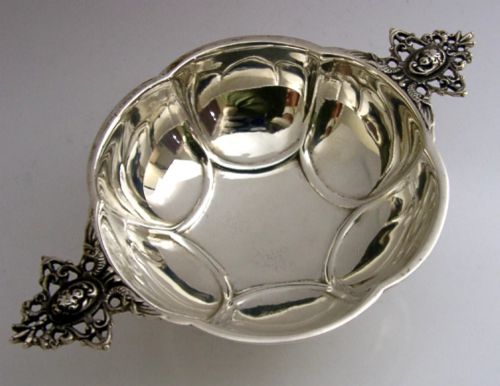
- A shallow bowl traditionally used for serving junket, a curdled milk dessert popular in previous centuries. They often feature lobed or fluted rims designed to hold pastry garnishes.
- Treen
- Small domestic objects made of wood, turned on a lathe or carved by hand. These utilitarian bowls and dishes display the natural grain and age patination of fruitwood or elm.
Antique Serving Bowl: Frequently Asked Questions
How were antique serving bowls used?
These vessels held food at the centre of the dining table, accommodating items from liquid punches and boiled vegetables to delicate fruits and sweet desserts. Larger forms remained stationary as centrepieces, while others passed from hand to hand during formal meals.
Over time, changing dining fashions shifted their utility from communal dining tables to display cabinets or sideboards. Many retain signs of genuine historic use within domestic households across Britain and Europe.
How do I care for an antique bowl?
Gentle hand washing in warm water with mild soap preserves delicate glazes, hand-painted enamels, and fragile silver surfaces. Aive cleaning agents and dishwashers should be avoided entirely to protect the historic materials.
Wooden treen pieces require occasional conditioning to prevent drying, while silver benefits from minimal, careful polishing to maintain its natural lustre without removing fine detail.
How can I tell porcelain periods apart?
Factory marks, anchor symbols, or blue crescents stamped or painted on the underside provide primary clues to a piece's origin and approximate date of manufacture. The weight of the ceramic body and the characteristics of the glaze also indicate specific eras.
Early porcelain bodies often display slight imperfections from primitive kiln techniques, whereas later Victorian and Edwardian pieces show greater industrial standardisation in their production.
What is the difference between earthenware and porcelain?
Earthenware is an opaque, porous pottery fired at lower temperatures, commonly seen in transfer-printed serving dishes and heavier kitchen bowls. It requires a glaze to render it waterproof.
Porcelain is a denser, vitrified ceramic fired at much higher temperatures, producing a ringing tone when struck and often showing translucency under strong light. It forms the basis of finer decorative dishes and cabinet pieces.