
Antique Serpentine Dresser
An antique serpentine dresser brings a flowing, undulating front to a room, offering practical storage disguised by sophisticated cabinetwork.
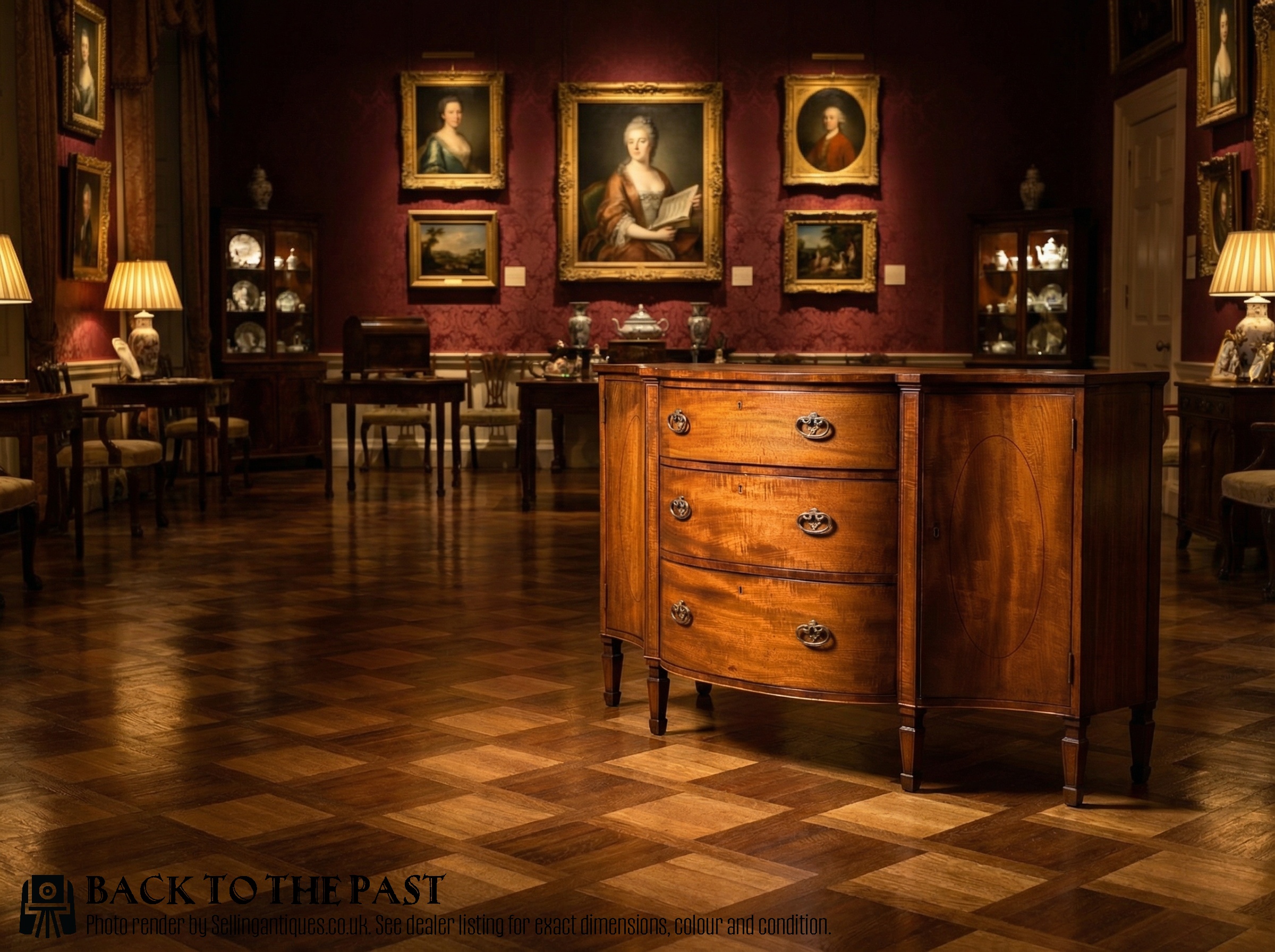
Antique Serpentine Dresser
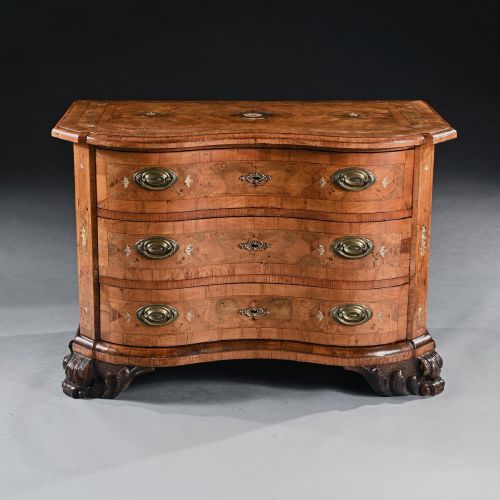
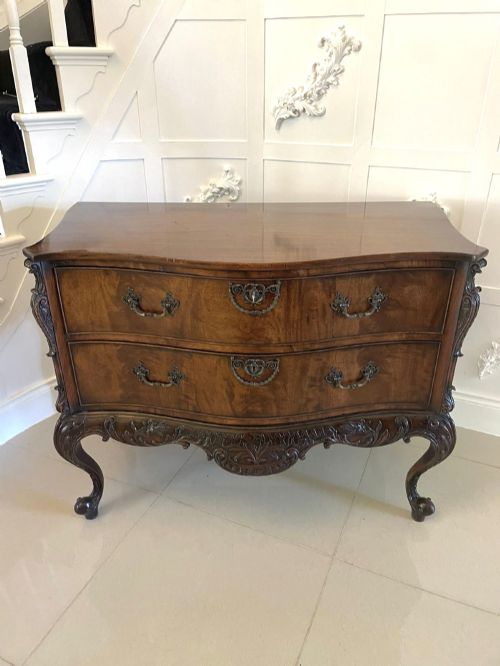
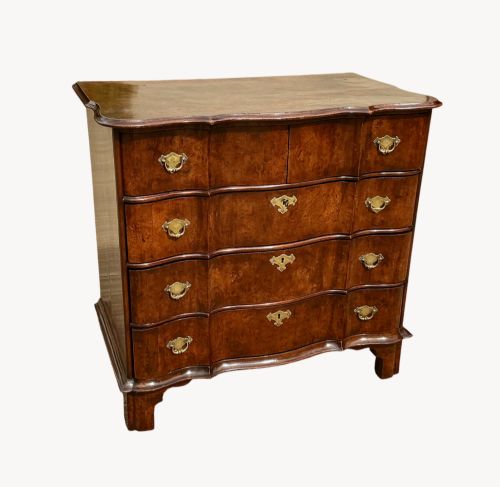
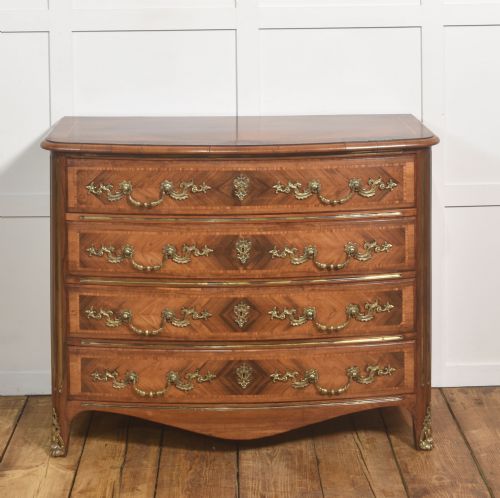
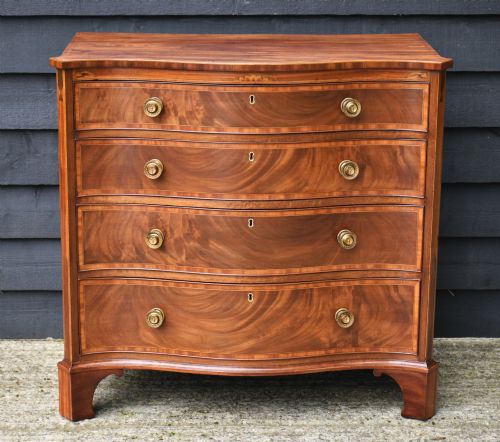
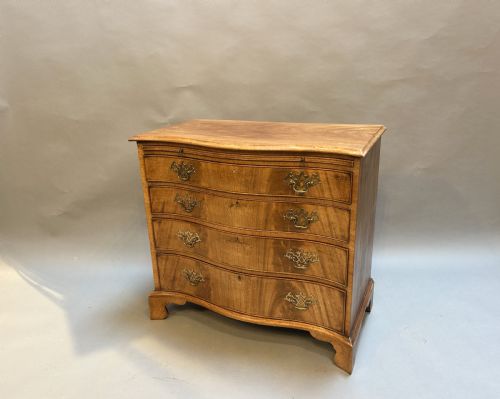
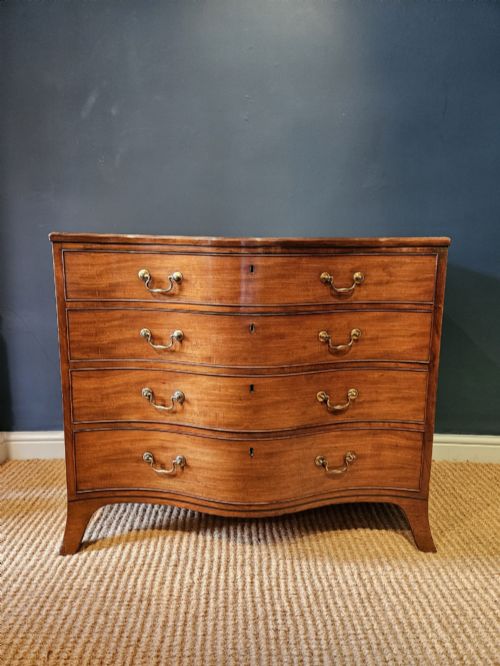
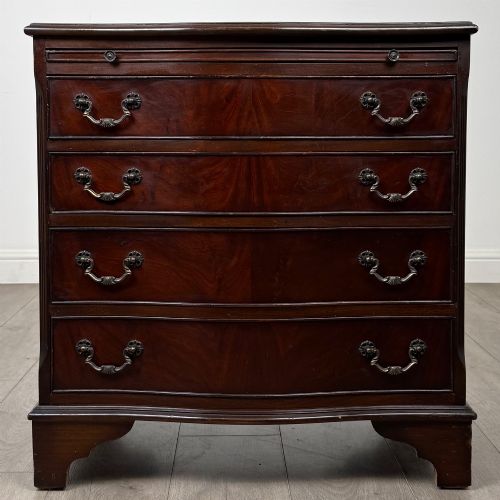
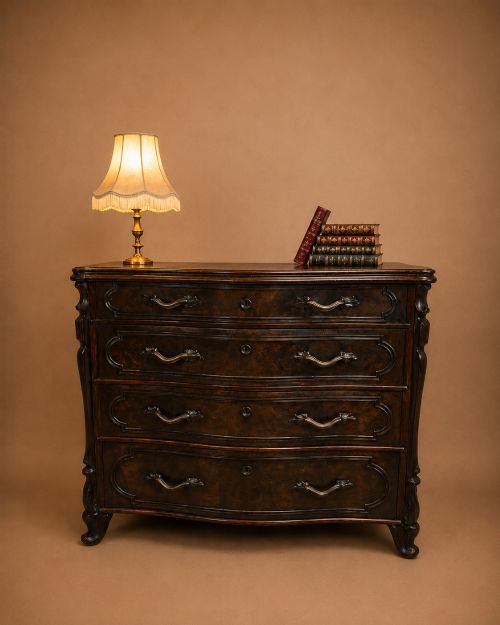
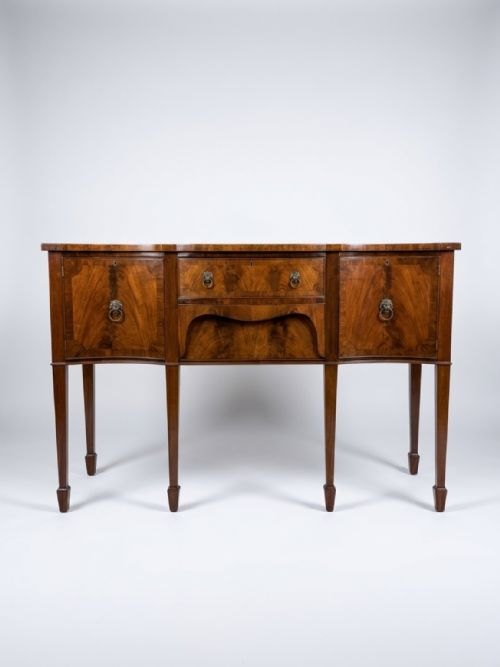
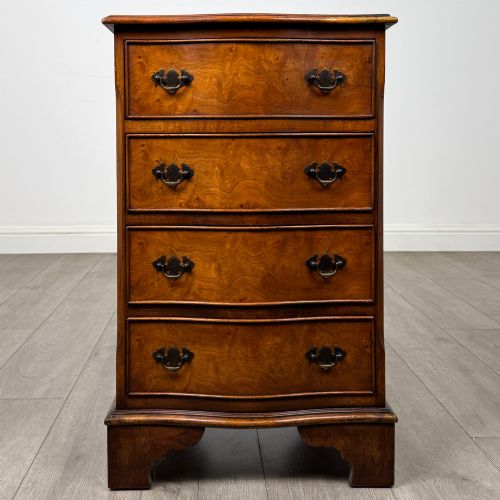
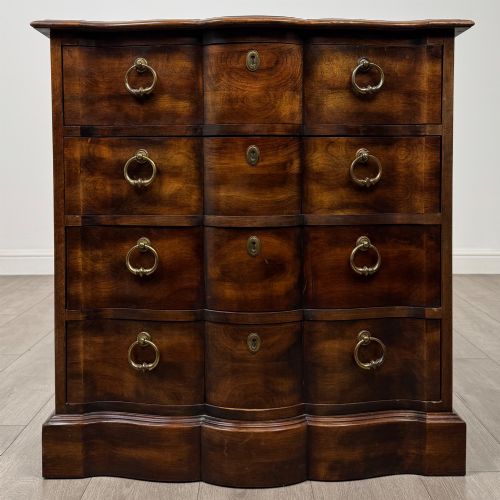
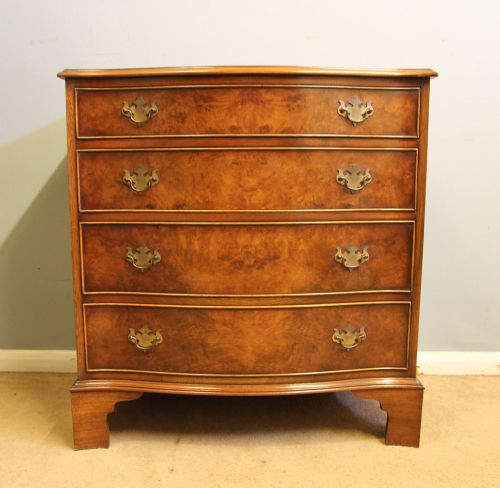
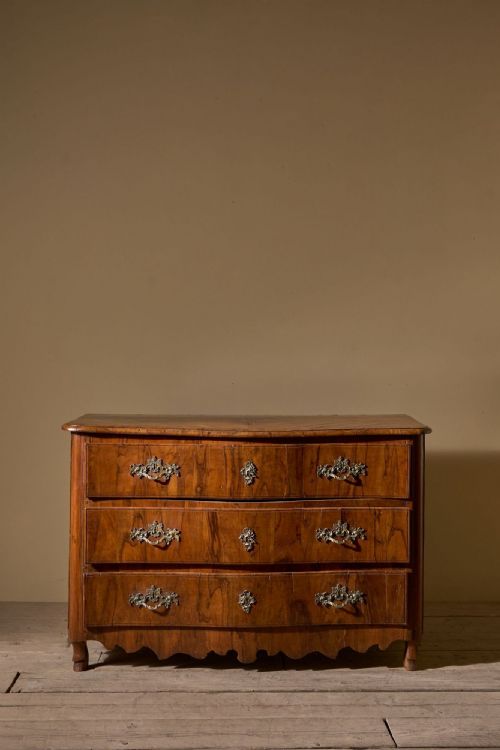
An antique serpentine dresser encompasses chests of drawers, commodes, and sideboards featuring a distinct undulating front line that curves outward at the centre and inward at the sides. These pieces span from the eighteenth-century Georgian era through to later Victorian, Edwardian, and twentieth-century revivals.
Originating across British, French, German, Dutch, and Italian workshops, these items serve as primary focal points in a drawing room, hallway, or bedroom. Their distinct curved silhouette distinguishes them straight away from standard flat-fronted case furniture.
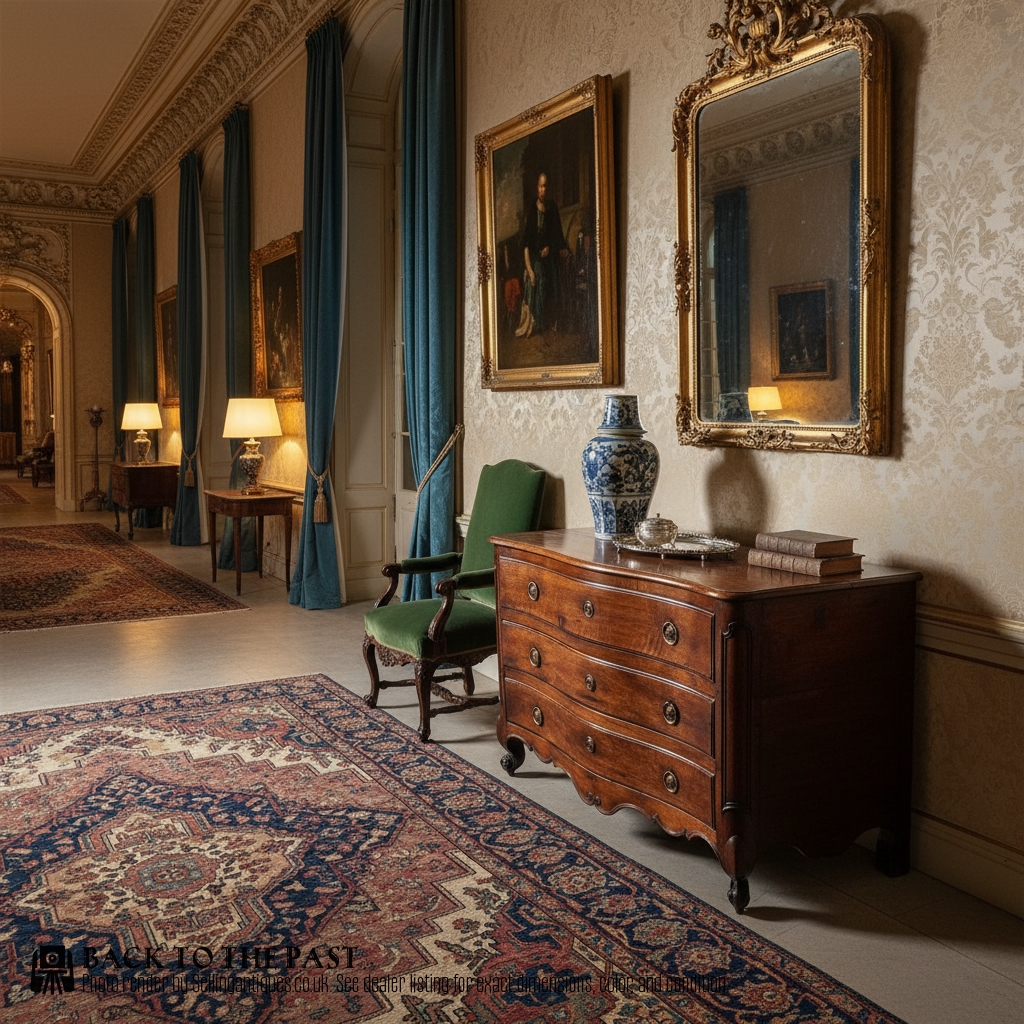
Materials and construction methods
Cabinetmakers constructed the foundational carcase from solid timbers such as oak or pine, then applied expensive face veneers like figured mahogany, burr walnut, and satinwood. Shaping the serpentine front required thick stock or clever bending techniques to achieve the smooth, sweeping convex and concave curves without splitting the grain.
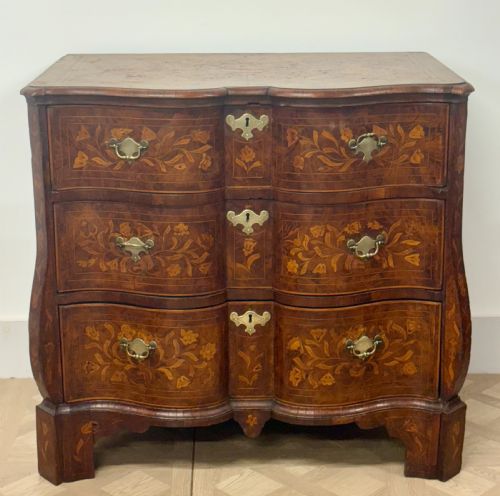
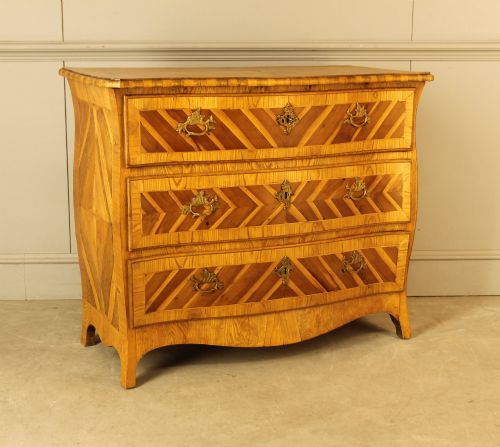
Intricate examples incorporate marquetry and parquetry, setting fine pieces of ivory, pewter, and contrasting woods into floral or geometric patterns across the drawer fronts and top. Original hardware such as brass handles, escutcheons, and sliding writing brushes complete the structural assembly.
Antique Serpentine Dresser Retail Price Guide 2026
Typical asking prices for serpentine dresser among the pieces listed under this phrase on Sellingantiques today, from the lower quarter to the upper quarter. They describe what is for sale here now, not the wider market.
Listings feature eighteenth-century pieces alongside nineteenth-century examples and twentieth-century revivals, constructed in mahogany, walnut, oak, satinwood, and marble.
Factors determining quality
The sophistication of the timber grain and the precision of the curving drawer fronts dictate the standing of a piece. Superior examples display symmetrical figured veneers that wrap seamlessly around the undulating corners, whilst lesser pieces rely on plain or poorly matched timber.
The crispness of the joinery around the curves and the survival of original decorative elements, such as marble tops, marquetry inlays, and brass mounts, separate ordinary storage items from master-level cabinetwork.
The Antique Serpentine Dresser Glossary
- Serpentine
- A furniture front characterised by a curving line that is convex in the middle and concave at the ends. This sweeping contour demands exceptional woodworking skill to execute properly.
- Commode
- A low chest of drawers or cabinet, frequently of French or continental origin. These pieces often feature elaborate marquetry or marble tops.
- Marquetry
- Decorative veneer work consisting of small pieces of wood, ivory, or metal fitted together to form pictorial or geometric designs. It decorates the exterior surfaces of high-status case furniture.
- Figured mahogany
- Timber cut from specific sections of the mahogany tree that exhibit natural patterns such as flame, ripple, or feathering. This highly decorative wood enhances the visual depth of serpentine drawer fronts.
- Bombe
- A bulging, outward-curving swell on the sides and front of a chest or commode. This flamboyant continental form appears alongside serpentine profiles in eighteenth-century designs.
Antique Serpentine Dresser: Frequently Asked Questions
How do I clean an antique serpentine surface?
Dust the piece regularly with a soft, dry cloth to prevent dirt accumulation in the carved details and curved joints. Apply a quality beeswax periodically to nourish the timber and maintain a gentle sheen.
Avoid using modern liquid polishes or silicone sprays, as these products penetrate the grain and damage historic finishes over time. Keep the furniture away from direct sunlight and radiators to prevent the wood from drying and cracking.
Where should I place a serpentine chest?
Position the piece against a flat wall in a hallway, dining room, or bedroom where the undulating front can be appreciated from multiple angles. Ensure the room maintains stable humidity and temperature levels to protect the delicate veneers and solid timber carcase.
Because of the projecting curves, allow adequate clearance in walkways so the corners do not suffer accidental knocks. Placing a decorative tray or lamp on top completes the display while protecting the polished surface.
Are these drawers suitable for daily use?
Most antique serpentine chests retain sturdy construction and function well for storing clothing, linens, or household items. Drawer interiors should be lined with acid-free tissue paper to protect delicate textiles from rough historic wood.
Operate the drawers gently, pulling them evenly from the centre rather than one side to prevent binding along the curved runners. Check that internal slides and support blocks remain secure during routine maintenance.
How do I recognise a Georgian piece?
Georgian serpentine chests typically feature dense mahogany construction, hand-cut dovetail joints on the drawer linings, and understated bracket feet or ogee bracket feet. The proportions remain balanced, relying on the quality of the timber rather than excessive ornamentation for effect.
Later Victorian and Edwardian revivals often incorporate different secondary woods inside the carcase and machine-cut elements behind the traditional facade. Examining the interior construction and timber ageing helps confirm the manufacturing era.