





Antique Seaside Wall Art
These antique seaside wall art pieces capture coastal life through oils and watercolours, offering an authentic window into historic shores.
Antique Seaside Wall Art
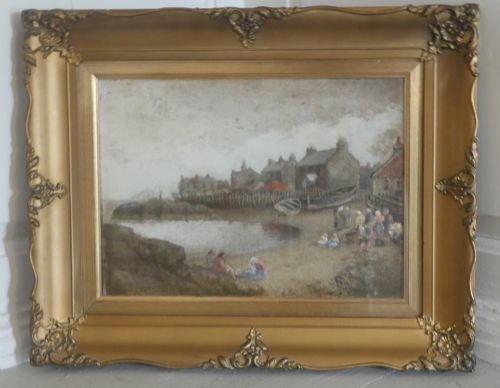
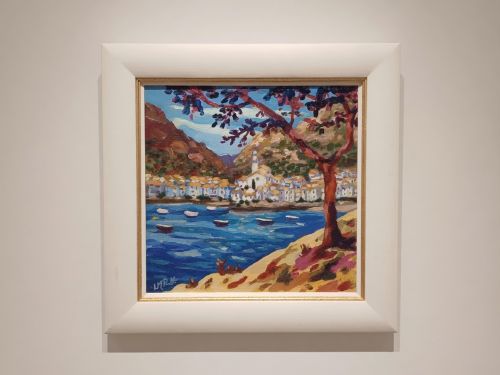
When you search for antique seaside wall art, you find historical depictions of beaches, harbours, and coastal towns spanning the Victorian era through the mid-twentieth century. The selection here leans heavily towards nineteenth-century watercolours and oils on canvas, alongside early twentieth-century impressions.
Subjects range from bustling fishing ports like St Ives and Whitby to quiet cliff paths and leisure piers. Painters recorded donkey rides on the beach, fisher folk hauling catch, and families gathered by the shore.
Works appear in various styles including British Impressionism, Post-Impressionism, and Victorian Fine Art. Paper, canvas, wood, and glass support these diverse coastal scenes.
Materials and techniques
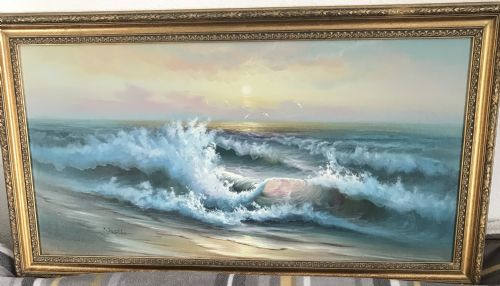
Artists relied primarily on oil paint and watercolours applied to canvas, paper, wood, or board. Oil on canvas pieces often utilise thick brushwork to capture the texture of sand and crashing waves.
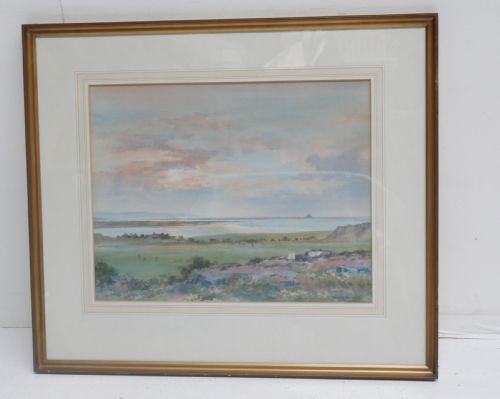
Watercolour paintings employ washes on paper to render luminous coastal skies and gentle sea spray. Lithograph posters from the early twentieth century utilise print techniques to market seaside destinations.
Framing materials commonly include wood, which protects the paper or canvas supports of these paintings.
Listings feature works from the Victorian period through the nineteen-sixties, using oil, watercolour, canvas, paper, and wood.
Factors that define quality
Quality rests upon the artist's ability to handle light and atmospheric conditions specific to the coast. Superior works demonstrate precise command over pigments to convey the movement of water and the quality of coastal air.
Provenance and clear attribution to recorded painters distinguish finer works from anonymous topographical pieces. Compositional strength and the lively depiction of human figures animate the best examples.
Edward Mills·William Banks Fortescue·Norman Lloyd·William Raymond Dommersen·H.E. Tidmarsh·Alfred Robert Quinton·James George Bingley·John Sanderson Wells·William Greaves·James Watson·James Kinnear·Yves Brayer·William Shayer·George Marks·John Duvall
The Antique Seaside Wall Art Glossary
- Watercolour
- A painting method where fine pigment is suspended in water-based solution on paper. This technique produces translucent washes suited for bright coastal skies.
- Oil on canvas
- Pigment mixed with drying oil applied to stretched woven fabric. This medium allows for rich textures found in beach scenes.
- Impressionism
- A nineteenth-century painting style focusing on accurate depiction of light in its changing qualities. Artists often used visible brush strokes to capture seaside moments.
- Lithograph
- A print made from a flat stone or metal plate treated to retain ink. These posters advertised holiday destinations.
Antique Seaside Wall Art: Frequently Asked Questions
What periods do these pieces cover?
The collection spans from the Victorian era through the nineteenth century and into the mid-twentieth century, up to the nineteen-sixties.
Most items date from the late nineteenth and early twentieth centuries, reflecting changing British leisure habits.
How were coastal scenes displayed?
Paintings were typically framed in wood to hang on domestic interior walls, protecting the delicate paper or canvas.
Posters served public advertising roles to encourage railway travel to coastal resorts.
Which mediums appear most often?
Oils and watercolours dominate the selection, applied to canvas, paper, wood panels, or glass supports.
Print mediums also appear in the form of early twentieth-century lithograph posters.
How do I identify different styles?
Victorian works tend towards detailed realism, whereas subsequent pieces adopt impressionist or fauve brushwork.
Subject matter shifts from working harbours to leisure piers and families on holiday.