



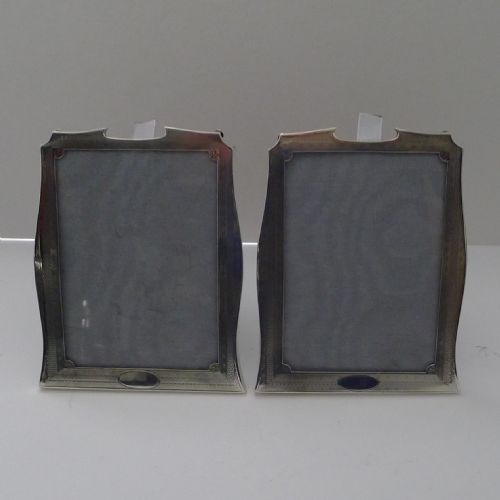

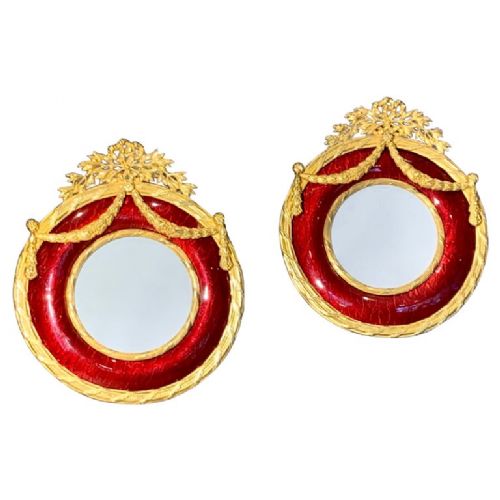
Pair of Framed Photos
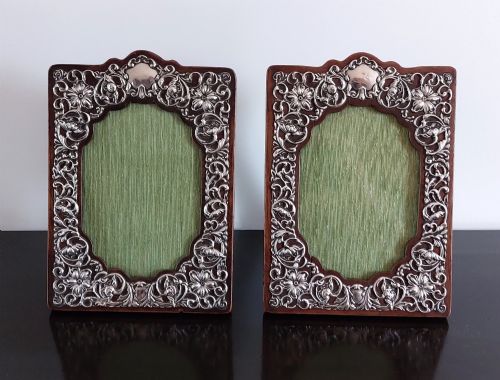
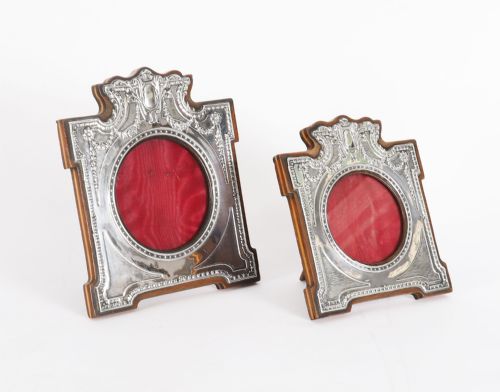
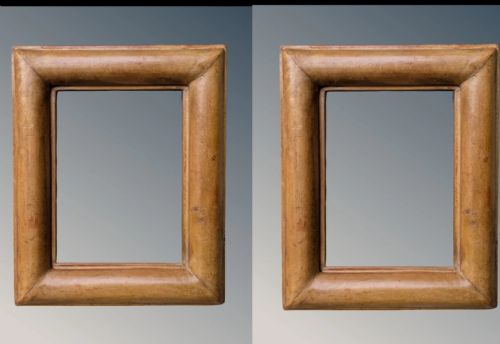
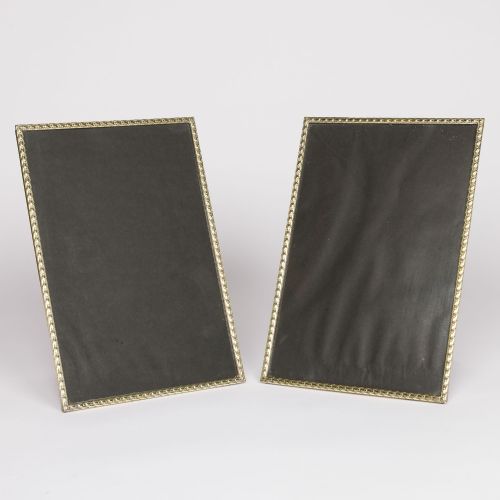
A pair of framed photos brings symmetry to a room, offering paired portraits or artworks encased in period wood, metal, or leather.
Pair of Framed Photos
When searching for a pair of framed photos, collectors encounter matching sets designed to display images side by side on a wall or surface. These items take the form of photograph frames, picture frames, and occasionally framed artworks or crystoleoms from various eras.
The most common versions met on this page span the Edwardian and Victorian periods, often constructed from silver, sterling silver, brass, or carved wood. These pieces frequently house early portraits or decorative plaques, maintaining their original matched pairing.
Origins stretch from English workshops to continental makers, encompassing styles from Art Nouveau and Art Deco to Italian Baroque and French Louis XVI. Buyers secure matching sets that preserve historical photographic presentation.
How they were made
Metals such as silver, sterling silver, and brass undergo casting, stamping, or engine-turning to create decorative borders, often backed with velvet or leather supports. Gilt bronze and gilt brass finishes provide metallic lustre on ornate continental examples.
Wooden frames utilise hardwoods subjected to hand carving, seen in Black Forest styles and carved gilt frames. Glass protects the enclosed photographs, paintings, or tiles within each matched enclosure.
Musician tiles from the Victorian era share shelf space with French gilt bronze, proving that musical enthusiasm transcends medium.
What varies in quality
The standard of metalwork distinguishes superior silver and brass frames, where crisp chasing, deep engine-turning, and solid construction elevate the piece. Lighter stampings and worn plating indicate standard commercial production rather than premier craftsmanship.
Carved wooden examples rely on the depth and definition of the hand carving, separating finely detailed foliage and figures from plain moulded timber. The integrity of original glass, backing materials, and matched patination completes the assessment.
Mappin Bros·Sherwin And Cotton·Moseley
The Pair of Framed Photos Glossary
- Sterling silver
- A silver alloy containing 92.5 percent pure silver by mass, frequently utilised in Edwardian and later picture frames. It bears hallmarks indicating the assay office and year of manufacture.
- Engine-turned
- A decorative technique involving precise geometric patterns engraved mechanically onto metal surfaces. This method appears on silver Art Deco frames.
- Crystoleom
- A Victorian method of applying a photograph to convex glass, oil painting it from behind, and backing it. These fragile artworks appear in matched pairs.
- Black Forest
- A style of hand-carved wooden work originating from the Swiss-German border region, typically featuring naturalistic foliage and animals. These frames utilise dark hardwoods.
Pair of Framed Photos: Frequently Asked Questions
How are antique photo frames displayed?
These frames sit on mantelpieces, desks, or dressing tables using integrated easel backs, or hang directly on walls depending on their construction.
Matching pairs function best when placed symmetrically to balance a room or anchor a mantel arrangement.
What metals were used in Edwardian frames?
Makers utilised sterling silver, standard silver, and brass for domestic frames during the Edwardian era.
Silver examples often feature hallmarks that date the piece precisely, while brass versions frequently employ lacquer to maintain the surface finish.
Can antique frames hold modern photographs?
Most antique frames accommodate standard photographic prints if the dimensions match the internal rebate.
Care must be taken when opening older backing boards and glass to avoid damaging fragile historic retaining pins or original backings.
How do I identify an Art Nouveau frame?
Art Nouveau frames exhibit asymmetrical organic lines, floral motifs, and whiplash curves inspired by natural forms.
Brass and silver versions from around 1900 showcase these flowing contours across the outer borders.