




Antique Sculpted Bust
An antique sculpted bust brings character and sculptural presence to a room, capturing a likeness in stone, wood, or bronze.
Antique Sculpted Bust
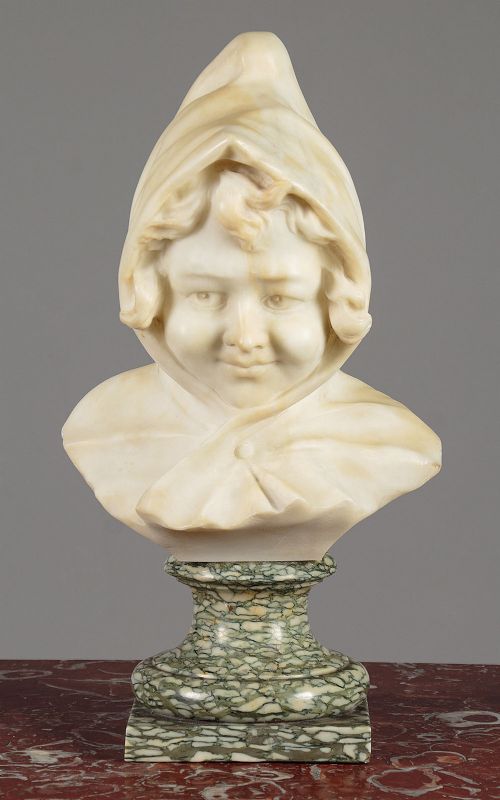
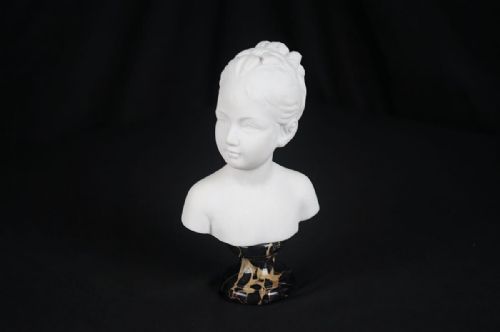
When you search for an antique sculpted bust, you are looking at carved portraits and figurative heads spanning the eighteenth, nineteenth, and early twentieth centuries. These pieces encompass portrait busts of gentlemen and ladies, classical copies, and character studies carved from solid materials.
The versions you are most likely to meet on this page date from the nineteenth and early twentieth centuries, rendered in marble, alabaster, wood, or plaster. They range from French neoclassical portraiture to Edwardian and Victorian interpretations, often accompanied by dedicated stands or pedestals.
How they were made
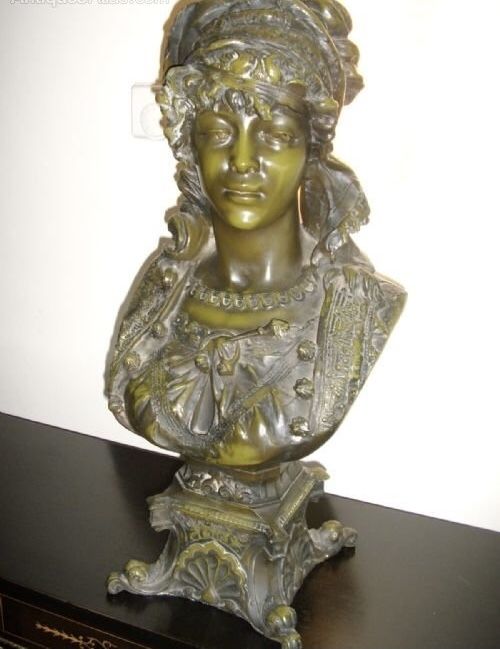
Foundry casting captured bronze subjects from modelled forms, while plaster versions utilised direct casting techniques. Makers also combined materials, mounting marble and bronze portraits onto carved wooden table stands and caryatid pedestals.
Antique Sculpted Bust Retail Price Guide 2026
Typical asking prices for sculpted bust among the pieces listed under this phrase on Sellingantiques today, from the lower quarter to the upper quarter. They describe what is for sale here now, not the wider market.
Listings feature periods from the eighteenth century through the Edwardian era, utilising materials including marble, alabaster, wood, plaster, and bronze.
What varies in quality
The sensitivity of the carving dictates the distinction between standard production and superior craftsmanship, particularly in the rendering of hair, expression, and the fall of fabric. Finer pieces demonstrate a precise understanding of human anatomy and smooth surface finishing that catches the light naturally.
The choice of material and the fidelity of the cast or chisel work separate ordinary decorative items from accomplished sculpture. Finer examples often reflect direct engagement with classical traditions or established sculptors, whereas lesser pieces remain more generic in execution.
Shoolbred·Henry Wissen Senior·Jean-Antoine Houdon·Antonio Rossellino
The Antique Sculpted Bust Glossary
- Bust
- A sculpted or cast representation of a person from the chest up. This form focuses attention on the facial expression and shoulders.
- Alabaster
- A soft, fine-grained stone used for carving detailed figures. It often possesses a translucent quality when polished.
- Caryatid
- A sculpted female figure serving as an architectural support or pedestal. These figures carry loads in place of columns.
- Polychrome
- Painted in several colours. This term describes statues and carvings decorated with applied pigments over wood or plaster.
Antique Sculpted Bust: Frequently Asked Questions
Where should I place a bust?
These pieces sit well on mantelpieces, sideboards, or dedicated pedestals where adequate lighting can reveal the contours of the carving.
Placing them at eye level allows the detail in the face and shoulders to be fully appreciated within a room.
How do I clean marble and alabaster?
Dust these stone surfaces gently with a soft, dry cloth to prevent the accumulation of grit in the carved recesses.
Avoid using water or chemical cleaners, particularly on alabaster, which is softer and more porous than marble.
Are these pieces signed?
Some sculptures carry signatures, foundry marks, or inscriptions incised directly into the base or rear of the stone or bronze.
Unsigned pieces remain common, often representing studio work or later copies after well-known historical models.
How can I tell plaster from marble?
Plaster feels lighter in weight and is typically cooler or softer to the touch than natural stone.
Marble exhibits a crystalline structure and natural veining that distinguishes it from cast plaster compositions.