



Cream Alabaster Bust
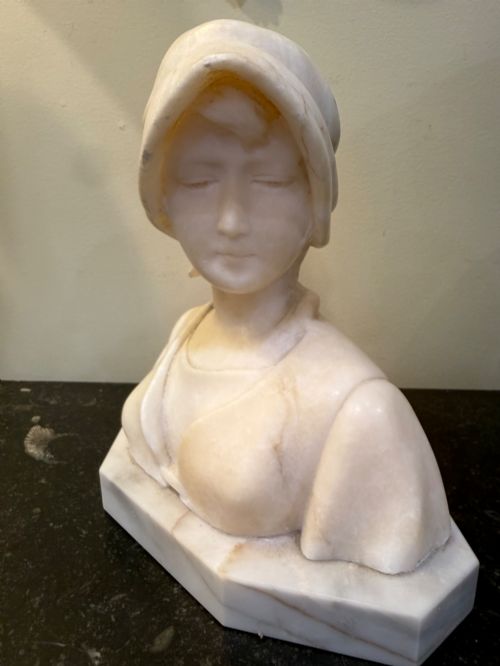
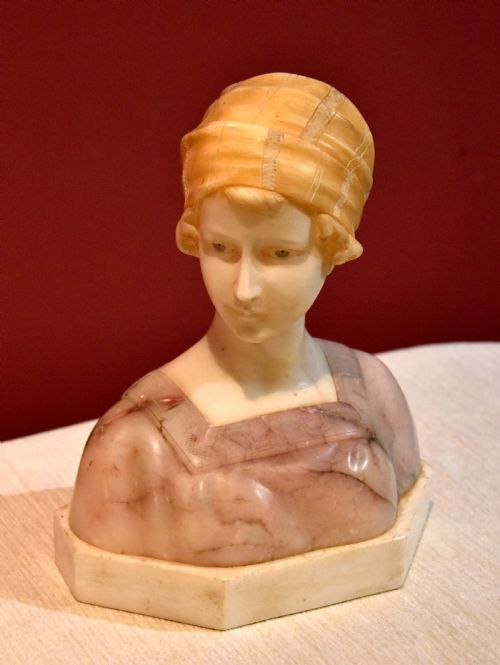
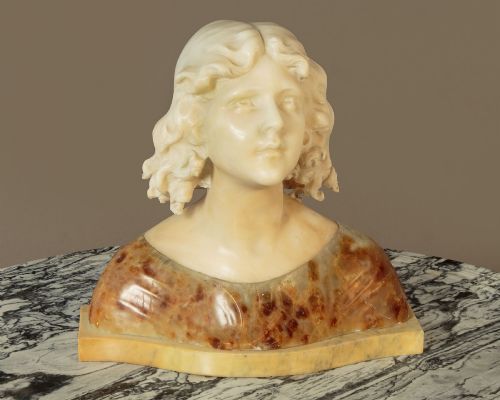
A cream alabaster bust captures the quiet grace of a portrait in soft stone, bringing classical elegance and refined texture into a room.
Cream Alabaster Bust
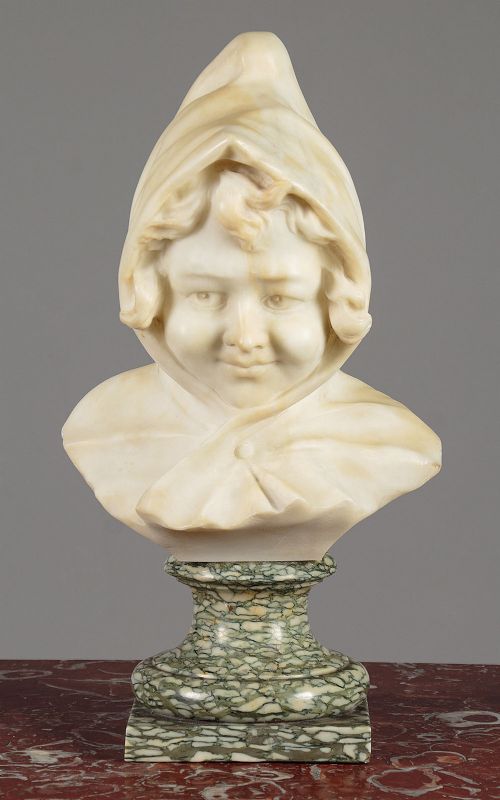
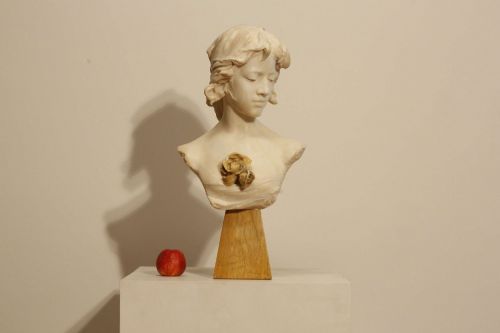
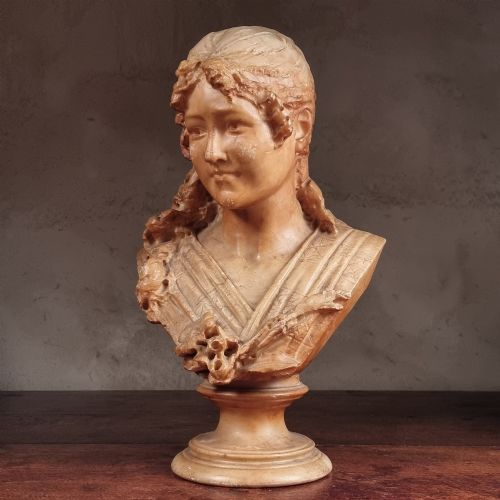
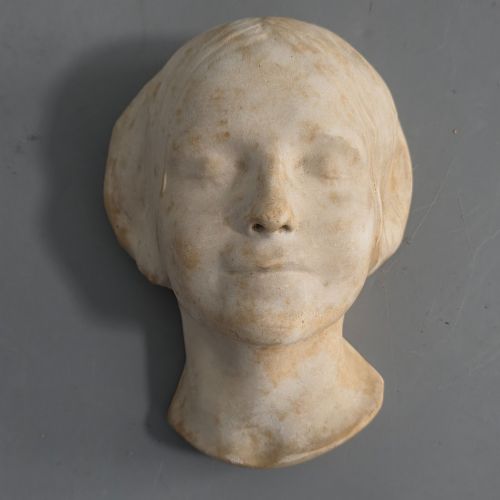
When someone searches for a cream alabaster bust, they are looking at portrait sculptures carved from fine stone, predominantly depicting young ladies, girls, and gentlemen from the nineteenth and early twentieth centuries. These pieces emerge from periods such as the Victorian era, Art Nouveau, and the Edwardian years, showcasing the human form with delicate realism.
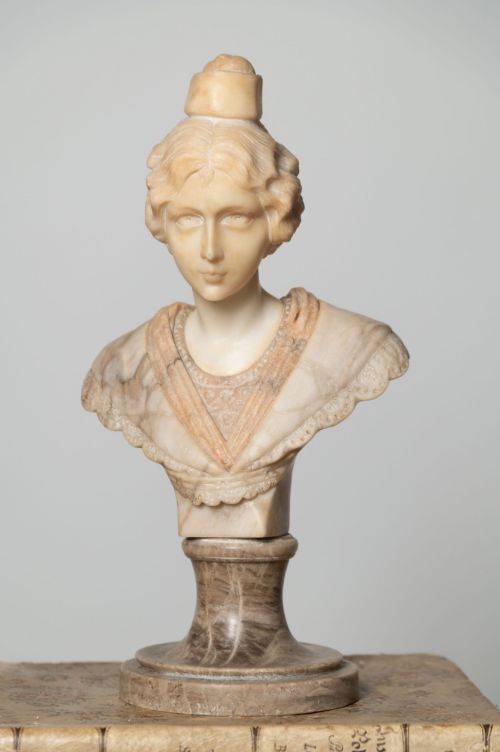
The version most commonly met on this page is the nineteenth century or early twentieth century female portrait bust, often originating from Italian or French workshops. They range from modest studies of young women to larger, signed sculptural works resting on contrasting marble or stone bases.
Collectors encounter various stylistic approaches within these sculptures, moving from Victorian classical severity to the flowing lines of Art Nouveau and the rustic charm of Arts and Crafts pieces. Each cream alabaster bust reflects the prevailing aesthetic tastes of its era, capturing hair, drapery, and facial expression with distinct sculptural skill.
Materials and technique
Carvers shaped these pieces primarily from alabaster, a soft and translucent stone that allows light to penetrate just beneath the surface, giving the material a warm, skin-like quality. Makers frequently paired this creamy stone with darker marble or carved wooden elements to create visual contrast in the bases and clothing.
Cream Alabaster Bust Retail Price Guide 2026
Typical asking prices for cream alabaster bust among the pieces listed under this phrase on Sellingantiques today, from the lower quarter to the upper quarter. They describe what is for sale here now, not the wider market.
Materials recorded across these sculptures include soft alabaster, dense marble, mixed stone, and carved wood.
What separates the fine from the ordinary
The distinction between a standard piece and a superior cream alabaster bust lies in the depth of anatomical understanding and the sensitivity of the carving. Master carvers coax subtle expressions and realistic drape of fabric from the stone, whereas lesser works remain stiff and blocky.
The condition of the translucent stone also dictates worth, as pristine surfaces without heavy yellowing or deep fractures elevate a sculpture. Furthermore, the presence of a signature by a known sculptor or a well-executed secondary material base separates workshop output from individual artistry.
Affortunato Gory·Auguste Henri Carli·Mieczyslaw Leon Zawiejski·Greuze·A. Cipriani
The Cream Alabaster Bust Glossary
- Alabaster
- A fine-grained, soft stone prized for its translucency and pale cream colour. It allows light to pass slightly beneath the surface.
- Carrara Marble
- A type of white or blue-grey marble from Italy, often utilised for the bases or contrasting elements of sculptural busts.
- Portrait Bust
- A three-dimensional sculpture depicting a person's head, neck, and upper shoulders. It focuses on capturing the likeness and character of the sitter.
- Art Nouveau
- An international style of art and architecture popular around nineteen hundred, characterised by intricate linear designs and flowing organic shapes.
Cream Alabaster Bust: Frequently Asked Questions
How do I clean a cream alabaster bust?
Alabaster is a remarkably soft stone that absorbs moisture and stains easily, meaning water and chemical cleaners should be strictly avoided. Dust the sculpture gently with a dry, soft microfibre cloth or a clean artist's brush.
Keep the piece away from direct sunlight and damp environments to preserve the delicate, translucent surface of the stone over time.
Where should I place a bust at home?
These sculptures suit tabletops, mantelpieces, or dedicated pedestals where adequate lighting can highlight the translucent quality of the alabaster. Positioning the piece at eye level allows the viewer to appreciate the fine details of the carving.
Ensure the supporting surface is stable and sturdy, as stone sculptures carry considerable weight and require secure placement away from high-traffic areas.
How can I tell the period of a sculpture?
Stylistic clues such as the hairstyle, clothing, and overall aesthetic movement provide the clearest indication of a bust's age. Pieces reflecting ornate classical drapery often date to the nineteenth century, while softer, flowing lines point towards Art Nouveau and early twentieth-century design.
Signatures or inscriptions carved into the stone or base also help pinpoint the era and the individual workshop responsible for the creation.
What is the difference between alabaster and marble?
Alabaster is significantly softer than marble and possesses a distinct translucency that lets light penetrate the top layers of the stone. Marble is a harder, crystalline metamorphic rock that resists scratching much more readily than alabaster.
Sculptors favoured alabaster for indoor portrait busts because its softness allowed for exceptionally smooth, skin-like finishes.