
Antique Scroll Leg Table
An antique scroll leg table brings architectural movement to a room, offering rich timber surfaces shaped in the Victorian, Regency, and Georgian periods.
Antique Scroll Leg Table
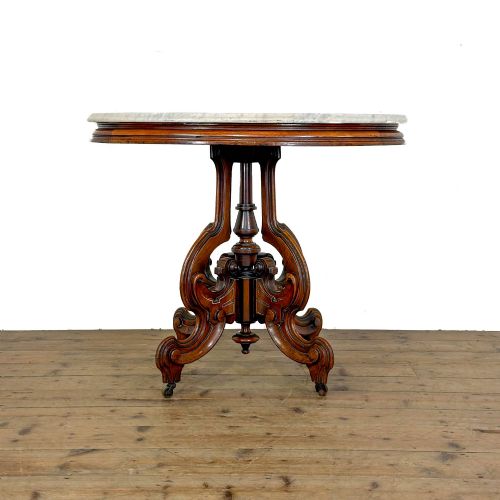
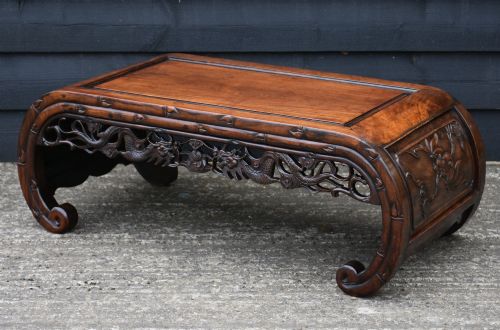
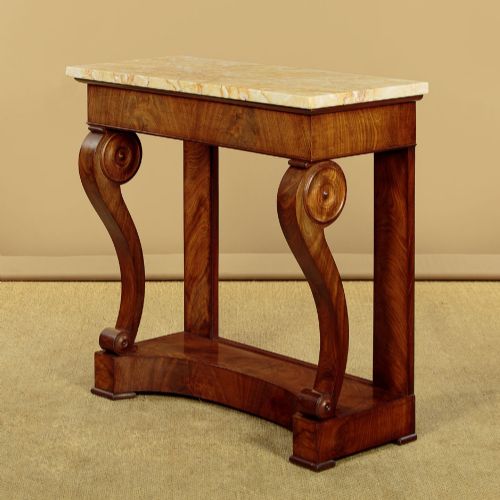
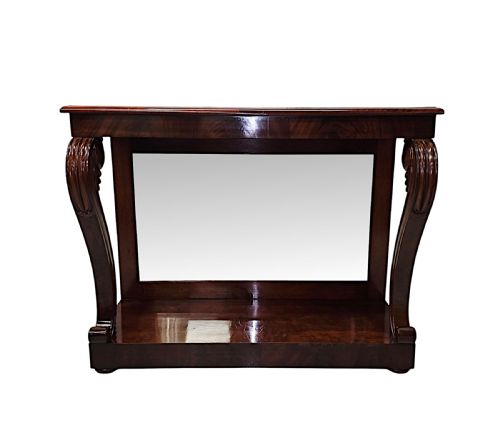
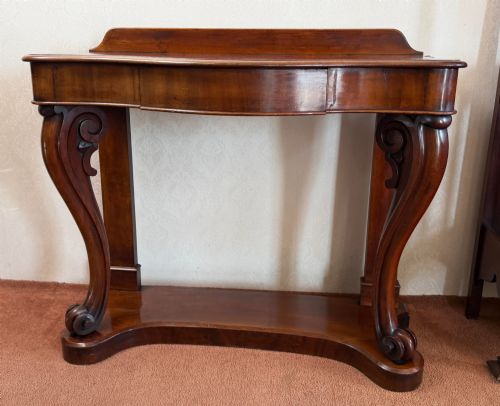
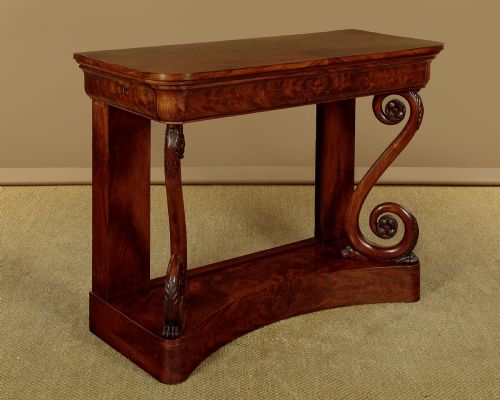
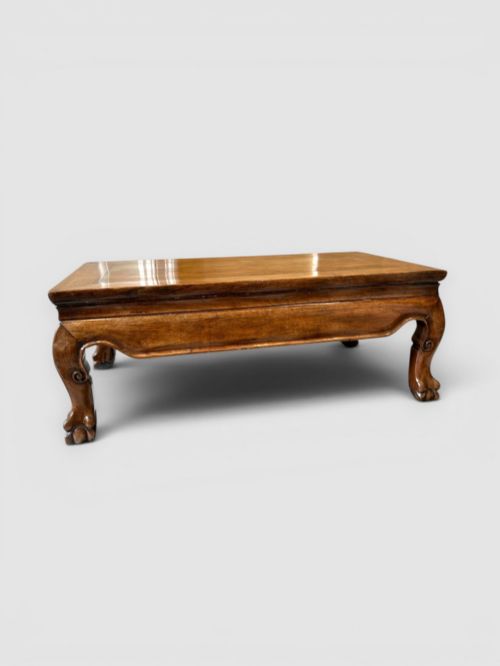
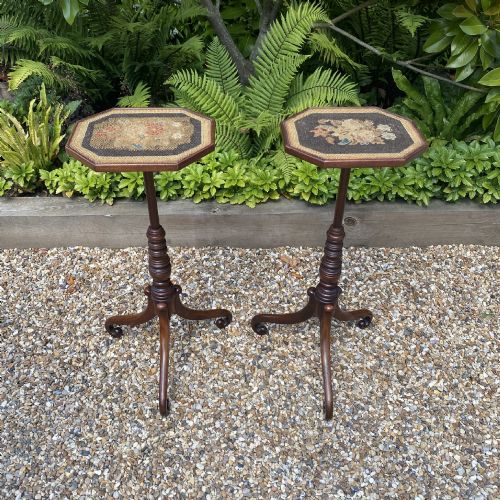
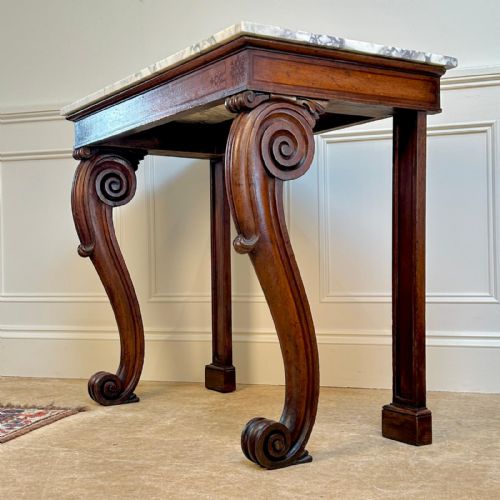
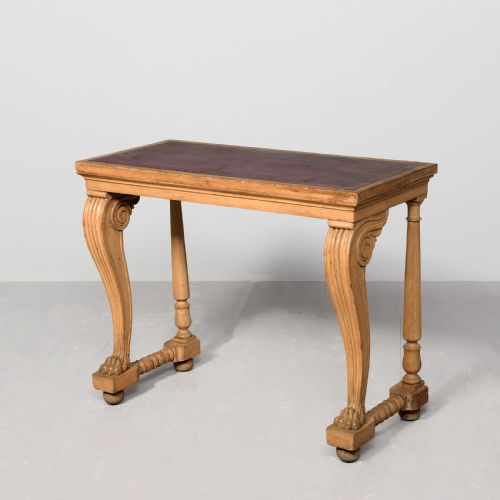
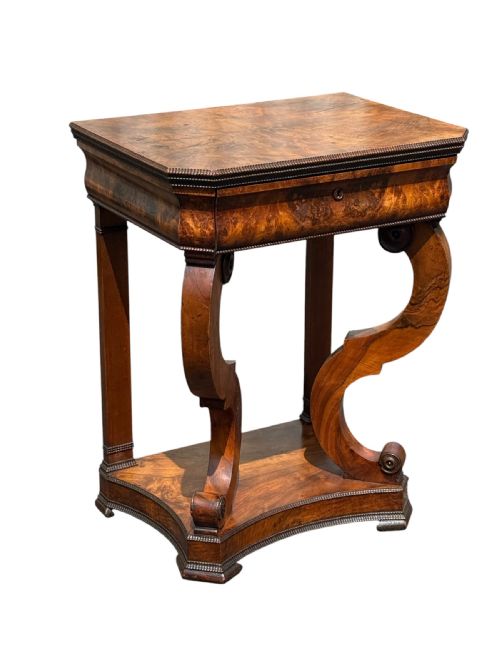
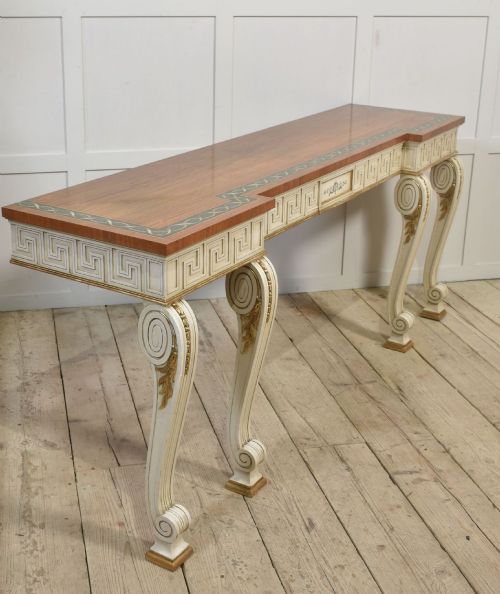
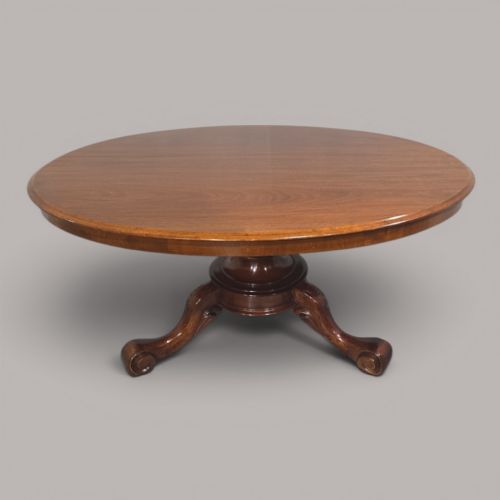
When searching for an antique scroll leg table, you encounter console tables, side tables, and centre tables that utilise sweeping, curved supports beneath timber tops. The pieces on this page span the Georgian, Regency, and Victorian eras, alongside various oriental hardwood low tables.
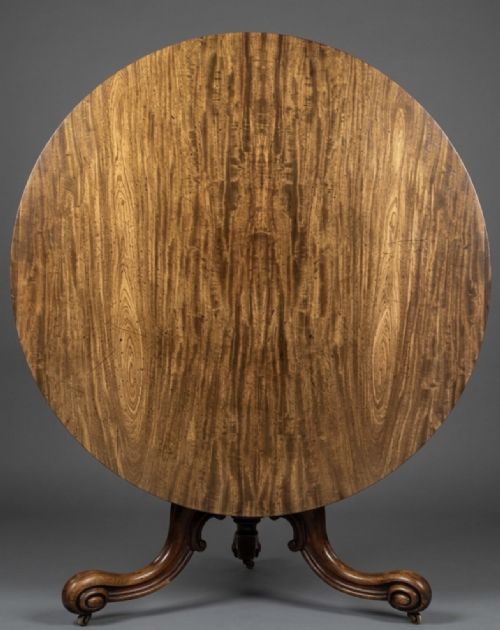
Mahogany and walnut dominate the selection, often taking the form of console tables placed against walls or circular centre tables designed to anchor a room. Alongside these British pieces appear French, German, and Chinese examples in rosewood, oak, and burr walnut.
Console tables frequently feature marble or granite tops paired with carved wooden bases, while occasional and coffee tables provide smaller footprints. The unifying element remains the scroll leg profile, which imparts a distinct sculptural quality to each form.
Materials and construction methods
Cabinet makers built these tables using dense hardwoods such as mahogany, walnut, and rosewood, frequently selecting burr veneers to create decorative, figured surfaces. Oak and ash appear in structural elements, while imported oriental hardwoods serve for low opium tables.
Scroll legs require careful hand-carving to achieve fluid curves without compromising the structural integrity needed to support heavy marble or timber tops. Joinery methods of the nineteenth century combined traditional tenons with sturdy internal bracing to withstand daily use.
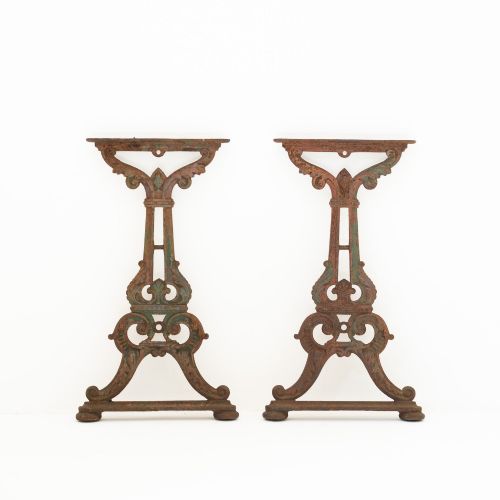
Some nineteenth century makers even experimented with cast iron table bases shaped to mimic organic scroll work.
Distinguishing quality in scroll leg tables
Quality rests in the crispness of the scroll carving on the legs and the selection of timber veneers on the top surface. Superior examples display harmonious proportions where the scroll work balances the mass of the table top.
The integration of secondary materials, such as inset marble slabs or cast brass mounts, separates standard production pieces from workshop tables attributed to known makers.
Gillingtons of Dublin·James Mein of Kelso·Robert Strahan·Alexander McKenzie of Glasgow
The Antique Scroll Leg Table Glossary
- Console table
- A table designed to stand against a wall, frequently secured to the vertical surface and fitted with a marble or timber top. These pieces often feature elaborate front legs while relying on simpler rear supports.
- Centre table
- A freestanding table intended to sit in the middle of a room, finished on all sides so it can be viewed from any angle. Victorians frequently placed these in the middle of parlours.
- Burr walnut
- Timber taken from the warted excrescence of a walnut tree, yielding a highly figured and swirling grain pattern. Cabinet makers sliced this wood into thin veneers for decorative table tops.
- Gueridon
- A small French occasional table supported by a central pillar or a set of legs. These versatile tables served various domestic functions throughout the nineteenth century.
Antique Scroll Leg Table: Frequently Asked Questions
What rooms suit an antique scroll leg table?
Console variants suit entrance halls and narrow corridors where floor space is at a premium, placing decorative objects or lamps against a wall. Centre tables work best in the middle of larger reception rooms as a focal point.
Lower coffee and opium variants fit naturally into living spaces alongside seating, providing a stable surface for everyday use while adding rich timber tones.
How do I care for polished mahogany and walnut?
Protect timber surfaces from direct sunlight and excessive heat sources to prevent the wood from drying out or the polish from fading over time. Regular dusting with a soft, dry cloth maintains the lustre without building up residue.
Apply a quality beeswax periodically to nourish the grain, rubbing it in thoroughly and buffing to a soft sheen.
How do I distinguish Georgian from Victorian tables?
Georgian pieces generally exhibit restrained classical proportions, rectilinear restraint, and dense, dark mahogany timbers without excessive ornamentation. Their construction often relies on hand-cut joinery specific to the eighteenth and early nineteenth centuries.
Victorian examples frequently display bolder, heavier carving, more exuberant scroll work, and a wider variety of veneers including burr walnut and rosewood.