


Antique Scroll End Daybed
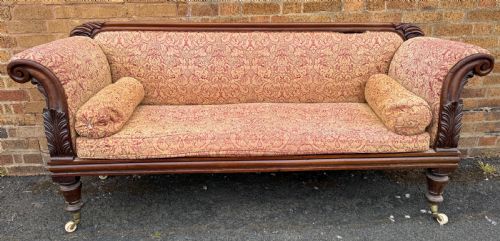
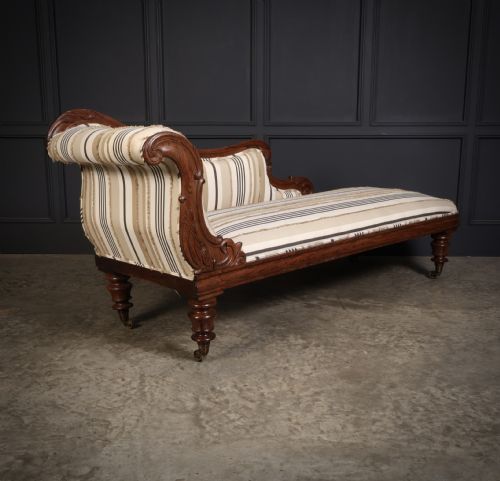
An antique scroll end daybed brings dramatic classical curves and deep lounging comfort to a room.
Antique Scroll End Daybed
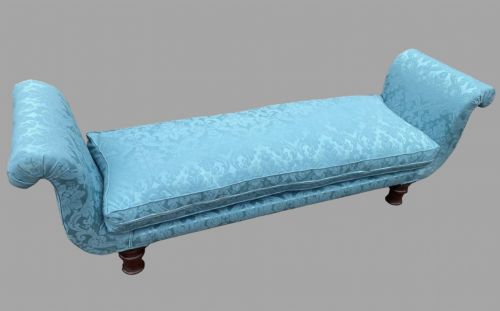
An antique scroll end daybed is a versatile form designed for reclining, sitting, and sleeping, combining the properties of a sofa and a chaise longue. These pieces typically feature sweeping, scrolled wooden or upholstered ends that frame the seating area with architectural grace.
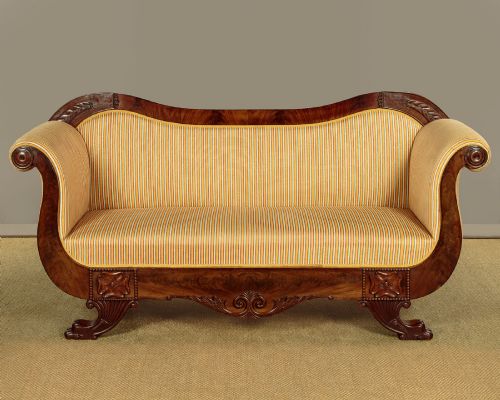
The versions most commonly met on this page date from the nineteenth century, spanning the Regency and William IV periods. They appear in forms ranging from single scroll end day beds to double ended sofas and French lit bateaux.
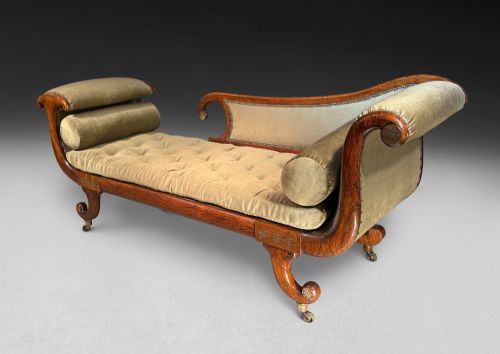
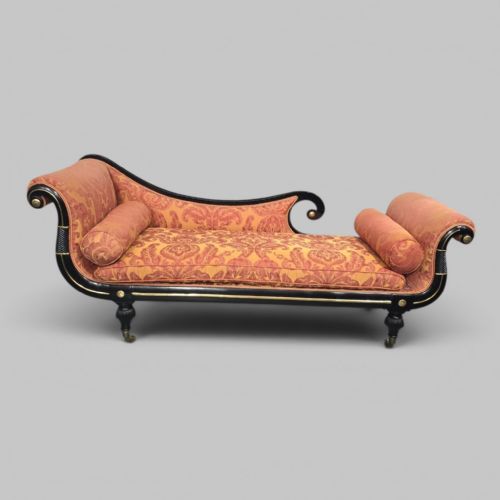
Makers and designers of the period drew inspiration from classical antiquity and French Empire styles, resulting in substantial wooden frames meant to anchor a principal room. Alongside mahogany and simulated rosewood, listings show ebonised wood and painted Scandinavian finishes.
What varies in quality
The quality of an antique scroll end daybed is distinguished by the crispness of its carved woodwork and the architectural proportion of the scrolled ends. Superior pieces exhibit seamless joinery in dense timbers like mahogany and fine brass inlay that remains entirely intact.
The sophistication of the silhouette defines the upper tier of these pieces, particularly where the curve of the scroll flows harmoniously into the rail. Condition of the underlying frame and the fidelity of subsequent upholstery to historical precedent also separate standard examples from the finest.
Listings demonstrate that nineteenth-century daybeds frequently utilise mahogany, simulated rosewood, and ebonised wood alongside traditional upholstery fabrics.
Willian Trotter
The Antique Scroll End Daybed Glossary
- Scroll end
- A term describing the outward-curving wooden or upholstered terminal of a couch or daybed, reminiscent of a classical scroll. This feature provides arm support while defining the architectural profile of the piece.
- Simulated rosewood
- A painted or stained finish applied to a more common timber, such as beech or birch, to imitate the dark grain and rich colour of genuine rosewood. Cabinetmakers utilised this technique during the Regency period.
- Récamier
- A type of daybed or chaise longue with two raised ends, named after the French socialite Madame Récamier who was famously painted reclining on one. It allows the user to recline with support at either end.
- Huali
- A prized Chinese hardwood with a rich grain, used in the construction of traditional furniture such as Qing Dynasty kang tables. It offers exceptional durability and a smooth, finished surface.
Antique Scroll End Daybed: Frequently Asked Questions
How do I place an antique daybed in a modern room?
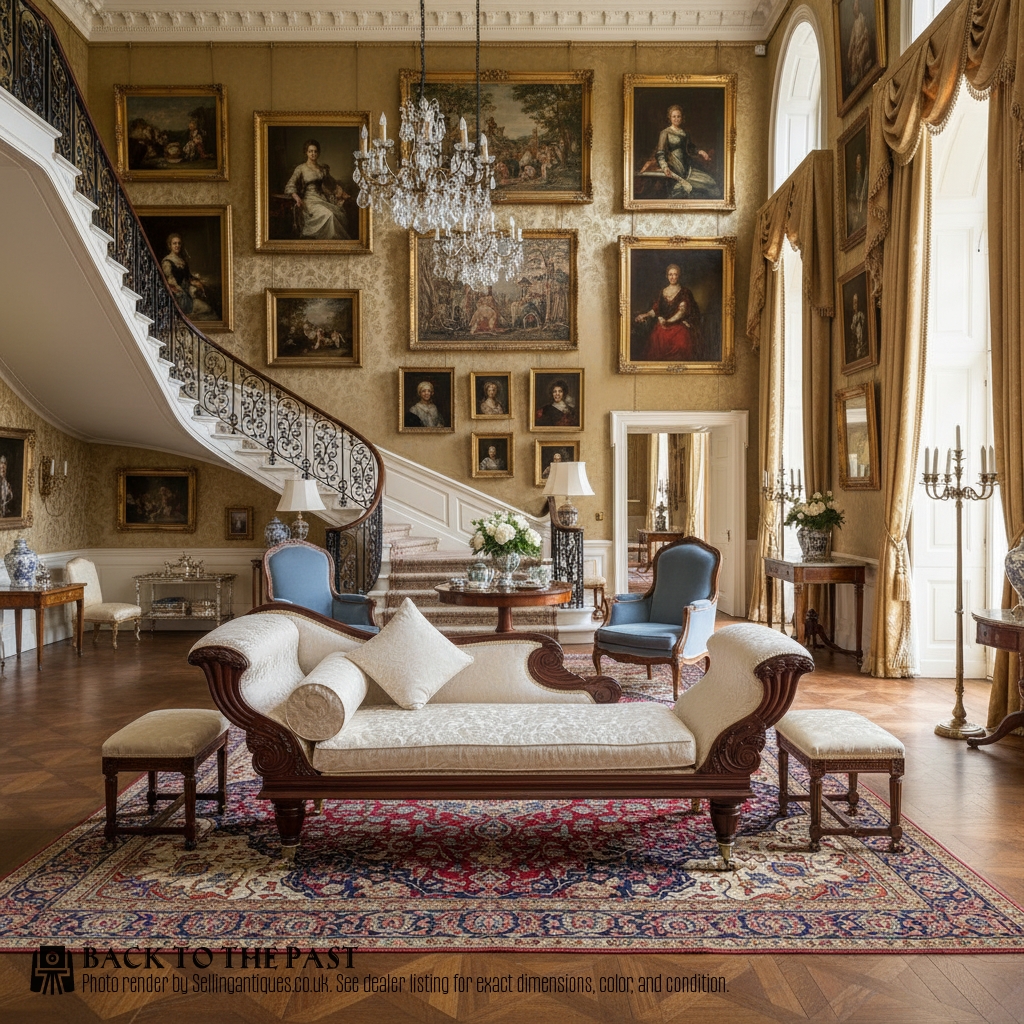
An antique daybed works best when allowed to float away from walls, showcasing the sculptural quality of its scrolled timber frame and upholstery. Position it in a living room as a low-backed sofa alternative or in a study to provide a comfortable reading place.
The strong architectural silhouette pairs well with minimalist modern interiors, where the dark wood and classical lines provide a distinct focal point.
How do I identify a Regency period daybed?
Regency daybeds are characterised by clean classical lines inspired by ancient Greece and Rome, often executed in mahogany or simulated rosewood. Look for subtle brass inlay, reeded legs, and sweeping scroll ends that curve gracefully outward.
The proportion tends to be rigorous and refined, avoiding the heavier ornamentation that arrived later in the Victorian era.
Were these daybeds used for sleeping?
Historically, pieces of this form served multiple purposes during the day, acting as seating for receiving visitors as well as lounging or resting. They were rarely used as primary night beds, functioning instead as day furniture in drawing rooms or boudoirs.
The inclusion of a single or double scroll end provided comfortable head support for afternoon rest without requiring the user to undress.