

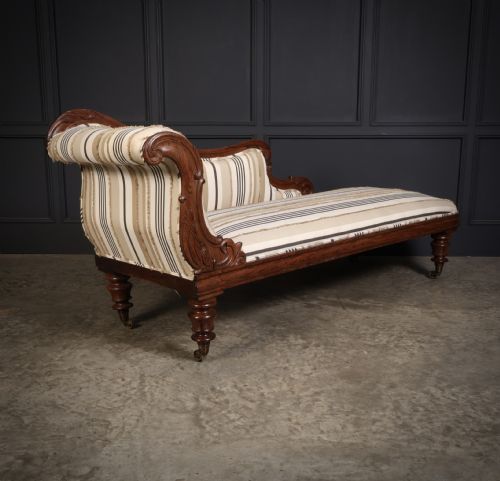


Nineteenth Century Chaise Longue
A nineteenth century chaise longue brings sculptural lounging and rich timber frames to a room, offering an inviting place to recline.
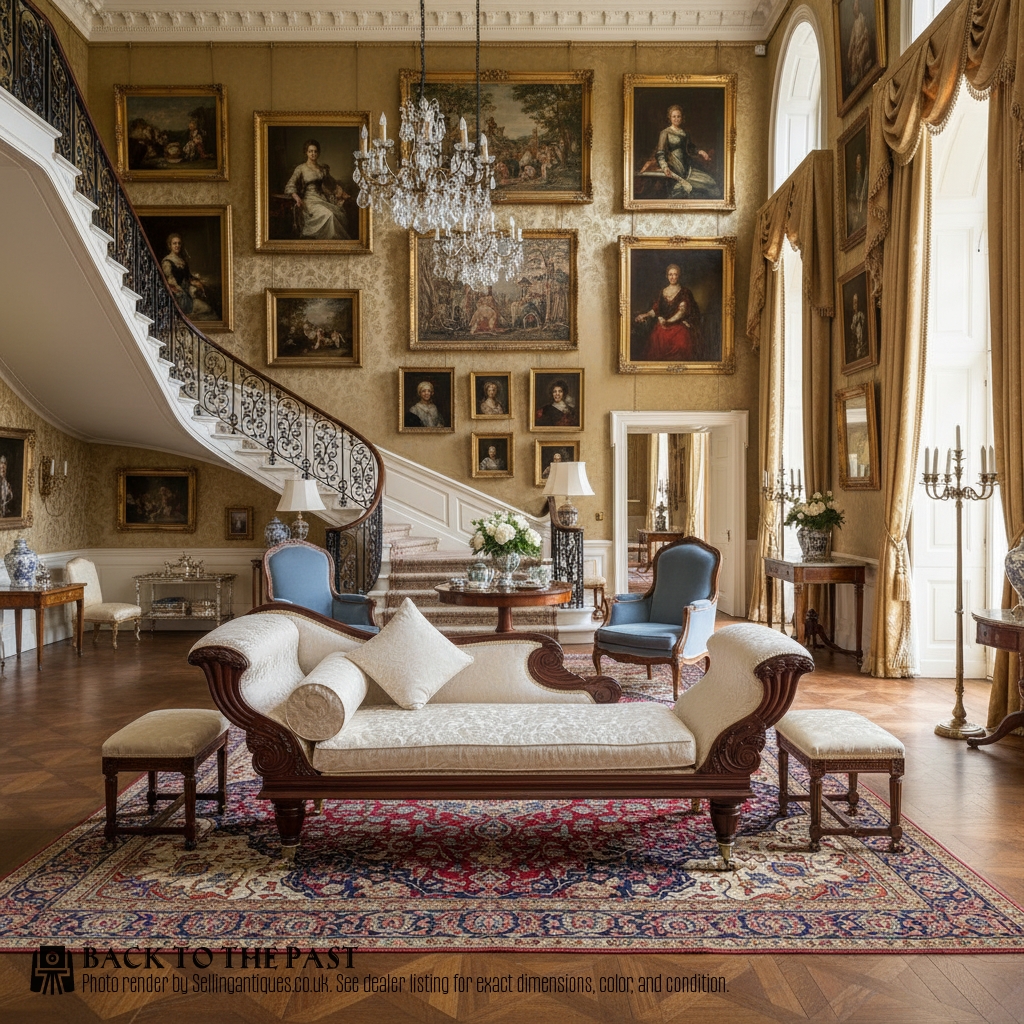
Nineteenth Century Chaise Longue
When searching for a nineteenth century chaise longue, buyers encounter daybeds, récamiers, and lit bateaux designed for reclining in comfort. These seating forms span Victorian, William IV, Regency, French Empire, and Napoleon III styles.
The versions most commonly met on this page are constructed from mahogany, rosewood, and ebonised wood. They appear alongside related daybeds and occasional furniture items like bookends.
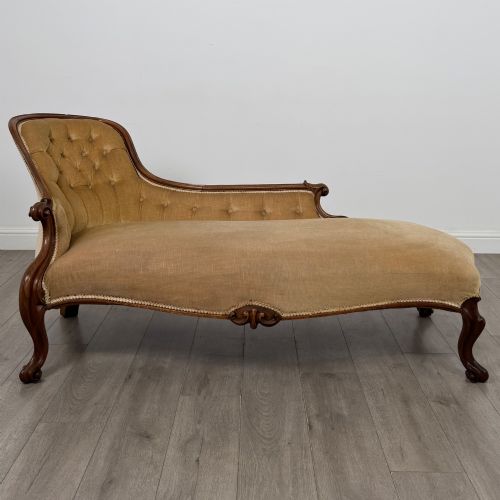
The assortment reflects diverse aesthetic currents across the 1850s, 1860s, and the broader Victorian era. Each piece demonstrates the distinctive scrolling headboards and upholstered backs characteristic of the period.
How they were made
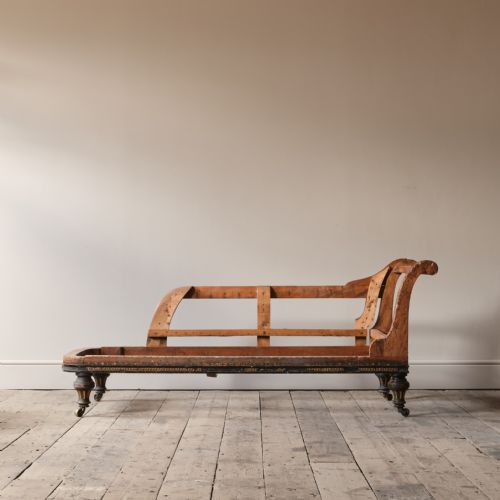
Frames are constructed from dense timbers such as mahogany, rosewood, and ebonised wood, sometimes simulated to resemble finer grain. Brass fittings provide structural accents and decorative support.
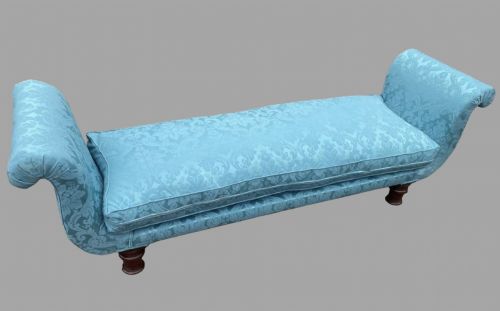
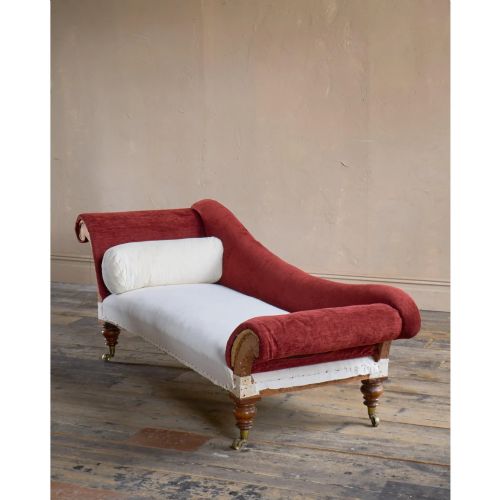
Upholstery relies on traditional textiles including velvet, calico, damask, and cream fabric. These materials are tailored to the curved contours of the daybed and chaise frame.
Nineteenth Century Chaise Longue Retail Price Guide 2026
Typical asking prices for nineteenth century chaise longue among the pieces listed under this phrase on Sellingantiques today, from the lower quarter to the upper quarter. They describe what is for sale here now, not the wider market.
Listings feature nineteenth-century seating constructed from mahogany, rosewood, and ebonised wood, upholstered in velvet, damask, and calico.
What varies in quality
The refinement of the timber carving and the architectural proportion of the scrolling frame dictate the distinction between standard and superior pieces. Selected examples bear attribution to notable cabinet makers, raising their historical standing.
The integrity of the show wood and the quality of the textile upholstery define the finished presence of the daybed. Subtle variations in the turning of wooden legs and the execution of applied details separate workshops.
Holland & Sons·Howard & Sons·Willian Trotter
The Nineteenth Century Chaise Longue Glossary
- Chaise Longue
- An elongated upholstered chair for reclining, combining a seat and backrest with a single raised end. This form emerged as a sophisticated lounging seat in domestic interiors.
- Récamier
- A type of daybed with two raised symmetrical ends or a single sweeping headboard, named after the French socialite painted by Jacques-Louis David. It embodies neoclassical elegance.
- Lit Bateau
- A French boat bed featuring parallel head and footboards that curve outward like the sides of a hull. These forms were adapted for daytime lounging in sophisticated parlours.
- Ebonised Wood
- Timber treated with a dark finish to imitate expensive ebony. This technique was utilised extensively during the nineteenth century to create dramatic contrast against colourful upholstery.
Nineteenth Century Chaise Longue: Frequently Asked Questions
How do I distinguish a Regency chaise from a Victorian one?
Regency examples often display cleaner neoclassical lines with simulated rosewood or mahogany finishes, reflecting classical antiquity. Victorian pieces tend to be heavier in proportion with rich mahogany or rosewood and button-tufted upholstery.
Examining the turning of the wooden legs and the profile of the scroll end helps clarify the chronological shift. Earlier pieces lean toward architectural restraint while later Victorian variants embrace exuberant curves.
How should I care for antique timber and upholstery?
Maintain timber frames by dusting with a dry cloth and occasionally applying suitable wax to nourish the mahogany or rosewood. Protect fabric upholstery from direct sunlight to preserve the colour of velvet, damask, or calico.
Avoid placing these delicate seating pieces near direct heat sources which can cause timber to split. Professional cleaning is recommended for antique textiles.
Were these pieces used for sleeping or sitting?
Nineteenth-century daybeds and chaises were primarily designed for daytime resting, reading, and receiving visitors in private rooms. They provided an intermediate option between a formal armchair and a full bed.
Their placement in parlours and boudoirs allowed ladies to recline without retiring to the bedroom. They combined comfort with formal interior display.