
Antique Scroll Daybed
An antique scroll daybed brings sweeping nineteenth-century elegance to a room, offering a reclining form designed for graceful lounging.
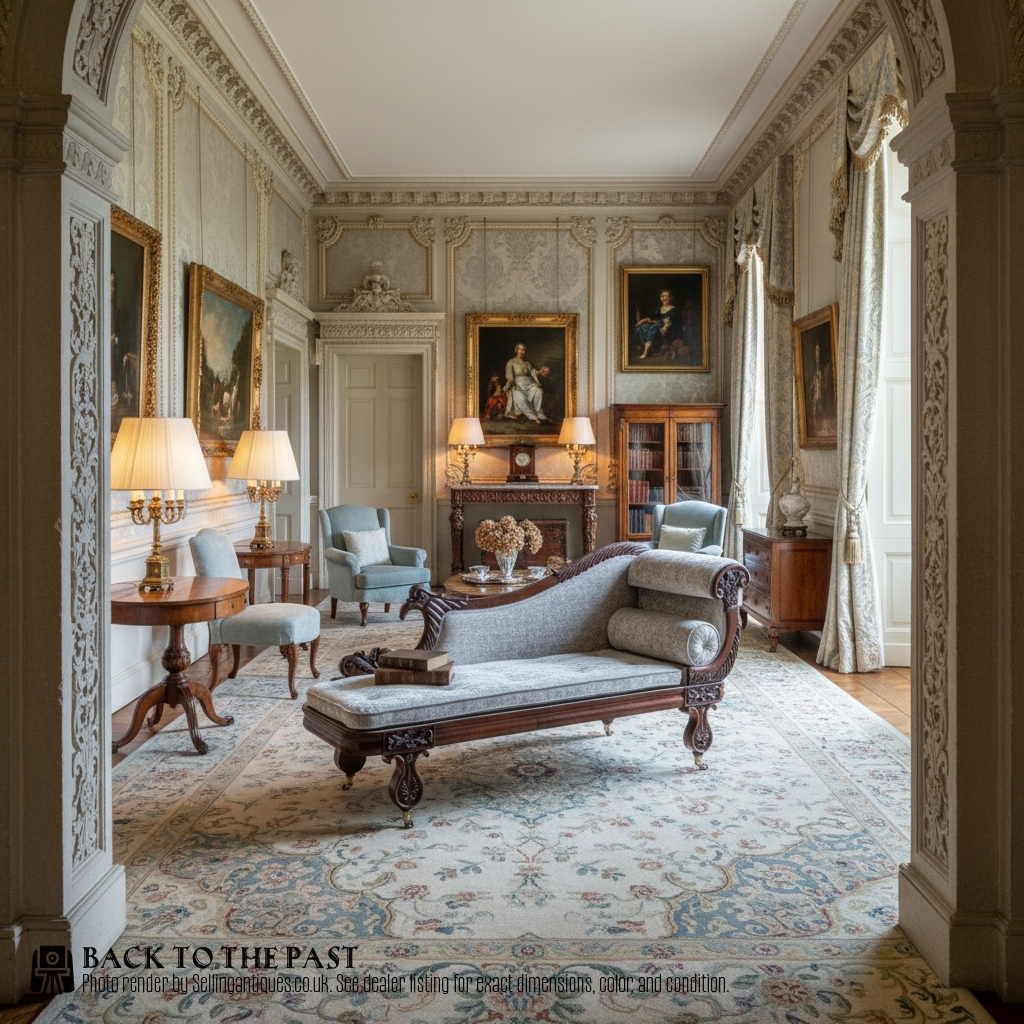
Antique Scroll Daybed
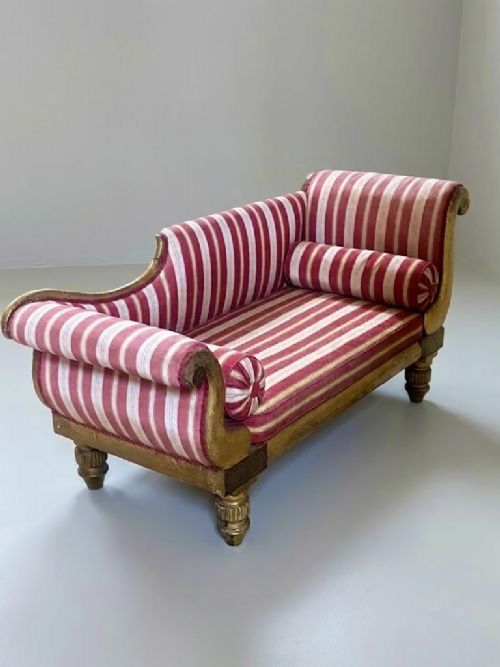
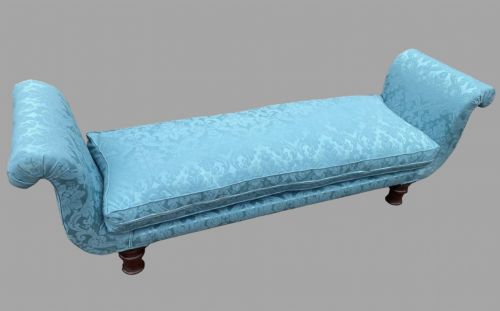
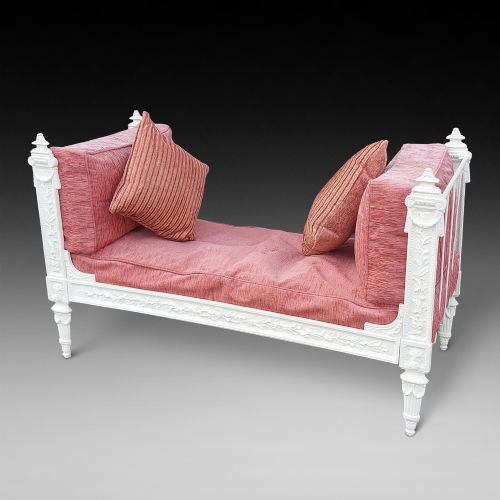
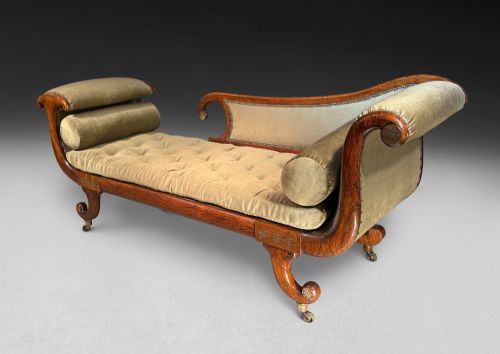
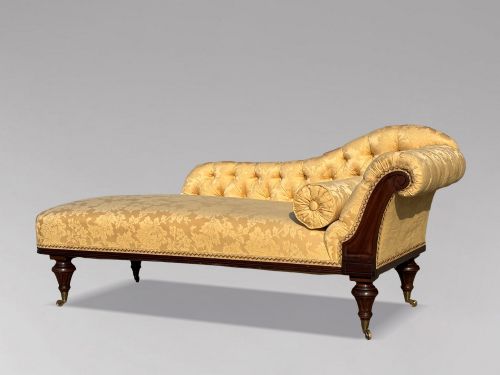
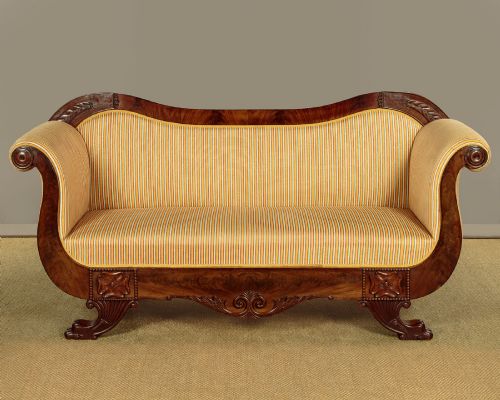
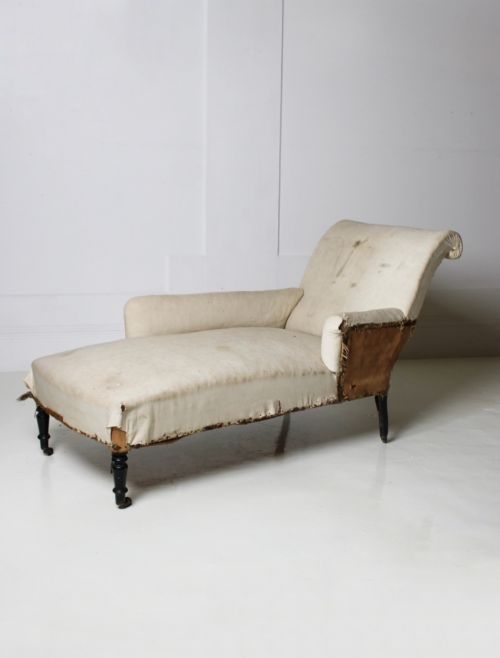
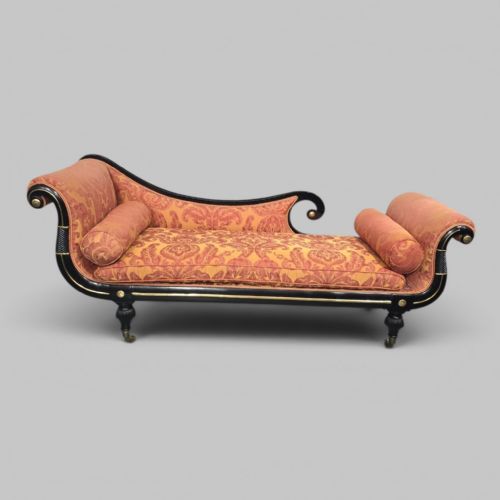
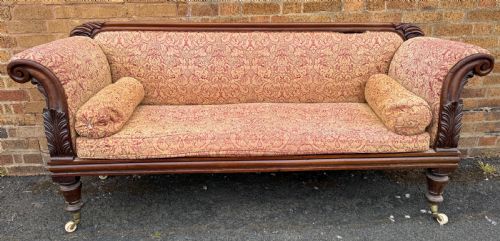
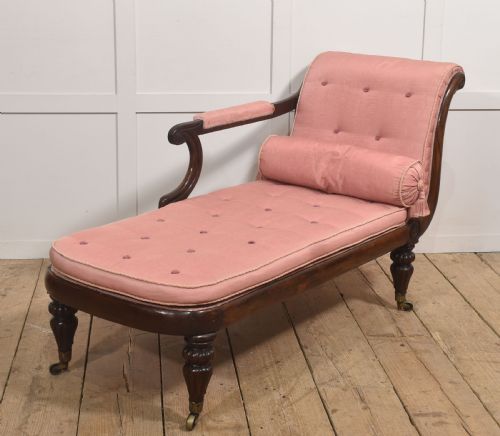
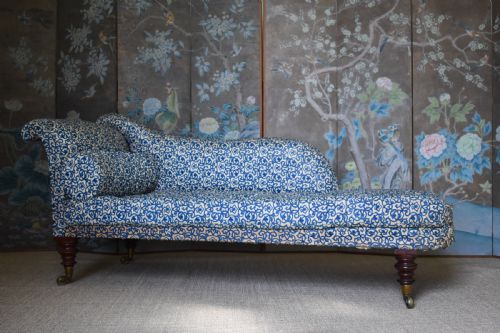
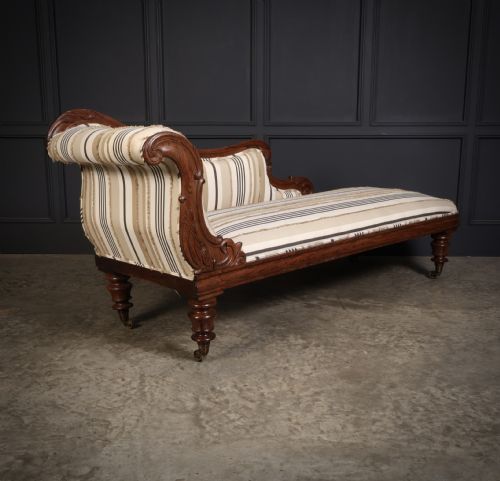
An antique scroll daybed encompasses sophisticated nineteenth-century reclining forms, including chaise longues, double-ended sofas, and lit bateaux designed for elegant repose. These pieces combine seating and reclining functions through characteristic scrolled ends that reflect periods from Regency and William IV to Victorian and French Empire styles. Mahogany, rosewood, and simulated rosewood provide the structural elegance seen across these historic daybeds and couches.
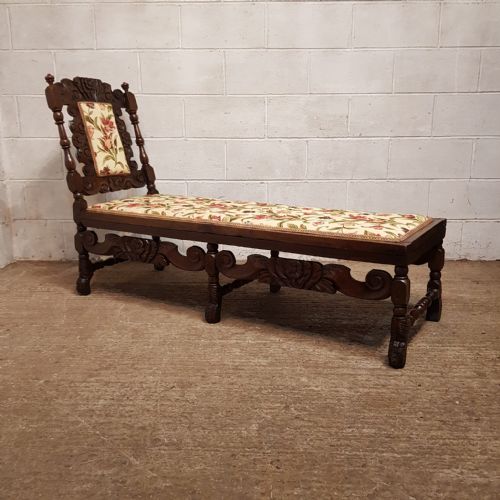
The version most commonly met on this page is the nineteenth-century mahogany or rosewood chaise longue, frequently featuring a single prominent scroll arm and detailed carved woodwork. Pieces originating from the Regency and William IV eras dominate the selection, often displaying brass inlay or rich grain patterns. Alongside these, buyers encounter Victorian walnut and oak iterations, as well as French-influenced sleigh day beds.
Materials and Construction Techniques
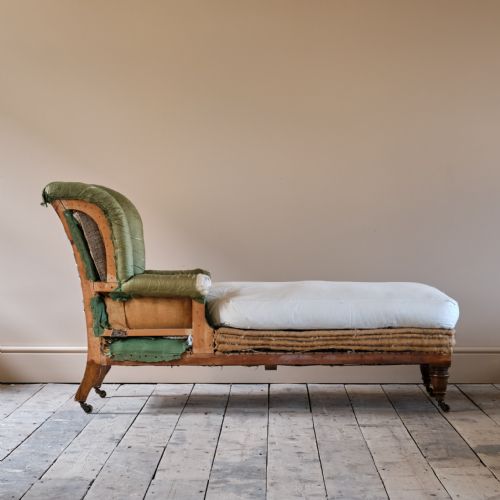
Cabinetmakers constructed these daybeds using dense hardwoods such as mahogany, rosewood, and ebonised wood, often shaping solid timbers or applying fine veneers over secondary woods. Brass inlay, cast iron, and carved details added decorative contrast to the structural frames of the couches and settees. Caning also appears as a seating material on specific solid rosewood examples.
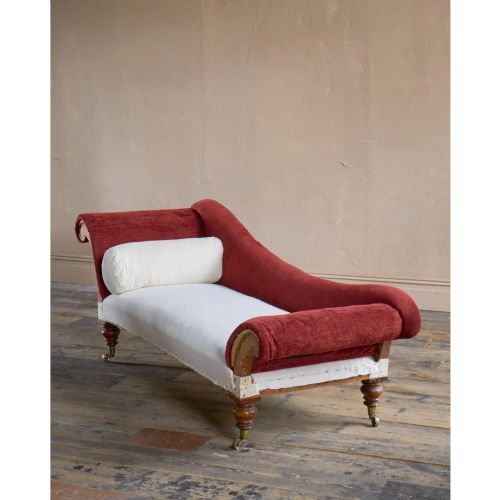
Upholstery techniques involved traditional stuffing applied to sprung or webbed foundations, finished with textiles including silk, velvet, damask, and modern replacement fabrics. Frames frequently incorporate turned legs fitted with original castors to facilitate movement across grand rooms. Joinery relies on nineteenth-century cabinet-making methods suited to heavy scrolled ends and sweeping wooden crest rails.
Some nineteenth-century daybeds allowed Victorians to recline gracefully without mussing their voluminous skirts.
Distinctions in Quality and Craftsmanship
The calibre of an antique scroll daybed rests on the crispness of its hand-carved wood elements, the choice of timber figure, and the architectural harmony of the scroll ends. Superior examples display finely figured mahogany or rich Rio rosewood, where grain patterns complement the sweeping contours of the frame. Attribution or closeness to workshop standards of makers like Gillows or Holland and Sons further elevates a piece.
Structural integrity and the retention of original components, such as turned legs and brass castors, separate standard production items from exceptional commissions. The subtlety of brass inlay work and the purity of Regency or William IV proportions dictate the standing of a couch within the broader range.
Holland and Sons·Gillows
The Antique Scroll Daybed Glossary
- Chaise longue
- An upholstered sofa in the form of a chair with a long seat for reclining. This French term translates directly to long chair.
- Lit bateau
- A French bed or daybed style with scrolled ends resembling a boat. It gained popularity during the nineteenth-century Empire period.
- Récamier
- A type of daybed or sofa with two raised scrolled ends and an open side. It is named after the French socialite Madame Récamier.
- Simulated rosewood
- Wood painted or stained to imitate the rich grain of genuine rosewood. Cabinetmakers utilised this technique during the Regency period.
- Double ended sofa
- A sofa or daybed featuring matching scroll ends of equal height at both extremities. These pieces allow a person to recline comfortably from either direction.
Antique Scroll Daybed: Frequently Asked Questions
How do I date a scroll daybed?
Dating relies on examining the timber, carving style, and structural proportions of the frame. Regency pieces often feature brass inlay and simulated rosewood, while William IV examples display heavier carved scroll ends.
Victorian iterations frequently incorporate turned legs with castors and darker walnut or oak finishes. Comparing the stylistic details to documented nineteenth-century cabinet-making trends clarifies the period.
Were these daybeds used for sleeping?
These daybeds served primarily for daytime resting, reading, and receiving visitors in grand drawing rooms or boudoirs rather than overnight sleeping. Their design prioritized elegant posture and comfortable reclining over full mattress support.
The upholstered surface and single or double scroll ends provided adequate support for brief periods of repose during the afternoon.
How do I live with a daybed?
Living with a daybed involves placing it against a wall or floating it within a spacious room to showcase its architectural scroll ends. Positioning it near natural light makes it an ideal spot for reading.
Maintenance involves regular dusting of the timber frame and gentle care for the upholstery fabric. The piece anchors a room's aesthetic while remaining a functional seat.